What are the benefits of using insulated construction panels?

Time:2026-06-26 Author:Sienna
0%

Insulated construction panels are gaining traction in the building industry. Their benefits are significant and can drastically alter construction practices. Dr. Emily Thompson, an industry expert, emphasizes, "The efficiency and adaptability of insulated construction panels can redefine how we build sustainably." This statement underscores their importance in modern construction.

These panels offer exceptional thermal performance. They help maintain comfortable indoor temperatures, reducing energy costs over time. Additionally, they provide structural strength and longevity, making them a durable choice for builders. However, questions remain about their initial costs and installation processes.

What are the benefits of insulated construction panels? Beyond energy efficiency, these panels also contribute to quicker construction timelines. Builders can achieve more in less time. Yet, the trade-offs, such as the learning curve for new users, should be recognized. Balancing efficiency with the need for skilled labor is a challenge in adopting this technology fully.
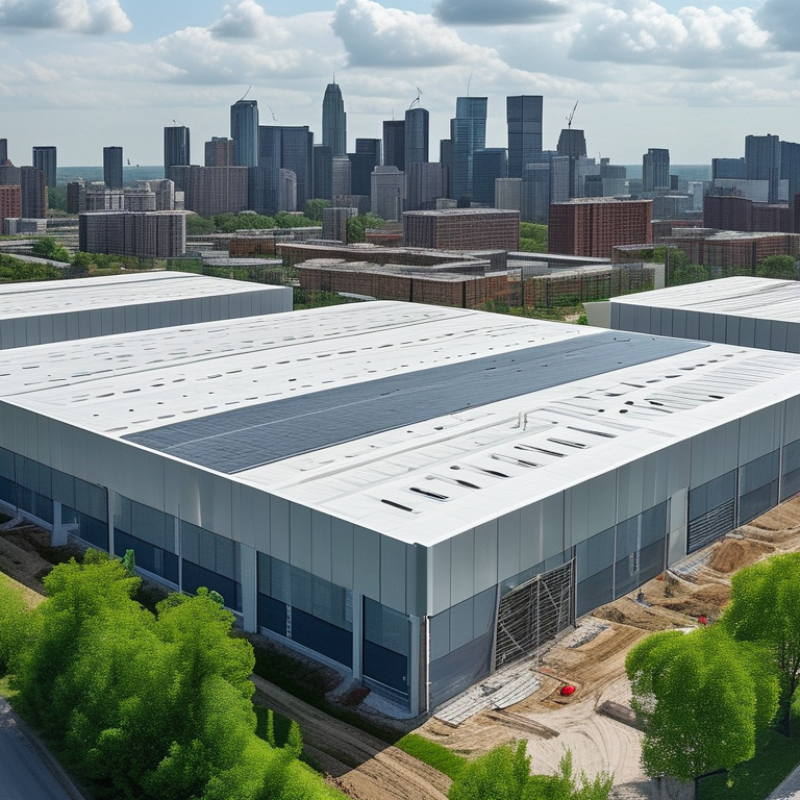
What are the benefits of using insulated construction panels?

Benefits of Insulated Construction Panels in Energy Efficiency

Insulated construction panels offer significant benefits in energy efficiency for both residential and commercial buildings. They provide superior thermal insulation. This keeps indoor environments comfortable throughout the year. The panels reduce the need for excessive heating and cooling. As a result, energy consumption is lowered, which helps in reducing utility bills.

The insulated panels also minimize air leaks. Air leakage can lead to increased energy usage, resulting in higher costs. By creating a more airtight building envelope, these panels enhance overall efficiency. They can significantly contribute to sustainability efforts too. Utilizing less energy helps in reducing carbon footprints.

While the advantages are clear, implementation can be challenging. Proper installation is crucial. Poorly installed panels may not perform as expected. It is essential to train builders and workers thoroughly. Despite these hurdles, the long-term benefits of energy savings and comfort make insulated construction panels a valuable investment.

Cost Savings through Reduced Energy Consumption

Insulated construction panels offer a practical solution for energy efficiency in buildings. By reducing energy consumption, they help lower overall costs. This remarkable benefit is increasingly crucial as energy prices rise. With a high R-value, these panels effectively maintain indoor temperatures. This means less reliance on heating and cooling systems, which can lead to significant savings on energy bills.

Using these panels during construction minimizes air infiltration. This tight seal means fewer drafts and improved comfort. Homeowners and builders alike find this attractive. Over time, the investment in insulated panels pays off. Many see return on investment in just a few years. However, some may overlook initial costs. They may hesitate to adopt this technology because of perceived expenses.

Looking at specific case studies can reveal varied outcomes. Some projects experienced delays or underestimated costs. Yet, most found that energy savings outweighed these challenges. The importance of careful planning cannot be stressed enough. Clear communication among teams ensures better results. Emphasizing energy efficiency may initially seem complex. Yet, the long-term benefits are undeniable and serve to reinforce sustainable building practices.

Enhanced Structural Integrity and Durability of Buildings

Insulated construction panels enhance the structural integrity and durability of buildings. These panels consist of layers that provide excellent insulation while remaining lightweight. The combination of rigid foam and other materials leads to superior energy efficiency. This efficiency reduces heating and cooling costs significantly. Architects and builders often favor these panels for their strength and longevity.

The durability of insulated panels is noteworthy. They resist moisture and pests, decreasing maintenance needs over time. Buildings constructed with these panels can withstand extreme weather conditions. This resilience contributes to the overall safety and longevity of a structure. However, the initial investment may be higher than traditional materials. This aspect raises questions about cost-effectiveness in the short term.

Incorporating insulated panels can improve design flexibility. They come in various sizes and finishes, accommodating diverse architectural styles. Yet, some builders face challenges with installation processes. Proper training and planning are essential to maximize benefits. Mistakes can lead to gaps in insulation, undermining overall performance. The focus should remain on quality craftsmanship and thorough inspections.

Improved Acoustic Performance and Sound Insulation

Insulated construction panels offer significant advantages, especially when it comes to acoustic performance. These panels are designed to minimize sound transmission between spaces. They can effectively block noise from external sources, creating a quieter environment indoors. This is particularly beneficial for residential homes located near busy roads or urban centers.

The sound insulation capabilities of these panels also enhance privacy in multi-family dwellings. Each unit can maintain a peaceful atmosphere, allowing residents to enjoy their own space without disturbing neighbors. Furthermore, insulation panels can help reduce echoes and reverberation in large areas, such as gymnasiums or auditoriums. Properly designed spaces will create an atmosphere that fosters communication and focus.

However, not all insulated panels perform equally. Differences in materials and design can affect their acoustic effectiveness. It is essential to assess the specific needs of a project before choosing insulation solutions. Consulting with acoustic experts can provide valuable insights into selecting the right materials for desired acoustic results. Ignoring these factors may lead to disappointing outcomes and unexpected noise issues. The balance between aesthetics and functionality should always be a consideration.

Environmental Impact and Sustainability of Insulated Panels

Insulated construction panels present significant environmental benefits. They enhance energy efficiency in buildings, which is crucial in today's climate crisis. According to recent reports, the use of insulated panels can reduce energy consumption by up to 50% compared to traditional building methods. This decrease translates to lower greenhouse gas emissions, contributing to a more sustainable future.

The sustainability aspect of insulated panels extends beyond energy savings. They typically feature materials that can be recycled or are sourced from renewable resources. A study found that using recycled materials in construction panels can reduce overall waste by nearly 30%. However, it is essential to consider that not all panels are created equal. Some may contain harmful substances that complicate their end-of-life disposal. Thus, careful selection and assessment are needed.

In terms of durability, insulated panels tend to have a long life span, reducing the need for frequent replacements. This longevity can prevent the environmental impact associated with manufacturing new materials. Yet, manufacturers must ensure that proper disposal methods are established. Relying solely on the benefits of these panels without addressing potential drawbacks may lead to ineffective sustainability practices.

What are the benefits of using insulated construction panels? - Environmental Impact and Sustainability of Insulated Panels

Benefit Description Environmental Impact Sustainability Aspect
Energy Efficiency Insulated panels provide superior thermal insulation, reducing energy consumption for heating and cooling. Lower carbon footprint due to reduced energy use. Long-lasting panels contribute to reduced resource consumption over time.
Speed of Construction Prefabricated insulated panels allow for quicker assembly on-site, minimizing labor time. Less time on-site reduces overall resource consumption and waste. Efficient use of materials and workforce promotes sustainable practices.
Reduced Waste Manufacturing process of panels is designed to minimize waste through precise cutting and assembly. Lower construction waste impacting landfills. Supports circular economy principles by optimizing material use.
Versatility Can be used in various applications: residential, commercial, and industrial buildings. Flexibility reduces the need for multiple materials and resources. Promotes adaptability in sustainable building designs.
Enhanced Durability Panels are resistant to moisture, mold, and pests, ensuring longevity. Durable materials contribute less to environmental degradation. Longer lifespan supports sustainable development goals.

FAQS

: What are insulated construction panels?

: They are layers providing excellent insulation while being lightweight, enhancing building durability.

How do insulated panels impact energy efficiency?

They lead to superior energy efficiency, significantly reducing heating and cooling costs for buildings.

What challenges may builders face with insulated panels?

Installation can be complex, requiring proper training. Mistakes lead to insulation gaps, affecting performance.

Do insulated panels provide good sound insulation?

Yes, they minimize sound transmission, creating quieter indoor environments, especially in busy locations.

Why is proper selection of insulated panels important?

Not all panels perform equally. Material differences can affect acoustic effectiveness, impacting overall results.

What environmental benefits do insulated panels offer?

They enhance energy efficiency and can lower greenhouse gas emissions, aiding in climate change efforts.

Can insulated panels be made from recycled materials?

Yes, many use recycled or renewable resources, potentially reducing waste in construction by nearly 30%.

Do insulated panels contribute to sustainability?

Their long lifespan reduces the need for replacements but requires proper disposal to maintain sustainability.

What potential drawbacks exist with insulated panels?

Some may contain harmful substances, complicating disposal. Careful selection is vital to avoid these issues.

How can the balance between aesthetics and functionality be managed?

Both should be considered during the design process to ensure effective acoustic and visual outcomes.

Conclusion

Insulated construction panels offer numerous advantages that significantly enhance building efficiency and performance. One of the key benefits is energy efficiency; these panels provide superior insulation, leading to reduced energy consumption and cost savings for homeowners and businesses alike. Additionally, insulated panels contribute to the structural integrity and durability of buildings, ensuring they can withstand various environmental stresses over time.

Another important aspect is the improved acoustic performance these panels provide, offering better sound insulation that creates a more comfortable indoor environment. Furthermore, insulated construction panels are environmentally friendly, as they contribute to sustainability efforts by reducing energy usage and minimizing waste. In summary, when considering what are the benefits of insulated construction panels, it becomes clear that they are a wise choice for energy savings, durability, sound reduction, and environmental impact.

Sienna

Sienna

Sienna is a skilled marketing professional with a deep expertise in our company’s core products and services. With a passion for innovation and detail, she plays a pivotal role in crafting insightful blog posts that not only highlight the unique features of our offerings but also provide valuable......