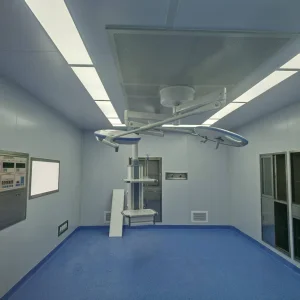
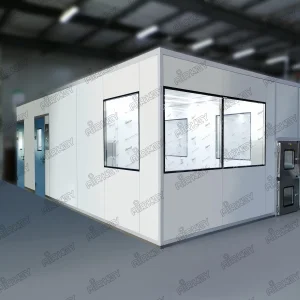
High-performance components engineered to satisfy stringent ISO, GMP, and BS fire-resistance classifications.
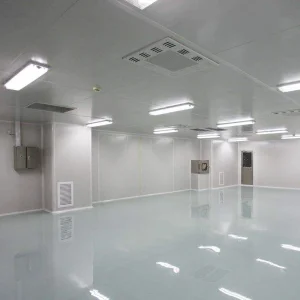
In high-tech industrial manufacturing and advanced healthcare, structural integrity and contamination control are critical. Standard construction methods fall short when managing microparticles, volatile outgassing, electrostatic build-up, and biological containment. High-specification cleanroom panels form the structural shell that isolates sensitive processes from environmental threats.
As a leading China industrial construction panel manufacturer, Ningbo Jonas Build Co., Ltd. specializes in engineered building envelope systems. Jonas Build delivers custom solutions designed for global industrial, commercial, and laboratory projects. These modular wall, ceiling, and partition panels ensure thermal insulation, fire protection, and airtightness, enabling reliable operation across cleanroom classes from ISO 1 to ISO 9.
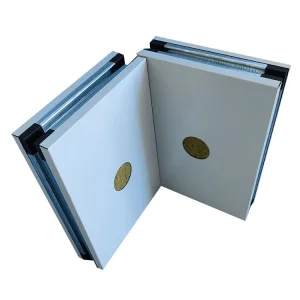
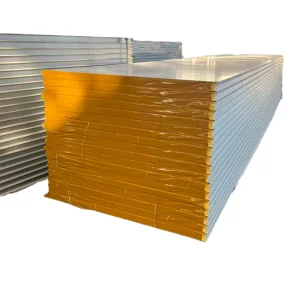
A comparative evaluation of cleanroom panel cores based on thermal values, fire safety, and structural properties.
| Core Material | Thermal Conductivity (W/m·K) | Fire Classification | Key Strengths | Ideal Application |
|---|---|---|---|---|
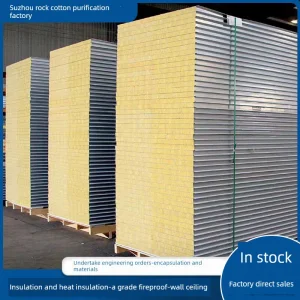
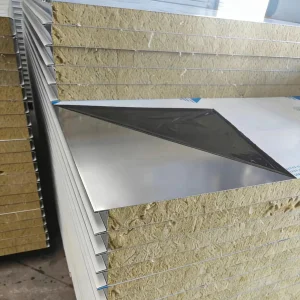
| Rockwool (Mineral Fiber) | 0.038 - 0.044 | Class A1 (Non-combustible) | Excellent fire resistance, acoustic dampening | Pharmaceutical plants, fire walls |
| Aluminum Honeycomb | Contact for details | Class A2 (Flame retardant) | Lightweight, high deflection resistance, zero outgassing | Semiconductor, microelectronics fabrication |
| PU (Polyurethane) / PIR | 0.020 - 0.024 | Class B1 / B2 | Highest thermal efficiency, moisture resistance | Cold storage cleanrooms, food processing |
| Silica / Magnesium Oxysulfate | 0.045 - 0.055 | Class A1 (Non-combustible) | Superior moisture resistance, high load capacity | Biosafety labs, humid environments |
The core material provides insulation and structure, but the outer skin protects the cleanroom. Standard options include Pre-painted Galvanized Iron (PPGI), Stainless Steel (SUS 304 or 316L), and High-Density Polyethylene (HDPE) sheets. Antistatic coatings prevent dust accumulation, while polyvinylidene fluoride (PVDF) finishes protect against aggressive chemical cleanings, including vaporized hydrogen peroxide (VHP) sanitization.
Jonas Build uses multi-stage coating processes that bond protective layers to the metal. This ensures the panel surface does not peel, crack, or release particles over years of cleanroom operation.
How our custom-built panel systems address the distinct regulatory and process demands of diverse fields.
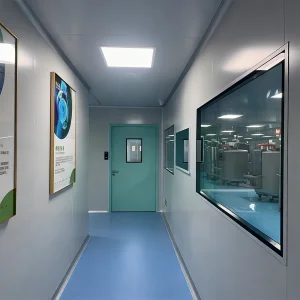
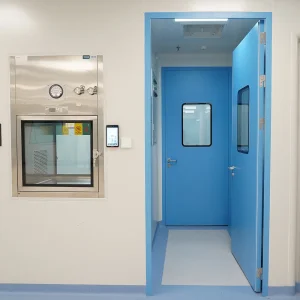
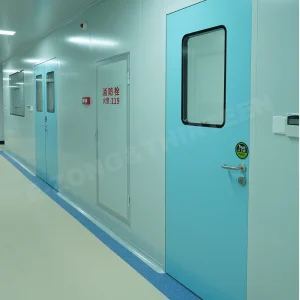
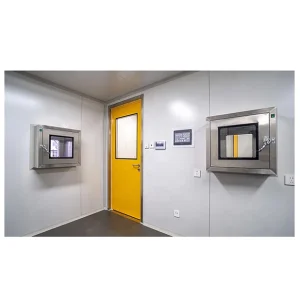
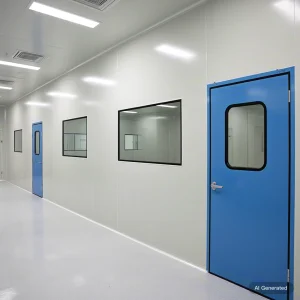
Engineered for GMP compliance, these systems feature smooth, flush surfaces, zero-gap tongue-and-groove joints, and antibacterial finishes. They prevent micro-bacterial accumulation and withstand aggressive liquid sanitizers.
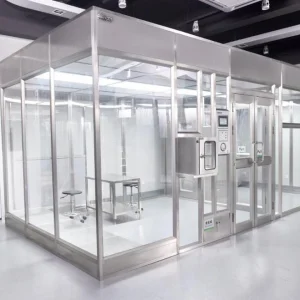
Designed for ultra-clean electronics processing. Utilizing aluminum honeycomb or lightweight structural cores, these systems prevent microparticle outgassing and use ESD coatings to protect sensitive electronic components.
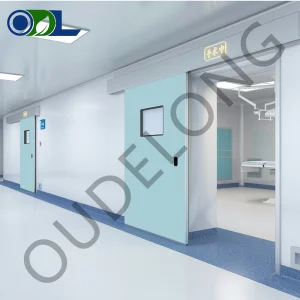
These environments require absolute containment. Advanced airtight sealing methods, high-performance mechanical gaskets, and robust core structures resist pressure differentials and prevent airborne contaminants from escaping.
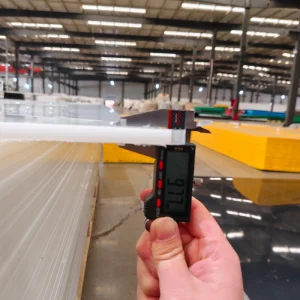
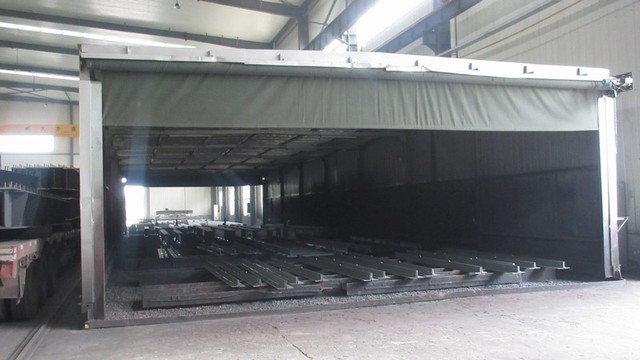
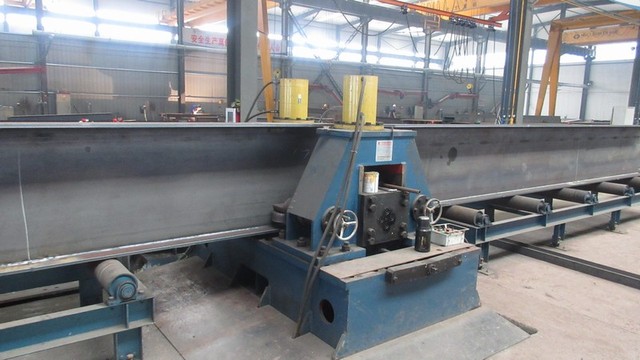
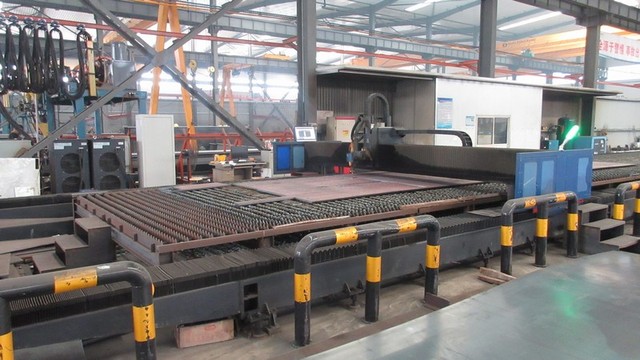
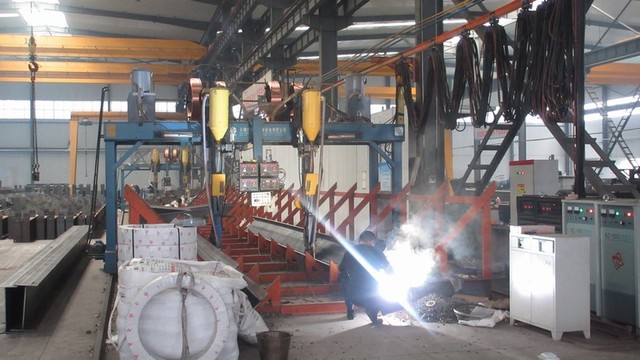
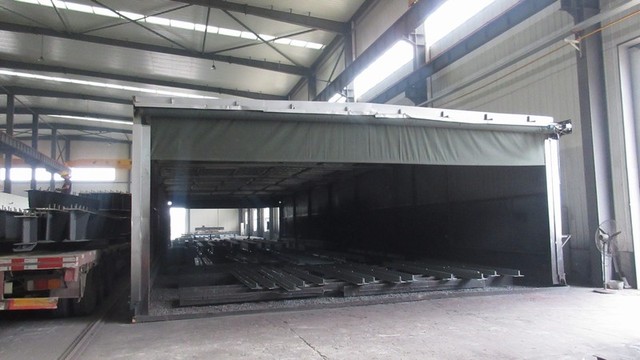
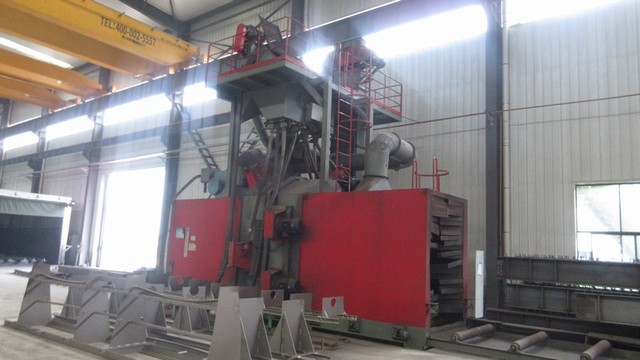
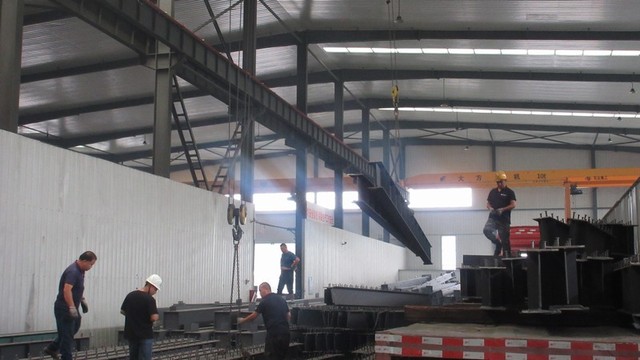
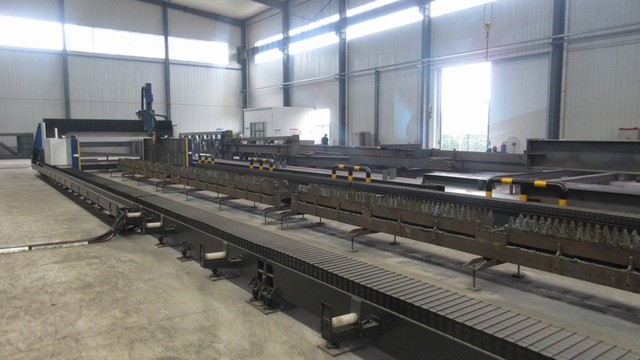
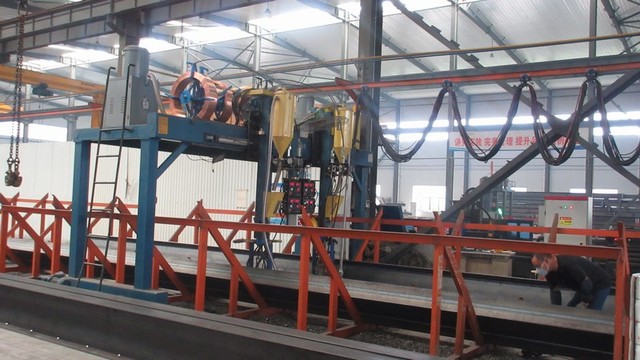
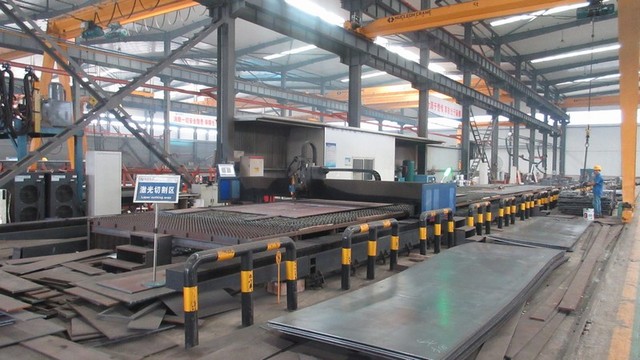
Ningbo Jonas Build Co., Ltd. operates advanced automated production facilities. Our manufacturing lines run continuous processes for metal sheet uncoiling, profiling, adhesive injection, insulation core positioning, hot-press lamination, and automated length cutting.
This automated production ensures dimensional accuracy and consistent bonding strength across large production runs. Raw materials are sourced from verified global suppliers, ensuring reliable mechanical performance, fire rating, and chemical resistance for each batch.
Procuring cleanroom materials globally requires meeting diverse building codes and environmental regulations. Ningbo Jonas Build Co., Ltd. supplies panel systems that comply with major international testing and certification standards. From structural load-bearing parameters to fire resistance limits (FRL), our products are tested to ensure compliance for global markets.
Jonas Build coordinates documentation, logistics, and on-site support to streamline project delivery. Panels are packed in heavy-duty sea crates with moisture barriers and edge protectors to prevent transit damage, ensuring they arrive ready for installation.
Tested for fire resistance, integrity, and insulation under high-temperature conditions.
Certified for air cleanliness and zero-particle outgassing in critical environments.
Smooth surfaces, radius corners, and antibacterial treatments meet sanitary design requirements.
Cleanroom standards continue to advance. Industry trends point to the adoption of green envelope panels. The next generation of panel systems integrates smart sensors that monitor pressure, humidity, and temperature differentials within the wall core. These systems also utilize recyclable core materials and low-VOC adhesive bonding agents.
Ningbo Jonas Build Co., Ltd. is investing in R&D for next-generation sandwich panels. Future designs aim to combine lightweight properties with higher load capacity, reducing structural framework requirements. Improved chemical-resistant surfaces are also under development to withstand stronger biological sterilizing agents.
Technical answers regarding specifications, integration, and manufacturing lead times.
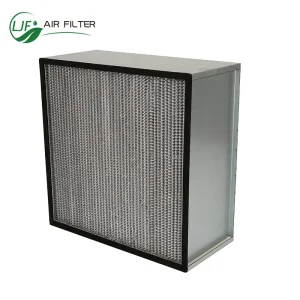
Explore our line of wall panels, airtight doors, filtration boxes, and composite sandwich systems.
 Jonas Build