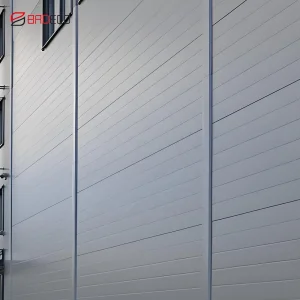
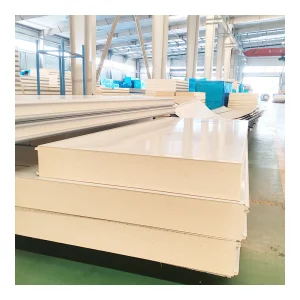
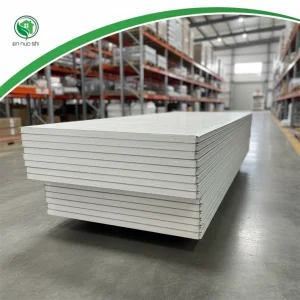
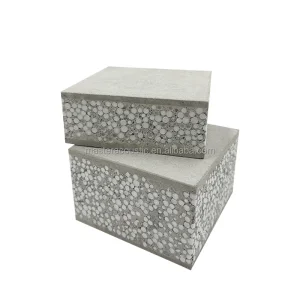
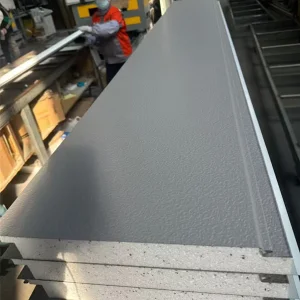
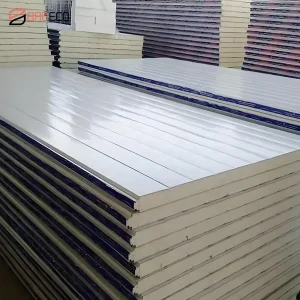
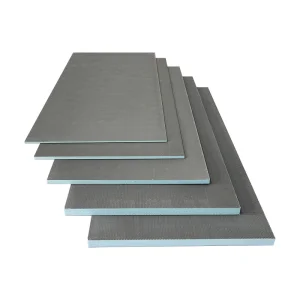
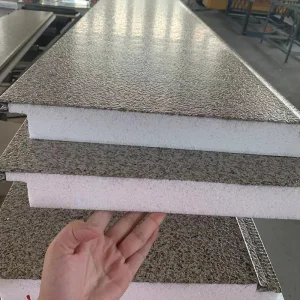
Engineered sandwich panels optimized for thermal boundaries, cleanrooms, and fire containment
Ningbo Jonas Build Co., Ltd. is a professional China industrial construction panel manufacturer specializing in insulated building panel solutions for global industrial and commercial construction projects. With extensive industry experience and advanced manufacturing capabilities, the company is committed to delivering high-quality, energy-efficient, and customized panel systems that meet the diverse requirements of customers worldwide.
The company provides a comprehensive range of products, including insulated sandwich panels, industrial wall panels, roofing panels, cold room panels, cleanroom panels, fire-rated panels, and customized building envelope solutions. Designed for superior thermal performance, structural reliability, and rapid installation, these products are widely used in industrial plants, warehouses, logistics centers, cold storage facilities, commercial buildings, modular construction projects, and infrastructure developments.
Innovation, quality, and sustainability are the core values driving the company's development. By utilizing advanced production technologies and premium raw materials, Jonas Build continuously enhances product performance in thermal insulation, fire resistance, weather protection, and energy efficiency. The company's panel systems help customers reduce construction time, lower operating costs, and improve overall building performance.
In the wake of rising global energy codes and dynamic green-building benchmarks (such as LEED v4.1 and BREEAM), the worldwide construction industry is moving rapidly toward prefabricated, pre-engineered structural thermal envelopes. Among these systems, Expanded Polystyrene (EPS) core panels represent one of the most resource-efficient materials due to their exceptional thermal impedance per dollar value. Modern design philosophies require facades and roofing panels to serve not only as weather barriers but also as highly integrated structural panels.
Technological trends indicate a significant push toward hybrid core composites and graphite-infused EPS (yielding higher thermal resistance values at thinner profiles). Factories are increasingly adopting automated dual-belt continuous lamination lines to assure absolute flat surface tolerances and minimize core-to-skin adhesion failures. As urban centers prioritize carbon footprint reductions, EPS-insulated panel exports from tier-one manufacturers are filling critical voids in modular and fast-track steel building infrastructures across Europe, Oceania, and the Americas.
Unlike alternative gas-filled foam cores, EPS maintains its design thermal conductivity indefinitely, eliminating aging thermal degradation risks.
Engineered core densities ranging from 15kg/m³ to 30kg/m³ provide robust structural shear strength under heavy wind loads.
Minimal water absorption rates (<1% by volume) ensure long-term structural integrity against vapor ingress and frost cycles.
Industrial procurement departments selecting a China EPS sandwich panel factory must navigate beyond unit price calculations. Critical buying criteria revolve around the supplier’s capability to adhere to international compliance standards. The modern sourcing blueprint focuses heavily on structural performance certificates (such as ASTM E72 shear tests, ASTM E84 surface burning characteristics, and European standard EN 14509).
Furthermore, logistic engineering plays a crucial role. Exporters must utilize specialized containerized shipping cradles to secure panel bundles during ocean voyages, avoiding skin buckling and corner deformations. Ningbo Jonas Build Co., Ltd. addresses this segment of intent by providing complete structural engineering support, localized code adaptation assistance, and customized steel skin thicknesses ranging from 0.4mm to 0.8mm with specialized corrosion-resistant coatings (e.g., Z275 galvanized, AZ150 zinc-aluminum, PVDF coating).
Thermal Conductivity W/(m·K)
Standard Corrosion Resistance
HBCD-Free Core Formulations
To assist structural engineers in formulating design proposals, the core physical characteristics of EPS insulated panel systems are detailed in the structural framework matrix below:
Looking toward the 2030 building codes, Ningbo Jonas Build Co., Ltd. is investing in next-generation material composites. Key focuses include the advancement of graphite-enhanced EPS cores, which provide a 20% reduction in thermal conductivity compared to standard white EPS. Additionally, clean manufacturing practices aim to utilize bio-attributed polystyrene resins to decrease the cradle-to-gate environmental footprint of building envelopes, aiding developers in achieving net-zero construction targets.
Specialized building envelopes optimized for refrigeration, acoustics, and high-load structural configurations
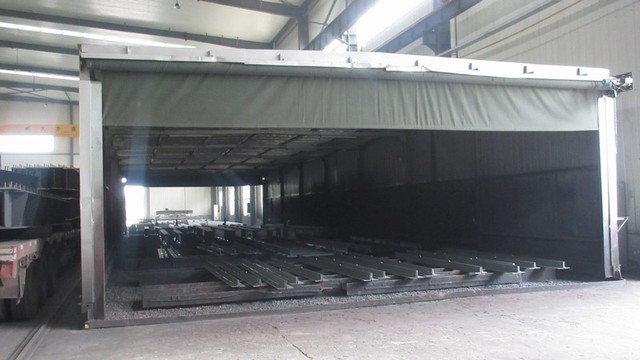
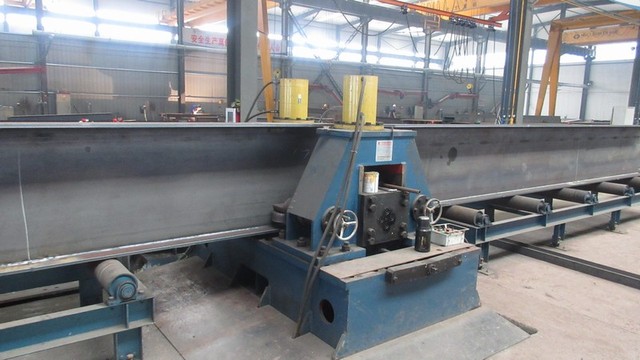
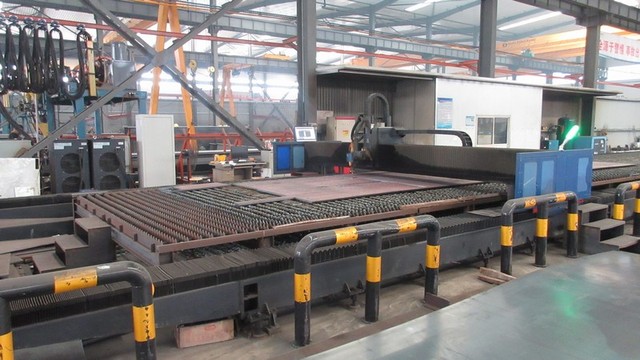
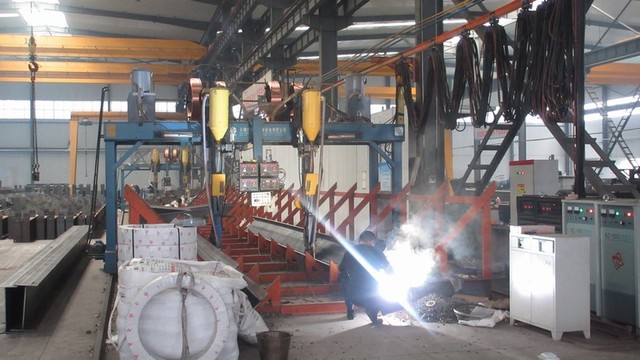
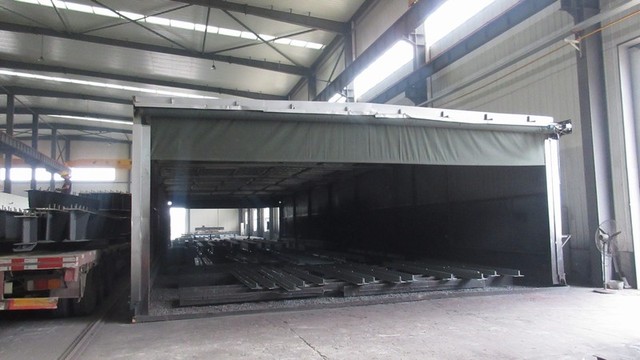
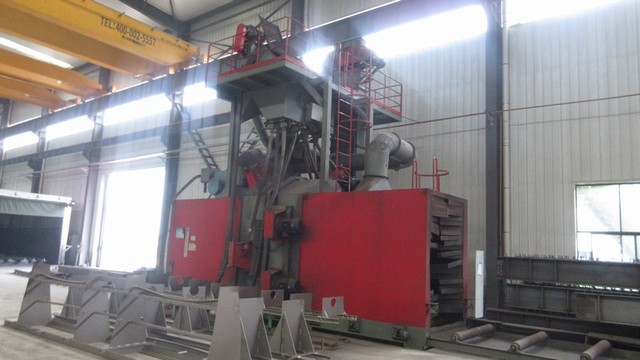
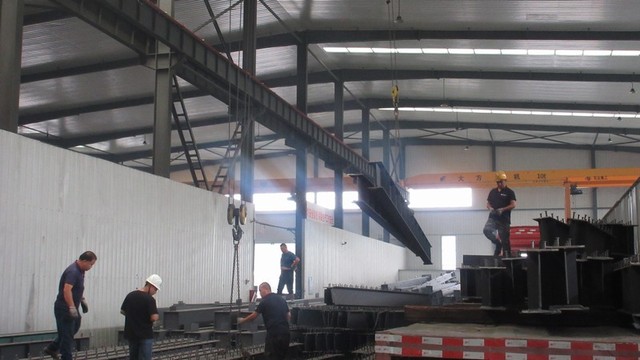
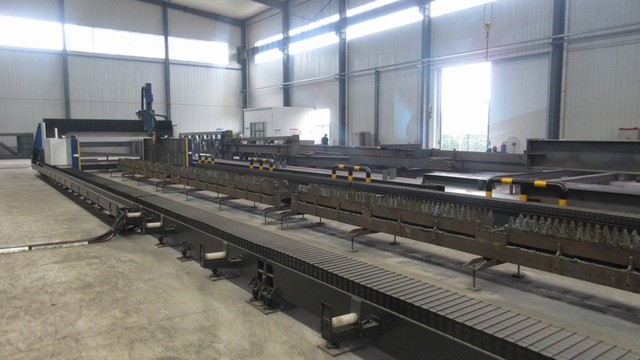
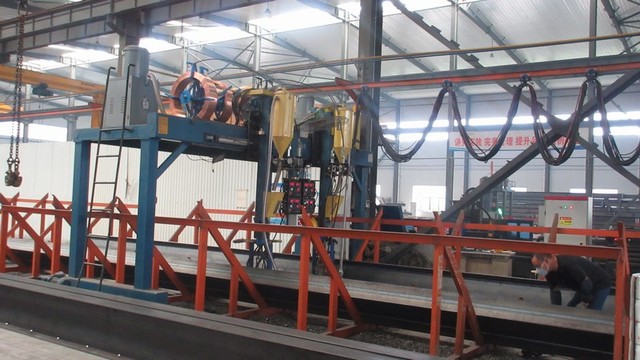
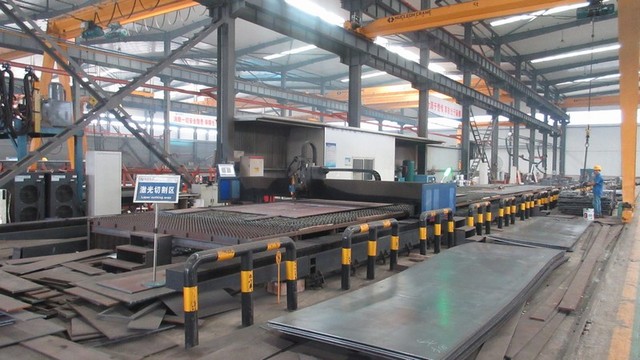
Visualizing our advanced laminating floor, raw materials QC, and logistic packaging lines
Critical engineering insights and purchasing guidelines for construction architects and specifiers
Graphite-infused EPS incorporates microscopic high-purity carbon particles that reflect heat radiation like a mirror, enhancing insulation performance by approximately 20%. This results in equivalent R-values at thin cross-sections, saving structural space and cargo volumes.
While PIR core panels offer a slightly higher initial R-value per inch, EPS provides a consistent R-value over time and is highly cost-effective. Rock Wool excels in fire-stop applications but possesses lower thermal resistance per unit thickness compared to EPS and PIR cores.
We run a continuous lamination line with computer-controlled polyurethane glue application, backed by surface-corona treatment on the steel coils. Regular laboratory tests verify adhesive bond tension strength to meet or exceed EN 14509 standards.
Yes, when configured as Structural Insulated Panels (SIPs), higher density EPS cores (above 20kg/m³) act as rigid webs, whereas the steel skins act as flanges, offering impressive load-to-span capacities under uniform vertical and wind load configurations.
When correctly specified with high-grade external pre-painted steel (such as PVDF or High-Durability Polyester coatings) and properly sealed at raw cut edges, the panels maintain structural and thermal performance for over 25 to 30 years.
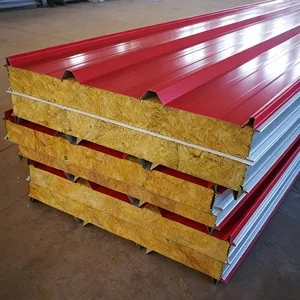
EPS is treated with flame-retardant additives to ensure self-extinguishing behavior under fire exposure, typical of Class B1 or B2 classifications under Chinese and European standards. For strict 1-hour or 2-hour structural fire walls, we recommend our specialized mineral rock wool core range.
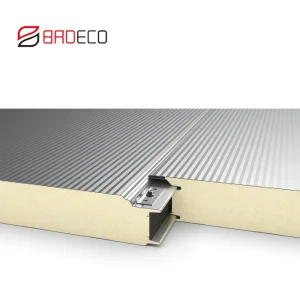
Our cold-room panel profiles feature a deep tongue-and-groove joint profile that allows for direct sealing gasket application and structural cam-lock integrations. This prevents vapor drive, structural condensation, and convective thermal energy loss.
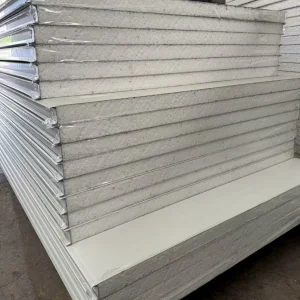
We package panel bundles in heavy-duty stretch film wrapping with thick protective corner guards. The entire bundle is set on custom EPS or timber runners, allowing safe forklift handling and preventing container shift during transit.
 Jonas Build