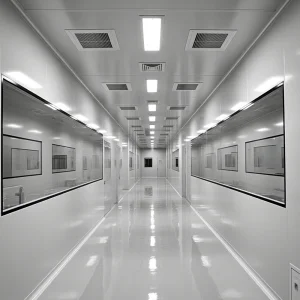
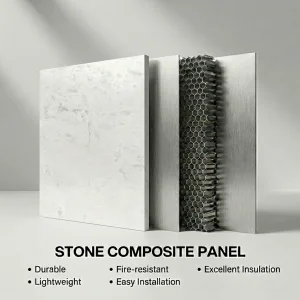
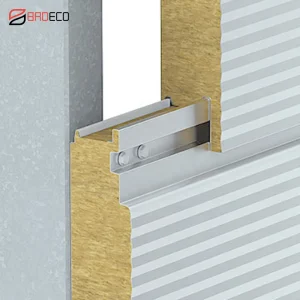
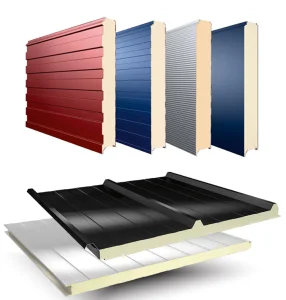
Explore our premium grade cleanroom panels, fireproof exterior walls, and specialized composite boards manufactured to rigorous safety standards.
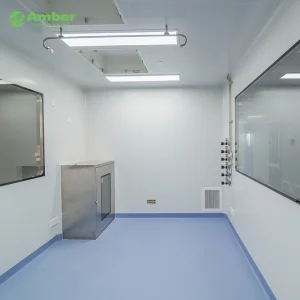
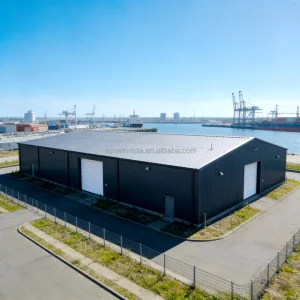
Why modern structural projects are shifting toward Class-A high thermal envelope assemblies to mitigate risk and optimize thermal transfer.
The global industrial landscape is experiencing unprecedented growth in high-tech manufacturing, logistics networks, and data center centers. As multi-million-dollar infrastructure investments scale up globally, passive fire safety has evolved from a basic compliance box-check into a core metric for investment preservation and operational continuity. Advanced fire rated sandwich panels have become the industry gold standard for wall claddings, partition boundaries, ceiling setups, and internal cleanroom divisions.
Across North America, the European Union, and the Asia-Pacific region, structural building codes have tightened significantly. Following catastrophic industrial warehouse losses and updated fire performance metrics (such as BS 476, ASTM E84, EN 13501-1, and FM Global approvals), developers can no longer rely on traditional gypsum or unprotected insulation. Today's commercial buildings require structural composite panels that offer a thermodynamic barrier to fire while retaining exceptional R-value thermal performance and structural integrity under high heat load conditions.
Our comprehensive catalog meets demanding international building guidelines, ensuring compatibility with municipal fire codes and localized civil engineering standards worldwide.
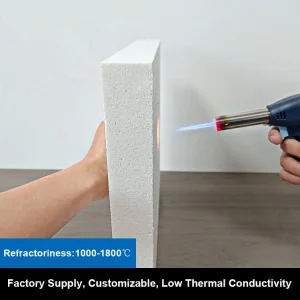
Designed with high-density rockwool or self-extinguishing polyisocyanurate (PIR) cores to significantly delay heat transfer and structurally support loads during fire emergencies.
Combining fire protection with high thermal insulation ratings (low U-values) and decibel-dampening acoustic characteristics for demanding industrial environments.
How technical directors and procurement agents optimize building envelopes by coordinating directly with advanced fabrication facilities.
Procuring raw building supplies for large scale facilities requires evaluating long-term performance against upfront investment. B2B purchasers face the challenge of securing certified fire-rated materials that balance structural strength, rapid assembly features, and reliable thermal characteristics. Working directly with specialized Chinese manufacturing hubs like Ningbo Jonas Build Co., Ltd. bridges the gap between premium performance and cost efficiency.
Key considerations driving global purchasing decisions include:
Direct manufacturer and global exporter of high-durability thermal insulation building envelopes.
Ningbo Jonas Build Co., Ltd. is a professional China industrial construction panel manufacturer specializing in insulated building panel solutions for global industrial and commercial construction projects. With extensive industry experience and advanced manufacturing capabilities, the company is committed to delivering high-quality, energy-efficient, and customized panel systems that meet the diverse requirements of customers worldwide.
The company provides a comprehensive range of products, including insulated sandwich panels, industrial wall panels, roofing panels, cold room panels, cleanroom panels, fire-rated panels, and customized building envelope solutions. Designed for superior thermal performance, structural reliability, and rapid installation, these products are widely used in industrial plants, warehouses, logistics centers, cold storage facilities, commercial buildings, modular construction projects, and infrastructure developments.
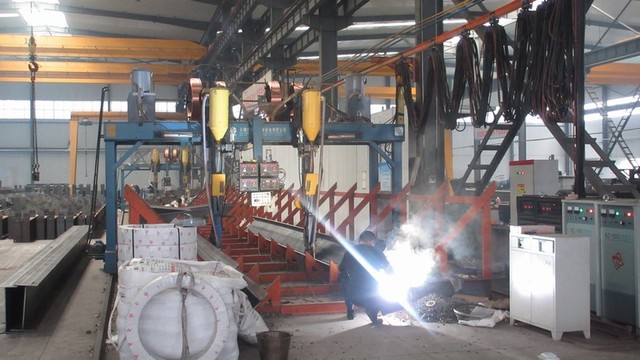
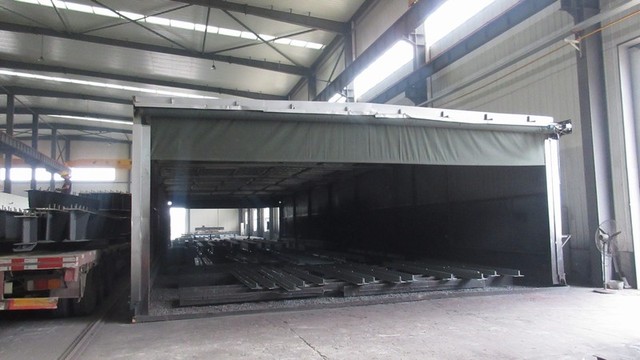
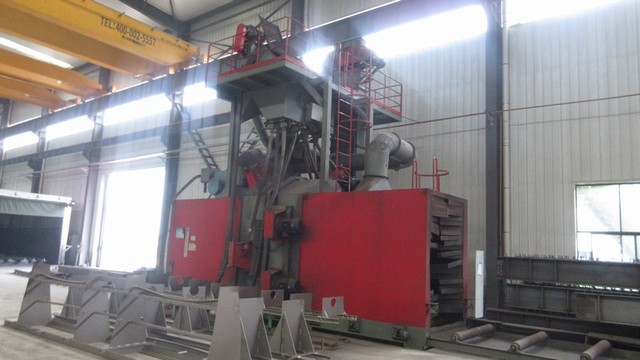
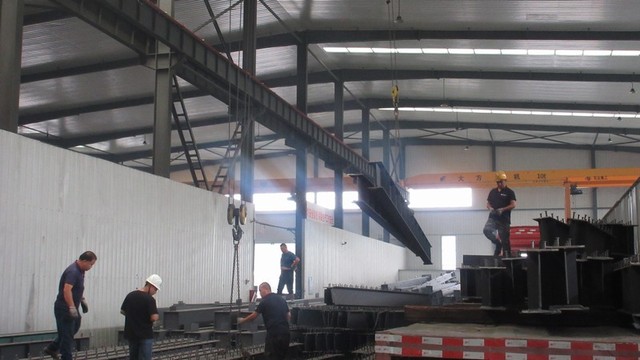
Ningbo Jonas Build Co., Ltd. operates modern production facilities equipped with advanced automated manufacturing lines, precision processing equipment, and strict quality inspection systems. Supported by a skilled team of engineers and technical specialists, the company offers one-stop services covering project consultation, product design, manufacturing, quality assurance, packaging, and international logistics coordination.
Innovation, quality, and sustainability are the core values driving the company's development. By utilizing advanced production technologies and premium raw materials, Jonas Build continuously enhances product performance in thermal insulation, fire resistance, weather protection, and energy efficiency. The company's panel systems help customers reduce construction time, lower operating costs, and improve overall building performance.
Committed to excellence and customer satisfaction, Ningbo Jonas Build Co., Ltd. has established long-term business relationships with clients across Asia, Europe, the Middle East, Africa, and the Americas. The company remains dedicated to providing reliable insulated building panel solutions that support sustainable construction and create long-term value for customers worldwide.
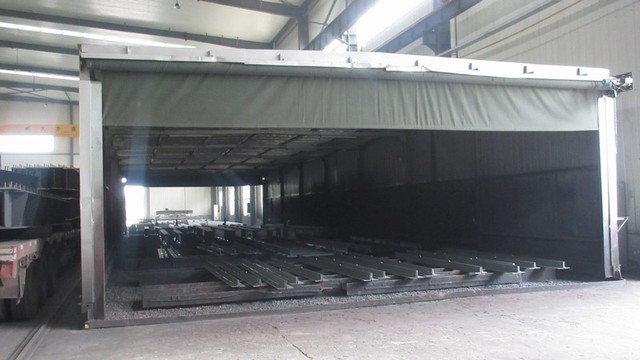
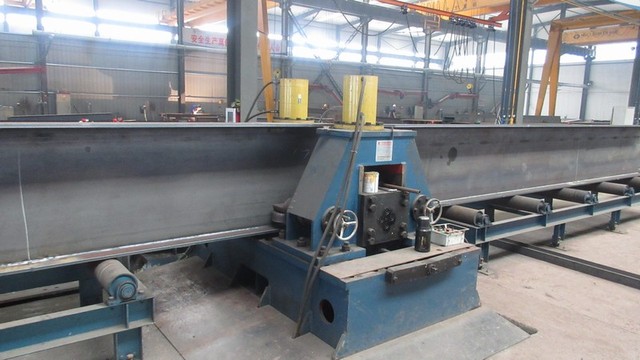
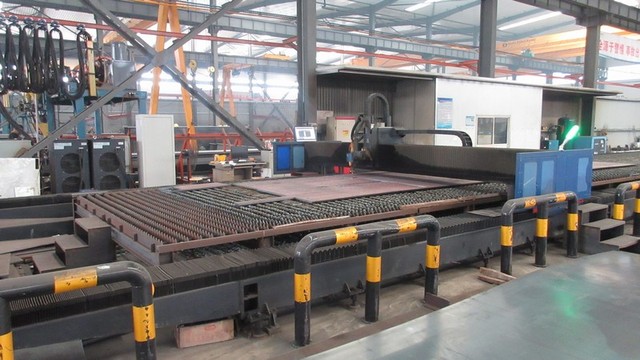
How integrating automated continuous lamination lines delivers dimensional precision and optimized cost structures.
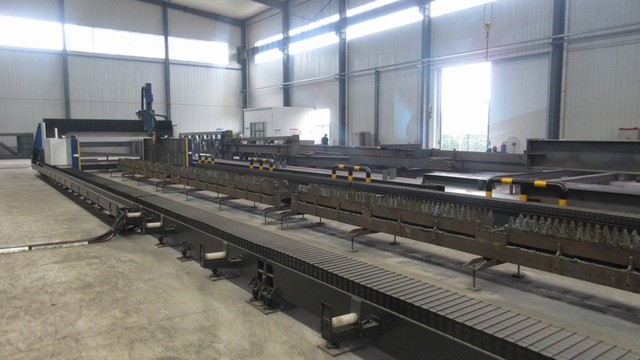
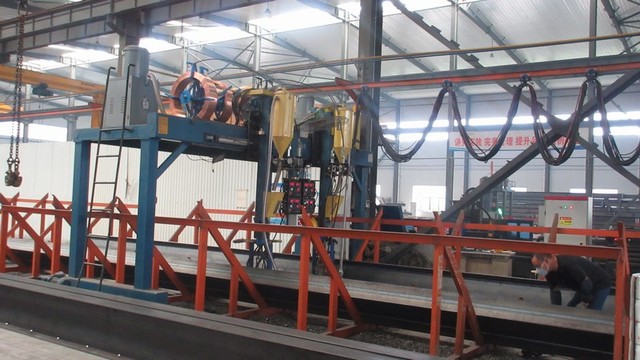
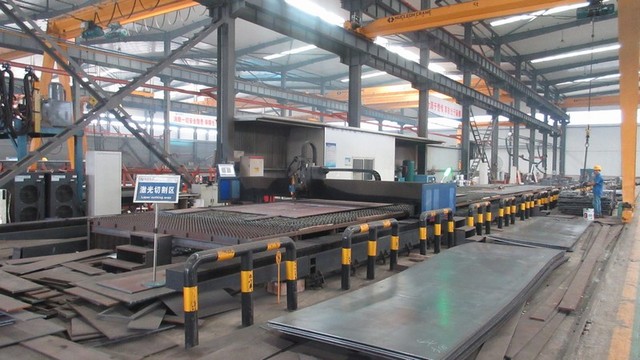
The core bottleneck in architectural panel production has historically been consistency. Manual lamination processes often introduce microscopic air gaps, uneven adhesive distribution, and irregular core compaction, which compromises fire resistance under pressure. Factory 4.0 automation resolves these issues by utilizing integrated sensors and mechanical systems that monitor adhesive viscosity, pressure application, and temperature profiles in real time.
At Jonas Build, our continuous double-belt laminators manage core feeding, metal forming, and polymer adhesion in a single automated process. This setup ensures that panels—whether featuring polyurethane (PU), mineral rockwool, or magnesium oxide (MGO) cores—are produced with uniform density and thickness. Consistent production helps prevent delamination under extreme thermal stress, securing a longer operational lifespan for building envelopes.
Our raw material sourcing adds another layer of resilience. By maintaining strong relationships with major metal coil processors and local chemical suppliers, we minimize supply disruptions. This structured supply chain allows us to maintain consistent quality across large-scale projects, helping our partners meet construction timelines without compromising on material standards.
Tailored structural configurations designed to meet specific regulatory demands in cleanroom, laboratory, industrial, and commercial settings.
Fire-rated panels perform differently depending on the specific application environment. Standard industrial storage yards require thick cladding profiles with robust structural spans, while microelectronics cleanrooms need ultra-smooth surfaces that resist chemical degradation and particle accumulation.
Critical engineering considerations, material differences, and logistics procedures answered by our technical staff.
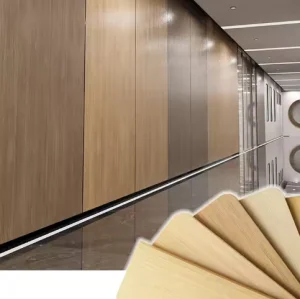
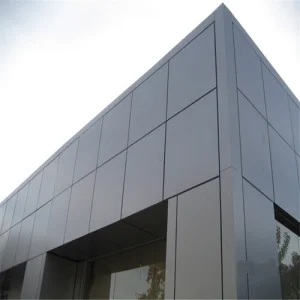
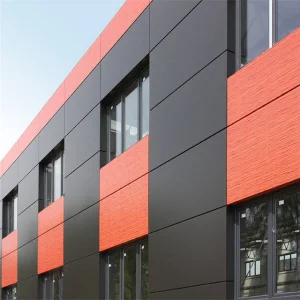
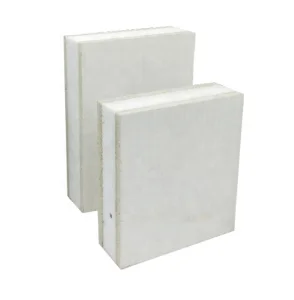
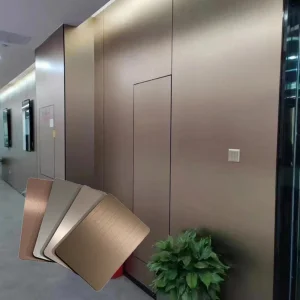
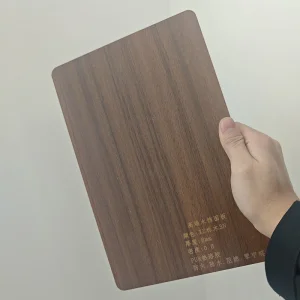
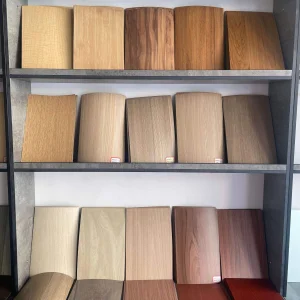
Examine our full selection of aluminum composite systems, architectural wood veneers, and A1-rated insulation boards.
 Jonas Build