In recent years, the construction industry has witnessed a transformative shift towards modular solutions. One notable innovation is the use of prefabricated wall panels. These panels are constructed off-site, enhancing efficiency and reducing waste. According to a report by McKinsey, prefabrication can reduce construction time by up to 50%.
When considering what are the advantages of prefabricated wall panels, we must acknowledge their impact on sustainability. They often utilize recycled materials, contributing to the reduction of the carbon footprint associated with traditional methods. Studies indicate that using prefabricated components can lead to a 40% decrease in construction waste.
Additionally, these panels offer flexibility in design and efficiency in installation. However, challenges remain. For instance, proper handling and transport are crucial to maintain quality, as any damage can compromise structural integrity. Industry professionals must weigh these risks against the many benefits to realize the full potential of prefabricated wall systems. Understanding this balance is vital for future developments in the building sector.
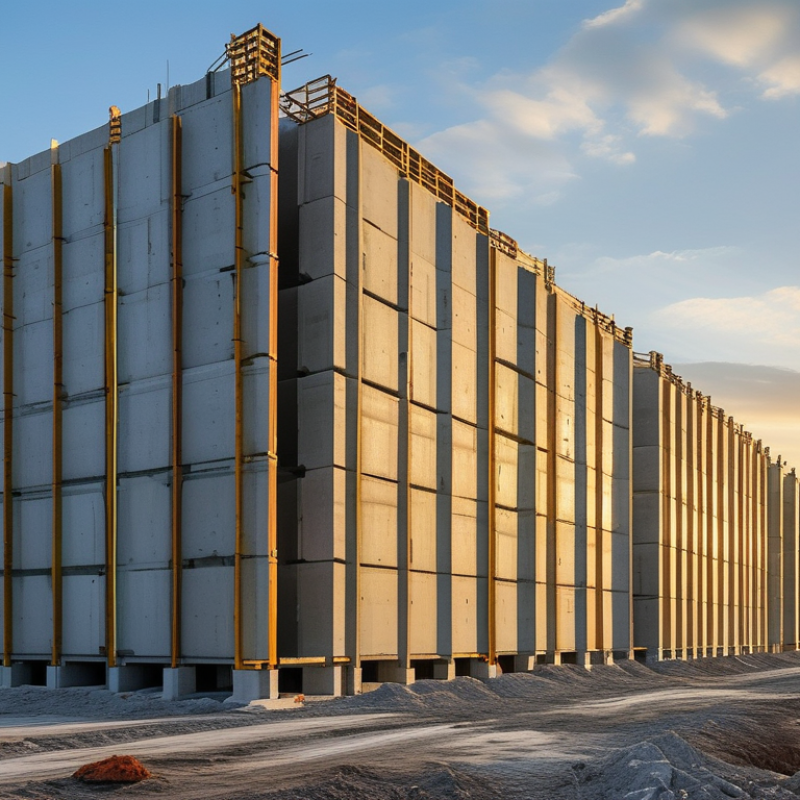
Prefabricated wall panels have gained popularity in modern construction due to their numerous advantages. These panels promote efficiency. According to a recent study by the Global Prefabrication Association, construction time can be reduced by up to 30%. This decrease is mainly due to off-site manufacturing, which allows for simultaneous site preparation and panel production. The integration of digital tools in the prefabrication process enhances accuracy and minimizes waste.
Cost-effectiveness is another significant benefit. Research indicates that projects using prefabricated elements save approximately 15-20% more compared to traditional construction methods. Labor costs are notably reduced as panels can be installed quicker and require less manpower. Prefabricated wall panels also offer improved insulation, leading to lower energy bills post-construction. This improves sustainability and overall building performance.
However, challenges exist. Not all designs suit prefabrication methods. Complex architectural elements may complicate the use of standard panels. Furthermore, logistics for transporting large panels can be problematic, particularly in urban areas. Addressing these issues requires careful planning and collaboration among stakeholders. Despite these hurdles, the broad benefits of prefabricated wall panels continue to make them a compelling choice in the construction industry.
Prefabricated wall panels are gaining popularity in the construction industry. One of the most significant advantages is cost efficiency. By using these panels, builders can save on labor and material costs. Prefabricated panels are manufactured off-site, allowing for faster assembly on-site. This reduces project timelines and minimizes labor expenses.
Additionally, prefabricated wall panels often lead to lower waste levels. Traditional construction methods can generate significant material waste. In contrast, off-site manufacturing allows for more precise cutting and fewer leftover materials. This not only cuts costs but also benefits the environment.
However, some challenges exist. The initial investment in prefabricated panels can be higher than conventional materials. Builders must assess if the long-term savings are worth the upfront costs. Furthermore, transportation logistics can complicate things. Panels need to be shipped carefully to prevent damage, which can add unexpected expenses. Each project requires detailed planning to maximize savings while addressing these potential hurdles.
The use of prefabricated wall panels in construction offers significant time savings. This method allows for quicker installations compared to traditional building techniques. Panels are manufactured off-site, reducing on-site labor time dramatically. Crews can finish projects faster, impacting overall schedules positively.
Each panel arrives pre-cut and ready to install. This means fewer adjustments are needed on-site. Workers can focus on assembly rather than measuring and cutting materials. However, the dependency on precise manufacturing can sometimes backfire. Mistakes in the factory can lead to delays on the construction schedule, which is a point of concern.
Moreover, the installation process reduces the construction timeline. As walls are erected faster, projects can reach completion sooner. This efficiency often leads to lower labor costs. Yet, if the weather disrupts transportation, it can cause setbacks. Reliable logistics systems are essential for maintaining that time-saving advantage. Such aspects of prefabricated panels should always be considered carefully.
Prefabricated wall panels offer significant environmental benefits, reshaping modern construction. These panels are often made from sustainable materials. They minimize waste during production. Traditional building methods generate a lot of scrap. Prefabrication reduces this impact. Less waste means a lower carbon footprint.
Energy efficiency is another advantage. Prefabricated panels can improve insulation. This leads to lower energy bills and reduced greenhouse gas emissions. Homes and buildings stay warmer in winter and cooler in summer. The benefits extend beyond individual buildings to the entire community.
Transportation can also be more sustainable. Prefabricated panels are often produced in factories close to the construction site. This reduces the distance needed to ship materials. However, challenges still exist. Not all panels are recycled effectively after their lifespan. It's crucial to find ways to enhance sustainability throughout the panel's life cycle. Taking a closer look at these aspects can lead to better practices in the future.
The construction industry has seen significant advancements with the introduction of prefabricated wall panels. These panels not only ensure improved quality but also promote consistency throughout the building process. Research from the National Institute of Standards and Technology reveals that prefabrication can lead to a reduction in construction defects by up to 50%. This is largely due to controlled factory environments where panels are manufactured.
One of the vital benefits is the reduction in variability. Traditional construction often relies on variable human skills, which can impact the quality. Prefabrication standardizes production, leading to walls that meet precise specifications. In fact, a survey conducted by McKinsey & Company found that projects using prefabricated elements could save up to 20% on labor costs. Such efficiency helps teams manage timelines more effectively.
However, there are challenges to consider. Integration of prefabricated panels into existing workflows can be complex. Coordination with other trades is crucial. Failure to address these could result in delays or increased costs. Building projects must be planned meticulously to fully leverage the benefits of prefabrication while minimizing potential pitfalls. Embracing these innovations requires a commitment to continuous improvement and quality control.
: They offer cost savings, quicker assembly, and reduced material waste.
They enable faster installations, allowing projects to complete sooner than traditional methods.
Yes, they generate lower waste levels compared to conventional construction, benefiting the environment.
Higher initial costs and transportation logistics can complicate projects and increase expenses.
Panels arrive pre-cut, reducing on-site adjustments and allowing workers to assemble them quickly.
Weather conditions affecting transportation can lead to delays and setbacks in the construction schedule.
Builders should assess long-term savings against the higher upfront costs before making a decision.
Errors can lead to delays, affecting the overall construction schedule, which is a significant concern.
Prefabricated wall panels offer numerous advantages that are transforming the construction industry. One of the primary benefits is cost efficiency; by minimizing material waste and reducing labor costs, builders can achieve substantial savings. Additionally, the installation of these panels significantly cuts down construction time, allowing projects to progress at a faster pace.
Moreover, environmental benefits are notable, as prefabricated wall panels often use sustainable materials and generate less site waste. Lastly, the improved quality and consistency of these panels enhance the overall structural integrity of buildings. In summary, when considering what are the advantages of prefabricated wall panels, it is evident that they contribute to a more efficient, sustainable, and reliable construction process.

Jonas Build