When it comes to industrial buildings, selecting the right insulation is crucial. Understanding "what insulation material is best for industrial buildings" can significantly impact energy efficiency and cost. Renowned insulation expert John Smith states, “The right insulation reduces operational costs while enhancing comfort.” This underscores the importance of making informed choices.
The insulation material you choose should align with the specific needs of your facility. Different materials offer various benefits and drawbacks, affecting factors like thermal performance and fire resistance. For instance, fiberglass is commonly used, but it may not suit every application. Meanwhile, spray foam insulation provides excellent air sealing but can be more expensive.
Many facilities struggle with finding the perfect balance between cost and performance. It’s important to weigh the long-term benefits against initial costs. Be mindful that what works for one industrial building may not work for another. Therefore, careful analysis is vital to ensure the best insulation decisions are made.
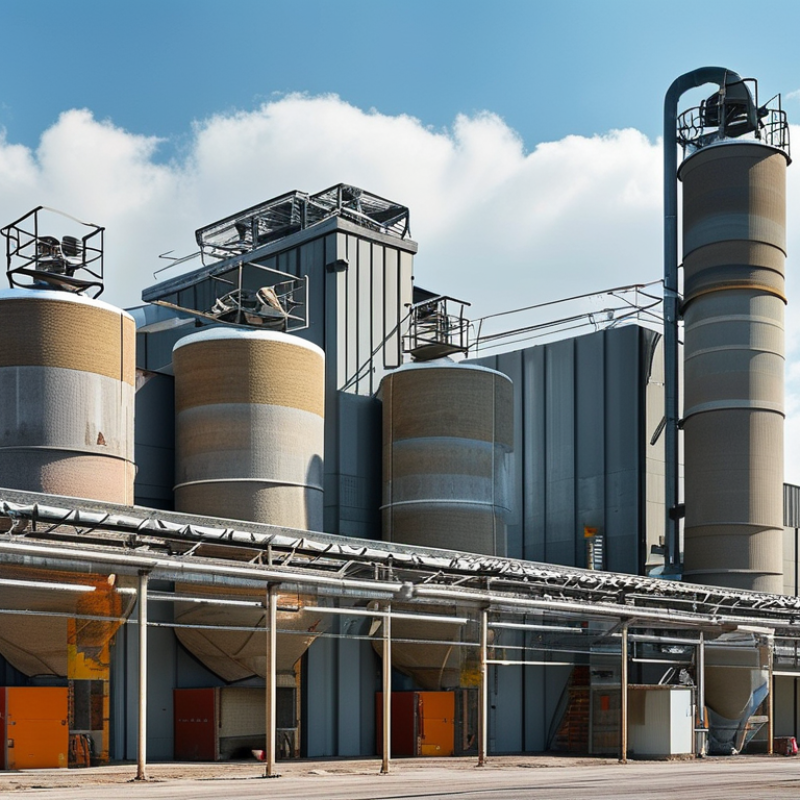
Proper insulation plays a crucial role in industrial buildings. It significantly impacts energy efficiency, which directly affects operational costs. When insulation is insufficient, temperature control becomes a challenge. This can lead to increased energy consumption and higher utility bills.
In addition to energy savings, insulation enhances workplace comfort. Employees working in temperature-stable environments tend to be more productive. Poor insulation, however, causes discomfort and potential health issues. For instance, strong temperature fluctuations can create an unwelcoming atmosphere.
Choosing the right insulation material is not always straightforward. Factors such as climate, building design, and specific industrial activities must be considered. Many companies underestimate the importance of insulation and its long-term benefits. This oversight can lead to costly mistakes. Ensuring proper insulation should be a priority in the planning stages of any industrial project.
Choosing the right insulation for industrial buildings is crucial. Various factors influence this decision. One key aspect is thermal performance. Insulation materials must provide effective thermal resistance, keeping energy costs low. Industries often operate in extreme temperatures, making this a vital consideration.
Another important factor is material durability. Insulation should withstand harsh conditions, including moisture and chemicals. Over time, subpar insulation can degrade. This often leads to increased maintenance costs. Additionally, fire resistance is paramount in many industries. Selecting materials that minimize fire risk protects both assets and personnel.
Cost efficiency also plays a significant role. While some high-performance materials may have a steep upfront cost, they often prove economical in the long run. This is due to reduced energy consumption and lower maintenance needs. However, decision-makers must evaluate the trade-offs carefully. Overemphasis on initial savings might lead to poor long-term outcomes. Balancing all these factors is essential for making informed choices.
| Material Type | R-Value | Cost per Square Foot | Fire Resistance | Durability | Noise Reduction |
|---|---|---|---|---|---|
| Fiberglass | 2.9 - 4.3 | $0.50 | Good | Moderate | Average |
| Foam Board | 3.8 - 6.5 | $1.00 | Excellent | High | Good |
| Mineral Wool | 3.1 - 4.8 | $0.80 | Excellent | Very High | Above Average |
| Spray Foam | 5.0 - 6.5 | $1.50 | Good | High | Excellent |
| Cellulose | 3.1 - 3.8 | $0.65 | Moderate | Moderate | Good |
When it comes to insulation materials for industrial buildings, several options stand out for their effectiveness. Fiberglass insulation is one of the most common. It offers a thermal resistance (R-value) of about 2.9 to 3.8 per inch. This quality significantly contributes to energy efficiency, which is key for large facilities. According to the U.S. Department of Energy, effective insulation can reduce heating and cooling costs by up to 20%.
Another prominent choice is foam board insulation. Rigid board insulation can provide R-values ranging from 3.6 to 6.5 per inch. Its moisture resistance makes it suitable for industrial environments, especially in areas prone to humidity. However, the installation process can be challenging, requiring careful planning to maximize energy savings. Many industrial managers overlook this aspect, which can lead to reduced insulation effectiveness.
Reflective or radiant barrier insulation is also worth considering. Often used in metal buildings, its reflective properties can lower cooling costs significantly. However, it needs to be properly installed, facing an air gap to realize optimal benefits. Some industry reports suggest that improper installation can reduce effectiveness by 50%. This highlights the need for professional installation and consideration of the unique requirements of each building.
Choosing the right insulation material for industrial buildings is critical. Insulation effectiveness is evaluated by key performance metrics. These metrics include thermal resistance, moisture control, and sound attenuation. Each metric plays a vital role in overall facility performance.
Thermal resistance, or R-value, measures how well a material resists heat flow. Higher R-values indicate better insulation. Moisture control prevents condensation, which can lead to mold and structural damage. Effective insulation should manage moisture without compromising thermal performance. Sound attenuation measures the material's ability to block sound transmission, crucial for workplaces in noisy environments.
While these metrics are essential, evaluating insulation can be complex. Sometimes, insulation that performs well in one area may fall short in another. For instance, safety standards may affect choices, leading to difficult trade-offs. Facilities must balance cost and performance to ensure optimal results. Regular reviews can improve insulation efficiency over time, adapting to evolving needs.
Investing in quality insulation for industrial buildings offers numerous long-term benefits. Proper insulation enhances energy efficiency, reducing heating and cooling costs. Many businesses overlook this crucial aspect. They may opt for cheaper materials and compromise on performance. This choice could lead to higher operational expenses over time.
Quality insulation also contributes to a more comfortable work environment. It helps maintain stable indoor temperatures, promoting productivity among employees. However, the initial investment might seem daunting. Businesses need to weigh the upfront costs against potential savings. It's essential to consider the longevity and durability of insulation materials.
Moreover, effective insulation can improve a building's overall sustainability. Reduced energy consumption lowers the carbon footprint. Many companies are now focusing on their environmental impact. This shift can set a business apart from competitors. It’s a chance to reflect on their commitment to sustainability. Every choice made today can shape the future.
: Insulation affects energy efficiency and operational costs. Poor insulation increases energy consumption and utility bills.
Proper insulation maintains temperature stability. This enhances employee comfort and productivity. Poor insulation can cause discomfort and health issues.
Key factors include climate, building design, and specific industrial activities. Thermal performance is crucial for energy savings.
Insulation must resist harsh conditions like moisture and chemicals. Degraded insulation increases maintenance costs over time.
Fire-resistant materials help protect assets and personnel. This is especially important in industries with high fire risks.
While high-performance materials may cost more initially, they save money over time. Balancing upfront costs and long-term savings is vital.
Underestimating insulation can lead to high operational costs. It may result in poor employee comfort and increased energy usage.
Yes, strong temperature fluctuations may create an unwelcoming atmosphere. This can lead to discomfort and potential health issues.
Yes, ensuring proper insulation should be prioritized. It affects both energy efficiency and overall workplace conditions.
No, it can be complex. Many factors influence the choice and overlooking them may lead to costly mistakes.
Choosing the right insulation material is crucial for industrial buildings, as it significantly affects energy efficiency, comfort, and overall operational costs. Factors influencing the choice include thermal performance, moisture resistance, and fire safety, all of which ensure that the building meets required regulatory standards. Common types of insulation materials for industrial use include fiberglass, foam, and mineral wool, each with unique characteristics suitable for varying applications.
To determine what insulation material is best for industrial buildings, performance metrics such as R-value, durability, and life-cycle cost should be evaluated. Investing in quality insulation provides long-term benefits, such as reduced energy expenses and enhanced worker productivity, ultimately leading to increased profitability for businesses. Proper insulation not only protects assets but also contributes to a sustainable and efficient industrial environment.

Jonas Build