When considering industrial construction projects, a crucial factor is the durability of materials. Industrial construction panels are essential components in these projects. They provide structural integrity and insulation, but their longevity is often questioned. According to a recent report by the American Institute of Steel Construction, high-quality panels can last upwards of 50 years under proper conditions, making them a smart investment.
However, evaluating "how durable are industrial construction panels" requires insight from experts. Dr. Emily Carter, a renowned construction materials scientist, emphasizes, “Durability depends on environmental exposure and maintenance practices.” This statement highlights the complexity surrounding panel durability. For example, panels exposed to harsh weather may degrade faster than those in controlled environments.
While advancements in materials science have led to durable options, not all panels perform equally. It's essential to choose panels tailored to specific conditions and applications. This choice can significantly impact the longevity and safety of a project. Ultimately, understanding industrial construction panels' durability entails careful consideration of various factors and making informed decisions based on reliable data.
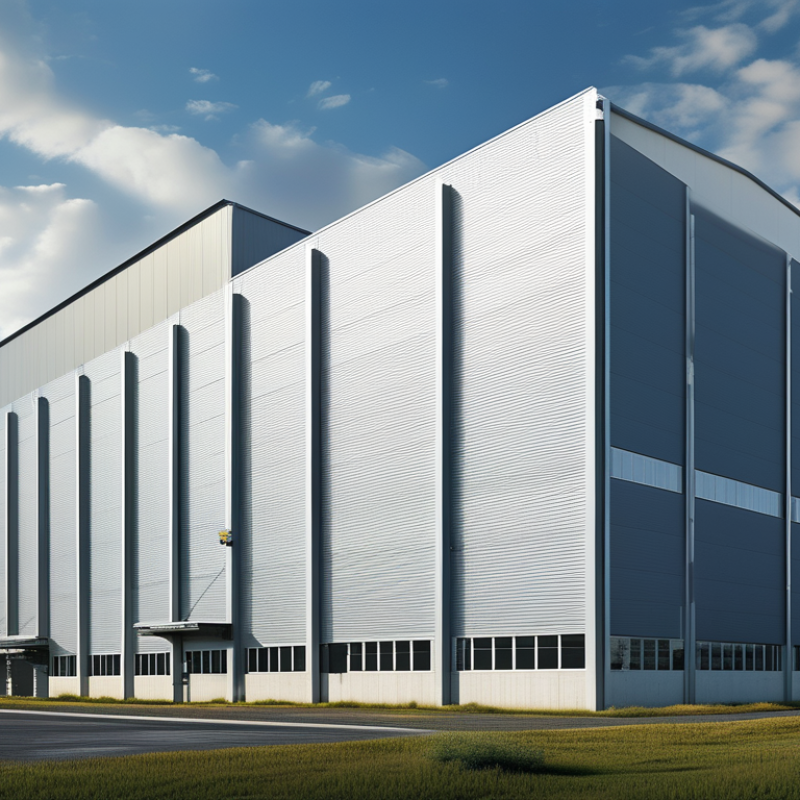
Understanding the Basics of Industrial Construction Panels
Industrial construction panels play a vital role in modern building projects. These panels come in various materials, such as metal, wood, and plastic. Each type has its unique properties, impacting durability and functionality. For instance, metal panels resist corrosion but can dent easily. Wood offers aesthetic appeal but may warp over time. Knowing these basics helps investors choose wisely.
Construction projects often face various environmental challenges. Factors like weather, moisture, and temperature swings can affect panel longevity. A well-designed panel should withstand these conditions with minimal wear. However, not all panels are created equal. Some might fail under stress while others endure years of harsh weather. Testing durability in real-world conditions is essential.
Investing in high-quality panels is crucial. While cheaper options may seem appealing, they often result in higher maintenance costs. It's vital to weigh initial costs against long-term benefits. Even the best panels require occasional checks and maintenance. Engaging with knowledgeable suppliers can guide choices and ensure project success.
Durability of Industrial Construction Panels
Materials and Manufacturing Processes of Industrial Panels
Industrial construction panels play a crucial role in building durable structures. Their strength and longevity come from the materials and manufacturing processes used. Common materials include steel, aluminum, and composite materials. Each has unique properties that contribute to the overall performance of the panels. For instance, steel panels are robust and resistant to physical impacts. However, they can corrode if not adequately treated.
The manufacturing process involves advanced techniques like extrusion and lamination. These methods enhance the panels' structural integrity and thermal efficiency. Extruded panels often have better insulation properties, while laminated panels can provide additional weather resistance. Despite these advantages, challenges exist. Quality control in manufacturing can vary. Some manufacturers may skip essential steps, resulting in inferior products. Thus, careful research on sourcing is vital.
In construction projects, the choice of industrial panels affects overall project durability. Panels should meet specific standards and regulations to ensure reliability. Contractors must engage with reputable suppliers to guarantee quality. Not all panels are created equal. The consequences of selecting low-quality materials can be severe, leading to costly repairs or even structural failures. Evaluating both materials and processes is essential for success.
Evaluating the Durability of Different Types of Industrial Panels
When evaluating the durability of industrial construction panels, various factors come into play. A report by the National Institute of Standards and Technology (NIST) indicates that panels made from steel can withstand harsh environments, making them suitable for demanding applications. In contrast, fiberglass panels are lighter but might not offer the same level of resistance to external pressures.
The lifespan of industrial panels varies significantly by material and use. According to recent industry data, metal panels can last up to 50 years under optimal conditions. However, they require proper maintenance to avoid rust and corrosion. On the other hand, polymer-based panels may only last about 20 to 30 years but are often more flexible and easier to install. This trade-off between longevity and ease of use should be considered during selection.
Additionally, environmental factors can impact panel durability. In areas with high moisture or extreme temperatures, even the best materials can suffer. This makes it essential for project owners to understand their specific conditions. Regular inspections and maintenance can help extend the life of industrial panels. Balancing cost, performance, and longevity is crucial in making the right choice.
How Durable Are Industrial Construction Panels for Your Projects? - Evaluating the Durability of Different Types of Industrial Panels
| Panel Type |
Material |
Durability Rating (1-10) |
Typical Applications |
Installation Difficulty (1-5) |
| Polyurethane Panels |
Polyurethane Foam |
9 |
Cold Storage, Clean Rooms |
3 |
| Steel Sandwich Panels |
Steel + Insulating Core |
8 |
Warehouses, Factories |
4 |
| Fiberglass Reinforced Panels |
Fiberglass |
7 |
Wet Environments, Laundries |
2 |
| Plywood Panels |
Plywood |
6 |
Temporary Structures, Interiors |
2 |
| Concrete Panels |
Concrete |
10 |
Heavy-Duty Structures, Walls |
5 |
Factors Influencing the Lifespan of Construction Panels
When evaluating industrial construction panels, understanding their lifespan is crucial. Several factors determine how long these materials will last. One primary factor is the quality of the materials used. Panels made from high-grade substances tend to endure harsh conditions better. Environmental factors also play a significant role. Extreme temperatures, excessive moisture, and exposure to chemicals can accelerate wear and tear.
Installation practices are essential for longevity as well. Properly sealing and securing panels can prevent moisture ingress. Incorrect installation might lead to structural weaknesses. Regular maintenance cannot be overlooked either. Neglecting routine checks may result in unnoticed damage, shortening the panels' lifespan.
The intended use of the panels is another factor to consider. Heavy-duty applications require stronger materials compared to standard uses. Misjudging the required strength can lead to premature failure. Thus, it’s vital to align panel specifications with project demands. Understanding these elements can lead to more informed decisions in material selection, ultimately impacting project success.
Maintenance Tips for Enhancing Panel Durability in Projects
When it comes to industrial construction panels, durability is a key factor. Regular maintenance can significantly extend their lifespan. Proper care not only saves costs but also ensures safety on site.
One practical tip is to inspect panels regularly for signs of wear and tear. Look for cracks or warping that can signal deeper issues. Keep the surfaces clean to prevent buildup of dirt or harmful substances. Even small particles can lead to long-term damage.
Another useful approach is to manage exposure to harsh environments. If panels are subjected to extreme temperatures or moisture, consider using protective coatings. This can help mitigate the effects of weathering. Remember, neglecting small issues can lead to significant problems later.
Incorporating these simple practices can enhance the durability of industrial panels. It requires diligence but pays off in the long run.
FAQS
: Common materials include steel, aluminum, and composite materials, each offering unique properties.
Advanced techniques like extrusion and lamination enhance strength, insulation, and weather resistance of the panels.
Choosing low-quality materials can lead to costly repairs or even structural failures down the line.
Extreme temperatures, moisture, and exposure to chemicals can accelerate wear and tear on panels.
Correctly sealing panels prevents moisture issues, while poor installation can lead to structural weaknesses.
Regular inspections can catch unnoticed damage, ultimately extending the lifespan of the panels.
Heavy-duty applications require stronger materials; misjudging this can lead to premature failures.
Yes, some manufacturers may skip quality control steps, resulting in inferior panels that may not perform well.
Engaging with reputable suppliers is crucial to ensure quality and compliance with regulations.
Aligning panel specifications with anticipated uses is vital for making informed decisions regarding material selection.
Conclusion
In the context of construction projects, understanding how durable are industrial construction panels is crucial for ensuring structural integrity and longevity. These panels come in various materials and manufacturing processes, each contributing to their overall performance and suitability for specific applications. By evaluating the durability of different types of industrial panels, one can ascertain their effectiveness in meeting project demands.
Several factors influence the lifespan of construction panels, including environmental conditions, installation techniques, and material quality. To enhance panel durability, regular maintenance practices should be implemented, such as inspecting for damage and ensuring proper sealing. By considering these aspects, project managers can make informed decisions that improve the durability and sustainability of their construction endeavors.

 Jonas Build