In the construction industry, ensuring fire safety is paramount. Many professionals ask, "are construction panels fire resistant?" This question highlights a critical concern for both builders and occupants. Selecting the right materials can significantly impact safety during a fire emergency.
Fire-resistant construction panels are designed to withstand high temperatures and prevent flames from spreading. It is essential to consider the material type and installation techniques. Various options are available, each with unique properties and advantages. However, not all construction panels provide adequate fire resistance, which is why careful evaluation is necessary.
Before making decisions, builders must assess certifications and test results of the materials. Some panels may claim fire resistance but lack reliable data. Consulting with experts can aid in making informed choices. Understanding potential weaknesses in panels is also vital. Regularly reviewing safety measures helps maintain compliance with codes and enhances overall fire safety.
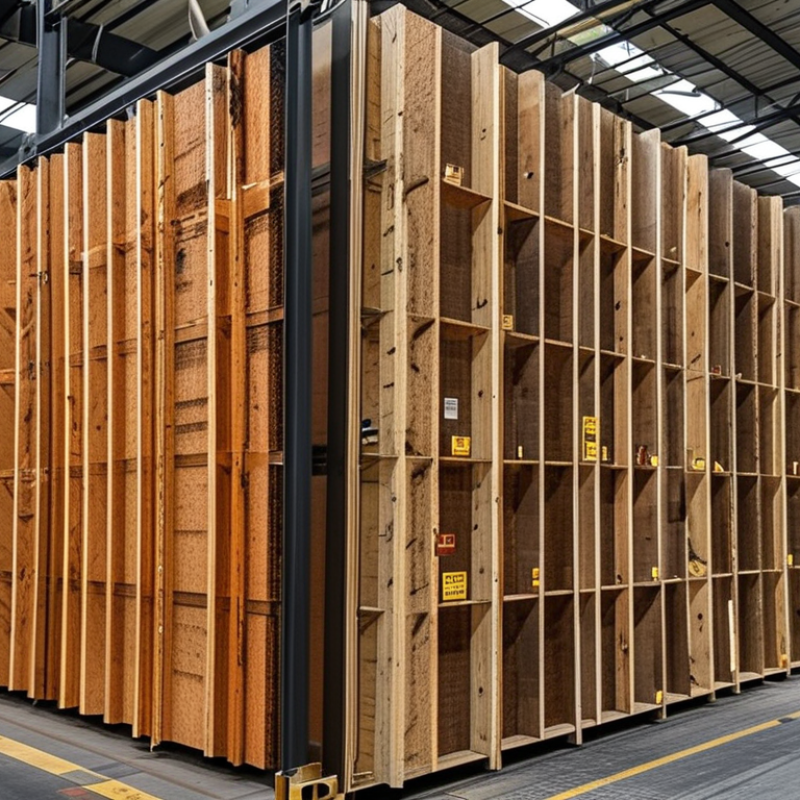
Fire resistance is a crucial element in the construction of panels. Various factors play a significant role in determining the fire resistance of these materials. One primary influence is the type of materials used. According to a report from the National Fire Protection Association (NFPA), fire-resistant materials can reduce property damage significantly. Panels made from mineral-based materials generally offer superior fire performance.
Different thicknesses of construction panels also impact fire resistance. A thicker panel can withstand higher temperatures longer than a thinner one. Research suggests that panels exceeding 1 inch in thickness can provide better insulation against flames. Selecting the right core materials is essential. Systems with fire-rated cores can delay flame spread and heat transfer.
Tips: Always check for certification labels that indicate fire resistance levels. Regularly inspect panels for signs of wear that may compromise their resistance.
Another consideration is the panel's installation process. Proper sealing and fit can prevent the spread of fire between panels. During construction, maintaining industry standards is vital. Reports have found that improperly installed panels can fail in fire tests, leading to catastrophic consequences.
Tips: Consult with fire safety experts during the planning stages. Ensure that all workers understand fire safety protocol thoroughly.
This chart illustrates the various factors that influence the fire resistance of construction panels, including material type, thickness, and treatment methods.
When constructing fire-resistant panels, the choice of materials is crucial. Certain materials inherently possess better fire resistance. For example, mineral wool is often a key component in many fire-resistant panels. It can withstand high temperatures and does not burn easily. Another common option is gypsum board. This material acts as a flame barrier. Its non-combustible nature makes it suitable for various applications.
Fiberglass is also extensively used due to its excellent fire-resistant properties. Panels made from fiberglass reinforced plastic can endure extreme heat. However, ensuring the integrity of the installation is essential. Any gaps or poor sealing can reduce effectiveness significantly. Additionally, consider the density of the material. Higher density panels tend to provide better fire resistance, but they may also increase overall weight.
While these materials are widely recognized, relying solely on them can lead to complacency. Every construction environment is unique, and factors like installation method, local building codes, and environmental conditions can affect performance. Regular testing and adherence to safety standards are necessary. Ensuring that the fire-resistant qualities are not compromised is critical for safety. Thoughtful consideration of panel materials can make a significant difference in fire safety.
Ensuring the fire resistance of construction panels is critical for safety and compliance. To achieve this, understanding testing standards and protocols is essential. The National Institute of Standards and Technology (NIST) highlights that panels must undergo rigorous testing to ascertain their fire-rated properties. Standards like ASTM E119 and UL 263 provide guidelines for assessing the fire endurance of building materials.
These protocols evaluate structural integrity during fire exposure. The tests measure how long a panel can withstand heat before structural failure. For instance, a panel that lasts 1 hour in a fire test meets a 1-hour rating. However, many panels do not perform as expected. A NIST report shows that nearly 40% of tested panels fail to meet the required fire standards.
In addition, manufacturers often struggle with consistent quality control, leading to variability in test results. It's vital for professionals in the industry to recognize these discrepancies. Regular audits and adherence to updated protocols can bridge this gap. Engaging with independent testing labs can also enhance credibility and ensure reliability in fire resistance claims.
When working on construction projects, fire resistance is a non-negotiable aspect, particularly for panels. Proper installation of fire-resistant panels can significantly reduce fire risk. The National Fire Protection Association (NFPA) states that fire-related events cause over $330 billion in damages annually. Such statistics emphasize the need for effective measures.
One critical best practice is ensuring panels meet the appropriate fire rating standards. Manufacturers often provide testing data aligned with ASTM E119 or UL 263. These tests measure how long products can withstand exposure to fire. Rigorous adherence to these standards is vital. Furthermore, employing qualified installers trained in fire-resistant systems is crucial. Inadequate installation can compromise performance, leading to increased hazards.
Regular inspections and maintenance are also essential. An NFPA report highlights that 80% of fire incidents occur due to lack of upkeep. Over time, wear and tear can affect a panel's integrity. Documenting installation procedures and conducting routine checks ensures compliance and reliability. Fire-resistant panels can save lives and protect property when correctly used. Adopting these practices not only enhances safety but can also lead to long-lasting benefits.
| Best Practice | Description | Importance | Recommended Materials |
|---|---|---|---|
| Use Fire-Rated Panels | Select panels that meet fire-resistance ratings based on local codes. | Essential for compliance and safety. | Mineral wool, gypsum board. |
| Ensure Correct Installation | Follow manufacturer guidelines strictly during installation. | Improves effectiveness of fire resistance. | Installation accessories, sealants. |
| Regular Maintenance | Conduct periodic inspections and maintenance to ensure integrity. | Critical for long-term performance. | Routine inspection tools. |
| Use Non-Combustible Materials | Integrate non-combustible materials in the construction process. | Reduces fire risk significantly. | Concrete, steel. |
| Training for Installation Crew | Provide specific training regarding fire-resistant materials. | Ensures proper handling and installation. | Training manuals, safety guidelines. |
In the construction industry, ensuring fire safety is crucial. Building panels must comply with strict fire safety codes and regulations. According to the National Fire Protection Association (NFPA), over 1,300 fires occur in commercial properties annually, resulting in significant damage and loss of life. Understanding these regulations is essential for builders and architects.
Fire safety codes often require construction panels to meet specific standards. For instance, panels must pass ASTM E84 tests for flame spread and smoke development. The International Building Code (IBC) outlines requirements for fire-rated assemblies, emphasizing the need for proper material selection. It is vital that professionals stay updated on these codes, as non-compliance can lead to legal penalties.
While many architectural firms prioritize fire resistance, gaps in knowledge can exist. Some may overlook the importance of third-party testing for materials. This can result in panels that do not perform as expected during a fire. Regular training and investment in research can bridge these gaps. Ultimately, ensuring regulatory compliance not only enhances safety but also builds trust in the construction process.
: Common materials include mineral wool, gypsum board, and fiberglass. These materials provide inherent fire resistance.
Higher density panels offer better fire resistance. However, they also increase overall weight, which can impact installation.
Poor installation can compromise fire resistance. Gaps and inadequate sealing significantly diminish the effectiveness of panels.
Standards like ASTM E119 and UL 263 assess fire endurance. Panels must be rigorously tested to confirm their fire-rated properties.
Reports indicate nearly 40% of panels tested fail to meet fire safety standards. This raises concerns about material reliability.
Inconsistent manufacturing leads to variability in results. Regular audits are necessary to ensure adherence to fire safety standards.
Engaging with independent testing labs is recommended. This enhances credibility and confirms the fire resistance claims of materials.
Yes, environmental conditions can impact how materials perform. This variability must be considered during construction.
Relying solely on known materials may lead to negligence. Regular testing and updates to safety practices are crucial.
Installation methods must align with safety standards. Inadequate techniques can undermine the fire-resistant qualities of panels.
When considering whether construction panels are fire resistant, several key factors come into play. The materials utilized in the manufacturing of these panels greatly influence their fire resistance, with certain materials offering better protection against flames and heat. It is also crucial to adhere to established testing standards and protocols to accurately assess the fire resistance of such panels. Best practices during installation further enhance their performance in a fire scenario, ensuring they fulfill their intended safety function.
Moreover, compliance with regulatory standards and fire safety codes is essential for any construction project. These regulations guide the selection and installation of fire-resistant panels, ensuring that they meet the necessary safety requirements to protect buildings and their occupants from potential fire hazards. By understanding these aspects, builders can confidently determine how construction panels are fire resistant and implement effective strategies for their usage in construction projects.

Jonas Build