Top 10 Factors Impacting Construction Panel Prices Worldwide?

Time:2026-07-04 Author:Mason
0%

Understanding what factors affect construction panel prices is crucial for industry stakeholders. The construction panel market is influenced by numerous elements that can lead to fluctuations in pricing. These factors range from material costs to global economic conditions. Markets respond to changing demands, often leading to unpredictable price shifts.

For instance, raw materials like wood, metal, and composite products play a significant role. When the demand for these materials rises, prices do as well. Economic stability in manufacturing countries also impacts availability and shipping costs. Trade policies can further complicate these dynamics, making it challenging to predict pricing trends.

Additionally, the emergence of new technologies and sustainable practices is shaping the construction landscape. As innovation occurs, traditional pricing models may become obsolete. Understanding these shifts is essential for making informed decisions. Professionals must remain vigilant and adaptive. The complexities of the construction panel market require ongoing analysis and reflection on current practices.
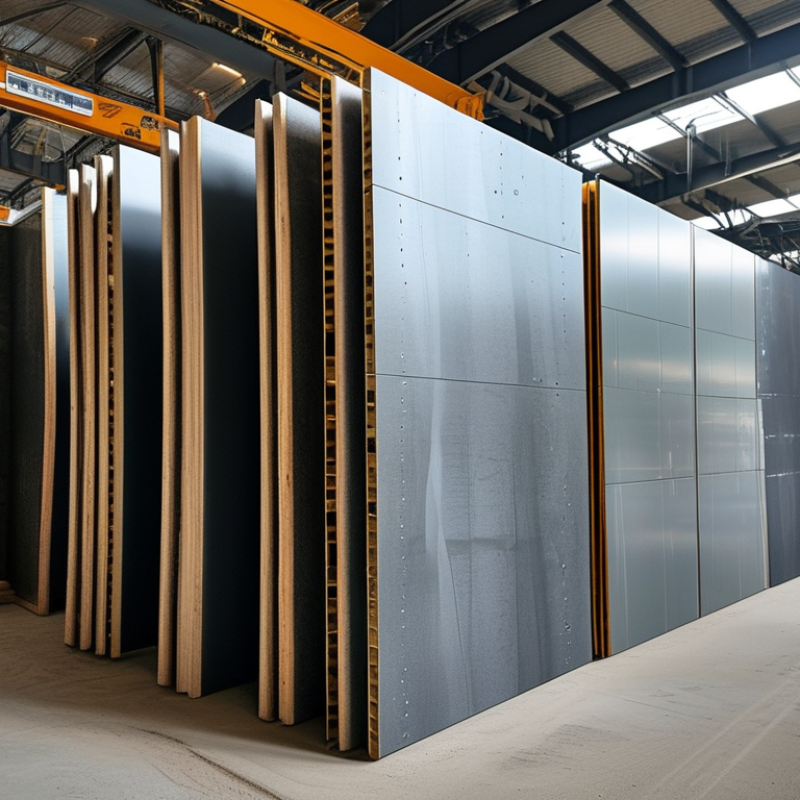
Top 10 Factors Impacting Construction Panel Prices Worldwide?

Global Demand and Supply Dynamics Influencing Construction Panel Prices

Global demand and supply dynamics play a crucial role in shaping construction panel prices. The construction industry is witnessing fluctuations due to changes in building regulations, material availability, and economic conditions. As urbanization accelerates, countries face rising needs for affordable housing. This surge in demand often leads to increased prices.

Supply chain disruptions also impact panel costs. Natural disasters, geopolitical tensions, and trade policies can cause delays and shortages. For instance, a hurricane can halt production in affected areas. These interruptions drive up costs as companies struggle to meet project timelines. Additionally, the availability of raw materials like timber and metal influences prices. When supplies dwindle, construction panels become more expensive.

The market also reflects local economic conditions. In regions experiencing rapid growth, demand for construction panels skyrockets. Conversely, areas with economic downturns see reduced demand. This imbalance creates unpredictable pricing. It's essential to understand these factors and adapt strategies accordingly. Pricing fluctuations make planning challenging for contractors and builders. They must remain agile and responsive to these ever-changing conditions in the global market.

Raw Material Costs: Analyzing the Impact of Steel and Timber Prices

Raw material costs significantly influence construction panel prices worldwide. Steel and timber are primary materials in the industry. Their prices fluctuate based on various factors. For example, steel prices can soar due to increased demand or supply chain disruptions. Such volatility creates challenges for construction firms trying to maintain budgets.

Timber costs have a separate set of challenges. Factors such as deforestation and trade tariffs affect availability. A sudden spike in demand for timber can lead to price hikes. Builders may find it hard to secure materials at stable prices. They often need to adjust project budgets and timelines accordingly.

Thus, industry stakeholders must stay informed about market trends. Analyzing these raw material costs is essential. Making data-driven decisions can help mitigate risks. However, many companies still struggle to adapt. This uncertainty can lead to project delays and over-budget scenarios, proving the importance of strategic planning in construction.

Top 10 Factors Impacting Construction Panel Prices Worldwide

Labor Market Trends: How Workforce Availability Affects Panel Production

Labor market trends play a crucial role in determining the prices of construction panels. The availability of skilled labor directly influences panel production levels. Reports indicate that regions with a tight labor market experience higher wage demands. This scenario often leads to increased production costs, which are then passed on to consumers. According to the Bureau of Labor Statistics, the construction sector will need about 1.2 million new workers by 2026 to meet demand.

In addition, labor shortages affect project timelines. Delayed projects frequently lead to price fluctuations. A report from the Associated General Contractors states that 80% of construction firms face difficulties finding qualified workers. This gap disrupts supply chains and creates a ripple effect in pricing. When workforce availability declines, the cost of construction panels tends to rise, reflecting the increased cost of labor.

Moreover, training programs are essential. They can enhance workforce skills, making labor more available. However, the current training systems often lag behind industry needs. A lack of investment in workforce development can exacerbate price issues. As labor dynamics continue to evolve, industry stakeholders must adapt to new challenges. Addressing these gaps is critical for stabilizing construction panel prices.

Technological Innovations: The Role of Advancements in Manufacturing

Technological innovations are significantly reshaping construction panel prices. Advances in manufacturing processes streamline production. Automation, for instance, can reduce labor costs while improving precision. Enhanced materials technology is also crucial. New composites offer better durability at lower weights.

Tips: Consider how improved manufacturing methods can lead to cost savings. Evaluate whether modern materials might extend the lifespan of panels, reducing long-term expenses.

However, innovation comes with its challenges. Some companies hesitate to adopt new technologies due to initial costs. Integrating cutting-edge tools may require training and infrastructure adjustments. Balancing old processes with new ones often brings uncertainty.

Tips: Assess your current operations to identify areas that may benefit from innovation. Embrace gradual changes rather than a complete overhaul to manage risks effectively. Always stay updated with industry trends to adapt as needed.

Regulatory Changes: Understanding Compliance Costs in Construction Industries

Regulatory changes play a pivotal role in shaping the construction industry. Compliance costs are often significant. New regulations can arise from safety, environmental standards, or labor laws. These rules ensure better practices, but they also impact prices. Construction panels, an essential component, can be affected by these changes.

For instance, when governments introduce stricter safety regulations, manufacturers may face increased costs. They might need to upgrade equipment or use higher-quality materials. Such investments ultimately lead to higher prices for consumers. It's vital for stakeholders to stay informed about these evolving regulations. Ignoring them can lead to non-compliance and costly fines.

The industry's complexity makes it challenging to anticipate how regulations will shift. Each jurisdiction has different rules. Navigating these changes requires expertise and awareness. While regulations aim to promote safety and sustainability, they can also pose challenges. This constant evolution keeps the construction industry on its toes. The balance between compliance and cost remains a delicate issue.

FAQS

: How do raw material costs affect construction panel prices?

: Raw material costs like steel and timber strongly impact construction panel prices. Price fluctuations complicate budget management.

What factors drive the volatility of steel prices?

Steel prices can surge due to increased demand or supply chain issues, creating challenges for construction firms.

How do timber costs impact construction projects?

Timber prices increase due to factors like deforestation and tariffs. Builders often struggle with securing stable prices.

Why is workforce availability important in construction?

The availability of skilled labor directly influences production levels, affecting panel prices and project timelines.

What is the projected need for new workers in the construction sector?

An estimated 1.2 million new workers will be needed by 2026 to meet construction demand.

How do labor shortages influence construction costs?

Labor shortages lead to higher wage demands. Increased costs are subsequently passed on to consumers.

What role do training programs play in labor availability?

Training programs enhance workforce skills. However, the current systems often lag behind actual industry needs.

How do regulatory changes impact construction costs?

New regulations often mean higher compliance costs, which can raise the prices of construction panels.

Why is it important for stakeholders to stay informed about regulations?

Evolving regulations can lead to non-compliance fines. Awareness helps prevent costly mistakes in the construction process.

What challenges arise from the complexity of regulations in construction?

Different jurisdictions have varying rules, making it hard to anticipate changes and navigate compliance effectively.

Conclusion

The construction panel market is influenced by a myriad of factors that play crucial roles in determining pricing trends. Key among these are global demand and supply dynamics, which shape the availability and competitive landscape of construction materials. Additionally, raw material costs, particularly the prices of steel and timber, significantly impact overall production expenses. As demand fluctuates, the costs associated with these resources can either bolster or diminish panel prices.

Labor market trends also contribute to this environment. The availability of skilled workers directly affects production capacities and, consequently, pricing structures. Meanwhile, technological innovations in manufacturing processes can lead to efficiency improvements, potentially lowering costs. Lastly, regulatory changes regarding compliance can introduce additional expenses that further influence panel pricing. Understanding what factors affect construction panel prices is essential for stakeholders aiming to navigate this complex market landscape effectively.

Mason

Mason

Mason is a seasoned marketing professional with a deep expertise in the company's offerings and a passion for driving brand awareness. With a strong background in digital marketing strategies, he has an innate ability to connect with diverse audiences and effectively communicate product benefits.......