10 Industries That Use Insulated Building Panels for Efficiency?

Time:2026-07-24 Author:Oliver
0%

Insulated building panels have gained popularity across various sectors. These panels offer significant energy efficiency advantages and durability. As a result, they play a crucial role in modern construction.

Many industries utilize these materials to enhance their operations. But what industries use insulated building panels? The answers may surprise you. From agriculture to industrial facilities, insulated panels are versatile. They help regulate temperature and minimize energy costs. This efficiency is vital for businesses aiming to reduce overhead.

With a commitment to sustainability, many companies are making the switch. Yet, the initial investment might be a challenge. Some may hesitate, unsure of the long-term benefits. However, the advantages often outweigh the costs. Insulated building panels can be a game-changer. Understanding their impact on various industries is essential.
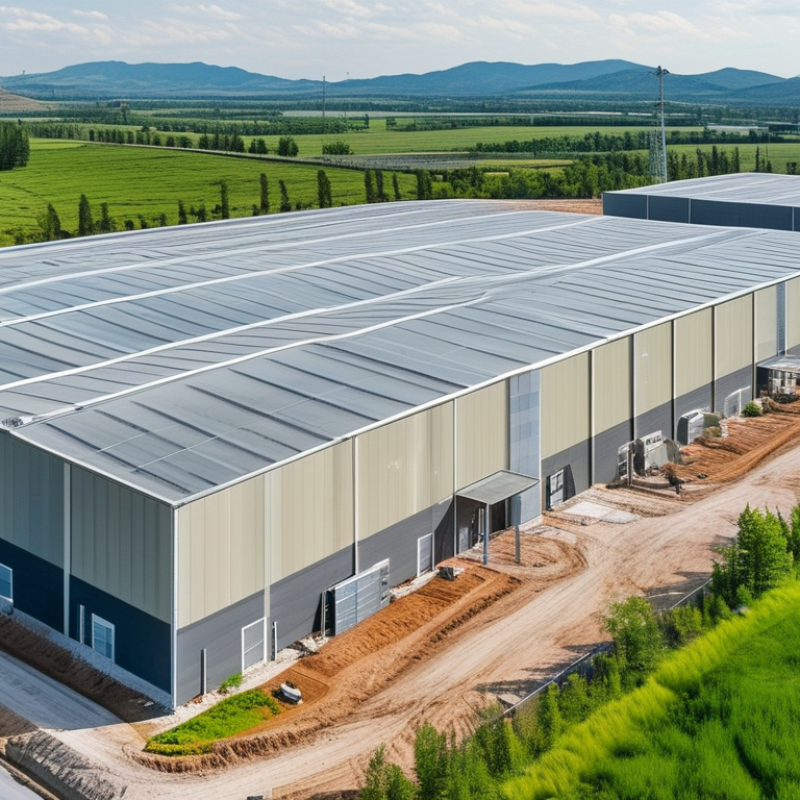
10 Industries That Use Insulated Building Panels for Efficiency?

Industries with High Demand for Insulated Building Panels

Insulated building panels are vital in various industries, particularly those focused on energy efficiency and sustainability. In the construction sector, these panels enhance thermal performance. They reduce energy bills by maintaining consistent indoor temperatures. This advantage benefits both residential and commercial buildings, leading to significant energy savings.

The cold storage industry relies heavily on insulated panels. These structures demand precise temperature control to ensure product quality and safety. Insulated panels help maintain optimal conditions. In the food processing sector, similar needs arise, where temperature management is critical. With increasing regulations, reliable insulation is necessary to meet compliance standards.

Healthcare facilities also benefit from insulated building panels. These spaces require strict climate control for patient comfort and safety. They help prevent mold and bacteria growth, ensuring a hygienic environment. However, there is an ongoing need for improvements in panel durability and installation methods. Addressing these challenges contributes to the overall effectiveness of insulated building panels in meeting industry demands.

10 Industries That Use Insulated Building Panels for Efficiency

Industry Application Benefits Energy Efficiency (%)
Construction Residential and commercial buildings Improved insulation, reduced energy costs 30-40%
Agriculture Storage for crops, livestock housing Temperature stability, reduced heating costs 25-35%
Cold Storage Freezer and refrigerated warehouses Energy-efficient cooling, lower operational costs 40-50%
Retail Storefronts and shopping centers Enhanced customer comfort, energy savings 20-30%
Transportation Railway and bus terminals Noise reduction, climate control 15-25%
Healthcare Hospitals and clinics Improved patient comfort, energy efficiency 20-35%
Education Schools and universities Comfortable learning environments, energy savings 25-30%
Food Processing Processing facilities Temperature control, hygiene standards 30-45%
Manufacturing Production facilities Process efficiency, energy reduction 20-35%
Entertainment Theaters and auditoriums Comfortable environments, energy efficiency 15-25%

Energy Efficiency Benefits of Insulated Building Panels in Construction

Insulated building panels play a crucial role in modern construction. These panels enhance energy efficiency and create a comfortable indoor environment. Built with layers of insulation, they significantly reduce energy consumption for heating and cooling. This ultimately leads to lower utility bills, making them an attractive option for various industries.

Industries like healthcare and retail are increasingly adopting these panels. Hospitals benefit from stable indoor temperatures, which is essential for patient comfort. Retail stores can create inviting spaces while keeping energy costs down. Using insulated panels helps contractors meet sustainability goals and reduces overall environmental impact. However, not all projects may see immediate savings, as initial investments can be significant.

Incorporating insulated building panels requires careful planning. Contractors must consider factors such as building design and climate. Sometimes, projects face challenges like inadequate insulation or poor installation techniques. This can lead to inefficiencies, overshadowing potential benefits. Ongoing training and awareness are necessary to avoid such pitfalls. As the industry evolves, sharing knowledge becomes vital for optimizing these systems.

Energy Efficiency Benefits of Insulated Building Panels in Various Industries

Insulated building panels are increasingly utilized across multiple industries for their energy efficiency benefits. The following chart illustrates the energy savings achieved by different sectors through the use of these panels.

Applications of Insulated Building Panels in the Food and Beverage Industry

Insulated building panels play a crucial role in the food and beverage industry. These panels enhance energy efficiency and temperature control in processing facilities. According to a report from the National Association of Manufacturers, energy-efficient buildings can reduce energy costs by 30%. This is vital for businesses in a sector where maintaining strict temperature controls is essential.

In food processing and storage, insulated panels ensure that products remain fresh. They help to meet safety standards set by health authorities. The Food and Drug Administration (FDA) mandates strict temperature regulations for food storage, making insulated panels indispensable. Any fluctuation can lead to spoilage and significant financial losses.

However, the installation of these panels is not without challenges. It requires careful planning and skilled labor. Incomplete insulation leads to energy losses and may compromise food safety. Regular maintenance is also necessary to ensure their efficiency. Businesses need to weigh the initial investment against long-term savings. The right choice can lead to a more sustainable operation. Balancing these factors is essential for successful implementation.

Impact of Insulated Building Panels on Renewable Energy Facilities

Insulated building panels (IBPs) have revolutionized the construction of renewable energy facilities. These panels enhance energy efficiency by preventing heat loss or gain. This leads to reduced energy consumption during operations. Facilities like solar farms and wind energy plants have embraced this technology. The panels help maintain optimal internal temperatures. This minimizes the strain on heating and cooling systems.

Moreover, IBPs contribute to sustainability goals. They are made from materials that can be recycled or are eco-friendly. Their lightweight design reduces transportation energy costs. Construction projects benefit from faster assembly times, which also lowers labor costs. However, it’s crucial to ensure that the panels are correctly installed. Improper installation can negate their efficiency benefits.

One area for improvement is the longevity of these panels. While they provide excellent insulation, their performance can degrade over time. Regular maintenance checks are essential to ensure they remain effective. Additionally, there is a need for ongoing research into alternative materials. This innovation could further enhance the sustainability and performance of insulated building panels in renewable energy facilities.

Cost Savings Achieved Through Insulated Building Panels in Warehouse Design

Warehouse design has evolved to prioritize efficiency and sustainability. Insulated building panels are key components in this transformation. Studies indicate that these panels can reduce energy costs by as much as 30%. This is largely due to their superior insulation properties. They maintain stable internal temperatures, which lessens the need for extensive heating or cooling systems.


With rising energy prices, warehouses can benefit significantly from insulation. These panels can contribute to faster construction times as well. They are lightweight and easy to install, leading to shorter project schedules. Reports show that construction timelines can be reduced by up to 25% when using insulated panels. This efficiency translates directly into cost savings for businesses.


However, not all insulated panels are created equal. Some materials may underperform, leading to higher long-term costs. It's essential to choose the right type. Businesses should consider conducting thorough research on their options. Understanding the specific energy needs of the warehouse can optimize the benefits gained from insulated panels. Making informed decisions leads to enhanced performance over the building's lifetime.

FAQS

: What are insulated building panels?

: Insulated building panels are structures used in construction, enhancing energy efficiency and thermal performance.

How do insulated panels benefit warehouses?

They reduce energy costs by up to 30% and stabilize internal temperatures, lowering heating and cooling needs.

What is a key demand for insulated panels in the food processing industry?

Temperature control is critical to ensure product quality and safety, making reliable insulation necessary.

How do insulated panels impact renewable energy facilities?

They prevent heat loss or gain, reducing energy consumption and minimizing strain on heating and cooling systems.

What are the challenges with insulated building panels?

Challenges include durability concerns and the need for proper installation to maximize efficiency.

Why is ongoing research important for insulated panels?

Research can lead to alternative materials, enhancing sustainability and long-term performance in various applications.

What should businesses consider when choosing insulated panels?

They need to understand the specific energy needs of their buildings and conduct thorough research on options.

How can proper installation affect insulated panels?

Improper installation can negate their benefits, making it crucial to ensure correct application during construction.

What are some environmental benefits of insulated building panels?

Many panels are made from recyclable or eco-friendly materials, contributing to sustainability goals in construction.

What maintenance is needed for insulated panels?

Regular checks are essential to ensure panels remain effective over time and maintain their insulation properties.

Conclusion

Insulated building panels are increasingly recognized for their efficiency benefits across various sectors. Specifically, industries such as food and beverage, renewable energy, and warehousing demonstrate high demand for these panels due to their superior energy efficiency. These panels contribute to a sustainable construction approach by significantly reducing energy consumption and operational costs.

In the food and beverage industry, insulated building panels ensure optimal temperature control, which is crucial for product preservation and safety. Similarly, renewable energy facilities benefit from their ability to minimize energy loss, enhancing overall efficiency. Additionally, the use of insulated building panels in warehouse design leads to substantial cost savings by improving thermal performance and reducing heating and cooling expenses. Therefore, understanding what industries use insulated building panels is essential for recognizing their vital role in promoting energy-efficient construction.

Oliver

Oliver

Oliver is a seasoned marketing professional with a wealth of expertise in driving brand awareness and engagement. With a deep understanding of our company's product offerings, he consistently delivers high-quality content that enriches our professional blog. His insights not only shed light on......