When planning a new building project, energy efficiency is a key consideration. Many construction professionals ask, "are insulated panels energy efficient?" Understanding this is crucial for making informed decisions. Insulated panels help reduce energy consumption by providing excellent thermal performance. They keep indoor environments comfortable and minimize heating and cooling costs.
However, not all insulated panels perform the same. Some may not meet the expected energy standards. It's essential to evaluate their R-value and insulation type. Choosing the wrong option can result in increased energy bills. Additionally, installation quality can impact overall efficiency. A poorly installed panel can compromise its insulating properties.
Evaluating the long-term benefits against the initial costs is vital. While insulated panels may have a higher upfront cost, they can offer substantial savings over time. Exploring local building codes and performance ratings can aid in selection. Thus, determining whether insulated panels are truly energy efficient is more complex than it seems.
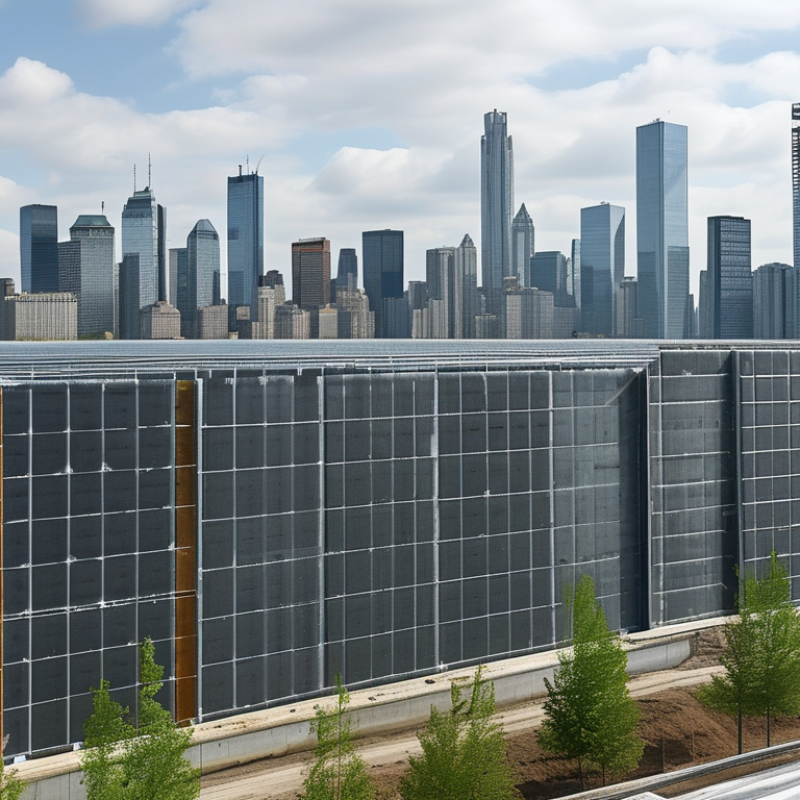
Insulated panels are essential in modern construction. They consist of two outer layers and an insulating core. This design creates a barrier against heat transfer. The materials used can vary, affecting energy efficiency. Some panels are made from polyurethanes, while others use polystyrene. Each type has its benefits and drawbacks.
When selecting insulated panels, consider their R-value. This value measures thermal resistance. Higher R-values mean better insulation. However, not every project needs the highest R-value. Budget constraints might influence your choice. Environmental conditions also play a crucial role. For example, panels suitable for cold climates might not perform well in hot areas.
It's important to reflect on installation challenges. Proper installation is vital for optimal performance. Gaps or improper sealing can reduce efficiency. DIY enthusiasts might underestimate this aspect. Consulting with professionals can save time and resources. Consider the long-term benefits of quality panels versus initial costs.
Energy efficiency in insulated panels is a crucial aspect of modern construction. It influences not only operational costs but also environmental impact. The industry standard for measuring energy efficiency includes R-values, which quantify thermal resistance. Higher R-values indicate better insulation, reducing energy loss. According to the U.S. Department of Energy, proper insulation can lead to energy savings of 10-50% in heating and cooling costs.
Another significant metric is the U-factor, which measures heat transfer through a building component. A lower U-factor indicates better insulation performance. Reports suggest that insulated panels typically have U-factors ranging from 0.1 to 0.5, depending on the materials used. This places them among the most effective solutions for maintaining energy efficiency in commercial buildings. However, achieving optimal efficiency requires careful consideration of installation and building design.
Despite the advantages, challenges remain. Not all insulated panels perform equally under various environmental conditions. Some may not meet energy efficiency standards over time due to degradation. It’s essential to regularly assess panel performance to ensure they contribute to energy savings long-term. Awareness of these factors is necessary for making informed decisions on insulation options in construction projects.
| Panel Type | R-Value (per inch) | Thermal Conductivity (k-value) | Typical Use | Estimated Lifespan (years) |
|---|---|---|---|---|
| Polyurethane | 6.0 - 7.0 | 0.15 - 0.20 | Refrigerated warehouses, cold storage | 30+ |
| Polystyrene (EPS) | 3.6 - 4.0 | 0.25 - 0.30 | Wall panels, roofs, foundations | 20+ |
| Mineral Wool | 3.0 - 4.0 | 0.35 | Fire-rated walls, acoustic panels | 40+ |
| Structural Insulated Panels (SIPs) | 4.0 - 5.0 | 0.20 - 0.25 | Residential and commercial buildings | 50+ |
Insulated panels are becoming a popular choice in construction. These panels provide energy efficiency and comfort in buildings. Their core design often includes materials like polyurethane or polystyrene, effectively reducing heat transfer. This property makes them excellent in both hot and cold climates.
Using insulated panels can significantly lower energy costs. They help maintain a stable indoor temperature, reducing reliance on heating and cooling systems. The ease of installation also leads to faster project timelines. That said, not every project might benefit from their usage. There can be challenges in sourcing high-quality panels or fitting them into unique architectural designs. It’s crucial to assess the specific needs of a project before choosing insulated panels.
Building codes and practices vary widely. It’s important to understand local regulations. Engaging with knowledgeable professionals can provide insights into the practical applications of insulated panels. This expertise can guide important decisions, ensuring that the choice leads to optimal energy efficiency and long-term benefits.
When considering insulated panels for your next project, several factors influence their energy efficiency. The thickness of the panel plays a crucial role. Thicker panels often provide better insulation. However, they may increase material costs. It’s essential to balance budget constraints with desired energy savings.
The type of insulation material also impacts efficiency. Some materials outperform others in thermal resistance. For example, polyurethane generally has a higher R-value compared to polystyrene. Yet, factors like local climate can affect performance. In colder regions, superior insulation may yield significant energy savings.
Installation quality matters as well. Proper sealing and adherence are vital for preventing air leaks. Poorly installed panels can diminish energy efficiency. Regular inspections after installation can help identify potential issues. Small gaps may not seem significant, but they can lead to increased energy consumption over time.
Insulated panels are gaining attention in construction for their energy efficiency. They offer a significant advantage over traditional materials. These panels can reduce energy costs by minimizing heat transfer. Proper installation ensures maximum performance.
In contrast, traditional materials like brick and concrete may require insulation, which adds to their overall cost and complexity. While they possess durability, their energy performance often lags behind insulated panels. Homeowners seeking to cut down on utility bills might find insulated panels appealing. They're lighter and easier to handle, saving on labor.
However, it's essential to consider potential drawbacks. The initial investment in insulated panels can be higher than traditional materials, which can make budgeting tricky for some projects. Additionally, the production of these panels may have environmental impacts to reflect on. Crafting a balance between cost and sustainability is crucial. Choosing the right material requires careful evaluation of both benefits and challenges.
: Energy efficiency refers to the effectiveness of insulated panels in reducing energy loss.
It is measured using R-values and U-factors. Higher R-values indicate better insulation.
U-factor measures heat transfer. A lower U-factor suggests superior insulation performance.
Not all panels perform equally over time. Degradation can affect long-term energy savings.
Thicker panels typically provide better insulation, but they might also increase material costs.
Polyurethane generally offers higher R-values than polystyrene. Local climate also influences efficiency.
Proper installation prevents air leaks. Poorly installed panels can lower energy efficiency significantly.
Insulated panels minimize heat transfer and reduce energy costs compared to traditional materials.
Yes, the initial investment can be higher. Budgeting becomes tricky for some projects.
The production of insulated panels may have environmental effects. Balance cost and sustainability is crucial.
Insulated panels are increasingly recognized for their energy efficiency in construction projects. These panels are designed to provide thermal insulation by incorporating materials that reduce heat transfer. Energy efficiency is measured in terms of thermal resistance, which is influenced by the type of insulation, panel composition, and design. One of the key advantages of using insulated panels is their ability to lower energy consumption for heating and cooling, contributing to sustainability and cost savings.
A comparative analysis reveals that insulated panels often outperform traditional building materials in terms of energy efficiency. Factors such as proper installation and environmental conditions can also affect their performance. Ultimately, to answer the question "are insulated panels energy efficient," it is clear that their unique properties and advantages make them a strong choice for energy-conscious construction projects.

Jonas Build