Reducing energy costs in industrial buildings is a critical concern for many organizations today. With rising energy prices and increasing environmental awareness, businesses must seek effective strategies. Understanding how to reduce energy costs in industrial buildings is essential for maintaining profitability while promoting sustainability.
Energy efficiency is not just about cutting costs; it also reflects a company's commitment to responsible practices. Some industries struggle with outdated systems that waste resources. Identifying these inefficiencies can lead to significant savings. For example, installing energy-efficient lighting can lower electricity bills dramatically. However, many companies overlook the importance of regular maintenance. Equipment that is not properly serviced may consume more energy.
While there are numerous solutions available, not all approaches will suit every facility. It requires careful evaluation of unique operational needs and potential hurdles. What works for one industry may not translate to another. Turning theoretical knowledge into practice often reveals hidden challenges. Businesses must engage with experts to tailor strategies. Every organization can benefit from a customized plan that prioritizes practical, achievable steps.
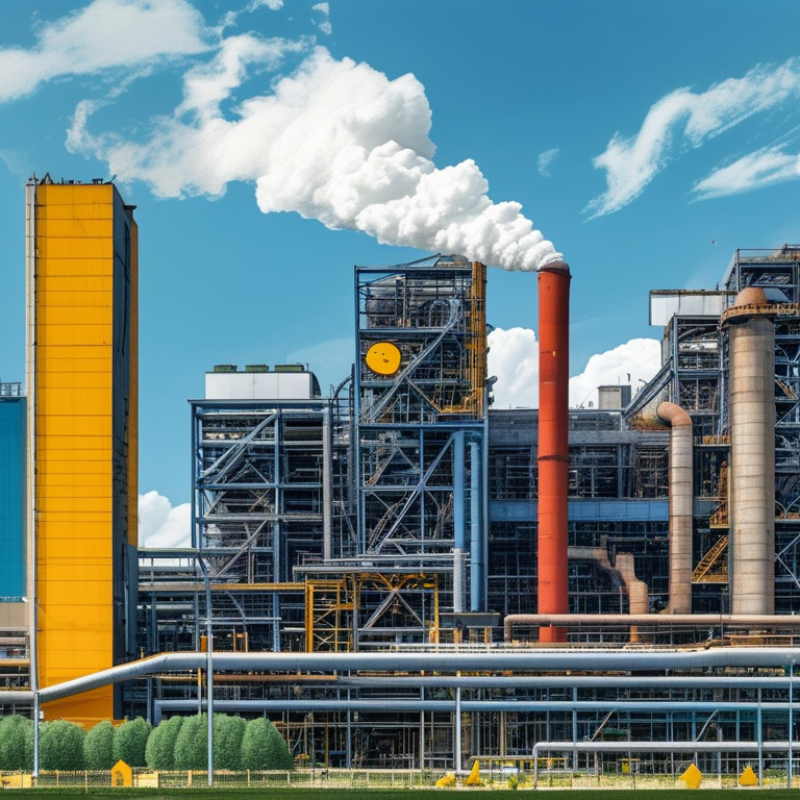
Conducting energy audits in industrial buildings is essential for efficiency. A well-executed audit identifies areas for cost savings. Energy consumption patterns reveal inefficiencies. Assessing these patterns requires specific knowledge and experience. Engage qualified professionals to ensure a thorough evaluation. They can pinpoint high-use equipment and outdated technology.
Data collection is a vital part of the auditing process. Install meters to track usage over time. Benchmark current performance against industry standards. Sometimes, employees may not report anomalies. They may overlook areas needing improvement. Regular communication with staff fosters a culture of efficiency. Involve them in the audit process.
Review findings and prioritize recommendations. Some fixes may be easy, like switching to LED lighting. Others, like retrofitting HVAC systems, require more investment. Understand that not all changes yield immediate results. Ongoing assessment is crucial. Revisit energy audits regularly to adapt to new technologies and changes in operations. Ultimately, awareness and vigilance lead to sustained energy savings.
In industrial buildings, energy-efficient lighting solutions can lead to significant cost reductions. According to the U.S. Department of Energy, efficient lighting can reduce energy use by 30-50%. This shift not only minimizes energy expenses but also enhances the overall work environment.
Replacing traditional lighting with LED options is a common strategy. LEDs have a longer lifespan, reducing the need for frequent replacements. A report by the International Energy Agency indicates that switching to LED lighting can save facilities up to $1,800 per year for every 100 fixtures. However, the initial investment may deter some companies, as upfront costs can be high.
Additionally, sensor-based systems that adjust lighting based on occupancy can further optimize energy savings. Studies show that these systems can cut energy use by 30% or more. Yet, the technical complexity and maintenance of sensors require careful consideration. Some facilities may struggle with proper installation or adjustment, leading to missed savings opportunities. Implementing energy-efficient lighting requires strategic planning and a willingness to adapt.
This chart illustrates the energy consumption in kilowatt-hours (kWh) per month for an industrial building before and after the implementation of energy-efficient lighting solutions. The data highlights the significant reduction in energy costs achieved through these improvements.
Maximizing HVAC system performance is crucial for reducing energy costs in industrial buildings. An efficient HVAC system not only enhances comfort but also minimizes waste. Regular maintenance is essential. Filters should be checked monthly and replaced as needed to ensure optimal airflow. Dirty filters restrict airflow, causing the system to work harder and consume more energy.
Investing in smart thermostats can also improve energy efficiency. These devices adapt to occupancy patterns. They can reduce heating or cooling when spaces are unoccupied. This targeted approach lowers energy consumption without sacrificing comfort. However, it requires a thoughtful implementation plan and staff training.
Moreover, regular energy audits can uncover hidden inefficiencies. An audit examines insulation quality, ductwork, and system performance. Identifying air leaks or insulation gaps is vital. By addressing these issues, building managers can significantly enhance HVAC performance. Tracking the impact of changes over time can reinforce the need for ongoing assessments and adjustments.
Incorporating renewable energy sources in industrial facilities can lead to significant energy cost reductions. Solar panels, wind turbines, and geothermal systems offer viable solutions. These technologies harness natural resources, lowering reliance on traditional energy sources. However, the initial investment for these systems can be daunting. Facilities must weigh short-term costs against long-term savings.
Adopting renewable energy also requires careful planning. Not every building is suited for solar or wind power. Site assessments are crucial. They identify the best energy source based on location and environmental conditions. Industrial buildings often face space constraints, making solar panel installation a challenge. Installing energy storage solutions can further elevate efficiency but adds complexity to the planning process.
While many facility managers have embraced renewables, some still hesitate. Lack of information and fear of the unknown can stall implementation. Regular audits and consultations with energy experts can help bridge this gap. These steps pave the way for a more sustainable future while still focusing on efficient energy use. However, the transition is not without its hurdles, and each facility must navigate its unique landscape.
Smart building technologies offer substantial potential for reducing energy costs in industrial buildings. The integration of advanced sensors and automated control systems can lead to energy savings of 20-30%. According to a report by McKinsey, buildings account for nearly 40% of global energy consumption. This statistic highlights the urgent need for effective energy management strategies in this sector.
Implementing smart technologies such as IoT sensors allows for real-time monitoring. For example, lighting and HVAC systems can be adjusted based on occupancy levels. This adaptability can prevent unnecessary energy use. However, many facilities still rely on outdated systems, missing out on the full benefits of automation. A case study showed that facilities with smart technologies experienced a 25% drop in energy usage over two years.
Despite the advantages, challenges remain. Initial setup costs and integration with existing infrastructure can be barriers. Moreover, staff training is critical for maximizing technology benefits. Many organizations underestimate this need, leading to underutilization of smart systems. In light of these considerations, sustainable energy management requires both technology and prudent implementation strategies.
C system performance important in industrial buildings?
Filters should be checked monthly. Regular checks ensure optimal airflow and system efficiency.
Smart thermostats can adapt to occupancy patterns. They help reduce energy use when spaces are unoccupied.
An energy audit examines insulation quality, ductwork, and system performance. It identifies inefficiencies like air leaks or insulation gaps.
Initial costs can be daunting. Site assessments are also crucial to determine suitability for solar or wind power.
Smart building technologies can lead to energy savings of 20-30%. They enable real-time monitoring and system adjustments.
Initial setup costs and integration issues can hinder adoption. Staff training may be underestimated, leading to misuse.
Tracking changes over time reinforces the need for adjustments. Regular assessments highlight ongoing inefficiencies in energy use.
Yes, fear of the unknown and lack of information can stall implementation. Regular audits can help address these concerns.
Energy storage can enhance efficiency but complicates planning. It’s essential for balancing energy supply and demand.
In the quest to understand how to reduce energy costs in industrial buildings, several key strategies can be effectively implemented. Conducting thorough energy audits is the first step, allowing facilities to identify inefficiencies and prioritize energy-saving opportunities. Following this, integrating energy-efficient lighting solutions can significantly lower electricity consumption while enhancing workplace productivity.
Maximizing HVAC system performance is crucial for maintaining a comfortable environment without excessive energy use. Furthermore, incorporating renewable energy sources presents a sustainable option that can help offset traditional energy costs. Lastly, utilizing smart building technologies allows for real-time monitoring and management of energy consumption, leading to further reductions in expenses. By employing these comprehensive strategies, industrial buildings can achieve significant energy cost savings while promoting sustainability.

Jonas Build