For global buyers, a wall panel is more than a finish. It affects installation time, maintenance, indoor comfort, and the long-term cost of a project. The Global Alliance for Buildings and Construction’s Global Status Report 2024/25 attributes about 32% of global energy demand and 34% of energy- and process-related carbon dioxide emissions to buildings and construction. Those figures do not mean a panel alone can make a building sustainable. They do show why material choices deserve careful review.
So, how to select the right wall panel system? Start with the conditions on site: humidity, temperature changes, cleaning routines, fire-performance requirements, and the skills of the installation team. Then compare verified test data, product warranties, replacement availability, and the full delivered cost—not just the price per square meter. A panel that performs well in a dry showroom may behave differently in a busy coastal hotel. Details matter.
Global sourcing adds another layer. Specifications, test methods, lead times, and technical support can vary between suppliers and markets. Ask for current documentation and check that it applies to the exact panel system being quoted. This sounds obvious, but it is often missed. No single panel suits every project, and even strong data cannot replace a site-specific review. The practical goal is a system that fits the building, the installer, and the people who will maintain it.
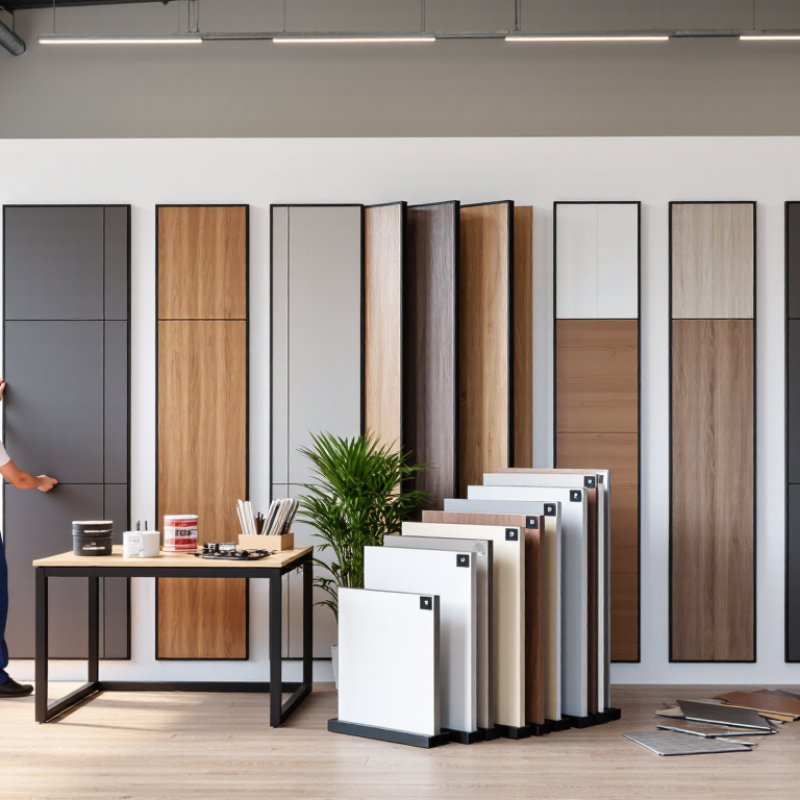
A wall panel system is more than a decorative surface. It includes the panel, its support structure, joints, fixings, and sometimes insulation. These parts work together. A small sample may look convincing, yet perform differently across a full wall. Details matter.
Common types include solid panels, hollow panels, and sandwich panels with an insulating core between outer layers. Solid panels can feel sturdy and resist everyday knocks, but may add weight. Hollow panels are lighter and often quicker to handle, though their edges and fixing points need careful attention. Sandwich panels can improve thermal or acoustic performance, but results depend on core material, thickness, and joint design. Some systems suit interior partitions; others are made for exterior exposure. Check the intended use, moisture conditions, fire performance, and installation requirements. A tidy product sheet does not answer every site question.
Tips: Ask for system details, not just a panel sample. Confirm panel dimensions, joint profiles, compatible fixings, and substrate requirements. For a busy corridor, inspect an installed corner and door opening; weak edge protection can show up there first. Compare test documents with the project specification. And leave room for judgment: real walls are rarely perfectly flat.
A wall panel system that works in one market may disappoint in another. Project requirements begin with the building, not the catalogue. A coastal hotel, for example, may need moisture-resistant surfaces, while a busy clinic may prioritize cleanability and impact resistance. Details matter.
Local conditions also shape the specification. Check indoor humidity, temperature swings, expected foot traffic, and available installation skills. A panel with strong laboratory performance can still cause delays if local crews lack compatible tools or the substrate is uneven. Confirm fire, acoustic, and indoor-air requirements with the local design team; these depend on building use and location.
Dimensions and logistics deserve equal attention. Verify panel sizes against room layouts, door openings, and elevator capacity. Request samples showing edges, joints, and color under site lighting. A small mock-up can reveal a mismatch before a large order. Packaging should protect corners during transit, and replacement panels should be easy to identify later. Buyers sometimes specify more performance than a project needs, increasing cost and lead time. It is worth asking why. Compare tested data, installation effort, maintenance needs, and supply reliability against the actual brief, then note any assumptions that still need checking.
Thermal conductivity is one factor to consider when matching wall panels to project requirements across different markets.
Indicative typical conductivity values in W/(m·K); lower values indicate better insulation per unit thickness. Actual product performance varies, so check manufacturer data and local building requirements.
A wall panel that looks convincing in a showroom may behave differently on a damp site or uneven wall. Material choice should match the room, climate, and maintenance plan. PVC panels resist moisture and wipe clean, making them practical for bathrooms and utility areas. Wood panels add warmth, but humidity can cause movement unless the product is properly finished and installed. Fiber cement and metal options can offer greater impact resistance, though they may require heavier framing or careful edge treatment.
Performance depends on more than the panel itself. Check the full assembly: core, surface finish, joints, fixings, and any required backing. A panel’s fire, acoustic, or moisture ratings should be verified for the exact product and installation method. Small details matter. A narrow, poorly sealed joint can let water reach the substrate, while a rigid panel may show bumps on an unprepared wall.
Installation needs also vary across markets. Confirm panel dimensions, weight, and fixing methods before arranging transport or labor. Some systems use simple clips; others need measured cuts, compatible adhesives, and experienced installers. I have seen buyers focus on sample color and overlook access for corner trims or replacement panels. That is easy to miss. Allow time to review site conditions with the installer, since drawings rarely show every uneven corner.
A wall panel can look perfect in a showroom and still create problems on site. Global buyers should check which fire, acoustic, moisture, or emissions standards apply to the intended project and destination. Ask for current test reports, not just a general claim of compliance. Confirm that the report covers the panel’s actual core, thickness, and finish. Small differences matter.
Logistics deserve the same attention. Compare panel dimensions with container limits, and ask how edges are protected against impact and moisture during transit. A packing list should match the labels on each bundle. Clarify who handles export documents, loading photos, and damage claims before production begins. Details matter. A delayed document can hold up a shipment even when the panels are ready.
Supplier capability is more than factory size. Ask how production batches are checked, how defects are recorded, and who answers technical questions after delivery. Request a sample with the specified finish and joint detail; a small sample cannot reveal every installation issue, though it can expose obvious mismatches. One uncomfortable point: buyers sometimes approve a supplier before defining acceptance criteria. That choice can make later discussions harder. Check lead times against past orders where possible, and leave room for honest uncertainty in the schedule.
For global buyers, wall panel selection should begin with the building’s full service life, not the purchase price. In project reviews, I have seen a cheap panel become expensive after repeated repairs, damaged edges, and specialist labor. A reliable comparison includes material cost, shipping, installation time, cleaning, replacement, and disposal. Do not hide the numbers.
Maintenance details often reveal the real difference. Ask how panels respond to moisture, impact, stains, temperature changes, and daily cleaning agents. In a busy corridor, a washable surface may reduce repainting and room closures. In a humid warehouse, poor joints can trap water behind the finish. Request documented test results, installation guidance, and a clear warranty. Local installers should confirm whether replacement panels and compatible fasteners remain available. Small omissions become expensive.
Environmental impact requires more than recycled content claims. Buyers should examine product weight, transport distance, manufacturing energy, expected lifespan, repairability, and end-of-life options. A durable panel can reduce waste, but only when it is maintained rather than replaced after minor damage. Environmental product declarations and supply records can improve confidence, although documents may not cover every site condition. I still question optimistic estimates. Weather, labor skills, and cleaning habits change outcomes. A practical decision compares verified data with the building’s real operating pattern, while recording assumptions for later review.
| Wall Panel System | Typical Initial-Cost Drivers | Maintenance and Repair | Moisture and Wear Considerations | End-of-Life and Environmental Considerations | Long-Term Cost Check for Buyers |
|---|---|---|---|---|---|
| Gypsum board panels | Board type and thickness, framing, joint finishing, surface finish, labor, and any fire- or moisture-related assembly requirements. | Surface damage can often be patched and refinished. Joints and painted surfaces may need repair after impact or building movement. | Standard gypsum board can be damaged by prolonged wetting. Moisture-resistant products are intended for specified applications but are not a substitute for waterproofing. | Clean gypsum scrap may be recyclable where suitable collection and processing facilities exist. Recycling options depend on local markets and contamination. | Compare the complete installed assembly, including finishing, protection in wet areas, repairs, and local disposal or recycling arrangements. |
| Fiber-cement panels | Panel thickness and finish, framing capacity, cutting and fixing requirements, joint details, and installation labor. | Usually requires limited routine care; damaged panels may need localized replacement. Cutting and installation should follow product safety instructions. | Often selected for areas exposed to moisture, but performance depends on the specific product, joints, substrate, and installation details. | Contains mineral and cement-based components. Reuse or recycling routes are less widely available than those for some common metals; verify local facilities. | Include support framing, installation time, edge and joint detailing, replacement access, and end-of-life handling in the comparison. |
| Metal panels | Metal type and thickness, coating, profile, backing or insulation, fabrication, fasteners, and corrosion-control details. | Routine cleaning and inspection are typical. Scratched coatings, damaged seams, or corroded areas may need repair to protect the panel system. | Performance depends on the metal, finish, exposure conditions, and detailing. Dissimilar metals and trapped moisture can contribute to corrosion problems. | Steel and aluminum are widely recyclable materials, although actual recovery depends on separation, coatings, local collection, and recycling infrastructure. | Compare coating durability, corrosion exposure, fixing and joint design, replacement access, and the value or availability of local metal recycling. |
| Wood or engineered-wood panels | Species or panel grade, veneer or surface finish, fire-treatment requirements, substrate, installation method, and finish quality. | May need cleaning, refinishing, or repair of scratches and dents. Maintenance needs vary with the finish and the room’s use. | Wood-based panels can swell or deform if exposed to moisture; suitable grades, sealed edges, and appropriate interior conditions matter. | Wood is a biogenic material. Environmental performance depends on forest sourcing, adhesives, coatings, service life, and whether panels can be reused or recovered. | Check sourcing documentation, finish-renewal needs, moisture protection, panel replacement options, and the adhesive or coating specifications. |
| PVC panels | Panel formulation and thickness, surface finish, trims, fixing system, substrate preparation, and installation labor. | Generally cleaned with suitable non-abrasive methods. Deep scratches or damaged sections may be difficult to refinish and may require replacement. | Panels are not readily damaged by water, but joints, edges, and the supporting wall still need appropriate detailing and moisture management. | PVC is technically recyclable, but collection and recycling availability vary by region and product composition. Additives and mixed materials can complicate recovery. | Assess replacement availability, fire and indoor-air requirements, cleaning compatibility, and realistic local take-back or recycling options. |
How to use this comparison: These are general material-level considerations, not guaranteed performance ratings or universal cost rankings. Installed cost, service life, maintenance, and environmental impact vary with product specification, building use, local labor and energy prices, climate, and installation quality. For project-specific comparisons, request consistent system boundaries and product-specific Environmental Product Declarations (EPDs), and verify applicable building-code, fire, moisture, and indoor-air requirements in the destination market.
It includes panels, support structures, joints, fixings, and sometimes insulation. Details matter.
Solid panels are sturdy but heavier. Hollow panels are lighter, yet edges need careful support. Sandwich panels add an insulating core.
Match the panel to weight limits, handling needs, insulation goals, and the installation location. A small sample cannot show full-wall behavior.
Moisture-resistant panels with wipe-clean surfaces suit bathrooms and utility areas. Seal joints carefully. Water can reach the substrate through a narrow gap.
Yes, humidity may cause movement. Proper finishing, stable indoor conditions, and correct installation can reduce this risk.
Check fire, acoustic, moisture, and impact ratings for the exact assembly. The core, surface, joints, fixings, and backing all affect results.
Confirm dimensions, panel weight, joint profiles, fixings, adhesives, and substrate requirements. Also check transport access and corner trim space.
Inspect corners, door openings, and busy corridors. These areas often reveal poor edge protection or inaccurate cuts. I might overlook them without a site review.
Not always. Rigid panels may show bumps on an unprepared surface. Real walls are rarely perfectly flat.
Choosing the right wall panel system begins with understanding the available types and matching them to the needs of each project and market. Climate, building use, design goals, local expectations, and installation conditions can all influence the decision. Comparing materials and performance—including durability, insulation, fire resistance, weight, and ease of installation—helps buyers balance practical requirements with project timelines.
Global buyers should also review applicable standards, shipping and handling needs, and a supplier’s ability to provide consistent quality and technical support. Looking beyond the initial purchase price is equally important: maintenance, service life, and environmental impact affect the total value over time. A structured approach to how to select the right wall panel system can help project teams make informed choices that suit local conditions, control long-term costs, and support reliable building performance.

Jonas Build