Understanding what are the common applications of sandwich panels requires more than listing buildings. Their value depends on thermal performance, hygiene, installation speed, fire classification, and lifecycle demands. Sandwich panels typically combine metal skins with mineral wool, polyurethane, or polyisocyanurate cores. This structure creates a lightweight building envelope with continuous insulation and fewer site operations.
The International Energy Agency reports that buildings consume about 30% of global final energy. They also produce roughly 26% of energy-related emissions. These figures explain why insulated panels appear in warehouses, factories, cold-storage rooms, food-processing facilities, and commercial roofs. In cold-chain construction, tightly sealed joints help protect products from temperature changes. In cleanrooms, smooth coated surfaces support easier maintenance. Data centers also use insulated wall and ceiling systems, as electricity demand from data centers could exceed 1,000 terawatt-hours globally by 2026, according to the IEA’s Electricity 2024 report.
The details matter. Architect Carl Elefante, FAIA, offers a useful sustainability principle: “The greenest building is the one that is already built.” His observation supports using sandwich panels for refurbishment, facade upgrades, modular extensions, and energy-saving roof replacements. However, this approach is not perfect. Poor joint design can create condensation, air leakage, or thermal bridges. Panel selection must therefore consider local climate, fire safety, structural loads, acoustic needs, and end-of-life recovery. This guide examines the strongest applications, while questioning where sandwich panels genuinely outperform conventional construction.
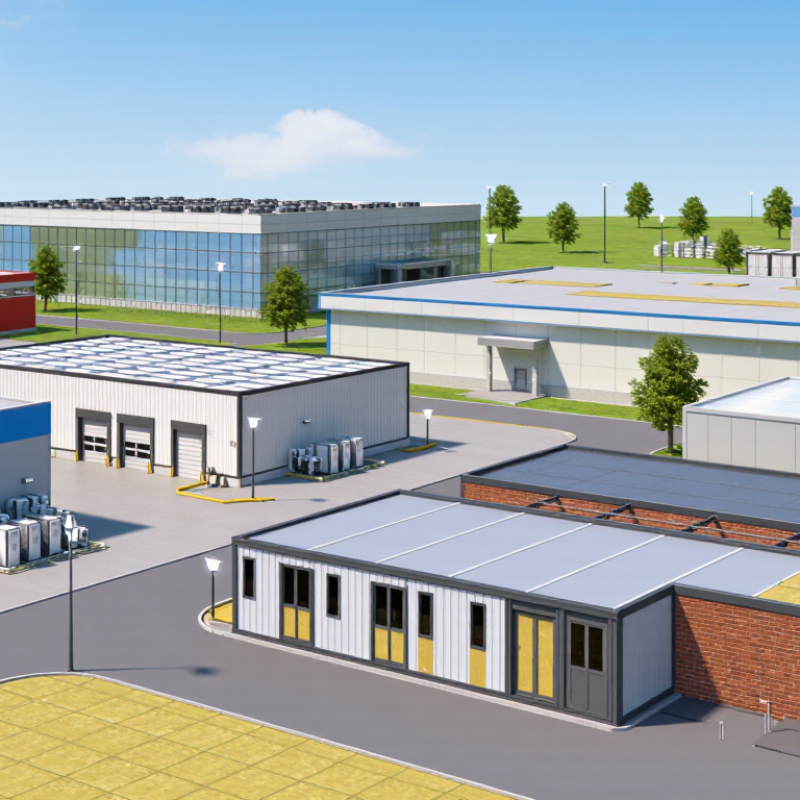
Sandwich panels are widely used for industrial walls, roofs, cold stores, workshops, and logistics facilities. Their core and metal skins create a lightweight envelope with continuous insulation. This reduces site labor and shortens installation time. It also limits thermal bridging when joints are properly designed.
The 2024 Global Status Report for Buildings and Construction, published by UNEP and GlobalABC, states that buildings used 32% of global energy in 2022. They also produced 34% of global energy-related carbon dioxide emissions. Industrial envelopes cannot solve this alone. However, tighter joints and suitable insulation can reduce heating and cooling demand. In practice, installers must check panel alignment, fastener placement, and damaged edges. Small gaps matter.
Cold storage depends on stable temperatures and controlled moisture. Manufacturing buildings need daylight, ventilation, and durable internal surfaces.
Roof panels must resist wind uplift, rain, and repeated maintenance access. Fire performance requires careful core selection and tested assemblies.
A panel rating should never be treated as a complete building strategy.
The International Energy Agency reports that improved building efficiency remains essential for reaching global climate targets. That finding supports better envelope design, but real projects are less perfect. Poor detailing can weaken excellent materials. Condensation risks may also appear around penetrations and unsealed joints. Experienced teams therefore combine manufacturer data, local codes, thermal calculations, and on-site inspections.
What Are the Top Applications of Sandwich Panels?
Sandwich panels are widely used in commercial and retail facilities because they combine insulation, speed, and clean appearance. A typical panel uses two metal skins around a rigid insulation core. This structure supports walls, roofs, cold rooms, partitions, and service areas. In a retail store, panels can create a bright sales floor while protecting stockrooms from heat and moisture. In practice, installation quality matters as much as the panel itself. Poorly sealed joints can weaken thermal performance.
The International Energy Agency reports that building operations represented about 30% of global final energy consumption in 2022. The same report links buildings to roughly 26% of global energy-related emissions. Better insulated retail envelopes can reduce heating and cooling loads, especially across large stores with high ceiling areas. The UNEP Global Status Report for Buildings and Construction also states that buildings and construction caused approximately 37% of global energy and process-related emissions in 2022. These figures make insulated panels relevant beyond appearance.
Commercial kitchens, distribution areas, supermarkets, and temporary retail units often use sandwich panels for different reasons. Hygienic surfaces simplify cleaning. Fire-resistant cores can support safer compartment design, when correctly specified. However, panels are not a complete solution. Retailers still need ventilation, shading, airtight detailing, and suitable drainage. That part is sometimes overlooked. Engineers should check local fire, structural, acoustic, and thermal requirements before selecting the core material. The best panel is the one that fits the building’s real operating conditions, not merely the lowest quoted price.
Sandwich panels are widely used in cold storage and controlled-temperature rooms. Their insulated core helps reduce heat transfer through walls, ceilings, and doors. This supports stable conditions for chilled foods, frozen products, medicines, and laboratory materials.
In practical installations, panel thickness must match the target temperature and room size. Poorly sealed joints can create cold bridges, condensation, and unnecessary energy loss. Installers should check cam-lock connections, corner details, door seals, and floor transitions carefully. Small gaps matter. Smooth, washable surfaces also support sanitation routines. They reduce places where moisture and dirt can collect.
Temperature control requires more than insulated panels. Sensors should be positioned away from doors, cooling outlets, and direct sunlight. Regular data logging can reveal short temperature spikes that manual checks may miss. A qualified designer should also consider loading frequency, humidity, airflow, and cleaning procedures. These factors influence real performance.
No panel system is perfect. A thick panel may improve insulation but reduce usable space. A tightly sealed room may also need suitable ventilation and moisture management. Practical inspections often uncover damage around hinges, thresholds, and service openings. Maintenance teams should repair these points early and record each intervention. Controlled rooms work best when construction quality, equipment selection, monitoring, and daily staff habits support one another.
Sandwich panels are widely used in modular and prefabricated structures because they combine insulation, enclosure, and structural efficiency. Their factory-made layers reduce installation time and keep site work more predictable. In modular housing, panels form external walls, roofs, and interior partitions. They also suit temporary offices, classrooms, clinics, and workforce accommodation. A completed room can arrive on site with much of its envelope prepared.
In a controlled factory, workers can cut panels accurately and protect them from rain. This improves consistency between modules. Panels are then lifted into position using simple handling plans and suitable equipment. Correct joint alignment matters. A poorly sealed connection may cause drafts, moisture, or condensation. Small errors become expensive later. Installers should follow approved drawings, sealant requirements, fixing patterns, and local building codes. Independent fire and thermal testing also supports reliable project decisions.
The best panel choice depends on climate, occupancy, fire requirements, and transport limits. Mineral-based cores can support demanding fire strategies, while other cores may offer lower weight or different insulation performance. Designers must check the full wall assembly, not only the panel rating. In cold regions, thermal bridges around fasteners and corners deserve close attention. In humid areas, drainage and vapor control become equally important. These systems are efficient, but they are not magic. I have seen projects lose time because factory speed was valued more than careful detailing. Good planning includes inspection points, replacement access, and realistic tolerances.
What Are the Top Applications of Sandwich Panels?
Sandwich panels provide lightweight strength where transport systems need lower weight and reliable insulation. They are used in refrigerated truck bodies, rail interiors, airport service vehicles, and marine cabins. A rigid core sits between protective outer skins, creating a stiff structure without excessive mass. This can reduce energy use during operation and simplify installation. In refrigerated transport, continuous panels help maintain stable temperatures around stored goods. Small gaps near doors can still undermine performance.
Infrastructure projects use sandwich panels for modular utility buildings, tunnel service rooms, bridge inspection shelters, and noise-control enclosures. Their factory-made surfaces allow quick assembly beside busy roads or rail lines. Panels can also protect equipment from rain, dust, and temperature changes. However, they are not a universal fix. Designers must check fire behavior, moisture movement, impact resistance, acoustic needs, and connection details. A weak joint may fail before the panel does. That detail is often underestimated.
Tips: Match the core material to the operating environment. Measure thermal bridges around fasteners, frames, and doors. Ask for tested performance data, not only brochure values. Inspect panel edges after cutting, because exposed cores can absorb moisture. Leave access for repairs. I have seen projects prioritize fast installation, then struggle with damaged seals and difficult maintenance. A careful site review can prevent that mistake.
Representative panel thicknesses commonly specified for thermal, structural, acoustic, or fire-performance requirements.
Refrigerated vehicles and cold-storage facilities generally require thicker insulation, while rail interiors and transport cabins often prioritize low weight, fire resistance, and acoustic control. Actual dimensions vary with climate, loading, span, core material, and applicable standards.
They are used for industrial walls, roofs, cold stores, workshops, and logistics buildings. Their insulated core sits between protective metal skins. Installation is usually quick. Small gaps still matter.
Continuous insulation can reduce heating and cooling demand. Properly sealed joints also limit thermal bridging. However, panels cannot fix poor ventilation or weak building design. The details decide much.
They help maintain stable temperatures around stored goods. Their smooth surfaces can support easier cleaning. Installers must control moisture near doors, joints, and penetrations. Condensation remains a risk.
Common uses include retail stores, supermarkets, commercial kitchens, and distribution areas. They create insulated walls, roofs, partitions, and service rooms. Clean surfaces protect stockrooms from heat and moisture. Drainage is sometimes overlooked.
They should review thermal, structural, acoustic, fire, and hygiene requirements. Ventilation and shading also affect indoor comfort. The lowest price may not suit demanding operating conditions. That mistake happens.
They are used in refrigerated truck bodies, rail interiors, airport service vehicles, and marine cabins. Their low weight supports easier assembly and lower operating loads. Insulated panels help protect stored goods during transport. Door gaps can weaken performance quickly.
They suit modular utility buildings, tunnel service rooms, inspection shelters, and noise-control enclosures. Factory-made surfaces allow quick assembly near roads or railways. They can protect equipment from rain, dust, and temperature changes. Connections still need careful checking.
They should check alignment, fastener placement, seals, edges, and penetrations. Damaged edges may expose the core to moisture. Thermal bridges often appear around frames, doors, and fasteners. Inspect the work twice.
Sandwich panels are widely used because they combine structural efficiency, thermal insulation, and rapid installation in a single building component. In industrial building envelopes, they help create durable walls and roofs for factories, warehouses, and workshops while supporting energy control and weather protection. Commercial and retail facilities also use them for attractive, lightweight partitions, façades, and roofing systems that can be installed with minimal disruption. In cold storage areas and controlled-temperature rooms, their insulated cores help maintain stable internal conditions and improve operational efficiency.
What are the common applications of sandwich panels beyond these buildings? They are frequently incorporated into modular and prefabricated structures, including temporary offices, site facilities, housing units, and service buildings, where speed and flexibility are essential. Specialized versions may also be used in transport-related facilities, acoustic barriers, infrastructure buildings, and other environments requiring lightweight construction, insulation, or fast assembly. Their performance can be adapted through different core materials, surface finishes, and panel thicknesses to meet project-specific requirements.

Jonas Build