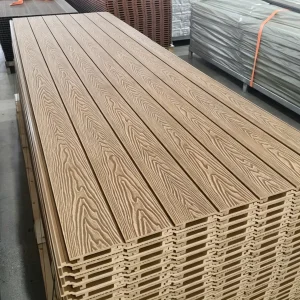
Analyzing critical vectors in regulatory mandates, thermal physics, and carbon metrics shaping the industrial envelopes of tomorrow.
Decarbonizing industrial architecture requires focus on embodied carbon. Contemporary projects analyze cladding lifecycle impacts from cradle to grave. Modern composite solutions utilize bio-based binders and highly recyclable substrates to reduce architectural carbon footprints without compromising physical integrity or performance.
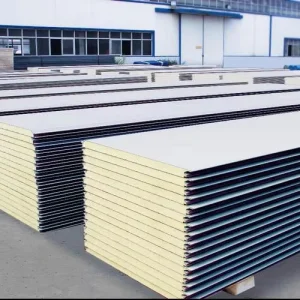
As cooling and heating loads rise due to climate variability, building envelopes require lower thermal transmittance values (U-values). High-density polyurethane (PIR) and mineral wool sandwich configurations minimize thermal bridging, achieving strict thermal boundary efficiency and lowering building operational energy requirements.
Accelerating onsite timelines demands shifts toward prefabricated modular building elements. Integrated cladding designs feature pre-engineered joints, integrated conduit routing, and interlocking interfaces. This layout simplifies logistics, minimizes structural alignment errors, and delivers reliable weather tightness right out of the box.
For international tier-1 EPC contractors and developers, procurement begins with compliance. The CE marking acts as a gatekeeper for structural products, verifying compliance with European safety, health, and environmental standards under EU Regulation 305/2011.
Key standards like EN 14509 regulate self-supporting double-skin metal face insulating panels, defining exact requirements for structural mechanical performance, wind-load shear strength, and thermal conductivity. Thermal insulation systems must also meet fire ratings under EN 13501-1, where materials achieve classification up to A1 (non-combustible) using rock wool cores, or B-s1, d0 using modified polyisocyanurate (PIR) technologies.
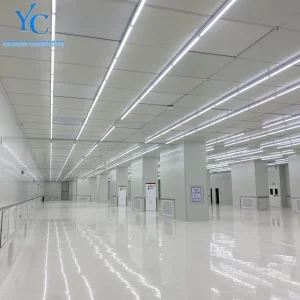
For chemical and food processing plants, cleanroom performance under ISO standards requires cladding systems that resist chemical cleansers, minimize electrostatic charge, and keep VOC emissions low. Jonas Build systems align with these requirements to support global plant configurations.
Ningbo Jonas Build Co., Ltd.: Integrated Structural Solutions Engineered for Global Scale
Ningbo Jonas Build Co., Ltd. is a professional China industrial construction panel manufacturer specializing in insulated building panel solutions for global industrial and commercial construction projects. With extensive industry experience and advanced manufacturing capabilities, the company is committed to delivering high-quality, energy-efficient, and customized panel systems that meet the diverse requirements of customers worldwide.
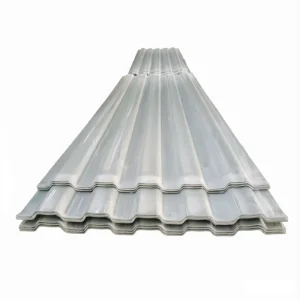
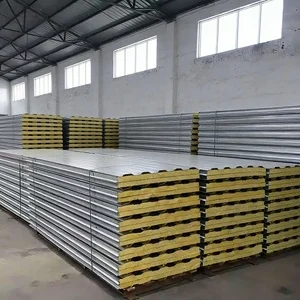
The company provides a comprehensive range of products, including insulated sandwich panels, industrial wall panels, roofing panels, cold room panels, cleanroom panels, fire-rated panels, and customized building envelope solutions. Designed for superior thermal performance, structural reliability, and rapid installation, these products are widely used in industrial plants, warehouses, logistics centers, cold storage facilities, commercial buildings, modular construction projects, and infrastructure developments.
Ningbo Jonas Build Co., Ltd. operates modern production facilities equipped with advanced automated manufacturing lines, precision processing equipment, and strict quality inspection systems. Supported by a skilled team of engineers and technical specialists, the company offers one-stop services covering project consultation, product design, manufacturing, quality assurance, packaging, and international logistics coordination.
Innovation, quality, and sustainability are the core values driving the company's development. By utilizing advanced production technologies and premium raw materials, Jonas Build continuously enhances product performance in thermal insulation, fire resistance, weather protection, and energy efficiency. The company's panel systems help customers reduce construction time, lower operating costs, and improve overall building performance.
Committed to excellence and customer satisfaction, Ningbo Jonas Build Co., Ltd. has established long-term business relationships with clients across Asia, Europe, the Middle East, Africa, and the Americas. The company remains dedicated to providing reliable insulated building panel solutions that support sustainable construction and create long-term value for customers worldwide.
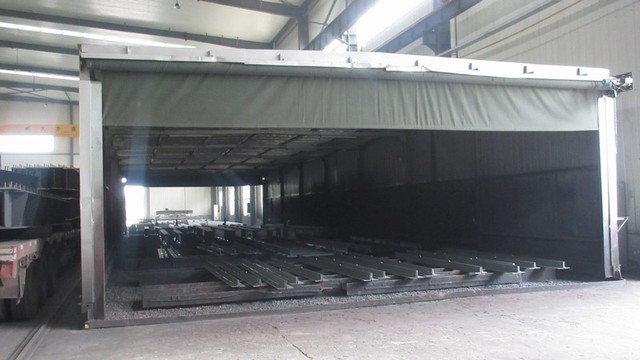
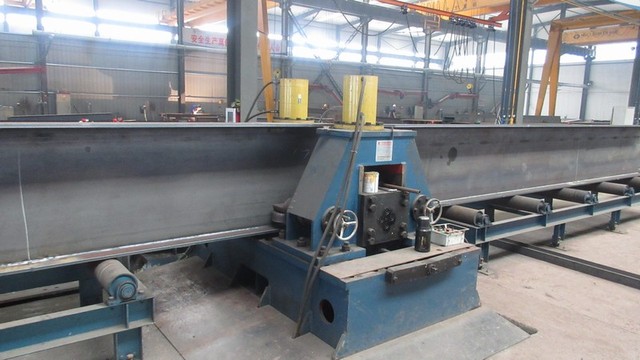
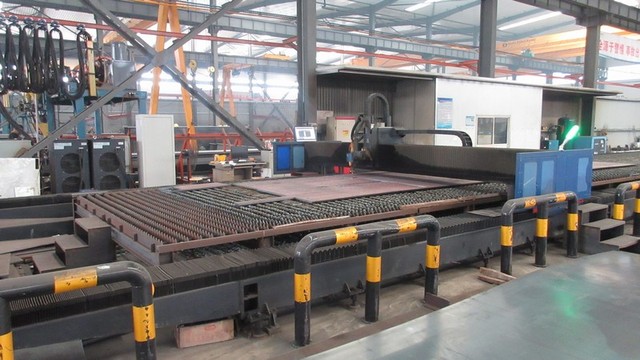
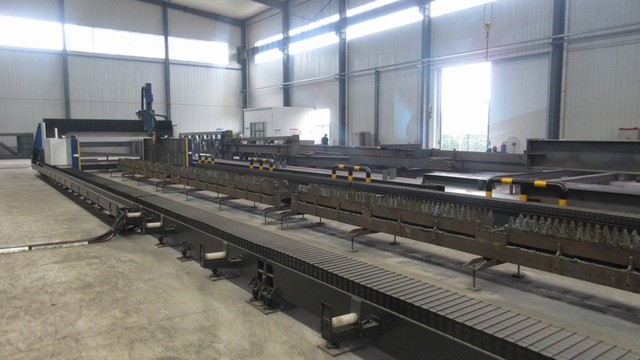
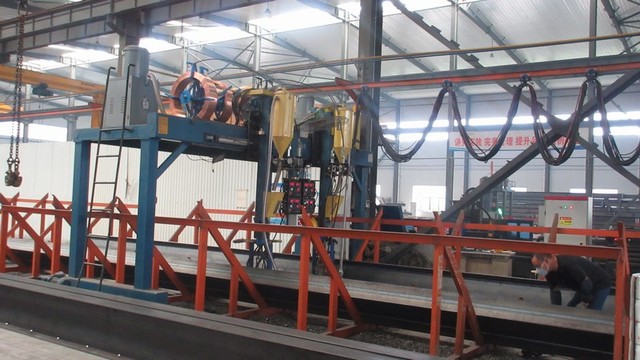
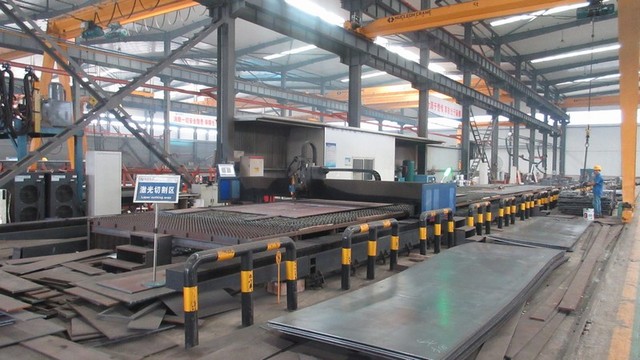
Leveraging smart automation and integrated materials sourcing to protect against market fluctuations.
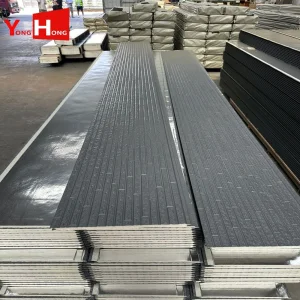
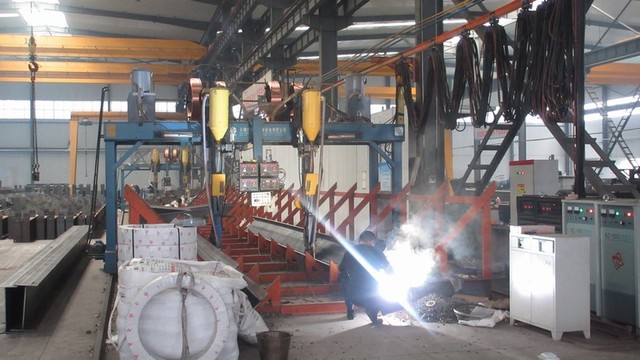
By using modern multi-layered continuous lamination lines, Jonas Build matches quality with scale. Automation ensures precise control over chemical core density, uniform outer profile bonding, and clean joints. This process reduces human error and delivers reliable panels with high structural and thermal consistency.
These advanced lines maintain strict tolerances for polyurethane core density and rock wool layer alignment. Precise monitoring during curing avoids skin delamination and reduces core voids, yielding robust structural components built for decades of service.
Through close partnerships with top-tier steel mills and premium chemical producers, Jonas Build maintains consistent access to quality raw materials. Our deep integrated logistics networks and high raw material inventories provide price stability and protect production schedules from global supply fluctuations.
Jonas Build manages risks by sourcing steel, rock wool, and chemicals through verified channels. This system prevents material delays, allowing us to deliver large-scale commercial project orders on time.
How Jonas Build cladding systems adapt to diverse climate zones and architectural requirements.
For high-latitude sites and coastal facilities, polyurethane (PIR) core systems avoid frost-line damage and reduce thermal transfer. Sealed, interlocking vapor barriers prevent internal condensation, protecting structures from mold growth and thermal decay.
Coastal projects require strong protection against salt spray. Utilizing high-durability polyester (HDP) and polyvinylidene fluoride (PVDF) exterior steel finishes ensures panel surfaces resist chalking, paint peeling, and oxidation over decades of exposure.
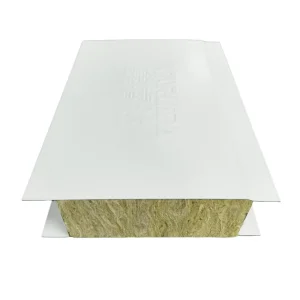
Data centers, power stations, and chemical plants need to manage noise and fire risks. Utilizing non-combustible rock wool core systems provides fire-barrier integrity while absorbing sound waves to reduce noise transmission.
Technical clarifications on performance, installation, and custom manufacturing options.
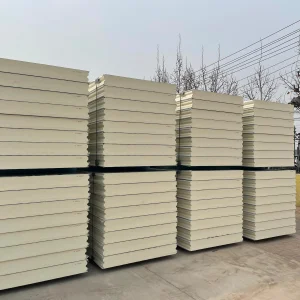
We manufacture cladding using Polyurethane (PIR/PUR), Rock Wool, and expanded polystyrene (EPS) cores. PIR offers superior thermal performance with a thermal conductivity coefficient (λ) as low as 0.020 W/m·K. Rock wool cores deliver excellent fire resistance (Class A1 non-combustible) with a standard thermal conductivity value of approximately 0.040 W/m·K.
Our products undergo regular testing by certified third-party testing bodies to meet EN 14509 standards. These tests verify structural shear strength, tensile performance, core density consistency, and fire-reaction ratings. We supply full CE declaration of performance (DoP) documents and factory test reports with each shipment.
For harsh environments, we offer external steel sheets with advanced coatings, including high-durability polyester (HDP), polyvinylidene fluoride (PVDF), and specialty polyurethane finishes. Coating thicknesses range from 25 to 50 microns to resist chemical exposure, UV degradation, and salt spray damage.
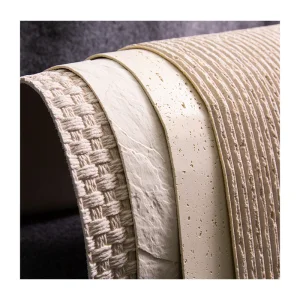
Yes, our continuous production lines allow us to customize panel lengths to match specific structural designs and minimize onsite waste. We support customized outer profiles (micro-ribbed, flat, deep wave) and offer matches for custom color schemes using international RAL codes.
Panels are wrapped in protective polyethylene film, stacked with foam spacers, and secured on rigid wooden or steel pallets. Our experienced loading teams pack containers tightly to minimize movement during long ocean shipments, facilitating safe onsite unloading.
 Jonas Build