Engineered to resist harsh weather conditions, enhance thermal efficiency, and guarantee long-term structure integrity.
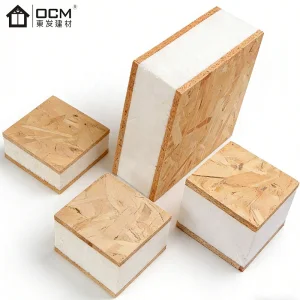
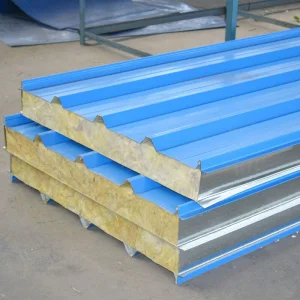
As global temperatures shift, urban environments face unprecedented meteorological challenges. From intense UV exposure in dry arid zones to heavy salt spray and moisture in coastal regions, standard construction components degrade rapidly. This is where Weather Resistant Panels (WRP) serve as the definitive vanguard for exterior facade engineering.
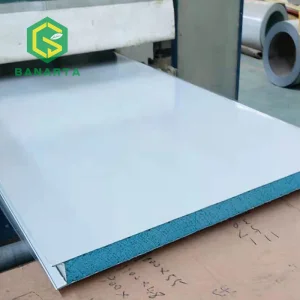
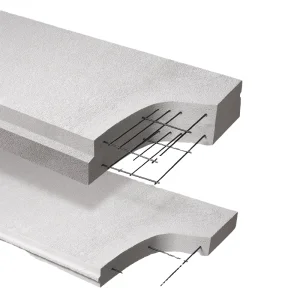
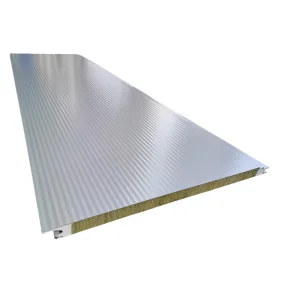
Unlike conventional concrete facades or structural timbers, advanced composite panels—such as Polyurethane (PU), Polyisocyanurate (PIR), Rock Wool, and AAC (Autoclaved Aerated Concrete)—incorporate thermal breaks and atmospheric barrier coatings. By preventing thermal bridging and moisture infiltration, these systems act as a multi-tier protective skin that significantly extends the lifespan of industrial facilities, multi-story developments, and cold storage networks.
Choosing high-grade panels manufactured to precise international standards ensures that your building envelope remains structurally sound, aesthetically pleasing, and energy-conserving for decades to come.
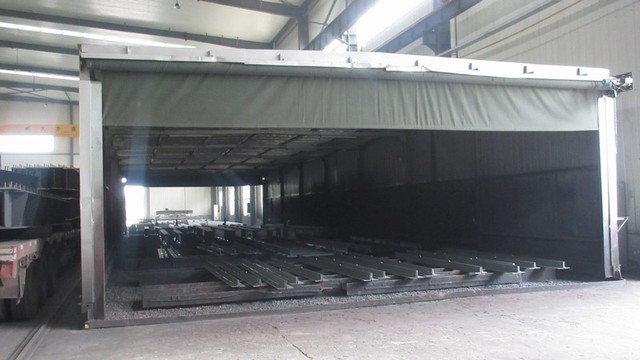
Why modern architectural developers choose our integrated structural panel systems for global industrial envelopes.
Utilizing premium high-density mineral wool and modified PIR chemistry that resists temperatures exceeding 1000°C. Minimizes toxic smoke emission and holds heat propagation to strict global limits.
Coated with custom fluorocarbon (PVDF) or High-Durability Polyester (HDP) protective films. Resistant to acid rain, saline coastal winds, high-humidity environments, and biological decay.
Boasting a thermal conductivity as low as 0.018 W/m·K. Our continuous polyurethane injection systems eliminate air pocket gaps, ensuring significant energy footprint reductions for commercial complexes.
Across the globe, the necessity of weather resistant panels varies dynamically. For instances in coastal industrial parks, high relative humidity paired with airborne salinity accelerates standard sheet metal rusting, leading to structural failures within five years. In contrast, Jonas Build's custom-engineered composite panels employ multi-layered PVDF coatings and rust-proof aluminum-zinc alloy skins, rendering them chemically inert to sea salt erosion.
In frigid regions like Northern Europe and Canada, the critical challenge is thermal shrinkage and internal condensation. Without engineered vapor barrier integration, cold bridges trigger moisture buildup inside the insulation core, promoting mold growth and reducing the system's thermal efficiency. Jonas Build's high-density PU and PIR sandwich panels feature tongue-and-groove joint profiles with integrated sealing gaskets, effectively blocking water vapor ingress and preserving high R-values across extreme temperature differences (-40°C to +80°C).
Furthermore, in logistics centers and cold-chain warehouses, keeping internal temperatures constant requires constant refrigeration. Jonas Build's energy-saving cold room panels prevent thermal exchange through walls and ceilings. This dramatically lowers HVAC unit operating hours, saving industrial owners thousands of dollars in utility expenses annually while minimizing carbon footprint.
| Panel Core Material | Thermal Conductivity (W/m·K) | Fire Rating Grade | Best Architectural Use-Case | Durability / UV Resistance |
|---|---|---|---|---|
| Polyurethane (PU / PIR) | 0.018 - 0.023 | B1 / Class 1 | Cold Storage, Cleanrooms, Commercial Roofs | Excellent (With PVDF outer skin) |
| Rock Wool / Mineral Fiber | 0.035 - 0.044 | Class A1 (Non-combustible) | High-risk Industrial Plants, Firewalls | High Structural Stability |
| EPS (Expanded Polystyrene) | 0.033 - 0.040 | B2 / Fire-retardant | Low-cost Prefabricated Warehouses, Partitions | Moderate / Needs external cladding |
| AAC / ALC (Autoclaved Aerated Concrete) | 0.110 - 0.160 | Class A1 | High-rise Multi-family Residential Walls | Maximum (Inorganic structural lifetime) |
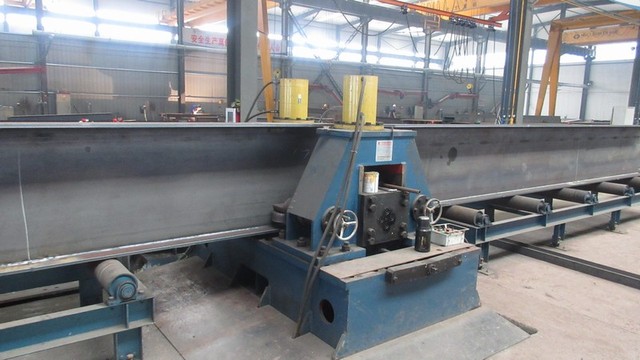
Operating out of Ningbo, one of the world's most vital deep-water port hubs, Ningbo Jonas Build Co., Ltd. leverages a highly optimized supply chain ecosystem to benefit global construction contractors.
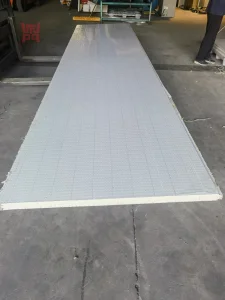
Our facility runs continuous double-belt lamination lines capable of outputting thousands of square meters of insulated sandwich panels daily. Automated process control guarantees consistent density distribution, precise thickness profiles, and flawless metal-to-core bonding strength.
By grouping component sourcing—such as raw chemical polyols, fire retardants, steel coils, and sealants—in proximity to our coastal facility, we keep manufacturing costs competitive. The logistics advantage of Ningbo Port also translates to streamlined container loading, decreased maritime transit costs, and shortened lead times for overseas commercial projects.
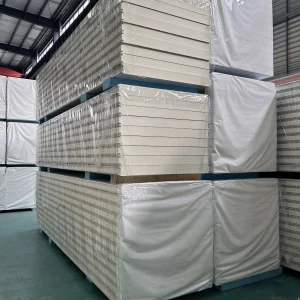
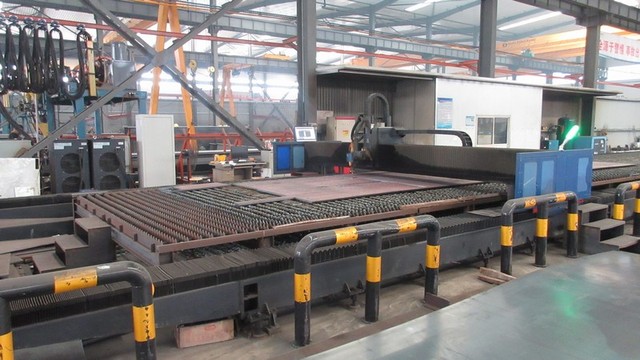
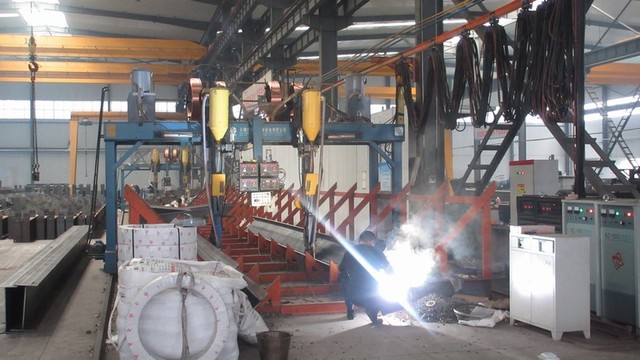
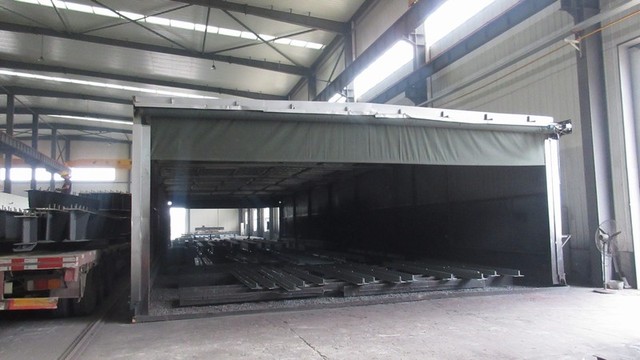
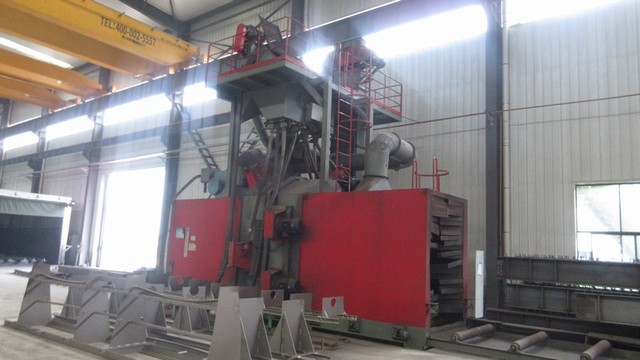
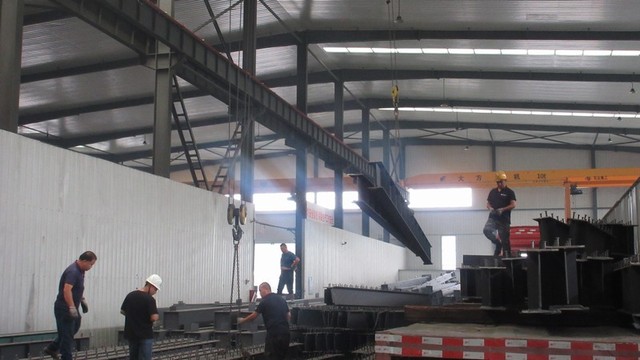
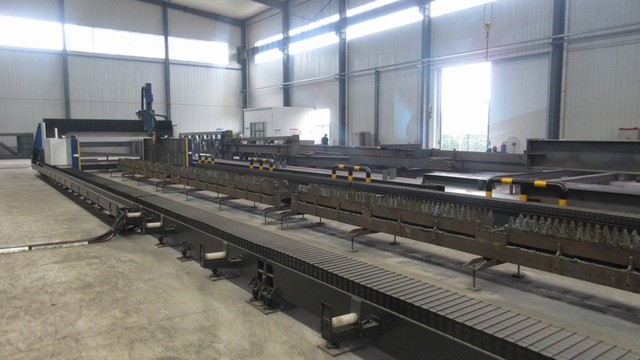
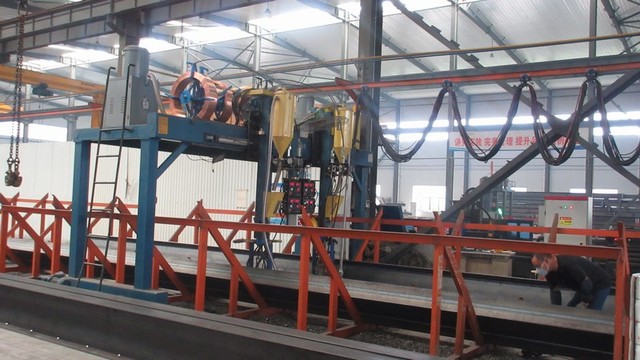
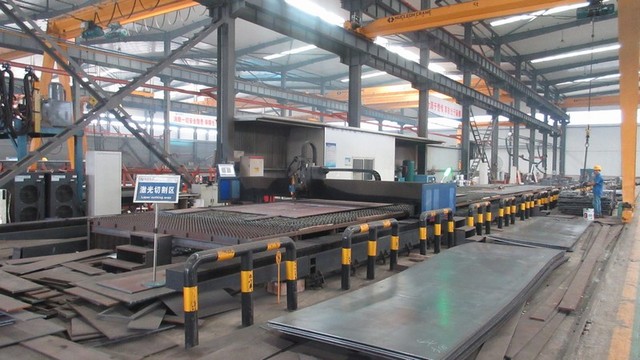
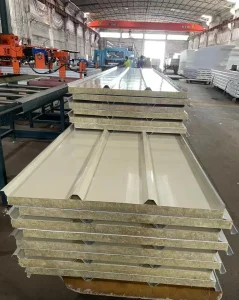
A closer look at our rigorous manufacturing processes, raw material precision handling, and quality assurance checkpoints.
Purchasing industrial weather resistant panels overseas requires a comprehensive understanding of engineering specs, logistics variables, and certification pathways. When selecting your Chinese panel supplier, prioritize companies that address the following core parameters:
The global construction industry is shifting toward Net-Zero building operations. Consequently, the demand for insulated building envelope panels is evolving. We see growing interest in bio-based polyols for polyurethane cores, lowering the embodied carbon of building envelopes. Additionally, phase change materials (PCMs) integrated directly into panel cores represent the next frontier, absorbing and releasing latent heat to maintain indoor temperatures without auxiliary power consumption.
In terms of external durability, self-cleaning nano-coatings are becoming popular. These coatings use titanium dioxide (TiO2) particles to degrade organic dirt under UV light, allowing rain to easily wash away dust and grime. This is particularly valuable for solar-integrated roofs and tall commercial high-rises where panel maintenance is difficult and costly.
In-depth, direct answers concerning structural design, life cycle performance, and customization of insulated building envelopes.
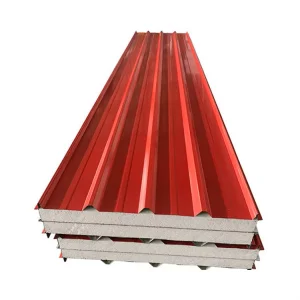
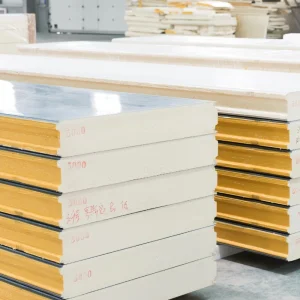
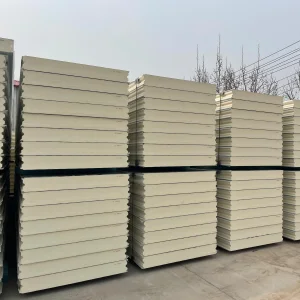
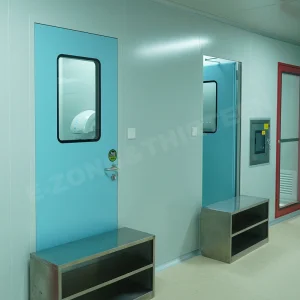
Explore our highly specialized commercial walling, airtight doors, and structural sandwich panel solutions.
 Jonas Build