Engineered high-performance materials designed to withstand extreme environments while ensuring optimized thermal efficiency.
Modern architectural design requires exterior wall systems to perform far beyond aesthetics. In commercial, industrial, and residential structures, building envelopes must defend against extreme weathering factors, including heavy rain load, ultraviolet radiation, high wind shear, temperature extremes, and seismic forces. Weatherproof wall panels act as the primary barrier, integrating structural physics, advanced polymer chemistry, and metallurgical engineering to ensure long-term integrity.
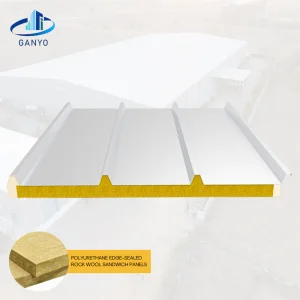
Evaluating weatherproof panels requires looking at the raw material composition and the manufacturing technologies that define the market. Premium products combine high-performance cores—such as Closed-Cell Polyurethane (PIR/PU), high-density rock wool, or magnesium oxide—with robust protective skins like galvanized steel, fiber cement, or anti-UV co-extruded wood plastic composites (WPC). Designing facades with these systems helps engineers achieve high R-values, prevent thermal bridging, and meet strict international fire-safety standards.
Selecting the correct core insulation material is essential for aligning with specific engineering demands, weather conditions, and structural loading requirements. Below is an engineering comparison of the primary wall panel core and composite materials produced by leading Chinese factories:
| Material Type | Thermal Transmittance (U-Value) | Fire-Rating Classification | Primary Advantages | Best Applications |
|---|---|---|---|---|
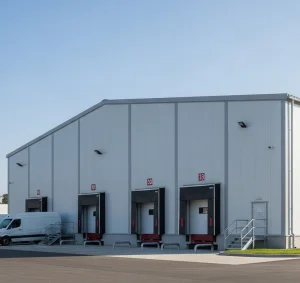
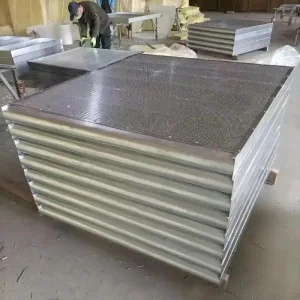
| PIR / PUR Insulated Steel Sandwich | 0.018 - 0.024 W/(m·K) | B-s1, d0 (Flame Retardant) | High thermal efficiency, lightweight, airtight joinery | Cold storage, logistics warehouses, high-efficiency commercial envelopes |
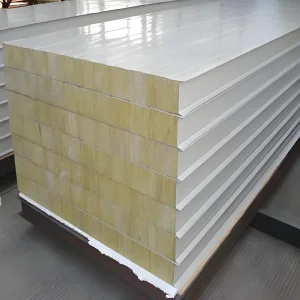
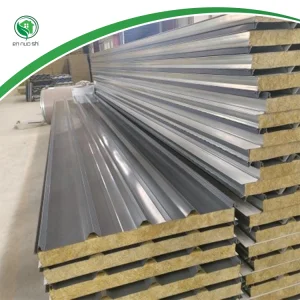
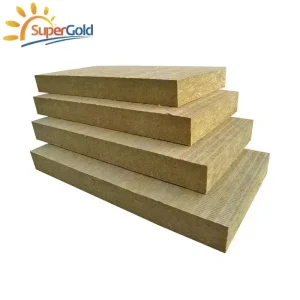
| High-Density Rock Wool Sandwich | 0.034 - 0.044 W/(m·K) | Class A1 (Non-combustible) | Extreme fire protection, acoustic attenuation (up to 30dB reduction) | Industrial plants, manufacturing complexes, high-rise separation walls |
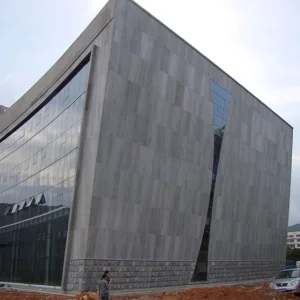
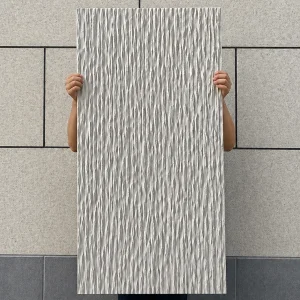
| Fiber Cement Facade Sheet | Solid Cladding Layer | Class A1 (Incombustible) | Impact resistance, UV stable, customizable architectural finishes | External ventilated facades, rainscreen systems for commercial buildings |
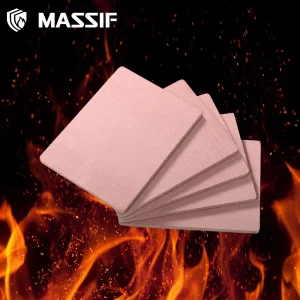
| Magnesium Oxide (MgO) Board | Composite Structural Core | Class A1 Fireproof | High shear strength, moisture and mold resistance, zero VOC emissions | Hygienic interiors, cleanroom sub-walls, high-humidity zones |
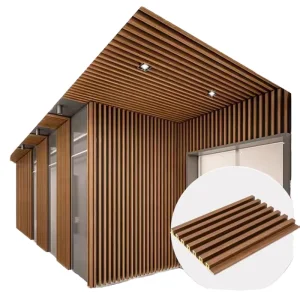
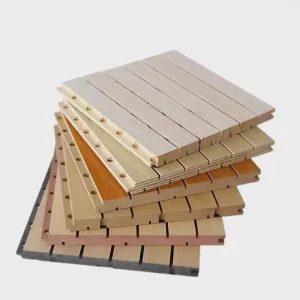
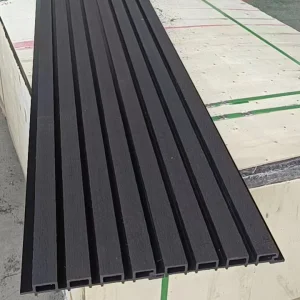
| Co-extruded WPC Cladding | Decorative Weather Screen | B2 / Custom Fire Retardant | Natural wood appearance, zero maintenance, anti-UV, water-resistant | Outdoor architectural landscaping, facade screening, residential cladding |
Thermal resistance (R-value) decreases over time in low-grade panel insulation due to cell gas diffusion. Premium Chinese manufacturing applies double-belt continuous lamination technologies that form uniform closed-cell structures (>95% closed-cell content for PIR). This limits gas migration, ensuring the panel maintains its thermal insulation properties for decades. In addition, integration of gas-tight metal skins prevents moisture entry, which would otherwise degrade thermal performance.
The global construction sector relies on China's integrated industrial supply chain for high-performance building envelope systems. Factories in manufacturing hubs, like Ningbo, offer distinct structural advantages for international EPC (Engineering, Procurement, and Construction) contractors, real estate developers, and industrial builders:
Chinese factories are located near primary steel mills, chemical processing zones (for PU/PIR raw materials), and mineral deposits (for rock wool). This reduces domestic transit costs, protects supply chains from material shortages, and keeps production schedules on time.
Using advanced double-belt continuous lamination machinery allows for single-line production speeds exceeding 8 meters per minute. This high throughput ensures fast manufacturing of massive quantities of custom-length insulated panels.
Advanced tooling systems allow for flexible adjustments to metal profiles, interlocking joint patterns (such as double-tongue-and-groove configurations), and panel core thicknesses ranging from 50mm to 250mm.
In addition, China's main industrial ports, including Ningbo-Zhoushan and Shanghai, offer direct shipping lanes worldwide. This lowers logistical costs and ensures predictable door-to-port schedules. Leading manufacturers also supply pre-engineered panels, flashings, structural fasteners, and sealing gaskets in single shipments, which streamlines assembly on site and reduces construction waste.
Building safety codes differ significantly by region, requiring international manufacturers to adhere to strict testing frameworks. Standard industrial products must comply with the following structural, fire, and thermal testing criteria:
Insulated sandwich panels exported to Europe must carry the CE mark under EN 14509 standards. Fire resistance testing must follow EN 13501-1, where rock wool panels regularly achieve Class A1 or A2 non-combustible ratings, and PIR panels meet Class B-s1, d0 standards, proving minimal smoke generation and zero flaming droplets during fire exposure.
Projects in the US and Canada demand compliance with strict test methods, including ASTM E84 for surface burning characteristics (Class A rating requires flame spread index ≤ 25 and smoke developed index ≤ 450). Structural loads must meet wind-uplift testing standards under FM 4880 / 4881, which qualify panels for high-wind regions, including coastal hurricane zones.
Exterior walls must withstand lateral seismic movements and wind pressures. Manufacturers use FEA (Finite Element Analysis) to model load-span capabilities. This confirms that panel joints will not shear, and panels will not buckle when subjected to extreme positive or negative wind pressure. This validation process is critical for high-bay warehouses and portal-frame industrial installations.
Ningbo Jonas Build Co., Ltd. is a professional China industrial construction panel manufacturer specializing in insulated building panel solutions for global industrial and commercial construction projects. With extensive industry experience and advanced manufacturing capabilities, the company is committed to delivering high-quality, energy-efficient, and customized panel systems that meet the diverse requirements of customers worldwide.
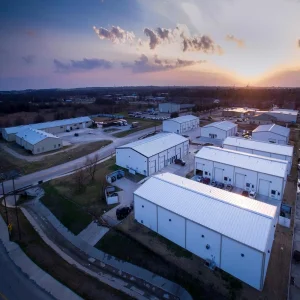
The company provides a comprehensive range of products, including insulated sandwich panels, industrial wall panels, roofing panels, cold room panels, cleanroom panels, fire-rated panels, and customized building envelope solutions. Designed for superior thermal performance, structural reliability, and rapid installation, these products are widely used in industrial plants, warehouses, logistics centers, cold storage facilities, commercial buildings, modular construction projects, and infrastructure developments.
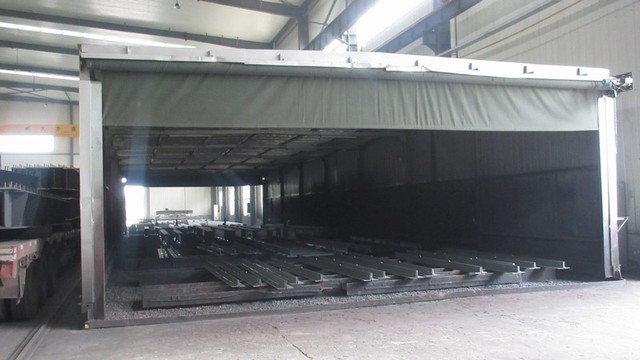
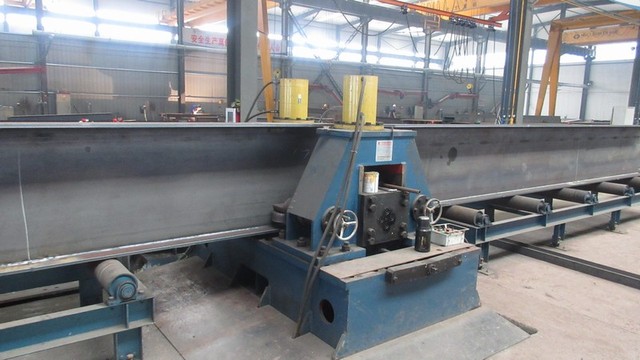
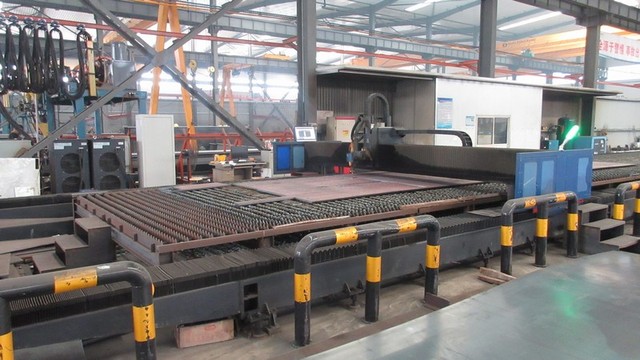
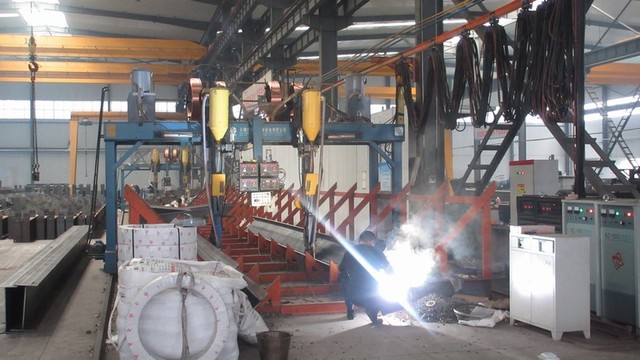
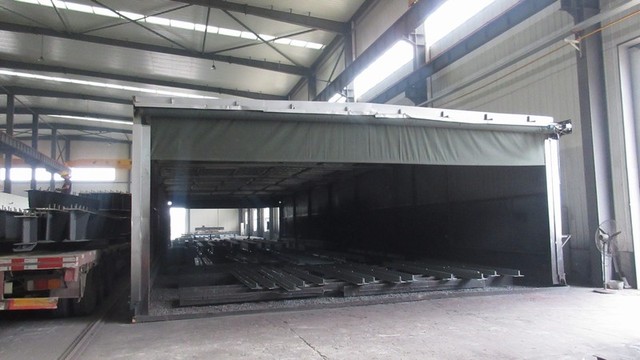
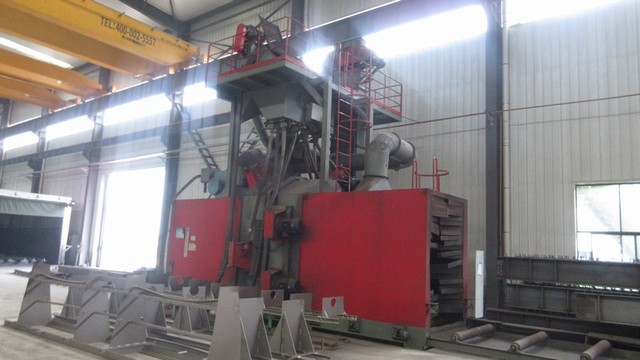
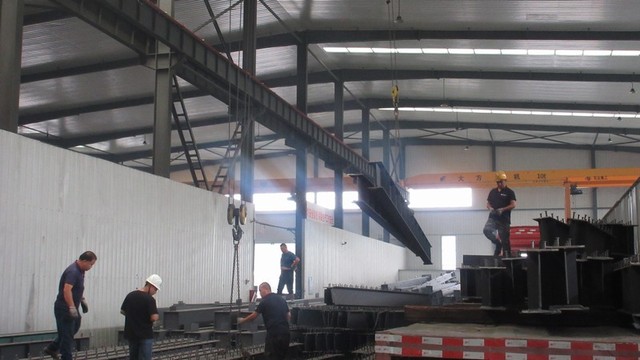
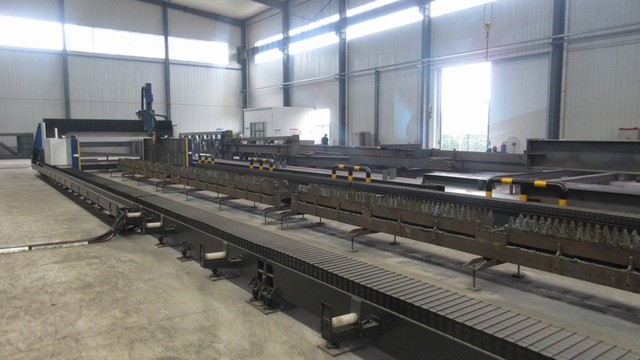
Ningbo Jonas Build Co., Ltd. operates modern production facilities equipped with advanced automated manufacturing lines, precision processing equipment, and strict quality inspection systems. Supported by a skilled team of engineers and technical specialists, the company offers one-stop services covering project consultation, product design, manufacturing, quality assurance, packaging, and international logistics coordination.
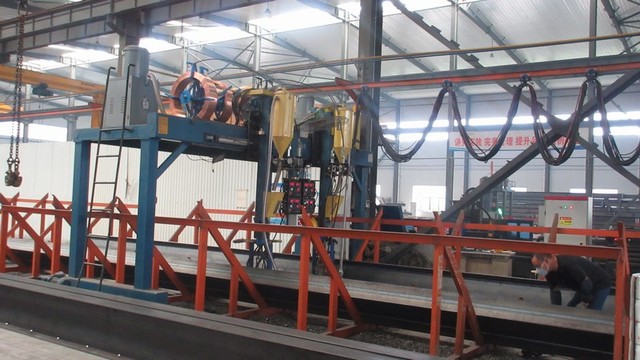
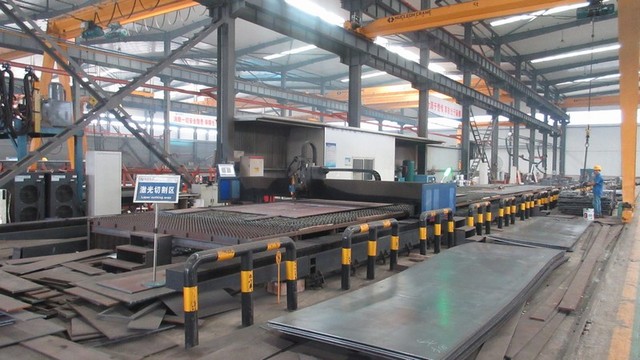
Innovation, quality, and sustainability are the core values driving the company's development. By utilizing advanced production technologies and premium raw materials, Jonas Build continuously enhances product performance in thermal insulation, fire resistance, weather protection, and energy efficiency. The company's panel systems help customers reduce construction time, lower operating costs, and improve overall building performance.
Committed to excellence and customer satisfaction, Ningbo Jonas Build Co., Ltd. has established long-term business relationships with clients across Asia, Europe, the Middle East, Africa, and the Americas. The company remains dedicated to providing reliable insulated building panel solutions that support sustainable construction and create long-term value for customers worldwide.
Get answers to common technical, regulatory, and procurement questions about weatherproof wall panels.
From core insulation slabs to architectural facades and specialized cleanroom structures.
 Jonas Build