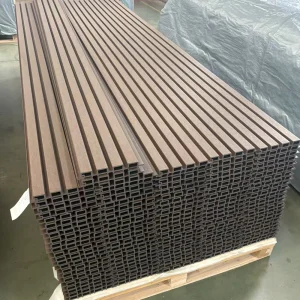
Explore our top-performing architectural and structural panel configurations designed to resist heat, fire, sound, and weather in demanding applications.
Traditional insulation relies on capturing conduction and convection. Radiant barrier panels disrupt heat transfer via thermal radiation—the dominant mode of heat gain in commercial building envelopes.
Radiant barrier technology addresses the electromagnetic wave transmission of thermal energy. In warmer climates or intense summer seasons, solar radiation strikes the roof of an industrial warehouse, heating the metal substrate. The roof cladding then radiates this accumulated heat downward across the attic space or internal plenum. Traditional fiber mass insulation like fiberglass or mineral wool acts like a thermal sponge, absorbing and eventually conducting this heat into the building's workspace.
Conversely, high-performance Radiant Barrier Panels feature an outer metallic layer—typically structured with 99% pure polished aluminum foil or metallized polyethylene (PET)—which exhibits an extraordinarily low emissivity rating (≤ 0.03) and high reflectivity (≥ 97%). Instead of absorbing radiant energy, the panel's active surface rejects it, reflecting the infrared radiation back toward the venting cavity. This thermodynamic boundary layer lowers top-floor workspace temperatures significantly, leading to diminished operational reliance on complex, power-heavy HVAC cooling systems.
Rejects electromagnetic radiant heat transfer across air cavities, maintaining ambient operational temperatures in extreme warm climates.
Engineered perforated vapor-permeable designs block bulk air moisture infiltration while letting interior vapors escape freely.
Laminated composite backing resists physical tearing, punctures, and mechanical stress during heavy overhead panel handling.
Ningbo Jonas Build Co., Ltd. is a professional China industrial construction panel manufacturer specializing in insulated building panel solutions for global industrial and commercial construction projects. With extensive industry experience and advanced manufacturing capabilities, the company is committed to delivering high-quality, energy-efficient, and customized panel systems that meet the diverse requirements of customers worldwide.
The company provides a comprehensive range of products, including insulated sandwich panels, industrial wall panels, roofing panels, cold room panels, cleanroom panels, fire-rated panels, and customized building envelope solutions. Designed for superior thermal performance, structural reliability, and rapid installation, these products are widely used in industrial plants, warehouses, logistics centers, cold storage facilities, commercial buildings, modular construction projects, and infrastructure developments.
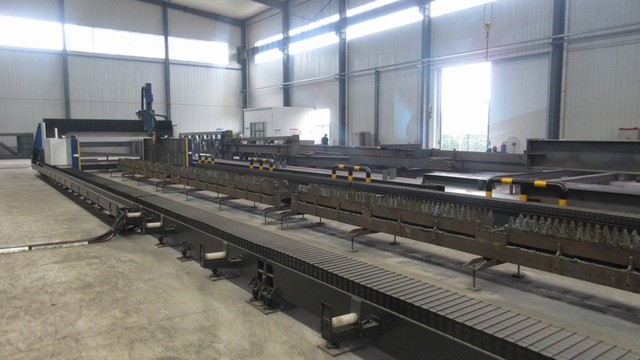
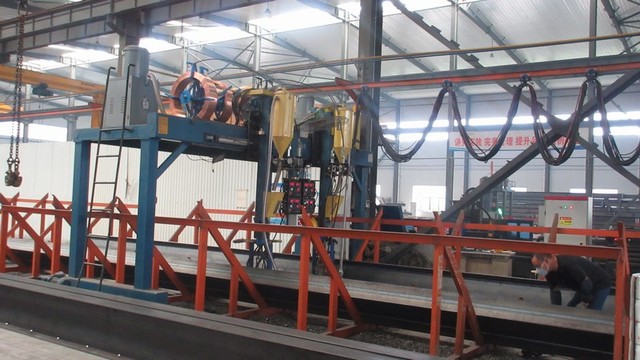
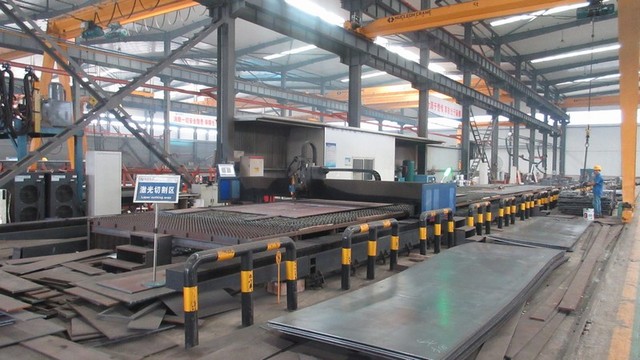
Ningbo Jonas Build Co., Ltd. operates modern production facilities equipped with advanced automated manufacturing lines, precision processing equipment, and strict quality inspection systems. Supported by a skilled team of engineers and technical specialists, the company offers one-stop services covering project consultation, product design, manufacturing, quality assurance, packaging, and international logistics coordination.
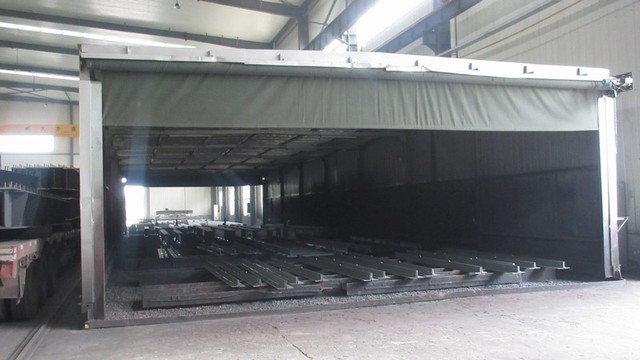
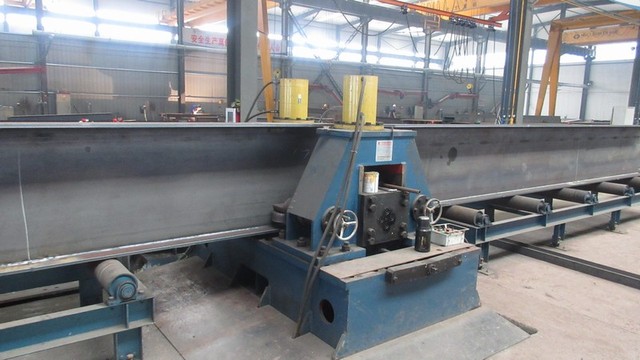
Innovation, quality, and sustainability are the core values driving the company's development. By utilizing advanced production technologies and premium raw materials, Jonas Build continuously enhances product performance in thermal insulation, fire resistance, weather protection, and energy efficiency. The company's panel systems help customers reduce construction time, lower operating costs, and improve overall building performance.
Committed to excellence and customer satisfaction, Ningbo Jonas Build Co., Ltd. has established long-term business relationships with clients across Asia, Europe, the Middle East, Africa, and the Americas. The company remains dedicated to providing reliable insulated building panel solutions that support sustainable construction and create long-term value for customers worldwide.
Visualizing our factory floor, high-accuracy raw material preparation, lamination lines, and shipping bays.
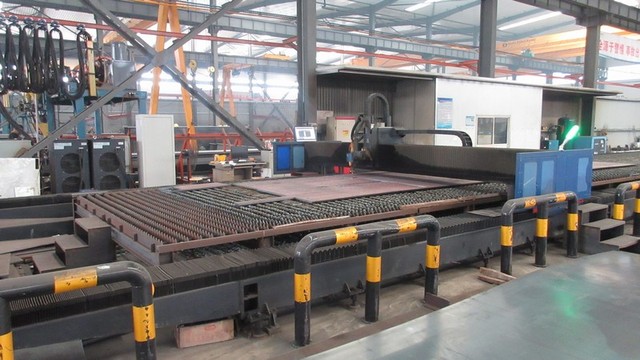
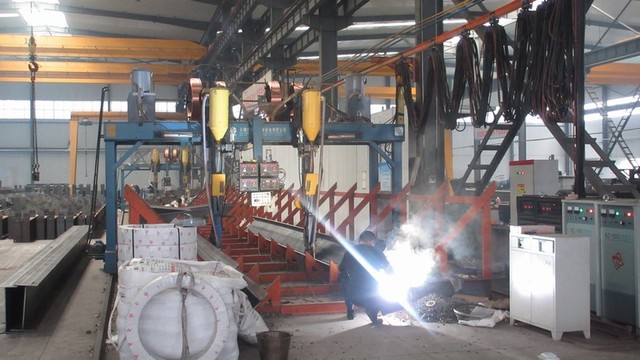
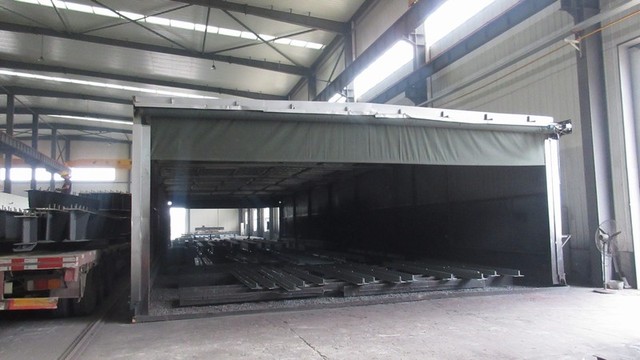
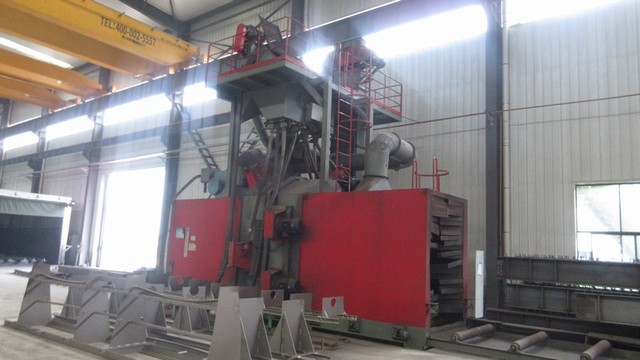
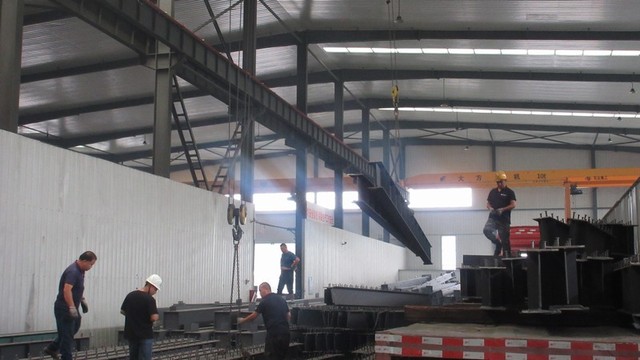
China's manufacturing clusters present distinct technological, scaling, and cost benefits for global building material procurers.
Purchasing building materials globally requires a deep analysis of manufacturing depth, chemical standards compliance, and raw material access. Chinese manufacturers have established integrated production corridors that combine metal refining, petrochemical polymer synthesis, and high-performance foil extrusion. This vertical integration drastically reduces lead times and removes middle-tier markup margins, offering direct cost savings to overseas developers and contractors.
Direct partnerships with state-owned metallurgical centers guarantee consistent supplies of premium 99% pure grade-A aluminum foil coils, shielding production schedules from market volatility.
High-speed polyurethane hot-melt adhesive dispensing lines generate durable, delamination-resistant bonding between foil sheets, fiberglass scrim, and woven backing layers.
Equipped with internal testing laboratories checking emissivity rates (ASTM C1371), transmission levels (ASTM E96), and flame spread propagation indexes (ASTM E84).
Modern building codes like ASHRAE 90.1, Title 24 in California, and Europe's EPBD guidelines are driving structural engineering designs toward net-zero emissions. Incorporating radiant barrier panels directly impacts structural Energy Use Intensity (EUI). As urban centers expand, reducing grid strain from air conditioning becomes a national infrastructure priority.
Moreover, developers are moving beyond simple bulk insulating materials to hybrid configurations. Installing a radiant barrier panel alongside solid insulating cores (such as PIR, mineral wool, or polyurethane foam) forms a thermal shield that intercepts conduction, convection, and radiation simultaneously. This hybrid system minimizes heat transfer, allowing developers to design with thinner walls while maintaining high effective R-values.
Environmental compatibility is another strong market driver. Modern manufacturing lines prioritize water-based adhesives over VOC-emitting options and utilize recycled plastics (PET) for scrim reinforcement, matching green building certifications like LEED, BREEAM, and DGNB.
For international supply chain managers and lead contractors, purchasing radiant barrier panels requires meeting strict mechanical and thermal specifications. Procurement reviews must verify these critical parameters:
Get answers to the most common technical questions about radiant barrier specifications, installation practices, and thermodynamics.
Complete your building envelope project with our specialized insulation, exterior cladding, and soundproof partitioning systems.
 Jonas Build