High-Performance Thermal Insulation, Structural Integrity, and Sustainable Building Envelope Engineering
Explore our foundational range of energy-saving, structural insulation, and modular partitioning panels engineered for modern commercial and industrial projects.
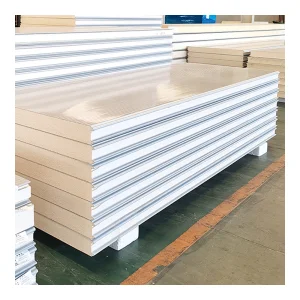
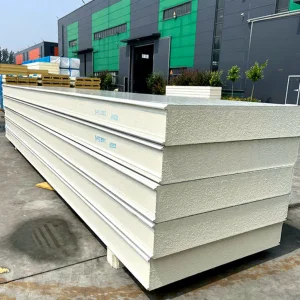
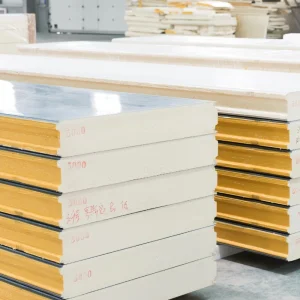
Ningbo Jonas Build Co., Ltd. is a professional China industrial construction panel manufacturer specializing in insulated building panel solutions for global industrial and commercial construction projects. With extensive industry experience and advanced manufacturing capabilities, the company is committed to delivering high-quality, energy-efficient, and customized panel systems that meet the diverse requirements of customers worldwide.
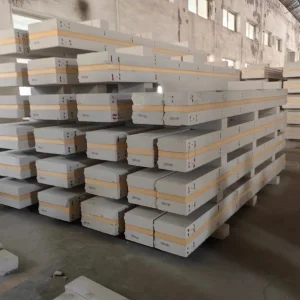
The company provides a comprehensive range of products, including insulated sandwich panels, industrial wall panels, roofing panels, cold room panels, cleanroom panels, fire-rated panels, and customized building envelope solutions. Designed for superior thermal performance, structural reliability, and rapid installation, these products are widely used in industrial plants, warehouses, logistics centers, cold storage facilities, commercial buildings, modular construction projects, and infrastructure developments.
Innovation, quality, and sustainability are the core values driving the company's development. By utilizing advanced production technologies and premium raw materials, Jonas Build continuously enhances product performance in thermal insulation, fire resistance, weather protection, and energy efficiency. The company's panel systems help customers reduce construction time, lower operating costs, and improve overall building performance.
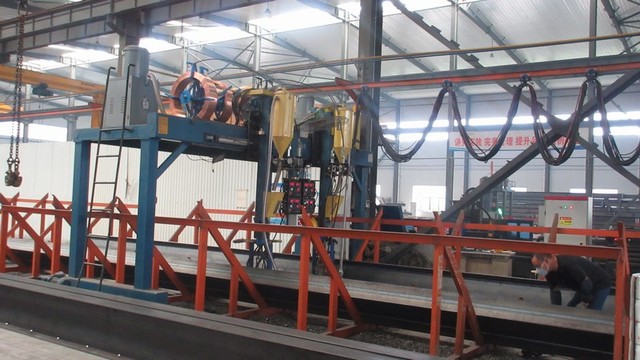
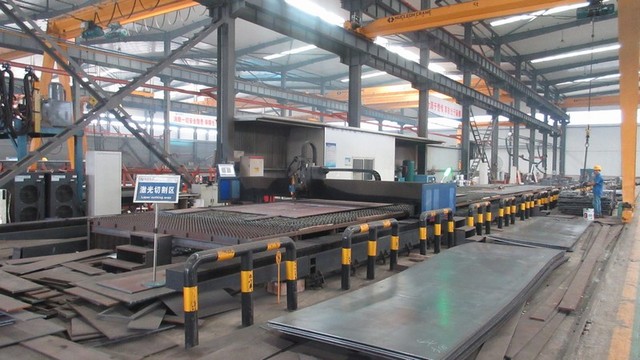
Ningbo Jonas Build Co., Ltd. operates modern production facilities equipped with advanced automated manufacturing lines, precision processing equipment, and strict quality inspection systems. Supported by a skilled team of engineers and technical specialists, the company offers one-stop services covering project consultation, product design, manufacturing, quality assurance, packaging, and international logistics coordination.
Driving Carbon Neutrality through High-Performance Insulation and Structural Integrity
The building envelope is the primary barrier between a structured indoor climate and the volatile outdoor atmosphere. In modern commercial and industrial developments, the roof is responsible for up to 35% of a building's overall heat gain or loss. As global regulatory bodies accelerate policies targeting carbon neutrality (such as the EU's Energy Performance of Buildings Directive and ASHRAE 90.1 in the United States), structural specifications for roofing systems have transitioned from basic weather barriers to complex, multi-functional thermodynamic systems.
Industrial developments, cold chains, and commercial offices face mounting pressure to reduce operational energy expenditures. Traditional single-skin metal roofing systems fail to meet modern energy ratings, suffering from thermal bridging, condensation, and poor acoustic dampening. Advanced composite panels represent the contemporary benchmark, providing continuous insulation (ci), superior wind-uplift resistance, and rapid structural assembly. The integration of high-density core materials like Polyisocyanurate (PIR) and Rock Mineral Wool ensures structural safety while keeping thermal conductivity to a minimum.
| Insulation Core Type | Density (kg/m³) | Thermal Conductivity (W/m·K) | Fire Classification (EN 13501-1) | Primary Industrial Application |
|---|---|---|---|---|
| Polyisocyanurate (PIR) | 38 - 42 | 0.020 - 0.022 | B-s1, d0 (Flame Retardant) | Cold Storage, Logistics Warehouses, BIPV Roofs |
| Polyurethane (PUR) | 35 - 40 | 0.022 - 0.024 | B-s2, d0 / B3 | General Industrial Sheds, Cladding Systems |
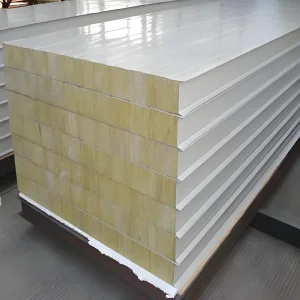
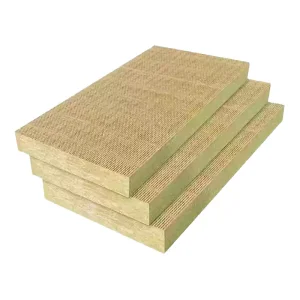
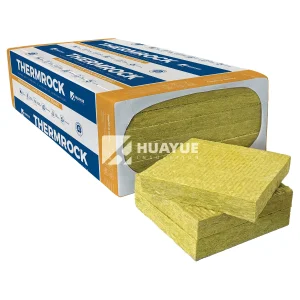
| Rock Mineral Wool | 100 - 120 | 0.038 - 0.040 | Class A1 (Non-combustible) | High Fire Risk Zones, Power Plants, Processing Facilities |
| Expanded Polystyrene (EPS) | 15 - 20 | 0.038 - 0.041 | Class E / B2 | Temporary Camps, Lightweight Modular Prefabrications |
The technology roadmap for energy-saving roof panels centers on maximizing thermal efficiency, system lifespan, and safety. Research and development are focused on next-generation composite structures that integrate functional materials directly into the manufacturing phase:
How Ningbo Jonas Build Co., Ltd. Delivers Global Competitiveness, Precision Quality, and Scale Logistics
We source structural steel coils, high-grade chemicals for PIR/PUR formulation, and high-density basalt stone from certified raw material clusters. This ensures steady pricing, consistent material parameters, and insulation properties that do not degrade over time.
Our facilities employ double-belt continuous laminator lines. Steel decoiling, corona treatment, profiling, foam injection, curing, and high-precision cutting are carried out in a single sequence. This process ensures perfect adhesion and eliminates internal delamination risks.
Located near Ningbo Port, one of the world's busiest logistics hubs, we provide cost-effective shipping, customized sea-freight packaging, protective steel nose rings, and ocean-worthy wooden pallets to ensure defect-free arrival at any global site.
Adapting Advanced Sandwich Panel Technology to Diverse Climates and Building Codes
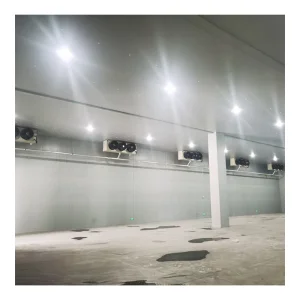
Cold rooms demand zero thermal leakage and complete moisture control to prevent ice formation and compressor overload. Our Cold Room Sandwich Panel Partition and specialized PU/PIR configurations utilize double-tongue-and-groove joints with integrated silicone sealant grooves. This creates a hermetic seal that prevents convective heat transfer, maintaining stable internal temperatures from -40°C to +4°C even in tropical exterior climates.
Electronics manufacturing and pharmaceuticals require zero outgassing, flat surfaces, and fire-resistant materials. The Stainless Steel Faced Fireproof Purification Board Sandwich Panels provide cleanroom partition configurations that resist chemical sterilization agents, static build-up, and mechanical wear, while maintaining certified Class A fire barriers.
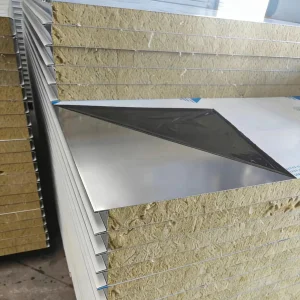
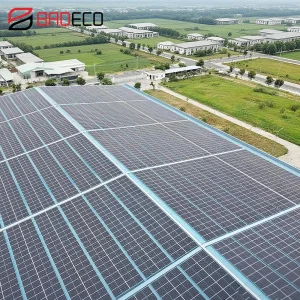
Large-span logistics structures face intense wind-uplift forces. Our Lightweight Custom Roof Rock Wool Panels and BIPV standing seam panel systems are engineered to withstand high wind loads. The structural lock-seam distributes wind-uplift pressures uniformly across the purlins, minimizing fastener fatigue and preventing structural failures during storms.
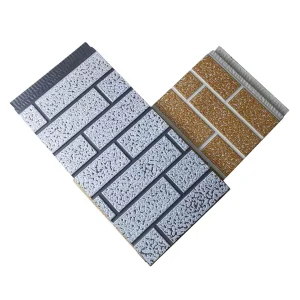
For remote mining operations or post-disaster reconstruction, speed and insulation are critical. The Sandwich Panel Wall Modular EPS Core panels provide lightweight, structural panels that can be erected with minimal heavy equipment. This drastically reduces on-site logistics and labor while keeping occupants protected from severe weather.
Ningbo Jonas Build Co., Ltd. ensures its products comply with regional building codes worldwide. For European projects, our panels are engineered to meet EN 14509 standards, which govern factory-made metal-faced insulating sandwich panels. In North American markets, our panels conform to ASTM thermal transmission, surface burning characteristics (ASTM E84), and structural load ratings.
We work closely with structural engineers to provide wind load calculations, thermal bridge modeling (using finite element thermal analysis), and acoustic attenuation plans. This ensures that every shipment aligns with local design guidelines, seismic safety classes, and localized environmental requirements.
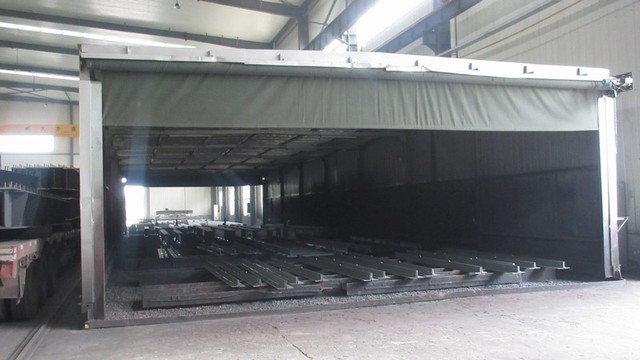
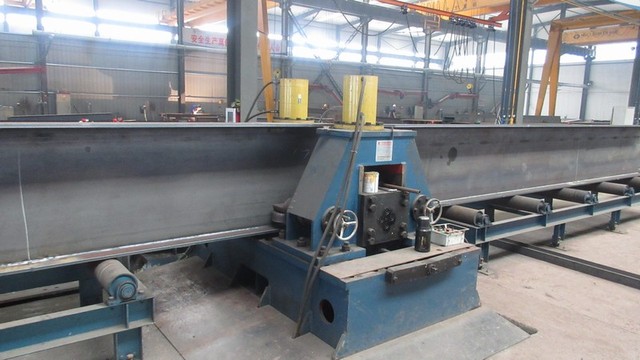
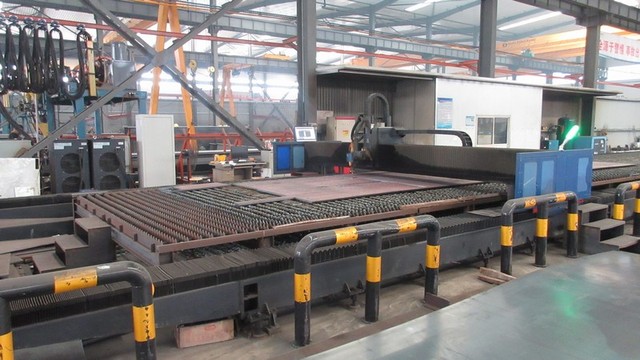
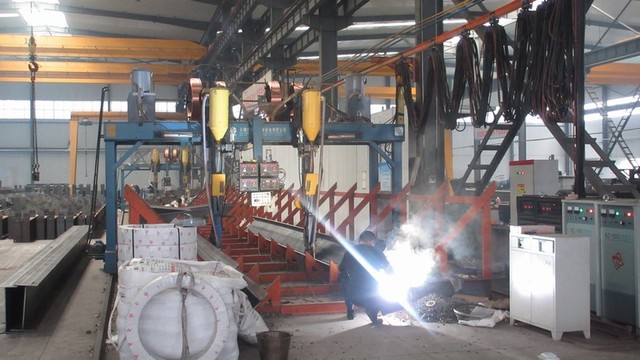
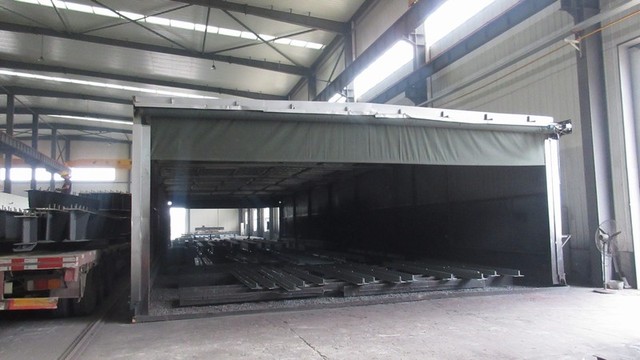
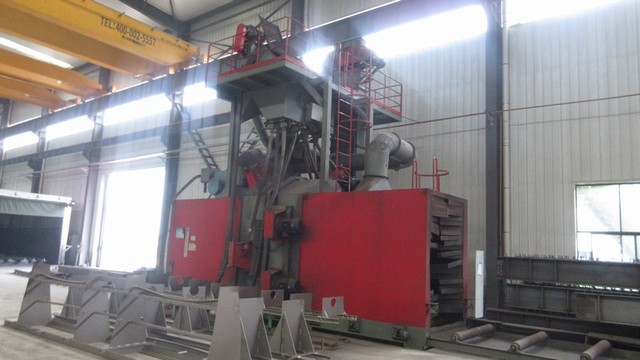
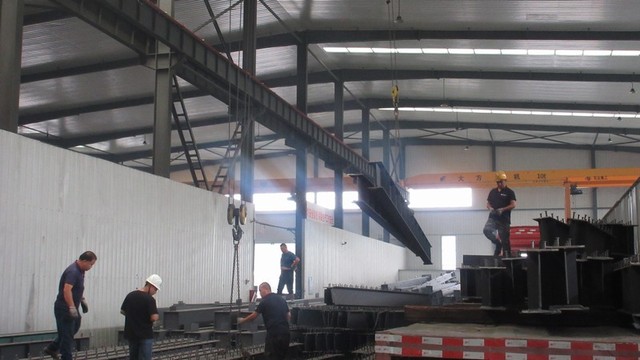
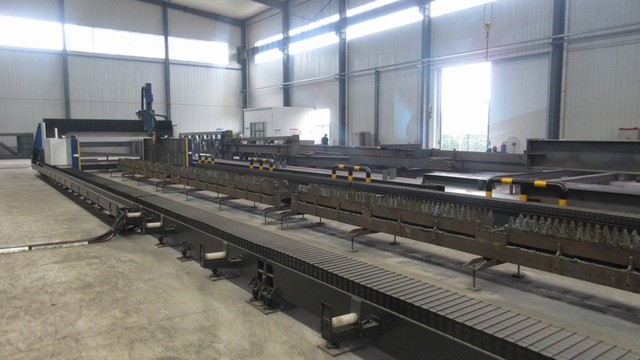
Take a closer look at our advanced production facilities, raw materials, precision processing equipment, and heavy-duty steel structure projects.
In-depth structural, chemical, thermal, and commercial answers for developers, specifiers, and procurement managers.
Explore our targeted product range of high-density rock wool, lightweight wall claddings, acoustic panels, and specialized cleanroom structures.
 Jonas Build