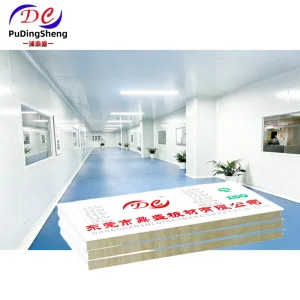
Explore our high-performance structural insulated panels (SIPs), metal sandwich structures, and eco-friendly cladding materials custom-engineered for modern industrial envelopes and temperature-controlled facilities.
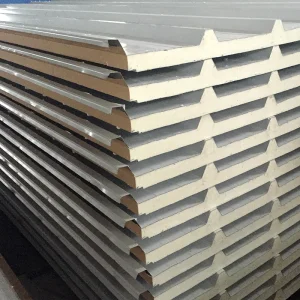
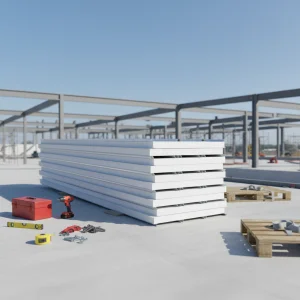
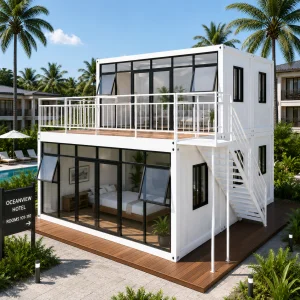
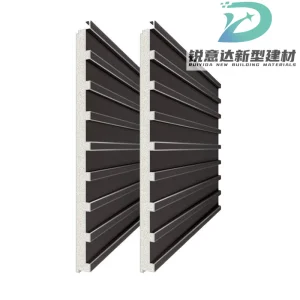
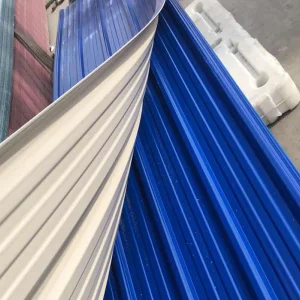
The international construction paradigm is rapidly transitioning toward high-performance structural systems that prioritize decarbonization, building envelope integrity, and thermal optimization. Modern environmental directives like ASHRAE 90.1, the EU Energy Performance of Buildings Directive (EPBD), and global net-zero carbon goals require high R-value insulation systems to minimize building operating costs.
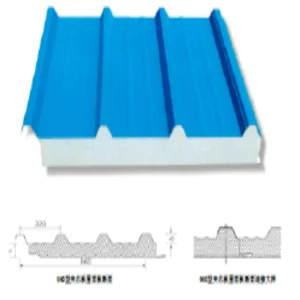
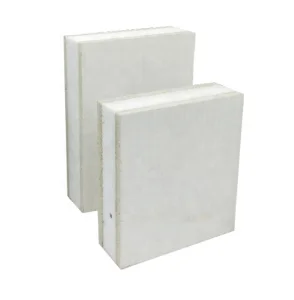
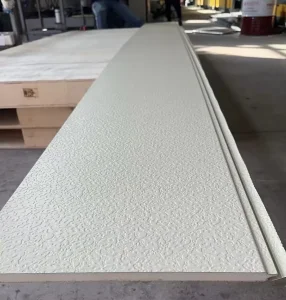
OEM durable wall panels are no longer viewed merely as exterior cladding. Instead, they serve as integrated, multi-functional building envelope solutions. Engineered with advanced core materials like Polyisocyanurate (PIR), mineral rock wool, and Extruded Polystyrene (XPS), these systems consolidate structural support, weather barriers, thermal breaks, and vapor control into a single modular installation.
Compliance with international building codes (e.g., ASTM E84, NFPA 285, EN 13501-1) is critical. Factory-formulated panels maintain structural integrity under thermal loads, preventing flame spread across vertical surfaces.
Low thermal conductivity cores prevent heat transfer. This reduces HVAC power draw in cold storage facilities and large-scale industrial warehouses.
Industrial architects, general contractors, and procurement managers prioritize long-term durability and structural certification. Standard building designs are giving way to custom-engineered panel configurations tailored to specific environments.
Coastal and heavy-chemical zones require steel coatings like PVDF, high-durability polyester (HDP), and galvanized substrates to resist salt spray and corrosive chemicals, preventing early surface rust.
Panels designed for high-wind speed environments, like hurricane zones in the Caribbean or East Asia, must offer high structural load-bearing capacity, deflection resistance, and robust joint connections.
Pharmaceutical facilities and food processing plants need flush tongue-and-groove joints, anti-microbial coatings, and smooth profiles that withstand frequent high-pressure chemical washdowns.
Understanding the mechanical and thermal properties of various core materials helps procurement managers choose the right specification for local environmental regulations.
| Core Type | Thermal Conductivity (W/m·K) | Density Range (kg/m³) | Fire Classification (EN 13501-1) | Primary Industrial Use Case |
|---|---|---|---|---|
| Polyisocyanurate (PIR) | 0.019 - 0.022 | 38 - 42 | B-s1, d0 (Flame Retardant) | Cold Storage Logistics & Climate-Controlled Facilities |
| Polyurethane (PU) | 0.022 - 0.025 | 38 - 40 | B-s2, d0 | General Industrial Warehousing & Commercial Envelopes |
| Mineral Rock Wool | 0.035 - 0.040 | 100 - 120 | Class A1 / A2 (Non-Combustible) | High-Risk Processing Plants & Firewalls |
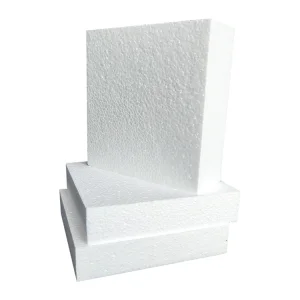
| Expanded Polystyrene (EPS) | 0.033 - 0.038 | 15 - 20 | Class B / E | Cost-Effective Prefabricated Housing & Site Offices |
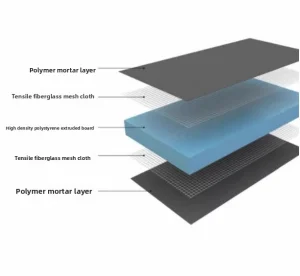
| Extruded Polystyrene (XPS) | 0.028 - 0.030 | 32 - 35 | Class B1 | High-Humidity Sub-flooring & Wet Area Partitioning |
As global supply chains navigate changing economic conditions, Chinese manufacturers are upgrading to Factory 4.0 automation. This shift helps overseas clients mitigate risks, reduce product defects, and shorten delivery times. Automation ensures that large-scale manufacturing runs remain consistent in dimensions, structural density, and density profiles.
Ningbo Jonas Build Co., Ltd. uses continuous double-belt lamination technology. This system tracks temperature, injection pressure, and conveyor speed in real time, creating panel cores with excellent adhesion and minimal voids. This manufacturing control prevents delamination under high thermal stress, a common issue in lower-quality, manually processed alternatives.
By integrating raw material sourcing, automated processing, and proximity to major ports like Ningbo-Zhoushan, Jonas Build maintains a stable supply chain that delivers components on schedule for large, fast-track construction projects.
Our advanced custom production lines handle specialized configurations:
Our custom OEM panels are engineered to perform in various demanding physical environments:
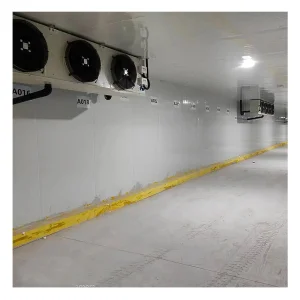
Operating temperature differentials can exceed 60°C. Jonas PIR and PU insulated panels seal vapor barriers, stop condensation, prevent thermal bridging, and maintain steady temperatures down to -40°C in food and logistics centers.
Microchip fabrication and pharmaceutical processing require dust-free environments. Our non-outgassing panel systems feature clean joints, flush finishes, and specialized coatings to prevent particulate accumulation.
Manufacturing environments exposed to high heat or mechanical vibration rely on our high-density rock wool sandwich panels. These panels offer fire barriers up to 4 hours along with helpful acoustic dampening properties.
Ningbo Jonas Build Co., Ltd. is a professional China industrial construction panel manufacturer specializing in insulated building panel solutions for global industrial and commercial construction projects. With extensive industry experience and advanced manufacturing capabilities, the company is committed to delivering high-quality, energy-efficient, and customized panel systems that meet the diverse requirements of customers worldwide.
The company provides a comprehensive range of products, including insulated sandwich panels, industrial wall panels, roofing panels, cold room panels, cleanroom panels, fire-rated panels, and customized building envelope solutions. Designed for superior thermal performance, structural reliability, and rapid installation, these products are widely used in industrial plants, warehouses, logistics centers, cold storage facilities, commercial buildings, modular construction projects, and infrastructure developments.
Ningbo Jonas Build Co., Ltd. operates modern production facilities equipped with advanced automated manufacturing lines, precision processing equipment, and strict quality inspection systems. Supported by a skilled team of engineers and technical specialists, the company offers one-stop services covering project consultation, product design, manufacturing, quality assurance, packaging, and international logistics coordination.
Innovation, quality, and sustainability are the core values driving the company's development. By utilizing advanced production technologies and premium raw materials, Jonas Build continuously enhances product performance in thermal insulation, fire resistance, weather protection, and energy efficiency. The company's panel systems help customers reduce construction time, lower operating costs, and improve overall building performance.
Committed to excellence and customer satisfaction, Ningbo Jonas Build Co., Ltd. has established long-term business relationships with clients across Asia, Europe, the Middle East, Africa, and the Americas. The company remains dedicated to providing reliable insulated building panel solutions that support sustainable construction and create long-term value for customers worldwide.
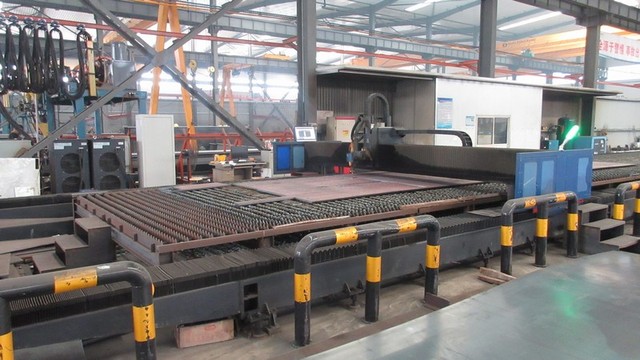
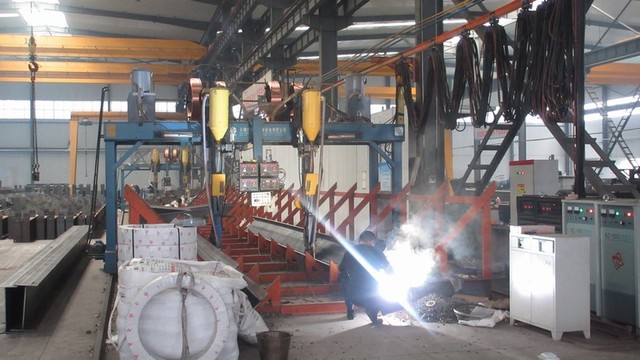
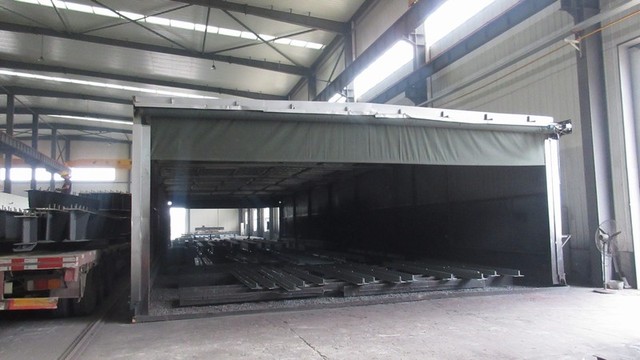
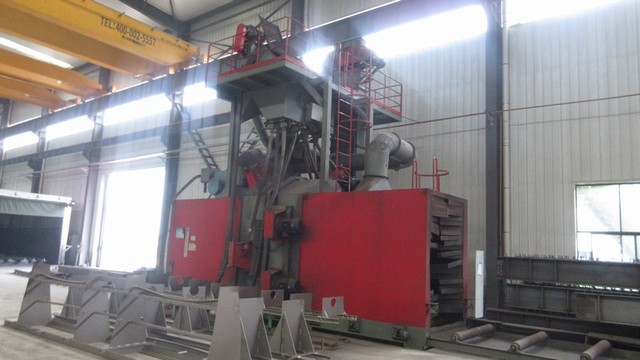
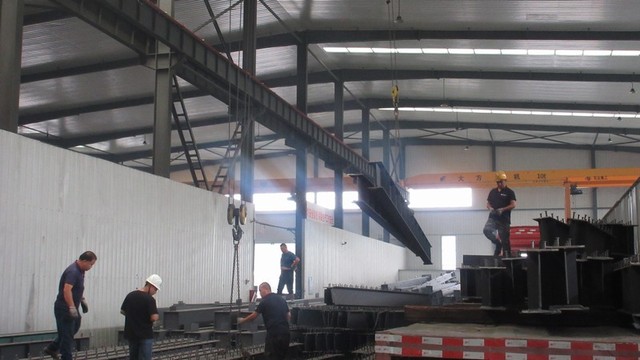
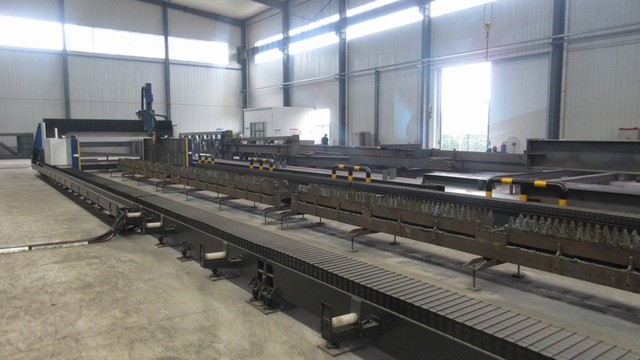
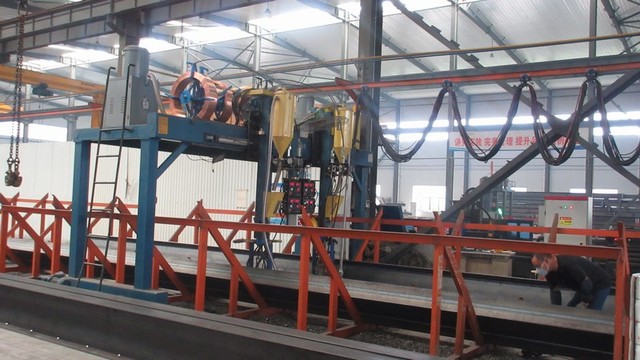
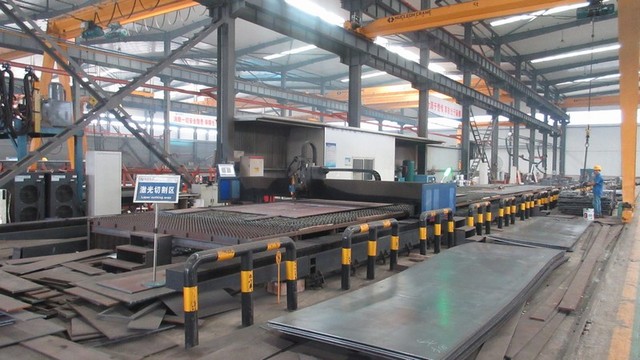
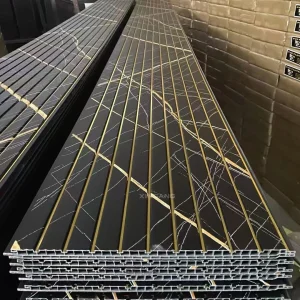
Our factory uses modern production equipment to ensure high quality and consistency. View our manufacturing facility, raw material inventory, and assembly lines below:
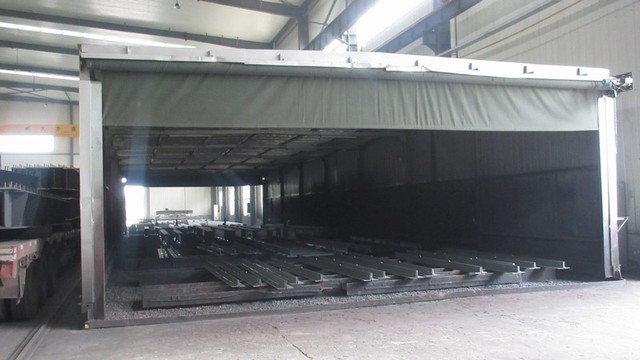
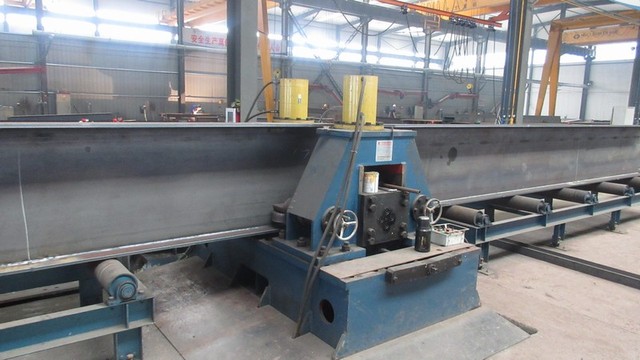
Find detailed technical answers to common questions about panel properties, OEM options, logistics, and compliance.
Polyurethane (PU) and Polyisocyanurate (PIR) are similar, but PIR offers better heat resistance and fire performance. By adjusting the ratio of chemical components, PIR creates a cross-linked structure that forms a protective char layer when exposed to fire. PIR has lower smoke development, higher flame resistance, and slightly higher R-values (thermal resistance) compared to standard PU under equivalent load densities.
We manufacture sandwich panels according to global safety standards. Our mineral rock wool cores are Class A non-combustible (EN 13501-1 and ASTM E84). Our PIR systems are formulated to meet Class B1 fire performance levels. Each batch undergoes testing for core adhesion, flame self-extinction, and density consistency before export.
Yes. For coastal, chemical processing, or marine areas, we recommend using structural steel skins with PVDF (Fluorocarbon) or HDP (High-Durability Polyester) coatings. These coatings resist salt air, UV exposure, and moisture, protecting the zinc coating and base steel from corrosion.
Our cold room panels feature a double tongue-and-groove joint profile with built-in eccentric cam locks. This system pulls the panels tight during assembly, compressing the sealing gaskets to prevent vapor transmission and heat loss through joints.
Lead times vary depending on custom cuts, sheet thicknesses, and volume. Standard orders are manufactured and packaged for shipping in 15 to 25 days. Our proximity to the Ningbo-Zhoushan port helps simplify logistics and secure reliable shipping windows for overseas buyers.
Yes. We supply detailed assembly blueprints, custom cutting layouts, and installation instructions for projects like cold rooms, cleanrooms, and modular steel structures. Our engineering team is available to consult on joint sealing, corner detailing, and flashing profiles to ensure proper performance.
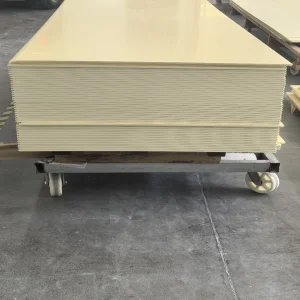
Yes. Our UPVC roofing sheets feature a co-extruded ASA top layer that protects against UV radiation and yellowing. Our Wood-Plastic Composite (WPC) wall panels are designed for weather resistance and moisture control, making them a low-maintenance choice for external cladding, partitions, and semi-outdoor applications.
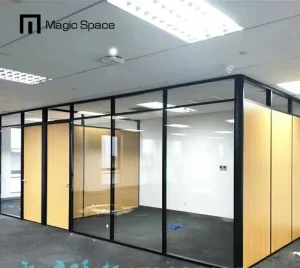
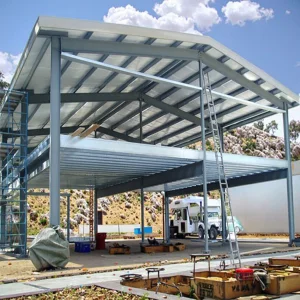
View our range of technical separation partitions, heavy thermal barriers, and modular construction elements for industrial plants and cleanroom settings.
 Jonas Build