High-performance sandwich panels designed for cleanrooms, cold storage, industrial facades, and soundproof architectures.
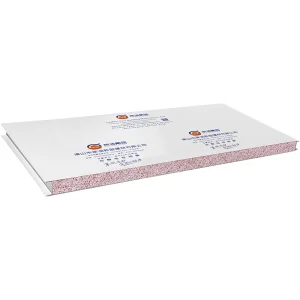
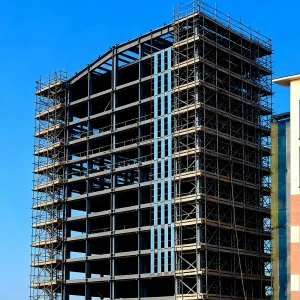
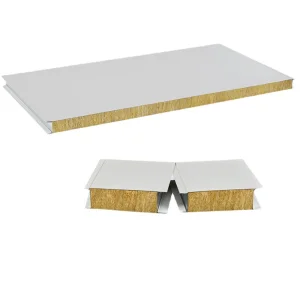
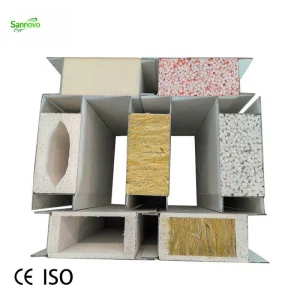
Modern building construction is no longer governed merely by aesthetic goals or simple structural calculations. In the current landscape of strict carbon neutral initiatives, LEED certifications, and global energy codes, the building envelope has transitioned into a highly active thermal and structural shield. Industrial and commercial structures demand envelope systems that prevent thermodynamic exchange, meet strict fire protection requirements, and can be constructed quickly to reduce labor costs.
When engineering firms and procurement leads search for "Barrier Insulation Panels Factories", their query is deeply linked to technical demands. Modern search algorithms evaluate listings not based on simple keyword matches, but on their ability to solve actual construction problems, including:
| Insulation Core Type | Thermal Conductivity (λ-value) | Fire Classification | Primary Industrial Application |
|---|---|---|---|
| Polyisocyanurate (PIR) | 0.019 - 0.022 W/m·K | Class B-s1, d0 (EN 13501) | Cold Storage, High-efficiency Warehouses |
| Rock Wool (Mineral Fiber) | 0.035 - 0.040 W/m·K | Class A1 (Non-Combustible) | High-risk Cleanrooms, Firewalls, Sound Isolation |
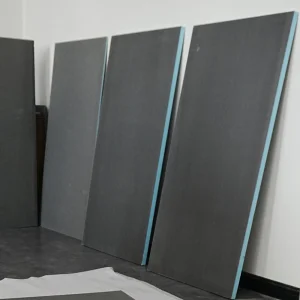
| Extruded Polystyrene (XPS) | 0.028 - 0.032 W/m·K | Class E / B1 | Tile Backer Boards, Moisture-prone Basements |
| Expanded Polystyrene (EPS) | 0.033 - 0.038 W/m·K | Class E / B2 | Standard Factory Sheds, Cost-Effective Cleanrooms |
Different industrial and commercial projects present unique structural and environmental challenges. To ensure a building functions efficiently over its intended lifespan, designers and contractors must match the specific chemical and physical traits of barrier panels to the requirements of the facility.
In sterile environments, the primary requirements are cleanliness, surface smoothness, and prevention of microbial growth. In these setups, sandwich panels must resist chemical sanitizers, support cleanroom air filtration, and incorporate high-performance insulation. Mineral wool and PIR cores with specialized coatings (such as PVDF or anti-static films) are typically used. The panel joint profiles are designed to seal tightly, preventing air bypass or particle accumulation.
Cold chain facilities require constant, reliable temperature control. Even a small thermal leak can lead to condensation, ice buildup, and increased energy costs. PIR and polyurethane (PU) sandwich panels are preferred for cold storage due to their low thermal conductivity. For deep-freeze rooms, panel thicknesses of 150mm to 200mm are commonly used to create a continuous thermal barrier that minimizes heat transfer through joints.
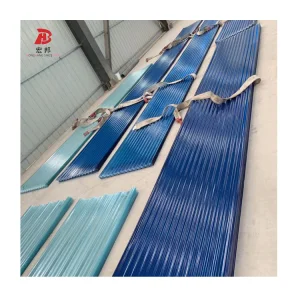
For large-scale warehouses and manufacturing plants, insulation panels serve as both thermal protection and structural cladding. These panels must withstand wind loads, resist corrosion, and maintain their appearance over time. Factory-manufactured panels featuring double-belt continuous lamination provide consistent strength across long spans, reducing the need for heavy secondary steel support structures.
The global supply chain for building materials has evolved, with top manufacturers adopting advanced industrial processes to maintain quality and reliability. As a key manufacturing region, China has seen a transition from manual assembly to automated, data-driven production systems.
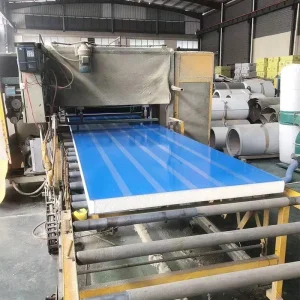
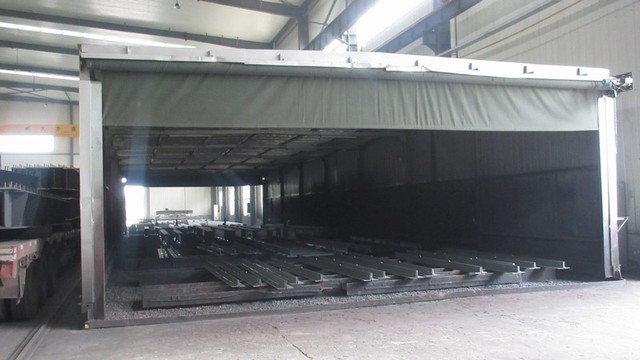
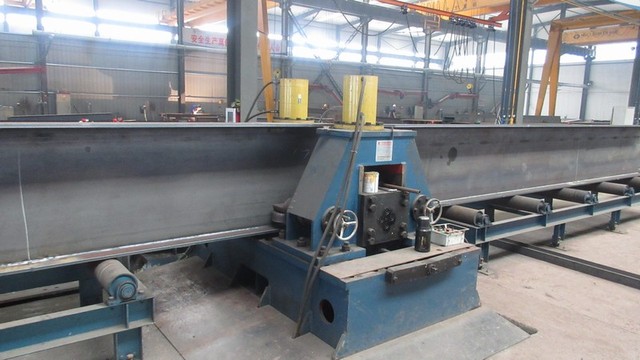
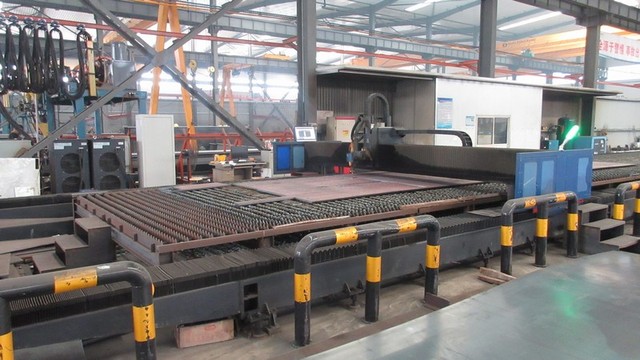
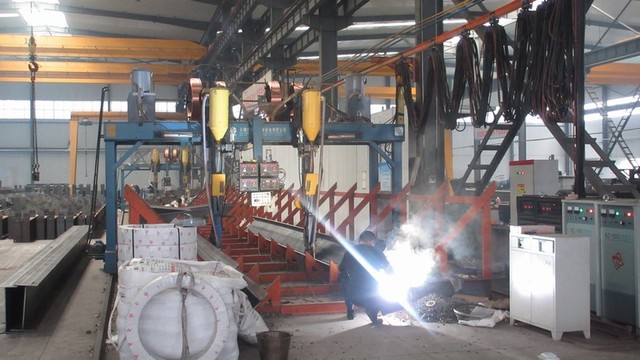
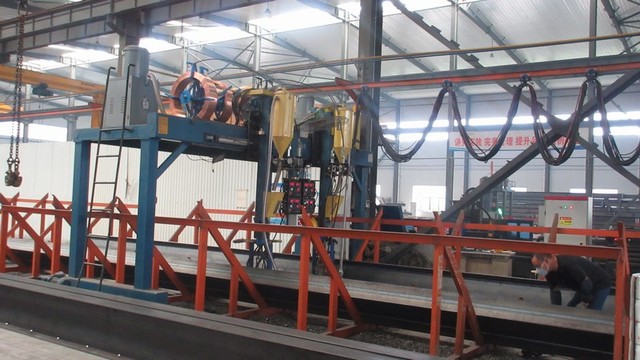
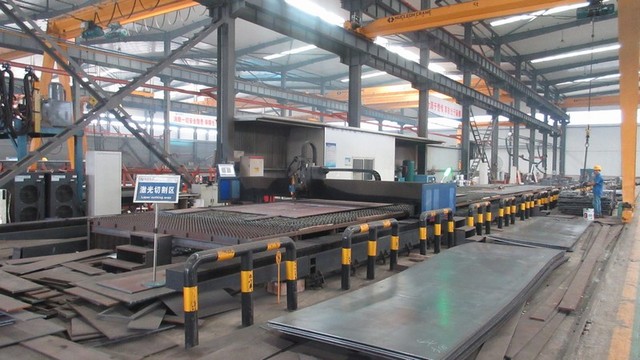
Modern production facilities utilize continuous double-belt automated lines to manufacture polyurethane and rock wool sandwich panels. The process begins with raw steel uncoilers, moves through corona treatment and heat chambers, and concludes with automated chemical injection, curing, and precision sawing. By maintaining consistent temperatures and mixing ratios throughout the line, manufacturers achieve uniform foam density, clean adhesion, and minimal thickness variation.
This automated approach provides significant benefits for large-scale projects:
Ningbo Jonas Build Co., Ltd. is a professional China industrial construction panel manufacturer specializing in insulated building panel solutions for global industrial and commercial construction projects. With extensive industry experience and advanced manufacturing capabilities, the company is committed to delivering high-quality, energy-efficient, and customized panel systems that meet the diverse requirements of customers worldwide.
The company provides a comprehensive range of products, including insulated sandwich panels, industrial wall panels, roofing panels, cold room panels, cleanroom panels, fire-rated panels, and customized building envelope solutions. Designed for superior thermal performance, structural reliability, and rapid installation, these products are widely used in industrial plants, warehouses, logistics centers, cold storage facilities, commercial buildings, modular construction projects, and infrastructure developments.
Ningbo Jonas Build Co., Ltd. operates modern production facilities equipped with advanced automated manufacturing lines, precision processing equipment, and strict quality inspection systems. Supported by a skilled team of engineers and technical specialists, the company offers one-stop services covering project consultation, product design, manufacturing, quality assurance, packaging, and international logistics coordination.
Innovation, quality, and sustainability are the core values driving the company's development. By utilizing advanced production technologies and premium raw materials, Jonas Build continuously enhances product performance in thermal insulation, fire resistance, weather protection, and energy efficiency. The company's panel systems help customers reduce construction time, lower operating costs, and improve overall building performance.
Committed to excellence and customer satisfaction, Ningbo Jonas Build Co., Ltd. has established long-term business relationships with clients across Asia, Europe, the Middle East, Africa, and the Americas. The company remains dedicated to providing reliable insulated building panel solutions that support sustainable construction and create long-term value for customers worldwide.
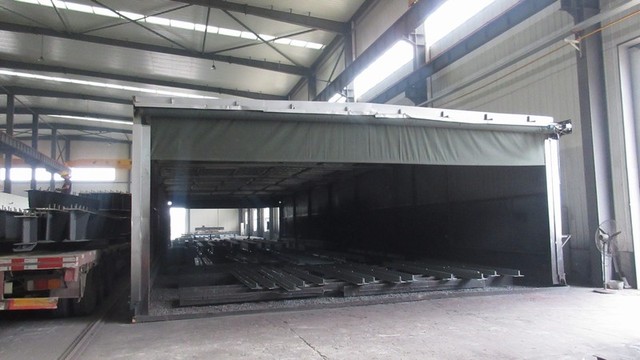
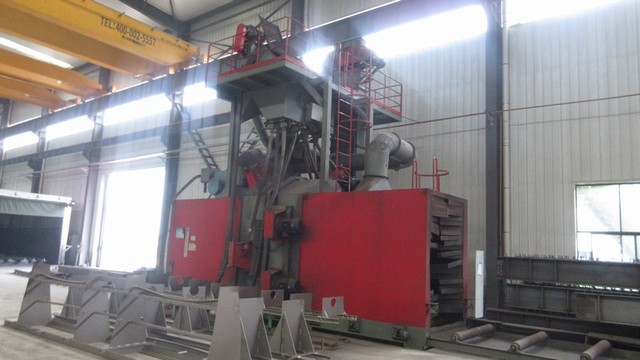
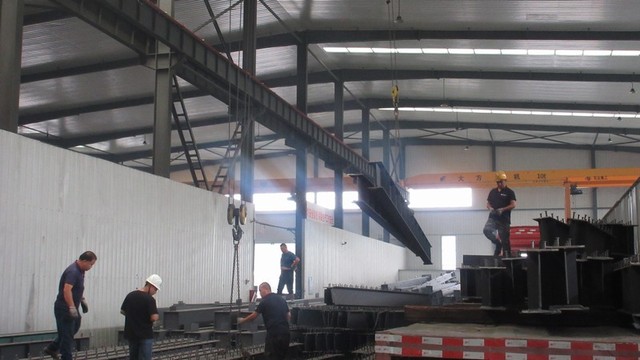
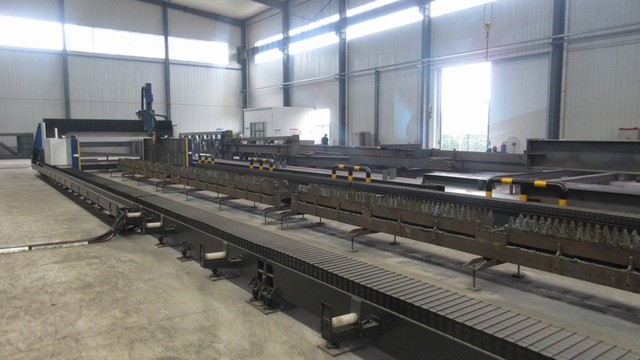
As energy standards tighten worldwide, the building insulation sector is evolving beyond conventional foam and mineral fiber options. Key R&D trends focus on enhancing thermal performance, fire resistance, and environmental sustainability:
1. Bio-based Polyols and Greener Core Materials: Future developments aim to reduce reliance on petroleum-derived chemicals by replacing up to 30% of PU/PIR polyols with plant-based alternatives, such as soy or castor oil. This lowers the embodied carbon footprint of the panels without compromising their thermal properties.
2. Vacuum Insulation Panel (VIP) Hybrids: Combining thin vacuum insulation cores with outer protective layers of PIR or rock wool produces high-performance barrier panels. These hybrid systems can achieve equivalent R-values at half the thickness of standard panels, which is particularly beneficial for urban projects where space is limited.
3. Low-GWP Blowing Agents: Modern manufacturers are transitioning to next-generation blowing agents (such as HFOs) with a Global Warming Potential (GWP) close to zero. This ensures the insulation core remains stable over its lifespan without emitting ozone-depleting gases.
Building codes vary significantly across international markets. Procurement teams must ensure that imported panels carry the correct local certifications and ratings to avoid project delays or compliance issues during inspections.
Key regulatory compliance frameworks include:
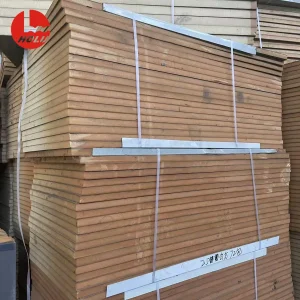
In addition to regulatory compliance, successful projects depend on reliable logistics. Specialized shipping racks, protective films on steel skins, and moisture-controlled containers help prevent damage during long-distance transit.
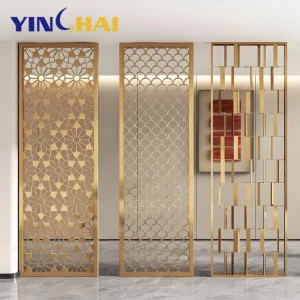
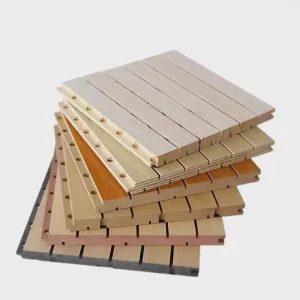
Acoustic, fireproof, and architectural barrier systems for demanding structural layouts.
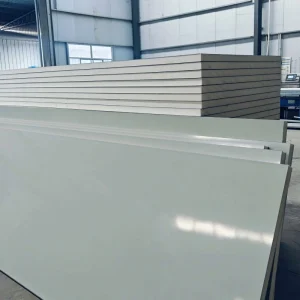
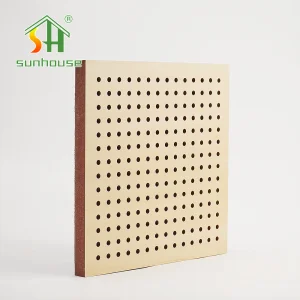
Engineering answers regarding thermal efficiency, installation standards, and manufacturing specifications.
PIR (Polyisocyanurate) is an advanced version of PUR (Polyurethane). While both use similar raw materials, PIR is manufactured using a higher proportion of isocyanurate, which reacts under high temperatures to create strong ring-like chemical structures. This structural difference makes PIR more stable, improves its fire resistance, and provides a lower thermal conductivity rating (down to 0.019 W/m·K) compared to traditional PUR.
Rock wool is made from natural volcanic rock (such as basalt) and slag, which are melted at high temperatures and spun into fibers. Because it is composed of inorganic stone, the material is naturally non-combustible. When used as the core of a sandwich panel with steel outer skins, it does not fuel fires or produce toxic smoke, allowing it to achieve Class A1 (EN 13501-1) or Class A (ASTM E84) ratings.
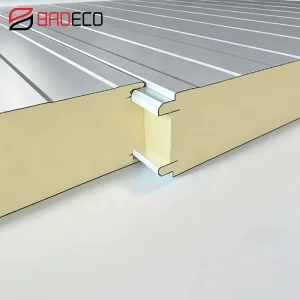
Even panels with high thermal resistance can lose efficiency if warm, moist air leaks through the joints. This can lead to condensation, mold growth, or ice formation in cold storage facilities. To prevent this, manufacturers design panels with interlocking tongue-and-groove joints, factory-installed gaskets, and spaces for field-applied sealants to form a continuous vapor barrier.
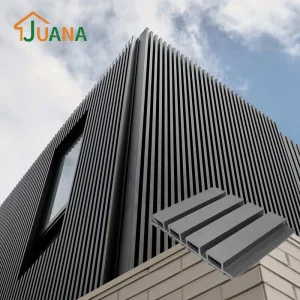
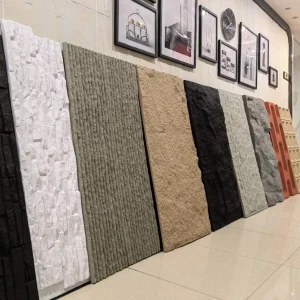
Yes. XPS (Extruded Polystyrene) tile backer boards are highly moisture-resistant, making them suitable for wet areas and below-grade foundation walls. WPC (Wood Plastic Composite) panels serve as durable decorative cladding, protecting the primary insulation layer from wind, rain, and UV damage.
Procurement teams should verify that products hold recognized international certifications. These include CE Marks for Europe (complying with EN 14509 standards), FM Approvals (Class 4880/4881) for insurance compliance, and ASTM E84/E119 test reports from accredited laboratories (such as SGS, Intertek, or UL) to confirm fire safety ratings.
Ningbo Jonas Build Co., Ltd. uses specialized packaging methods for international transit. Panels are wrapped in protective polyethylene films, stacked on custom pallets, and secured with corner guards. They are loaded into ocean containers using specialized equipment to prevent shifting and physical damage during shipping.
 Jonas Build