Engineered thermal insulation, acoustic control, and high durability structural wall systems optimized for global standard regulations.
Within modern industrial design, traditional dynamic and static partitions have undergone a fundamental shift toward flexible wall systems. The integration of structural insulated panels (SIPs) and composite aluminum claddings allows architects and mechanical engineers to configure buildings that are not only seismically stable but also modularly flexible. A flexible wall system acts as a multi-functional barrier system that handles thermodynamic control, acoustics, fire propagation suppression, and space configuration alterations with zero down-time.
In high-precision projects, such as pharmaceuticals, microelectronics cleanrooms, and food-grade cold storages, the engineering requirements of the modular panels become critical. Wall structures must maintain structural rigidity while achieving cleanroom airtightness standard ISO 14644-1. Achieving these parameters depends on advanced raw material selection, manufacturing tolerances, and automated assembly techniques that only specialized global manufacturers can offer.
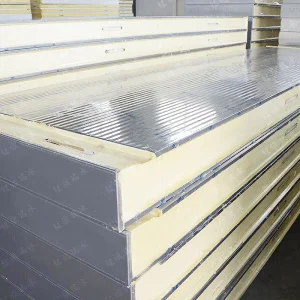
Utilizing high-density rock wool, magnesium oxide (Mgo) cores, and customized polyurethane structures to guarantee integrity under ASTM E84 testing protocols.
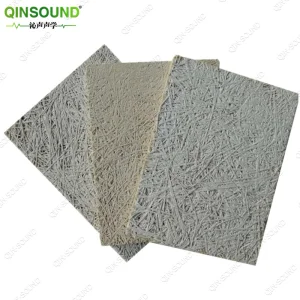
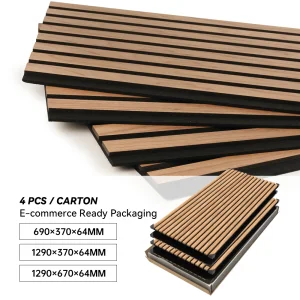
Decoupled systems using wood wool fiber composites and sound-absorption layers to limit inter-room noise transfer in commercial and hotel projects.
Male-female interlocking mechanisms allow structural panel modules to snap together, shortening erection timetables by up to 50% compared to wet masonry.
An analytical breakdown of the tier-1 companies defining the technological capabilities of structural partition systems worldwide.
In analyzing the global supply chain, top manufacturers are categorized by their technical focus. Brands specializing in high-performance insulation solutions (like polyurethane and polyisocyanurate cores) lead the market in logistics and warehousing. Meanwhile, architectural manufacturers focusing on aesthetic facade claddings (such as aluminum composite panels and wood-plastic composites) lead in high-end hospitality and institutional buildings. Understanding each manufacturer's primary focus enables precise procurement matching.
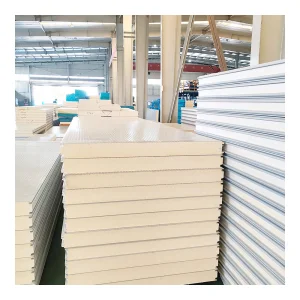
Primary Focus: High-performance PIR/PUR insulated panels and building envelope subsystems.
Recognized globally for its thermal efficiency systems, Kingspan is the standard-bearer for commercial cold chain infrastructure and modern insulated roofing designs.
Primary Focus: Industrial architectural insulated metal panels (IMPs).
Specializes in producing advanced panel configurations for high-capacity industrial warehouses and distribution terminals across the Americas.
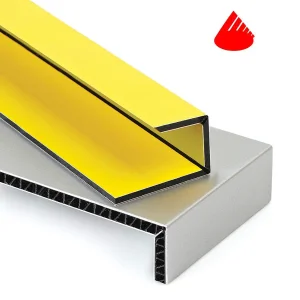
Primary Focus: Aluminum composite materials (ACM) and dynamic exterior facade systems.
The industry benchmark for modern exterior visual aesthetics, creating lightweight yet highly resilient exterior cladding systems for landmark projects.
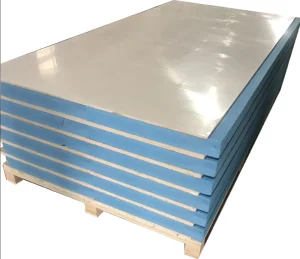
Primary Focus: Turnkey industrial insulated panels, GMP cleanroom walls, and customizable sandwich panel structures.
A premier Chinese manufacturer focusing on integrating advanced automation with customizable building envelope parameters for global distribution. (Detailed profile below).
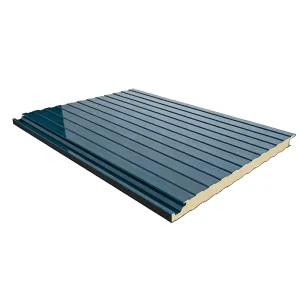
Primary Focus: Steel-faced cladding and structural sandwich roof systems.
Known for strong structural calculations and heavy-duty protective coatings suited for harsh chemical environments and high-humidity sites.
Primary Focus: Sustainable metal-based wall systems and solar-integrated facades.
A European pioneer in incorporating carbon-neutral steel and sustainable design parameters into commercial and industrial wall products.
Primary Focus: Custom architectural wall panel systems with advanced moisture drainage technology.
Engineers complex facade designs that incorporate dynamic integrated rain screens and high-velocity wind load resistance.
Primary Focus: Eco-friendly polyurethane insulation panels for cold rooms and energy-efficient architecture.
Focuses on LEED certifications and green building initiatives, ensuring low global warming potential (GWP) blowing agents in foam formulations.
Primary Focus: Fast-install commercial wall and roof components.
Provides highly competitive, standardized products with rapid manufacturing lead times to speed up commercial development construction.
Ningbo Jonas Build Co., Ltd. is a professional China industrial construction panel manufacturer specializing in insulated building panel solutions for global industrial and commercial construction projects. With extensive industry experience and advanced manufacturing capabilities, the company is committed to delivering high-quality, energy-efficient, and customized panel systems that meet the diverse requirements of customers worldwide.
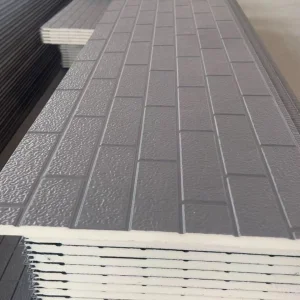
The company provides a comprehensive range of products, including insulated sandwich panels, industrial wall panels, roofing panels, cold room panels, cleanroom panels, fire-rated panels, and customized building envelope solutions. Designed for superior thermal performance, structural reliability, and rapid installation, these products are widely used in industrial plants, warehouses, logistics centers, cold storage facilities, commercial buildings, modular construction projects, and infrastructure developments.
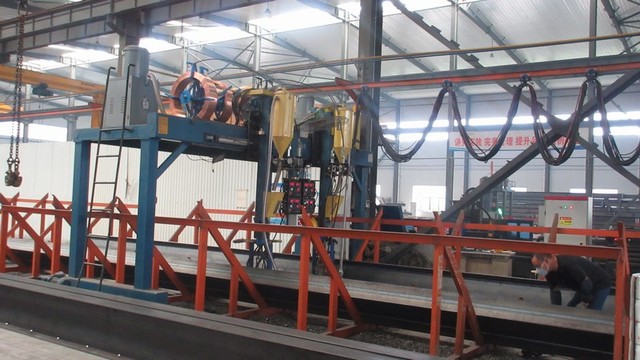
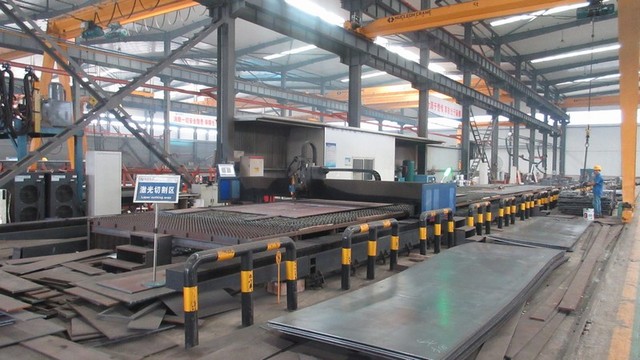
Ningbo Jonas Build Co., Ltd. operates modern production facilities equipped with advanced automated manufacturing lines, precision processing equipment, and strict quality inspection systems. Supported by a skilled team of engineers and technical specialists, the company offers one-stop services covering project consultation, product design, manufacturing, quality assurance, packaging, and international logistics coordination.
Innovation, quality, and sustainability are the core values driving the company's development. By utilizing advanced production technologies and premium raw materials, Jonas Build continuously enhances product performance in thermal insulation, fire resistance, weather protection, and energy efficiency. The company's panel systems help customers reduce construction time, lower operating costs, and improve overall building performance.
Committed to excellence and customer satisfaction, Ningbo Jonas Build Co., Ltd. has established long-term business relationships with clients across Asia, Europe, the Middle East, Africa, and the Americas. The company remains dedicated to providing reliable insulated building panel solutions that support sustainable construction and create long-term value for customers worldwide.
Why global procurement agencies are increasingly sourcing modular flexible wall components from China's highly integrated supply chains.
Ningbo and surrounding Zhejiang industrial hubs provide direct access to raw raw steel mills and global chemical providers (MDI/TDI for polyurethane). This proximity eliminates structural cost inflation and minimizes transit delays for component ingredients.
Chinese factories utilize advanced continuous production lines from European and high-end domestic brands, ensuring high density control, zero inner cavity voids, and precise panel surface flatness across high volume runs.
Unlike rigid production lines in the West, Chinese manufacturers offer quick tooling modifications for custom profiles, varying core thicknesses (50mm to 200mm), and distinct metal skin types (such as anti-static, anti-corrosive PVDF, or structural HPS200).
Decarbonization, structural intelligence, and off-site manufacturing (OSM) are reshaping wall specification criteria.
The construction sector is shifting away from carbon-intensive wet methods toward Design for Deconstruction (DfD). Flexible wall systems allow buildings to be reconfigured internally, extending the building's operational lifespan. Over the next five years, dynamic material and structural trends will shape procurement processes:
Research is shifting away from halogenated flame retardants toward bio-based polyols and highly recyclable cement-wood matrices. This reduces the embodied carbon of building envelopes while maintaining structural fire safety ratings.
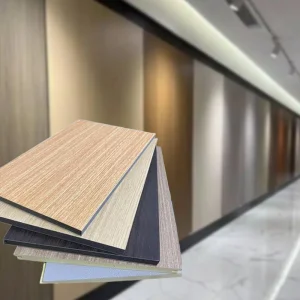
New decorative composite panels (such as carbon crystal and bamboo carbon fiber structures) integrate acoustic micro-cavities. These trap sound waves within the panel, delivering high STC ratings with thinner profiles.
Sourcing complete facade panels, window cutouts, internal wiring conduits, and integrated piping directly from the manufacturing plant cuts site labor demands by up to 70% and minimizes building construction delays.
How flexible wall panels are customized to meet operational demands in different industries.
Challenge: Maintaining strict sub-zero temperatures (down to -40°C) with zero thermal bridging.
Solution: 150mm to 200mm PUR/PIR sandwich panels featuring tight interlocking joints and vapor-barrier gaskets. This layout prevents internal ice formation and lowers commercial HVAC system energy costs.
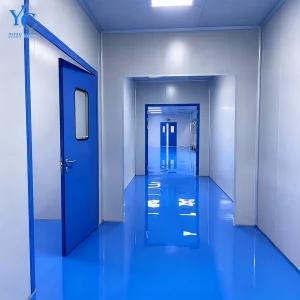
Challenge: Achieving particulate-free air limits, chemical resistance, and smooth flush surfaces.
Solution: Cleanroom wall panels featuring double-sided structural steel skins and anti-static coatings, designed to fit flush with ceiling panels, light fixtures, and structural columns.
Challenge: Combining exterior weather resistance with natural wood textures.
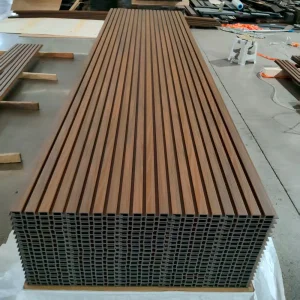
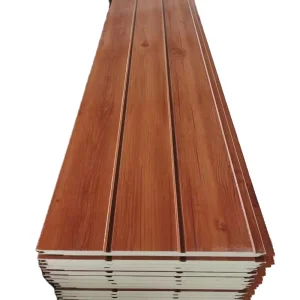
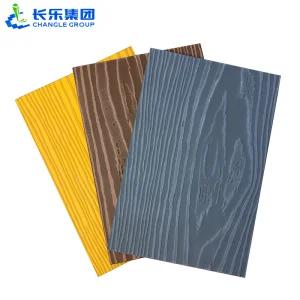
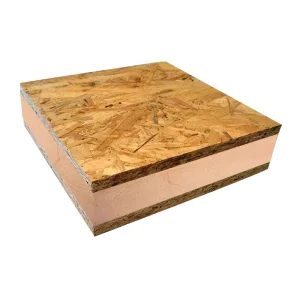
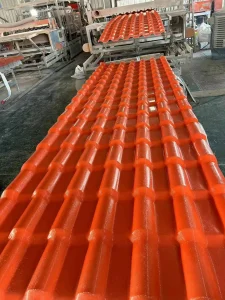
Solution: Multi-layer co-extruded wood-plastic composite (WPC) claddings paired with internal structural Mgo SIP panels. This configuration delivers excellent fire ratings and energy efficiency with minimal exterior maintenance.
Enterprise procurement specialists evaluating manufacturers must look beyond basic pricing per square meter. A comprehensive sourcing process requires assessing several technical criteria:
Panels must meet certified EN 13501-1 fire classifications, FM approvals, CE marks for European distribution, and ASTM structural integrity standards for wind loads and impact resistance.
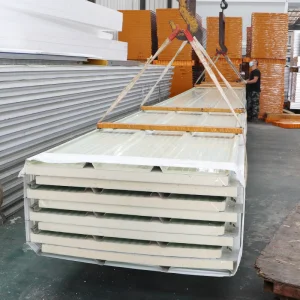
Heavy-duty protective packaging, export crate bracing, and moisture protection are critical. Proximity to international shipping ports (like the Port of Ningbo-Zhoushan) reduces inland transit delays and transport costs.
Request mill test certificates for steel coil coatings (e.g., zinc coating weight check) and independent test reports certifying density, thermal conductivity, and structural load capacities.
Key questions to consider when selecting and specifying flexible wall and sandwich panel systems.
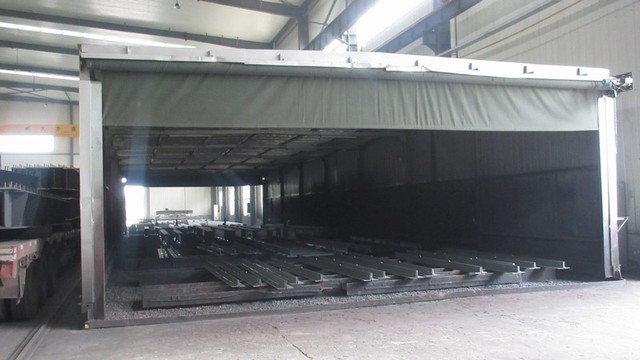
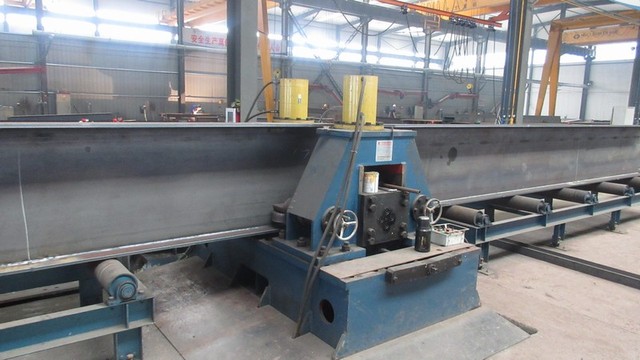
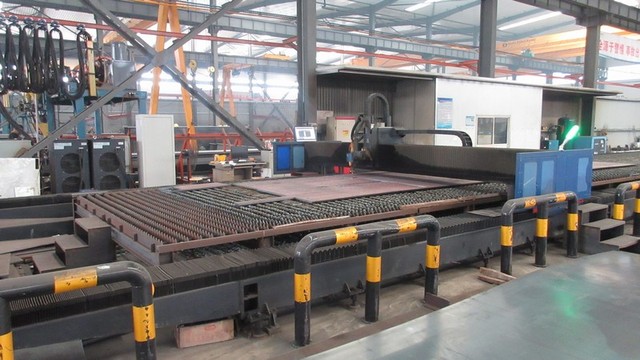
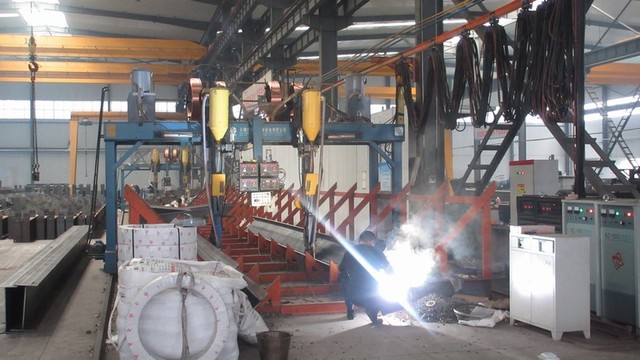
Inside the production lines: automated manufacturing processes, precision testing, and logistics packaging operations.
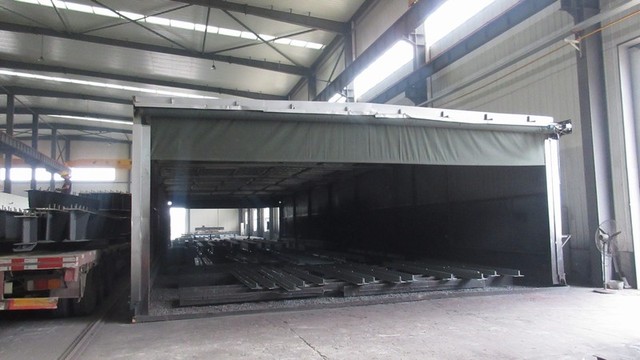
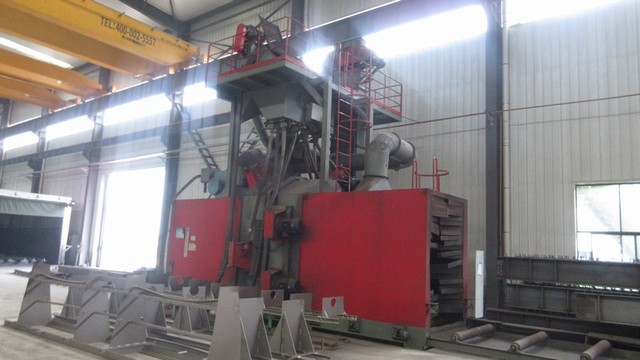
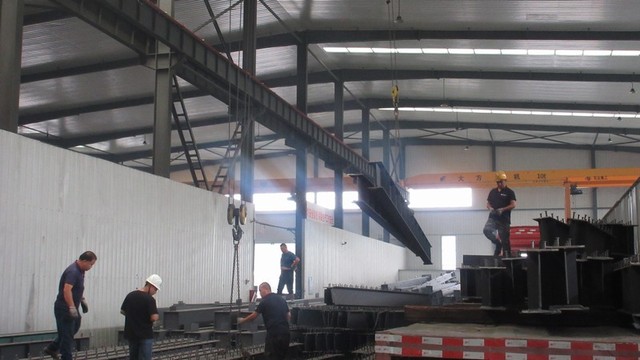
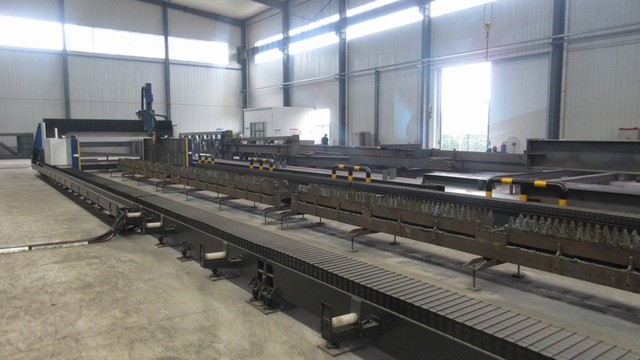
Durable, insulated systems designed to meet industrial, cleanroom, and residential building requirements.
 Jonas Build