Our premium selection of industrial composite sheets, acoustic cladding, fireproof cores, and thermo-insulated sandwich systems engineered for structural reliability and thermal efficiency.
Modern commercial and industrial infrastructure is undergoing a regulatory and design revolution. Historically, structural composite boards and thermal barrier cores relied on solvent-based adhesives and chemical foaming agents that emitted Volatile Organic Compounds (VOCs) over long lifecycles. These emissions degrade indoor air quality (IAQ), compromise sterile environments like pharmaceutical cleanrooms, and pose long-term environmental hazards.
Solvent-Free Insulation Panels represent the cutting edge of material science. By utilizing clean hot-melt polyurethane reactive (PUR-hotmelt) lamination technologies, zero-solvent chemical foaming systems, and inorganic binders, modern manufacturers deliver outstanding thermal resistance (R-values) without chemical outgassing. This change is vital for complying with green building frameworks such as LEED v4, BREEAM, and the EU's strict chemical containment codes (REACH).
According to recent global industrial surveys, the demand for green, low-VOC building materials is growing at an annual rate (CAGR) of 6.8%. Key drivers include the rapid expansion of global cold chain logistics networks, specialized cleanrooms for semiconductor and biotech production, and strict Net-Zero building regulations.
In North America and Europe, strict limits on organic solvents have forced contractors to choose solvent-free composite boards. At the same time, expanding economies in Asia and the Middle East are investing heavily in automated, fire-resistant cold rooms and logistics hubs. This shift has turned solvent-free polyurethane (PUR), polyisocyanurate (PIR), and mineral rock wool sandwich panels from specialty products into global industry standards.
European Union: The EU Green Deal and EN 13165 standards drive the phase-out of traditional solvent adhesives in panel cores.
United States: ASHRAE 90.1 energy guidelines and EPA Clean Air regulations incentivize low-emission envelope systems.
Global Logistics: The cold chain boom requires panels that prevent micro-gassing to protect food products from chemical taste contamination.
Choosing the right core panel requires balancing thermal properties, fire ratings, environmental impact, and weight. The comparison table below highlights the performance of major solvent-free cores:
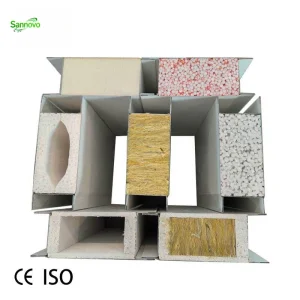
| Core Material Type | Thermal R-Value (per inch) | VOC & Solvent Profile | Fire Classification | Primary Industrial Application |
|---|---|---|---|---|
| Polyisocyanurate (PIR) | R-6.0 to R-7.2 | Zero-Solvent, Zero-VOC | ASTM E84 Class A / PIR Fire Resistant | Cold Storage Facilities, Warehouses |
| Mineral Rock Wool | R-3.2 to R-3.8 | Inorganic, Solvent-Free Binder | A1 Non-combustible | High-fire risk boundaries, Manufacturing |
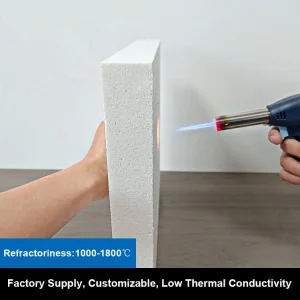
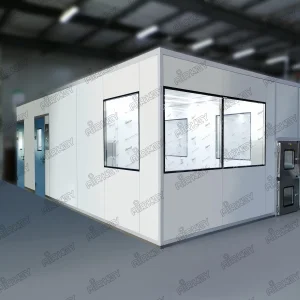
| Silicon Rock Sandwich | R-3.5 to R-4.0 | Adhesive-free high heat processing | Excellent Flame-Stop | Cleanrooms, Commercial Partitions |
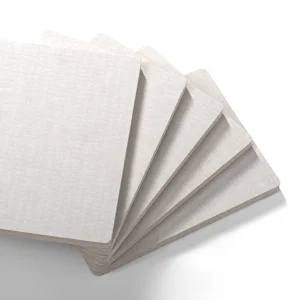
| Magnesium Oxide (MGO) | R-2.8 to R-3.2 | Zero Chemical Outgassing | Non-combustible Structural | Sub-flooring, High-impact dry areas |
| Ceramic Fiber Board | R-3.0 to R-3.5 | Inorganic high-temp binders | Ultra-high-temp fire resistance | Industrial furnaces, Boiler enclosures |
When looking for top-tier solvent-free panel manufacturers, procurement directors and engineering leads should evaluate key operational benchmarks:
Fully automated continuous production lines ensure consistent foam distribution, eliminating thermal bridging caused by air gaps.
Suppliers must prove they use zero-solvent hot-melt adhesives and eco-certified foaming agents through third-party certifications.
Leading suppliers offer design support, structural wind load analysis, thermal modeling, and customized panel layouts.
Ningbo Jonas Build Co., Ltd. is a professional China industrial construction panel manufacturer specializing in insulated building panel solutions for global industrial and commercial construction projects. With extensive industry experience and advanced manufacturing capabilities, the company is committed to delivering high-quality, energy-efficient, and customized panel systems that meet the diverse requirements of customers worldwide.
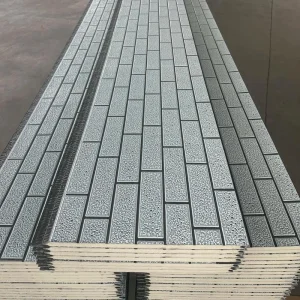
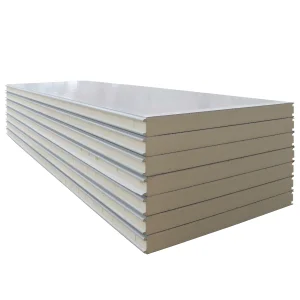
The company provides a comprehensive range of products, including insulated sandwich panels, industrial wall panels, roofing panels, cold room panels, cleanroom panels, fire-rated panels, and customized building envelope solutions. Designed for superior thermal performance, structural reliability, and rapid installation, these products are widely used in industrial plants, warehouses, logistics centers, cold storage facilities, commercial buildings, modular construction projects, and infrastructure developments.
Ningbo Jonas Build Co., Ltd. operates modern production facilities equipped with advanced automated manufacturing lines, precision processing equipment, and strict quality inspection systems. Supported by a skilled team of engineers and technical specialists, the company offers one-stop services covering project consultation, product design, manufacturing, quality assurance, packaging, and international logistics coordination.
Innovation, quality, and sustainability are the core values driving the company's development. By utilizing advanced production technologies and premium raw materials, Jonas Build continuously enhances product performance in thermal insulation, fire resistance, weather protection, and energy efficiency. The company's panel systems help customers reduce construction time, lower operating costs, and improve overall building performance.
Committed to excellence and customer satisfaction, Ningbo Jonas Build Co., Ltd. has established long-term business relationships with clients across Asia, Europe, the Middle East, Africa, and the Americas. The company remains dedicated to providing reliable insulated building panel solutions that support sustainable construction and create long-term value for customers worldwide.
The future of industrial insulation panels lies in organic chemical circularity and thermal efficiency. Major material innovations are focused on replacing fossil-based polyols with bio-based alternatives (such as agricultural waste and lignin) while maintaining high structural performance. At the same time, next-generation lamination processes are moving away from traditional physical solvents toward reactive hot-melt formulations.
Developing bio-based polyol cores from plant starches reduces carbon footprint while maintaining identical flame retardancy and thermal properties.
Transitioning from traditional HFCs to fourth-generation Hydrofluoroolefins (HFOs) ensures a Global Warming Potential (GWP) of less than 1 and zero Ozone Depletion Potential (ODP).
To achieve Net-Zero energy building certifications, design offices are shifting from single-component products to complete, integrated envelope systems. Combining solvent-free structural core panels with smart energy envelopes—such as integrated solar PV systems and advanced heat recovery HVAC ducting—allows modern structures to achieve net-neutral energy usage while keeping indoor environments chemical-free.
Get quick answers to common questions about solvent-free architectural insulation panel technologies:
A panel is solvent-free when its core, adhesives, and coatings do not contain volatile organic solvents (such as toluene, xylene, or acetone). The bonding is achieved using advanced hot-melt reactive polyurethane chemistry, and the foam expansion uses low-emission blowing agents, ensuring no volatile compounds outgas after installation.
Traditional organic solvents slowly release chemical vapors over time. In cleanrooms and laboratories, these vapors degrade sensitive electronics and compromise sterile air quality. In cold storage, volatile compounds can contaminate food products, affecting their taste and purity.
PIR is a high-performance thermoset polymer that provides excellent thermal resistance and limits flame spread (Class A/B1). Rock Wool is made of mineral fibers, making it completely non-combustible (Class A1) and ideal for fire barriers, though it has a lower R-value per inch compared to PIR.
No. High-quality solvent-free bonding layers, such as PUR-hotmelts, form strong cross-linked polymer bonds that resist moisture, high temperatures, and structural stress. Their performance meets or exceeds that of traditional solvent-based panels.
Explore additional structural products, including heavy-duty rock wool sandwich panels, HVAC ducting boards, and waterproof MGO flooring systems:
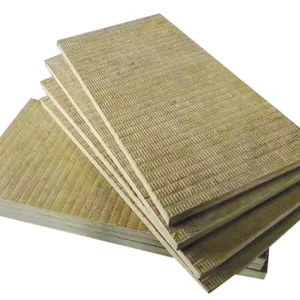
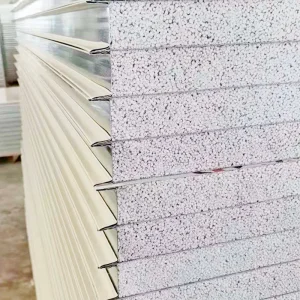
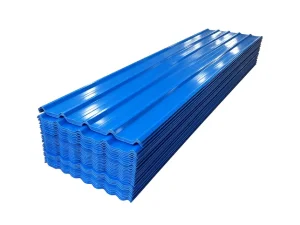
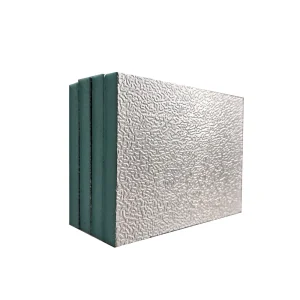
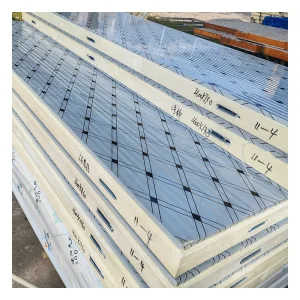
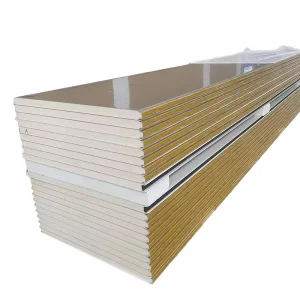
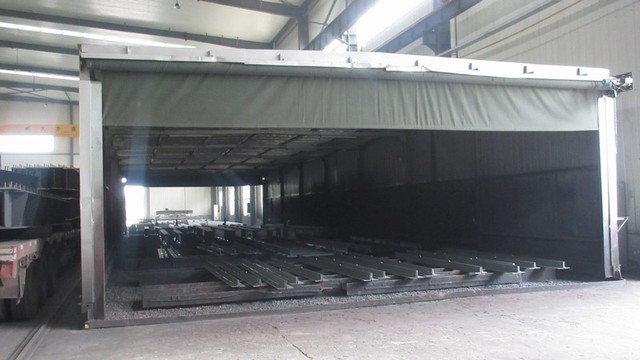
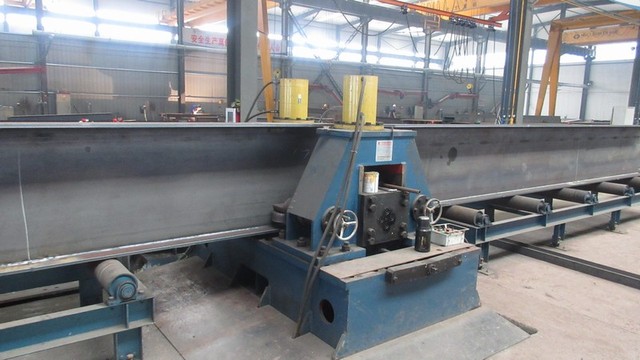
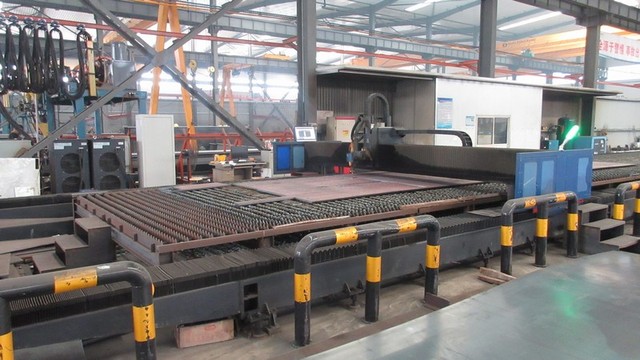
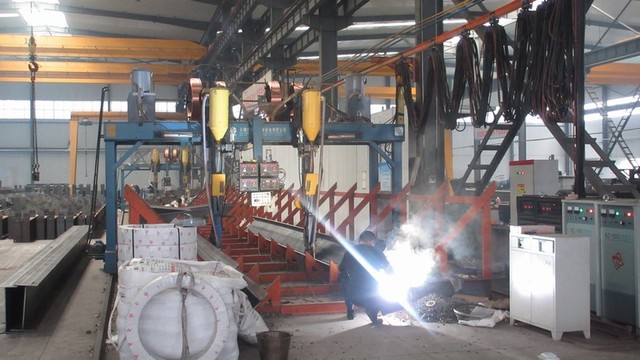
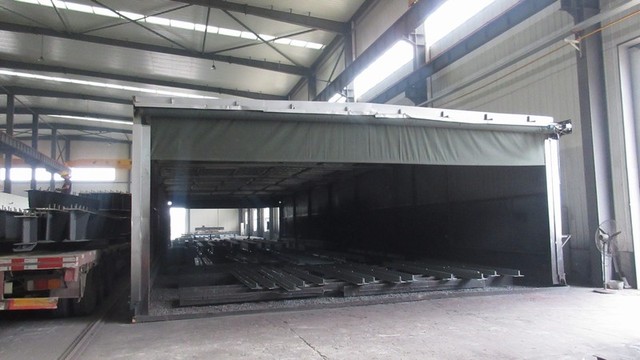
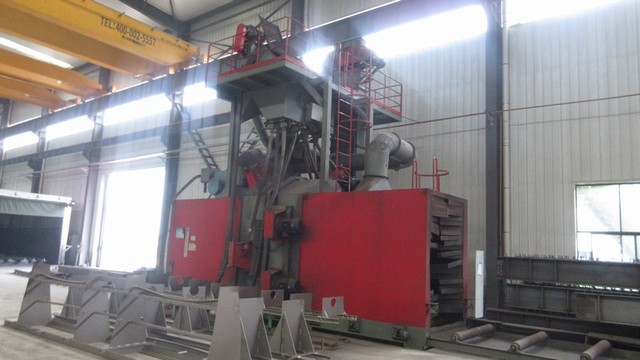
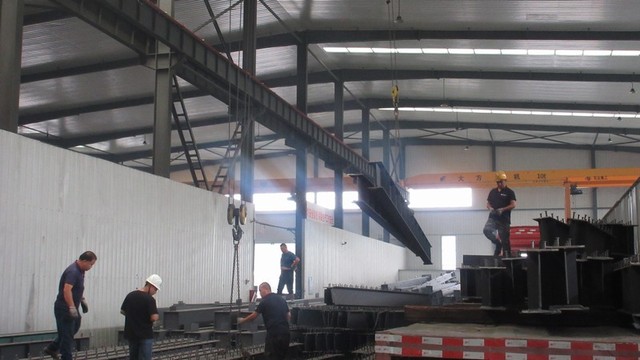
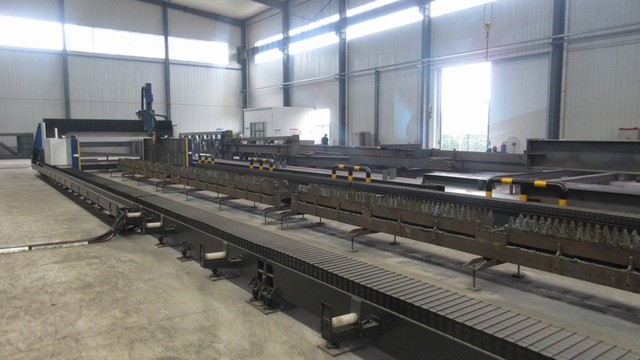
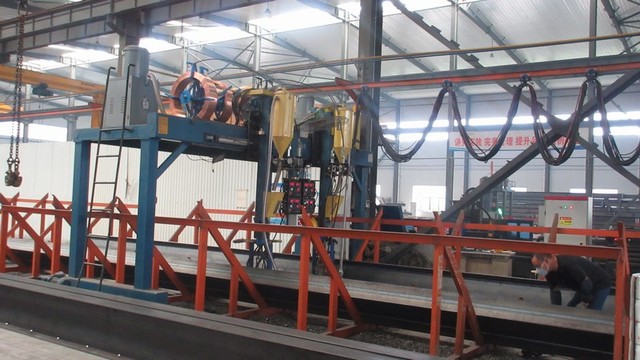
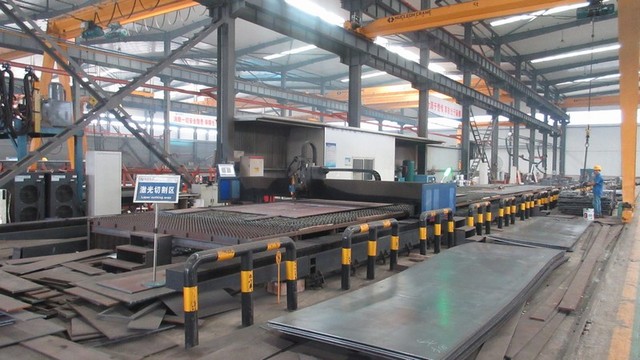
We implement strict quality assurance protocols and utilize advanced automated double-belt production systems to ensure reliable performance across all panel solutions:
 Jonas Build