Explore our elite portfolio of high-strength structural substrates, insulated cores, and modular building envelope materials.
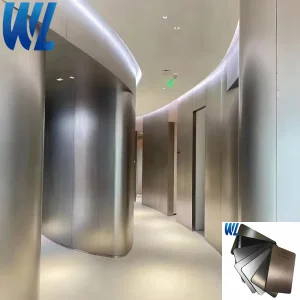
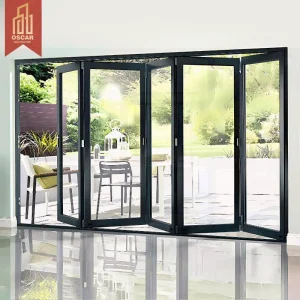
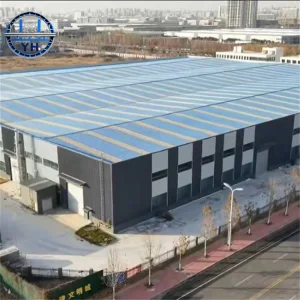
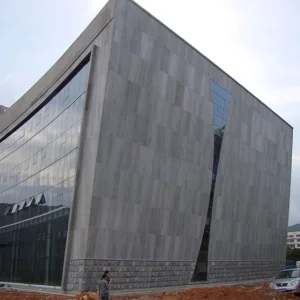
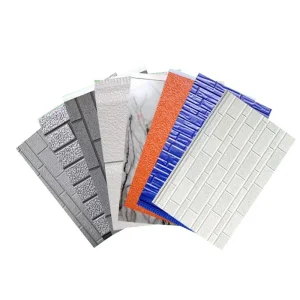
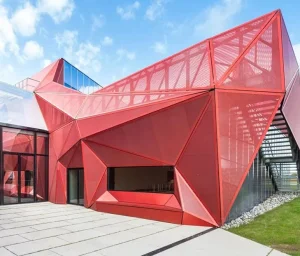
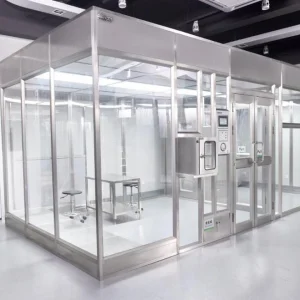

Ningbo Jonas Build Co., Ltd. is a professional China industrial construction panel manufacturer specializing in insulated building panel solutions for global industrial and commercial construction projects. With extensive industry experience and advanced manufacturing capabilities, the company is committed to delivering high-quality, energy-efficient, and customized panel systems that meet the diverse requirements of customers worldwide.
The company provides a comprehensive range of products, including insulated sandwich panels, industrial wall panels, roofing panels, cold room panels, cleanroom panels, fire-rated panels, and customized building envelope solutions. Designed for superior thermal performance, structural reliability, and rapid installation, these products are widely used in industrial plants, warehouses, logistics centers, cold storage facilities, commercial buildings, modular construction projects, and infrastructure developments.
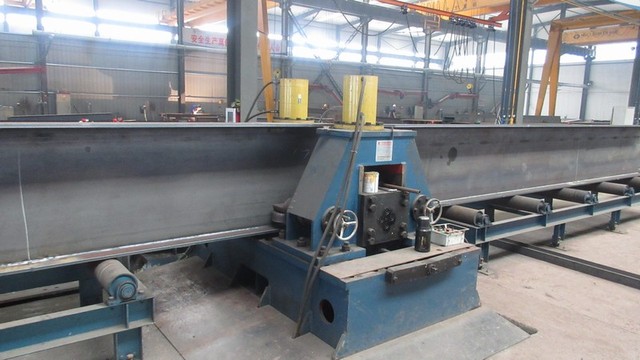
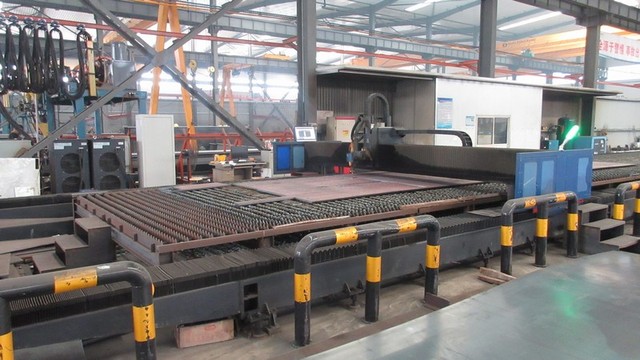
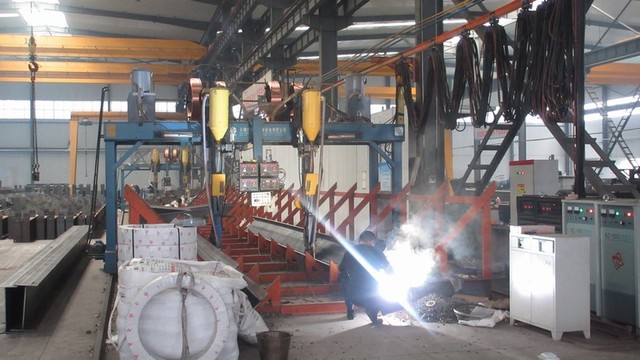
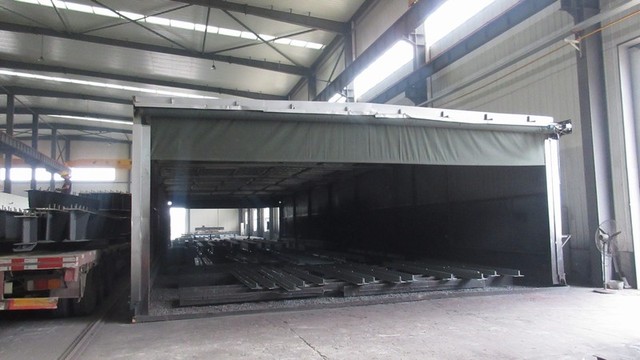
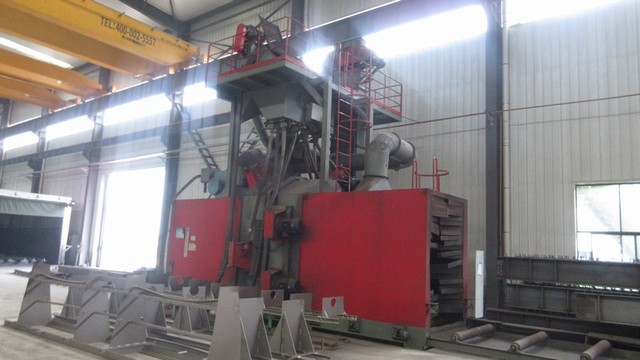
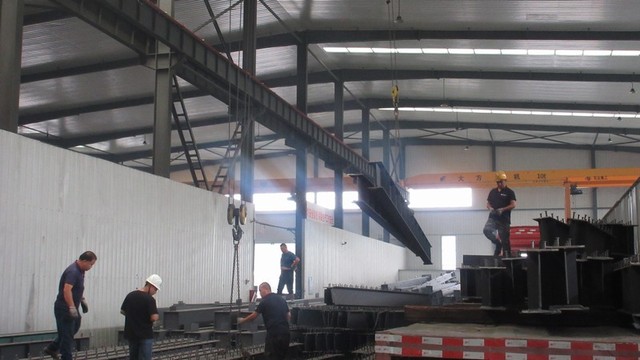
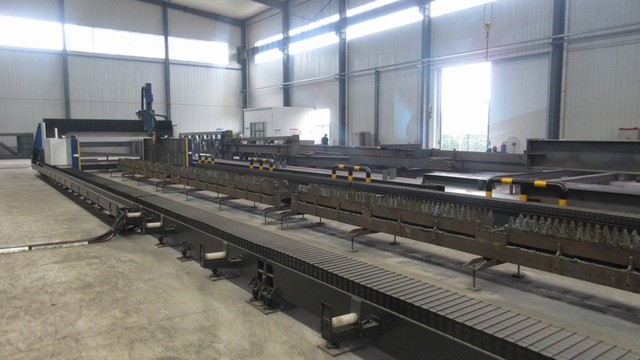
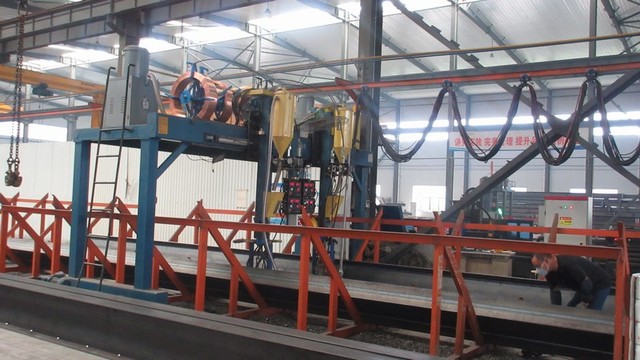
Ningbo Jonas Build Co., Ltd. operates modern production facilities equipped with advanced automated manufacturing lines, precision processing equipment, and strict quality inspection systems. Supported by a skilled team of engineers and technical specialists, the company offers one-stop services covering project consultation, product design, manufacturing, quality assurance, packaging, and international logistics coordination.
Innovation, quality, and sustainability are the core values driving the company's development. By utilizing advanced production technologies and premium raw materials, Jonas Build continuously enhances product performance in thermal insulation, fire resistance, weather protection, and energy efficiency. The company's panel systems help customers reduce construction time, lower operating costs, and improve overall building performance.
Committed to excellence and customer satisfaction, Ningbo Jonas Build Co., Ltd. has established long-term business relationships with clients across Asia, Europe, the Middle East, Africa, and the Americas. The company remains dedicated to providing reliable insulated building panel solutions that support sustainable construction and create long-term value for customers worldwide.
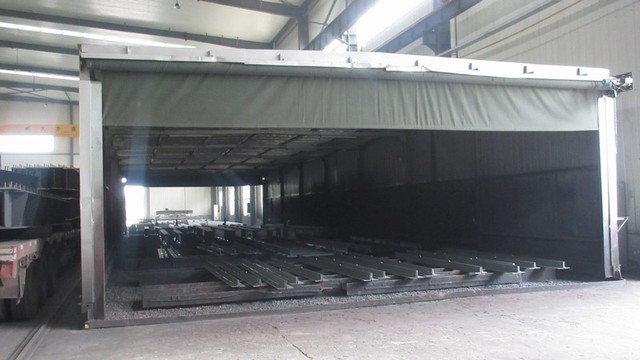
Unpacking the structural shifting and demand indicators of modern industrial design.
The global building industry is undergoing a paradigm shift toward modularization, energy neutrality, and lightweight engineering. Traditional masonry and heavy concrete structures are rapidly being replaced by lightweight structural panels designed to optimize load distribution while maximizing thermal barrier performance. This shift is driven by stringent international energy efficiency codes (such as ASHRAE 90.1 in North America and EPBD in the EU) and the skyrocketing demand for rapid-assembly infrastructure.
From cold chain logistics warehouses requiring precise thermodynamic control to high-strength commercial facades capable of resisting seismic activities, the performance of structural panels defines a building's lifecycles. Engineers and architects look for composite panels that offer high structural integrity with minimal dead weight, reducing foundation costs and overall logistics footprints. Under these conditions, the selection of materials is critical. Suppliers must deliver verified performance metrics—spanning fire resistance, bending stiffness, structural shear strength, and thermal conductivity.
Substantially reduces building dead weight, resulting in a 20% to 30% reduction in foundation costs and structural framing costs globally.
Achieves exceptionally low thermal conductivity (U-values down to 0.16 W/m²K depending on core thickness) to support Net-Zero design protocols.
Modular profiles and integrated tongue-and-groove joint systems shorten on-site construction schedules by up to 50% compared to traditional masonry.
The physics and chemical compositions driving structural lightweight technology.
A true lightweight structural panel must resolve the classic materials engineering paradox: reducing bulk density while maintaining or improving shear and bending resistance. This is achieved by utilizing advanced composite configurations. The most common configuration is the sandwich design, where high-density external skins take on high tensile and compressive stresses, while the low-density core material supports the spacing and absorbs shear forces.
Key engineering technologies used in Ningbo Jonas Build Co., Ltd.’s product formulations include:
Below is a technical comparison of standard core material configurations in China's export market:
| Core Core Material Type | Density (kg/m³) | Thermal Conductivity (W/m·K) | Fire Classification (EN 13501-1) | Primary Strengths |
|---|---|---|---|---|
| Polyurethane (PIR) | 38 - 42 | 0.021 - 0.023 | Class B-s1, d0 | Maximum Insulation, Light Weight |
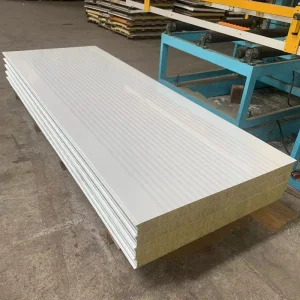
| Mineral Glasswool / Rockwool | 100 - 120 | 0.038 - 0.044 | Class A1 (Incombustible) | Maximum Fire Performance, Acoustic Damping |
| Magnesium Oxide (MGO) | 900 - 1100 | 0.18 - 0.24 | Class A1 | Impact Resistance, Moisture Resistance |
| Aluminum Honeycomb | 45 - 65 | Structural Only | Class A2 | Unmatched Flatness, Lightweight Strength |
How distinct commercial and environmental conditions dictate panel choice.
Food processing facilities, biomedical cold storage, and logistics hubs require constant thermal monitoring. Jonas Build continuous-foaming polyurethane panels seal temperature leaks, eliminating thermal bridging at connection joints.
Prefabricated container mobile houses and remote field offices rely on panels for both structural support and insulation. By utilizing lightweight composite sandwich panels, builders save up to 40% in framing steel, making transportation highly efficient.
Heavy manufacturing environments generate substantial heat and vibration. Lightweight wall and roofing systems, containing fiberglass wool cores, manage ambient noise levels and meet building codes for large-span structures.
Why sourcing structural components from the Ningbo manufacturing cluster guarantees lower risks.
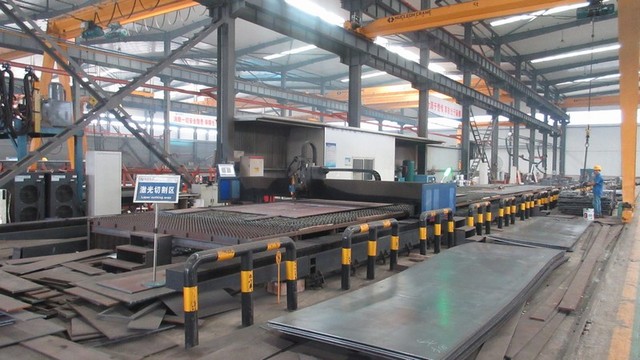
Strategic location and supply chain integration are core advantages of sourcing from Ningbo Jonas Build Co., Ltd. Ningbo hosts one of the world's most advanced chemical and steel manufacturing clusters. This proximity ensures our automated production lines have constant access to high-grade steel coils and premium polyurethane raw materials, shielding our production schedules from global material shortages.
Furthermore, being situated near the Ningbo-Zhoushan Port (the world's largest port by cargo throughput) allows us to coordinate international shipments with short inland transit times. This direct access reduces shipping lead times and protects panels from moisture during long journeys, ensuring they arrive in pristine condition at project sites across Europe, the Americas, and the Middle East.
Global engineering compliance frameworks to ensure building approvals.
A major challenge when importing structural panels is meeting localized building codes and certifications. Ningbo Jonas Build Co., Ltd. addresses this through rigorous testing and compliance protocols.
Our panels are manufactured in accordance with strict international standards, including ASTM E84 (surface burning characteristics in the USA), EN 13501-1 (European fire behavior classification), and ISO 9001:2015 quality management processes. Whether your local building authority requires specific structural wind load calculations, thermal resistance values, or eco-friendly declarations (LEED points), our engineering support team provides the necessary documentation to streamline project approvals.
Expert answers to key design and procurement questions.
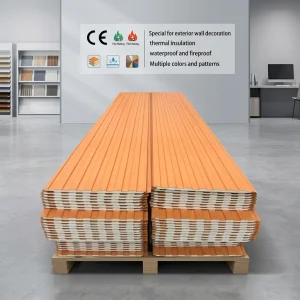
Browse additional fireproof, acoustic, and cleanroom panel configurations designed for global specifications.
 Jonas Build