Engineered cladding, roofing, and structural sandwich systems delivering world-class thermal resistance, mechanical longevity, and certified fire protection.
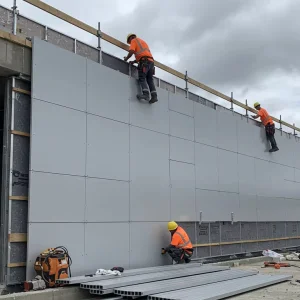
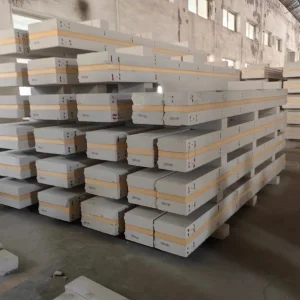
Modern building architecture and thermal management systems are undergoing a rapid technological evolution. Global climate change protocols, high energy expenses, and strict fire safety regulations have made high-performance insulated building envelopes a core requirement for commercial and industrial structures. The days of basic, single-skin sheet claddings are over. Today, structural engineering relies on highly-integrated Modular Insulation Systems that combine load-bearing capabilities, thermal barrier protection, vapor sealing, and finish designs into single, pre-fabricated panel units.
These systems are critical in cold-chain logistics, pharmaceutical clean rooms, hyper-scale data centers, and heavy manufacturing plants. In these environments, precise climate controls are required to prevent energy leaks and ensure mechanical reliability. Modular panels reduce thermal bridging, control humidity, and provide continuous insulation values (R-value). This makes them a key tool for developers who need to meet international green building codes like LEED, BREEAM, and DGNB.
In addition, modern construction projects require fast building times. High structural safety standards demand quick installation speeds with minimal waste. Advanced prefabricated panel technology addresses these challenges by moving most of the assembly process from the job site to controlled factory floors. This optimizes raw material efficiency and ensures consistent quality control.
Building high-performance insulation systems requires matching the physical and chemical properties of the insulation core to the exact needs of the local climate and building design. The table below outlines the performance characteristics of our modular panel core materials, helping project managers and building designers make informed decisions.
| Insulation Core Type | Thermal Conductivity (λ - W/m·K) | Fire Classification (EN 13501-1) | Optimal Operating Temperature Range | Primary Industrial Application |
|---|---|---|---|---|
| Polyisocyanurate (PIR) | 0.020 - 0.022 | B-s1, d0 (High Flame Retardancy) | -150°C to +120°CCold Storage Facilities, Food Processing Plants, HVAC Ducts | |
| Polyurethane (PU / PUR) | 0.022 - 0.024 | B-s2, d0 (Flame Retardant) | -180°C to +110°CCommercial Deep Freezers, Portable Buildings, Prefab Homes | |
| Rock Wool (Stone Wool) | 0.035 - 0.040 | Class A1 (Non-Combustible) | -250°C to +750°CHigh-Rise Facades, Data Centers, Petrochemical Plants | |
| Expanded Polystyrene (EPS) | 0.033 - 0.038 | Class E / B-s3, d0 | -50°C to +75°CBudget Modular Housing, Temporary Prefab Site Offices |
Thermal resistance (R-value) is determined by panel thickness and the core's thermal conductivity. Lower thermal conductivity values allow for thinner panels while maintaining high thermal performance. For example, a 100mm Polyisocyanurate (PIR) core panel provides equivalent thermal performance to a 180mm Expanded Polystyrene (EPS) panel. This space-saving design is highly beneficial for cold storage warehouses, where optimizing internal storage volume directly affects operational revenue.
Tailored building envelope options designed to meet the demands of modern architecture and heavy-duty industrial processing environments.
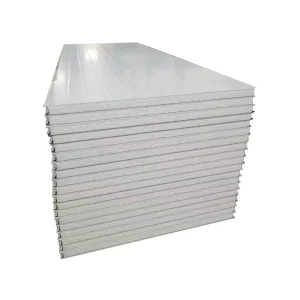
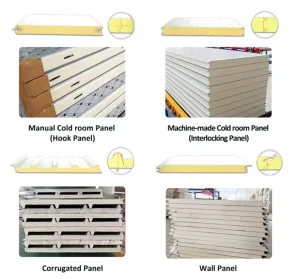
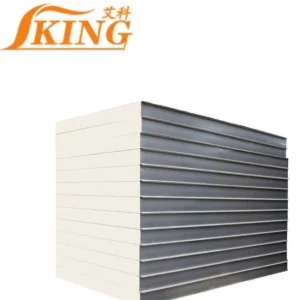
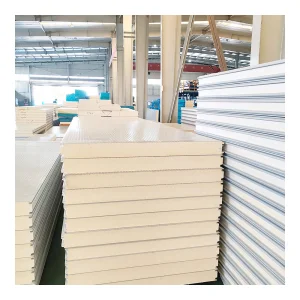
Our thick PU and PIR sandwich panels use advanced tongue-and-groove joint profiles with integrated vapor barriers. This design prevents thermal bridging, prevents ice formation, and reduces the energy load on industrial refrigeration systems.
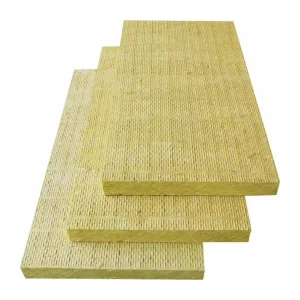
Non-combustible rock wool core systems prevent smoke and fire spread. Flush panel joints and anti-static, chemical-resistant finishes can handle intensive sanitization cycles and protect sensitive electronic or bio-pharmaceutical processes.
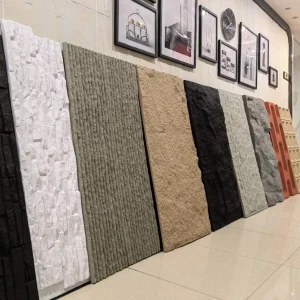
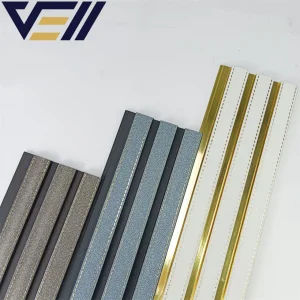
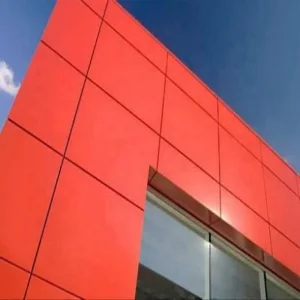
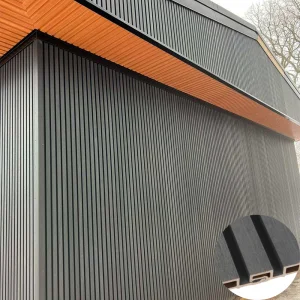
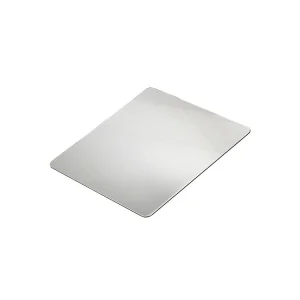
By using PVDF-coated aluminum composite cladding and decorative water-ripple stainless steel, we help designers create visually striking, weather-resistant structures with long-lasting finishes.
Ningbo Jonas Build Co., Ltd. is a professional China industrial construction panel manufacturer specializing in insulated building panel solutions for global industrial and commercial construction projects. With extensive industry experience and advanced manufacturing capabilities, the company is committed to delivering high-quality, energy-efficient, and customized panel systems that meet the diverse requirements of customers worldwide.
The company provides a comprehensive range of products, including insulated sandwich panels, industrial wall panels, roofing panels, cold room panels, cleanroom panels, fire-rated panels, and customized building envelope solutions. Designed for superior thermal performance, structural reliability, and rapid installation, these products are widely used in industrial plants, warehouses, logistics centers, cold storage facilities, commercial buildings, modular construction projects, and infrastructure developments.
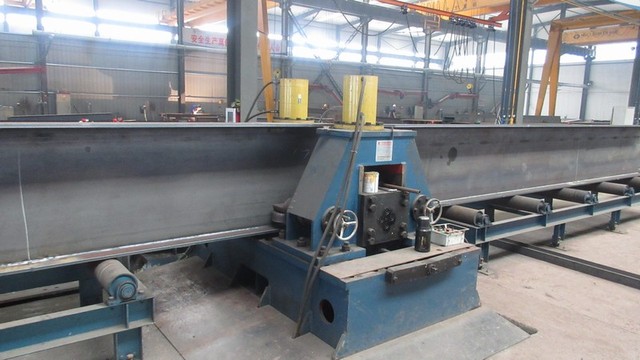
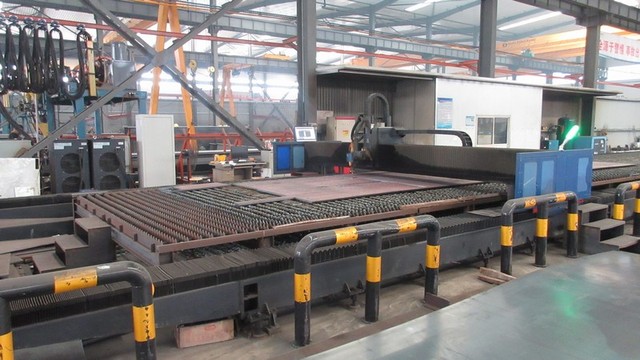
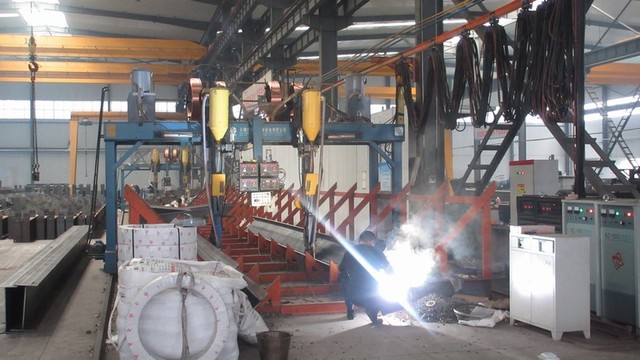
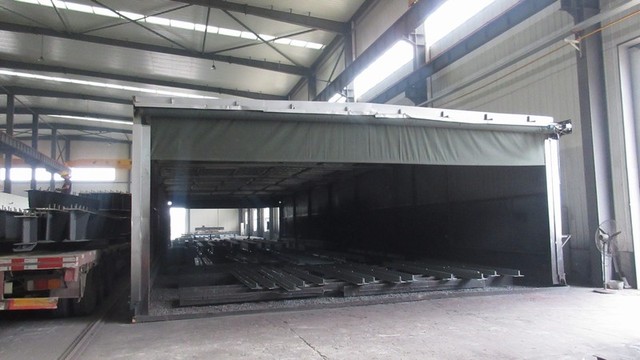
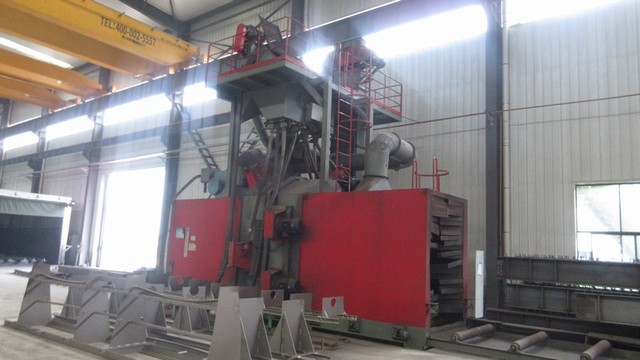
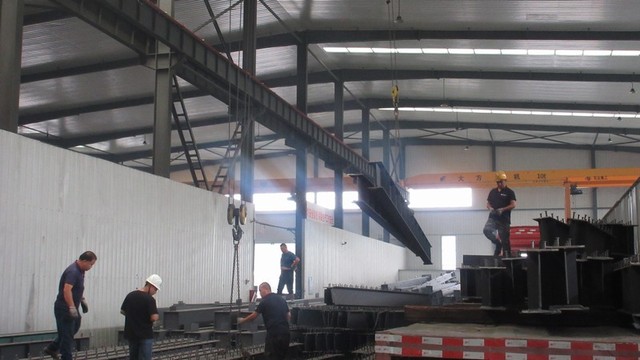
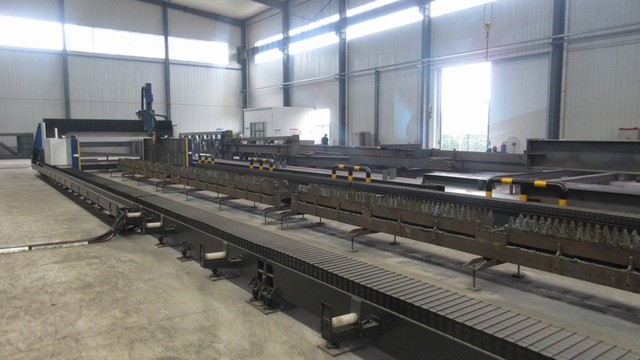
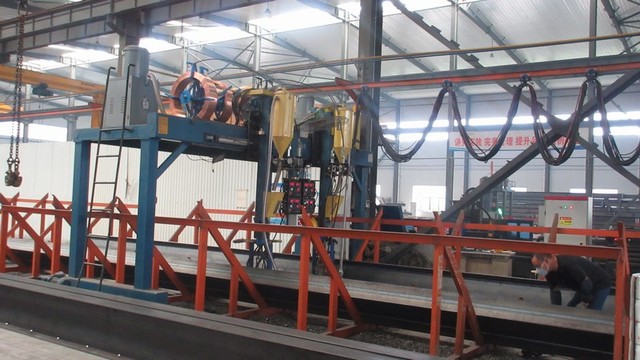
Ningbo Jonas Build Co., Ltd. operates modern production facilities equipped with advanced automated manufacturing lines, precision processing equipment, and strict quality inspection systems. Supported by a skilled team of engineers and technical specialists, the company offers one-stop services covering project consultation, product design, manufacturing, quality assurance, packaging, and international logistics coordination.
Innovation, quality, and sustainability are the core values driving the company's development. By utilizing advanced production technologies and premium raw materials, Jonas Build continuously enhances product performance in thermal insulation, fire resistance, weather protection, and energy efficiency. The company's panel systems help customers reduce construction time, lower operating costs, and improve overall building performance.
Committed to excellence and customer satisfaction, Ningbo Jonas Build Co., Ltd. has established long-term business relationships with clients across Asia, Europe, the Middle East, Africa, and the Americas. The company remains dedicated to providing reliable insulated building panel solutions that support sustainable construction and create long-term value for customers worldwide.
As the construction industry shifts toward lower carbon emissions, Jonas Build is updating its technology roadmap to align with green building standards. The focus is on replacing traditional petroleum-based polyols with bio-based alternatives derived from agricultural waste, which helps reduce the carbon footprint of PU/PIR systems.
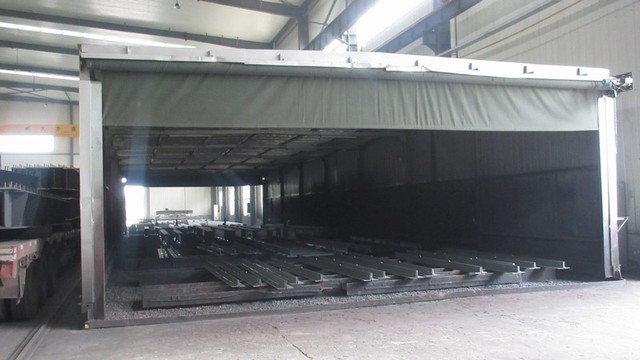
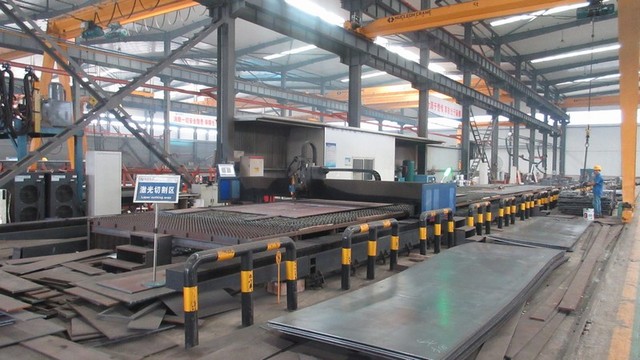
On the factory floor, real-time laser monitoring ensures dimensional precision with tight tolerances, creating airtight panel joints. We are also designing panels for easier disassembly (Design for Disassembly - DfD), allowing materials to be repurposed at the end of a building's lifecycle rather than sent to landfills.
Finally, we are researching the integration of thin-film solar photovoltaics (BIPV) into our outer metal sheet facades. This will allow the building envelope to generate renewable energy while maintaining high thermal performance.
Expert answers to common engineering, procurement, and performance questions regarding modular insulation panels.
Premium wall linings, cold-storage cores, and decorative metal claddings engineered to international quality standards.
 Jonas Build