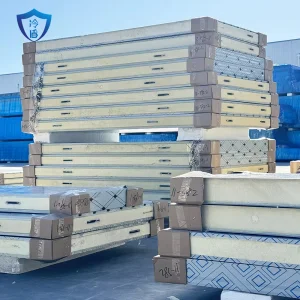
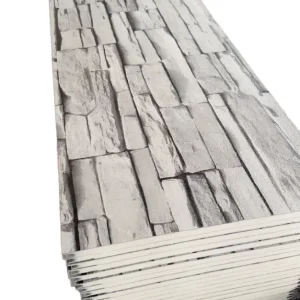
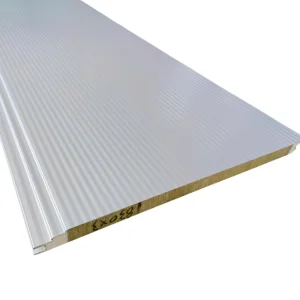
The contemporary global industrial construction ecosystem is undergoing a dramatic structural transformation. Rapid urbanization, the explosion of high-throughput manufacturing, cold-chain logistic demands, and stringent occupational health regulations have repositioned sound control and thermal efficiency from secondary structural metrics to core compliance parameters. According to international building standards (including EU Construction Products Regulation and American IBC codes), structural elements must satisfy dual functions: mitigating indoor environmental noise and maintaining high-efficiency insulation to lower building carbon footprints.
"Building envelope acoustical designs are no longer isolated projects. Modern architecture demands structural elements that simultaneously achieve a target Decibel (dB) reduction and optimize the overall thermal R-value. This paradigm shift requires highly engineered composite sandwich panels and dedicated absorptive wall linings."
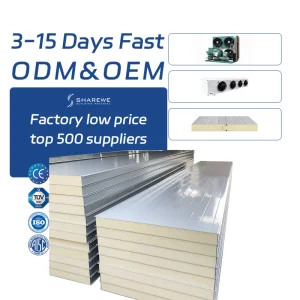
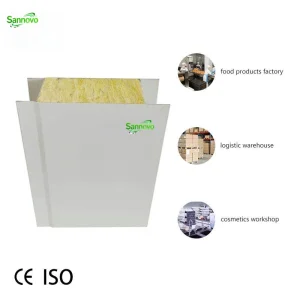
Ningbo Jonas Build Co., Ltd. stands at the forefront of this industrial design evolution. As a premier manufacturer and supplier of advanced building panels, we design and produce comprehensive insulated wall panel systems engineered for high-performance sound absorption, vibration dampening, and absolute containment. By integrating advanced core chemistry—ranging from specialized high-density rock wool to fire-rated polyurethane (PUR/PIR)—we supply architectural solutions that achieve outstanding thermal efficiency while maintaining structural stability and high decibel acoustic dampening.
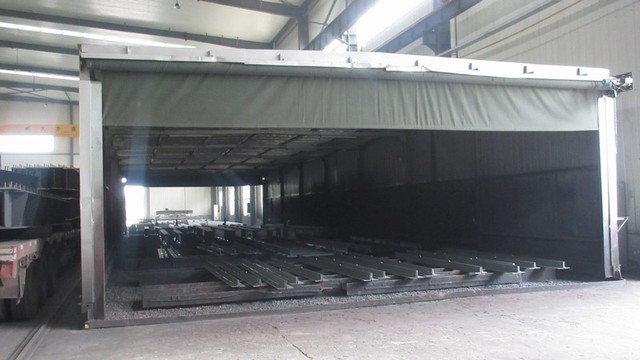
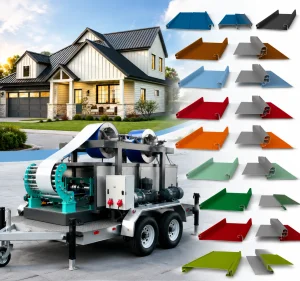
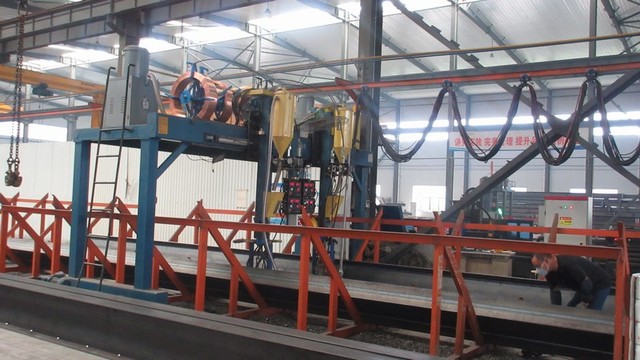
Leveraging state-of-the-art continuous automation lines, we design custom panels that perform reliably under severe thermal differences and high mechanical stress. Our structures are certified across standard fire rating, thermal, and noise leakage tests.
Acoustic insulation relies on two distinct mechanisms: sound absorption (converting wave energy into heat) and sound transmission loss (blocking the pathway of mechanical noise). Ningbo Jonas Build Co., Ltd. optimizes both vectors via specialized, composite panel structures. The table below represents our standard core configurations, designed to match the diverse architectural intents of acoustic engineers and building contractors.
| Core Material Option | Primary Application Strategy | Sound Absorption Coefficient (NRC) | Thermal R-Value Range (per inch) | Fire Classification (EN 13501-1) |
|---|---|---|---|---|
| High-Density Rock Wool | Noise absorption, industrial engine rooms, and heavy structural fire barriers. | 0.85 - 0.95 | R-3.8 to R-4.2 | Class A1 Non-combustible |
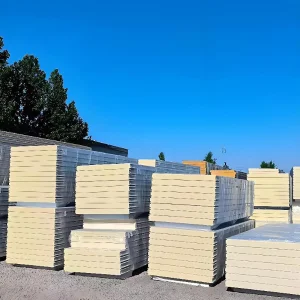
| Polyurethane Foam (PUR) | Thermal insulation, airtight walk-in freezers, and general acoustic buffering. | 0.20 - 0.35 | R-6.2 to R-6.8 | Class B2 / B3 |
| Polyisocyanurate (PIR) | Advanced cleanroom systems, extreme cold chain warehouses, and high fire resistance. | 0.22 - 0.35 | R-7.0 to R-7.5 | Class B-s1, d0 |
| Phenolic Foam Core | High energy efficiency, ultra-thin profile requirements, and low toxic gas emission. | 0.30 - 0.40 | R-7.5 to R-8.0 | Class B-s1, d0 |
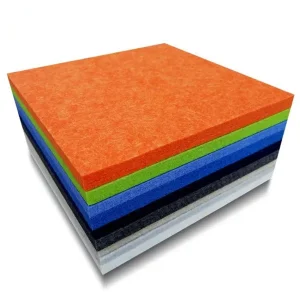
| PET Fiber Polyester | Interiors, public banquet spaces, and commercial room dividers. | 0.80 - 0.90 | R-3.0 to R-3.5 | Class B-s1, d0 |
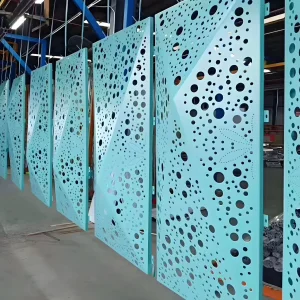
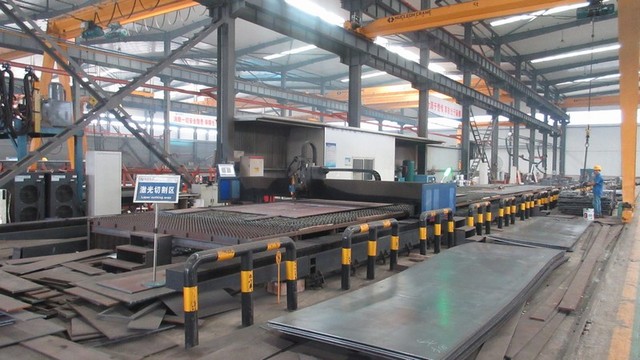
By leveraging perforated metal configurations (such as our Laser Cut Perforated Aluminum Panels), sound waves enter the core via precision apertures. This design traps sound within the fibrous matrix of high-density rock wool or PET, neutralizing echo and reverberation in high-vibration plants.
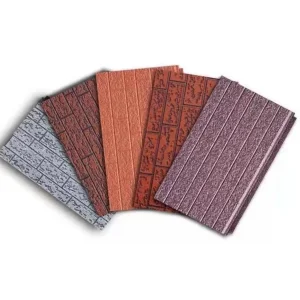
Our sandwich panels are manufactured with precision interlocking joints (tongue-and-groove or double-female seams). These profiles prevent thermal bridging and eliminate flanking noise transmission paths, guaranteeing structural integrity across walls and roofs.
The polyurethane and rock wool systems maintain physical properties from -50°C to +120°C. Jonas Build panels are resistant to degradation from moisture, organic growth, and standard sanitizing agents, ensuring long-term performance.
Architectural structural layout configurations engineered for critical environments. Each application requires careful calculation of sound transmission loss (STL) and thermal transfer parameters.
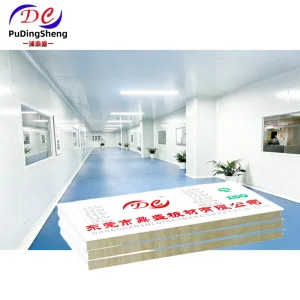
Our food-grade airtight PU sandwich panels are designed for environments with tight temperature control and zero particulate accumulation. Using customized perimeter joint details, they prevent dust collection and eliminate microbial ingress. Our systems conform to strict global hygiene regulations for pharmaceutical manufacturing, food processing facilities, and semiconductor assembly halls.
For warehousing containing heat-sensitive stock, the thermal barrier is critical. Ningbo Jonas Build Co., Ltd. provides PIR-insulated sandwich panels ranging from 50mm to 200mm in thickness. These panels provide stable thermal performance, resisting warping and maintaining structural envelope integrity under continuous refrigeration loads.
High-vibration zones need non-combustible sound absorption. Jonas Build high-density rock wool sandwich panels act as both firewalls and acoustic sound dampeners. Capable of achieving high decibel transmission loss (STC Ratings up to 45 dB), these systems absorb high-energy mechanical frequencies, helping plants meet OSHA compliance standards.
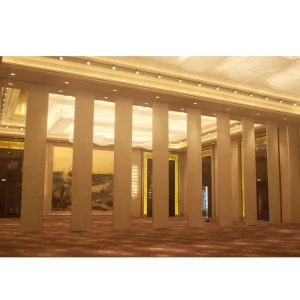
In multi-purpose conference centers, hotels, and auditorium halls, acoustic separation must be dynamic. Our decorative laser-cut aluminum acoustic panels and movable partition wall dividers allow spaces to be reconfigured quickly without losing sound isolation. These systems utilize PET fiber cores and acoustically optimized gaskets to contain sound between adjacent rooms.
Ningbo Jonas Build Co., Ltd. continuously invests in research and development to align our manufacturing with global carbon-reduction directives and sustainable development goals (SDGs). Our current engineering and technology roadmap is centered around four pillars:
Developing structural polyurethane cores synthesized partially from agricultural waste stream polyols. This approach reduces overall embodied carbon while maintaining high R-values and fire safety metrics.
Utilizing wave-equation simulation software to design acoustic panel perforation fields. This matches absorption performance to specific machinery noise patterns in industrial halls, optimizing material usage.
Integrating PCM compounds within cold-storage polyurethane layers. The core material absorbs surplus thermal heat during peak electricity rates and releases it later, lowering building HVAC operating costs.
We manufacture panels with high-precision interlocking tongue-and-groove joint profiles. When combined with our specialty EPDM seals and elastomeric joint sealants, the installation creates a continuous airtight and soundproof barrier. This eliminates sound leaks along seams, which is critical for meeting target Transmission Loss (TL) and STC specs.
The difference lies in the chemical formulation. PIR (Polyisocyanurate) is produced using a higher ratio of isocyanurate, resulting in a highly cross-linked ring structure. This molecular structure gives PIR superior thermal resistance (R-value) and significantly better fire behavior than standard PUR, allowing PIR to meet strict commercial fire safety standards.
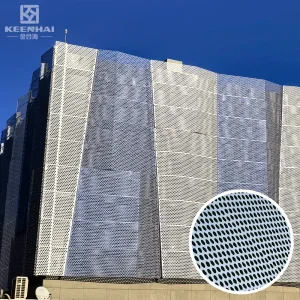
Yes. Our laser-cut perforated aluminum panels are coated with exterior-grade PVDF (polyvinylidene fluoride) coatings. These coatings provide excellent resistance to UV radiation, acid rain, and mechanical wear, preventing corrosion when used in exterior architectural designs.
Our standard polyurethane core density is 40 kg/m³, which balances thermal insulation with structural compressive strength. This high density allows the panels to span wider distances, reducing the need for heavy secondary steel support structures.
We use automated inspection systems that measure core thickness, surface quality, and adhesion strength in real-time. In addition, our manufacturing is backed by third-party testing in accordance with ISO 9001, ASTM, and CE guidelines, ensuring reliable performance in the field.
For hygienic applications, we utilize steel skins with anti-bacterial, food-safe coatings (such as PET or high-durability polyester films). These surfaces resist corrosion and stand up to high-pressure hot water washdowns and chemical sanitizers.
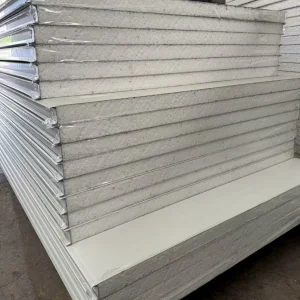
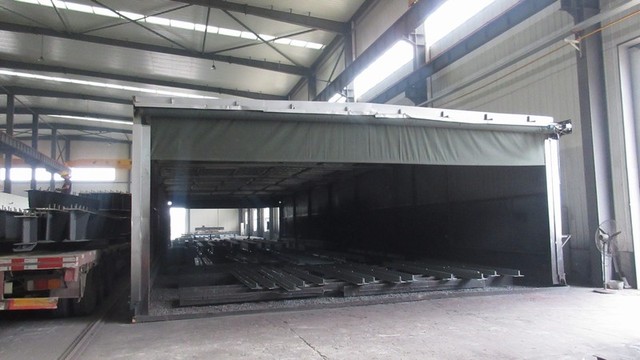
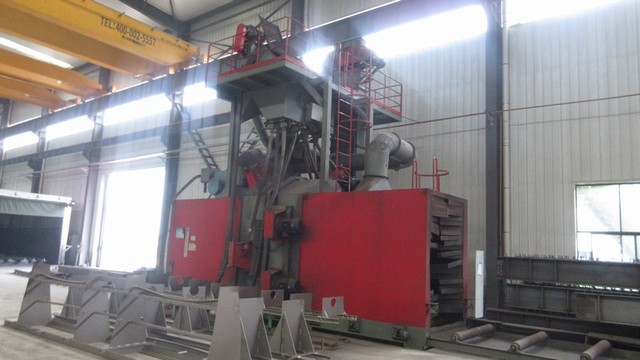
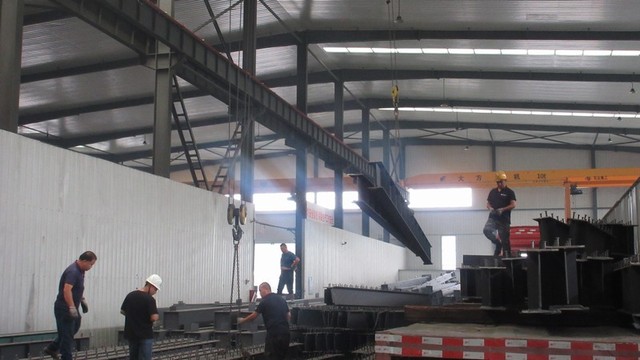
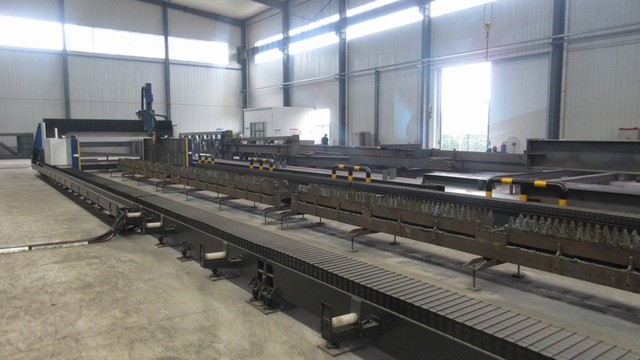
We manage advanced automated manufacturing lines, precision fabrication equipment, and strict quality control protocols. Our structural panel systems are built to ensure reliability and performance.
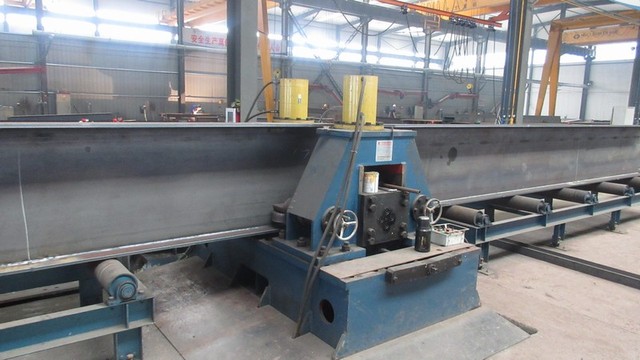
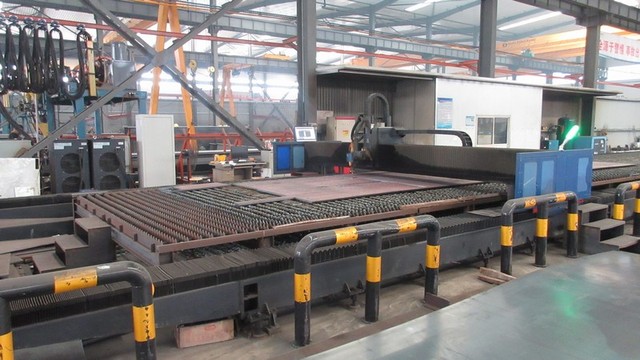
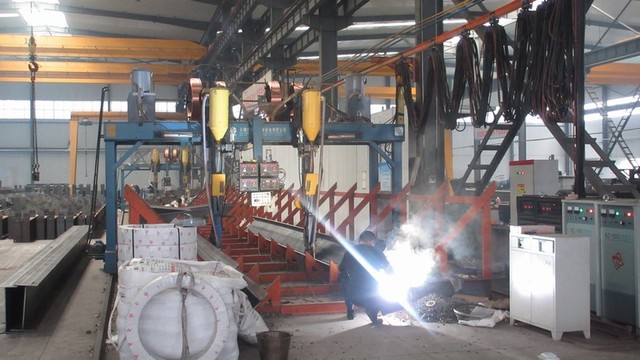
 Jonas Build