High-performance structural boards designed for rapid assembly, structural safety, thermal envelope integration, and minimal environmental footprint.
The global construction industry is undergoing a structural transition toward decarbonization, driven by stringent environmental regulations, carbon trading systems, and modern green building certification standards like LEED (Leadership in Energy and Environmental Design) and BREEAM. In this framework, the thermal envelope of a building is no longer viewed merely as a divider of space, but as an active component in thermal conservation, structural resilience, and lifecycle environmental impact reduction.
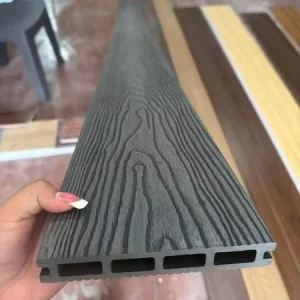
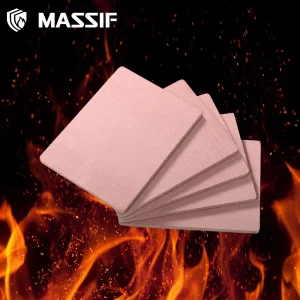
Traditional raw materials are increasingly replaced by engineered building boards characterized by high recyclability, low chemical emissions (such as E0 formaldehyde standards), and reduced embodied carbon. From structural insulated panels (SIPs) to non-combustible magnesium oxide (MgO) boards and composite wood-plastic panels (WPC), specifying these products has transitioned from a sustainability checklist item to a critical engineering requirement.
Professional China industrial construction panel manufacturer specializing in insulated building panel solutions for global industrial and commercial construction projects.
Ningbo Jonas Build Co., Ltd. is a professional China industrial construction panel manufacturer specializing in insulated building panel solutions for global industrial and commercial construction projects. With extensive industry experience and advanced manufacturing capabilities, the company is committed to delivering high-quality, energy-efficient, and customized panel systems that meet the diverse requirements of customers worldwide.
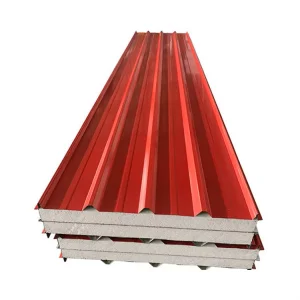
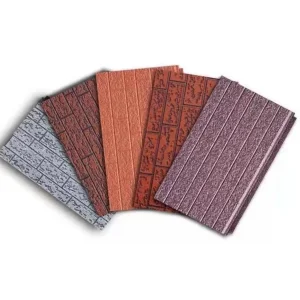
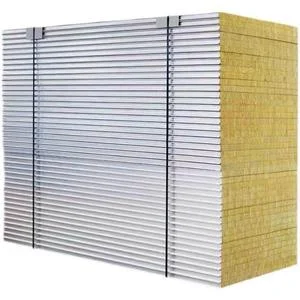
The company provides a comprehensive range of products, including insulated sandwich panels, industrial wall panels, roofing panels, cold room panels, cleanroom panels, fire-rated panels, and customized building envelope solutions. Designed for superior thermal performance, structural reliability, and rapid installation, these products are widely used in industrial plants, warehouses, logistics centers, cold storage facilities, commercial buildings, modular construction projects, and infrastructure developments.
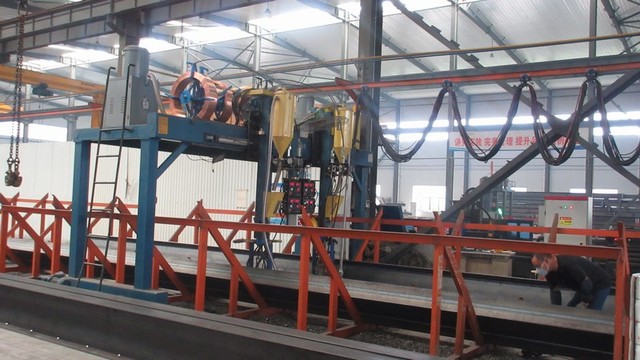
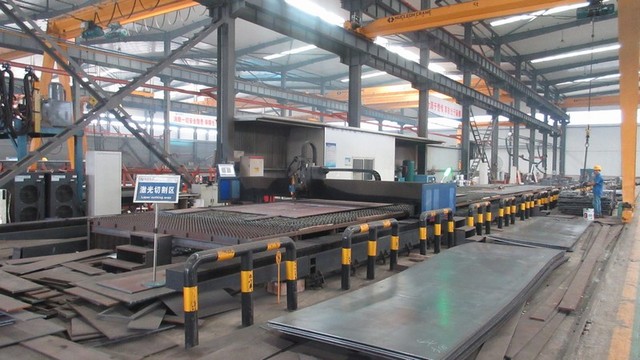
Ningbo Jonas Build Co., Ltd. operates modern production facilities equipped with advanced automated manufacturing lines, precision processing equipment, and strict quality inspection systems. Supported by a skilled team of engineers and technical specialists, the company offers one-stop services covering project consultation, product design, manufacturing, quality assurance, packaging, and international logistics coordination.
Innovation, quality, and sustainability are the core values driving the company's development. By utilizing advanced production technologies and premium raw materials, Jonas Build continuously enhances product performance in thermal insulation, fire resistance, weather protection, and energy efficiency. The company's panel systems help customers reduce construction time, lower operating costs, and improve overall building performance.
Committed to excellence and customer satisfaction, Ningbo Jonas Build Co., Ltd. has established long-term business relationships with clients across Asia, Europe, the Middle East, Africa, and the Americas. The company remains dedicated to providing reliable insulated building panel solutions that support sustainable construction and create long-term value for customers worldwide.
Utilizing high-purity chemical bases and advanced curing techniques to manufacture MgO boards with zero free chloride ions, preventing common industry issues such as efflorescence and steel fastener corrosion.
Products tested for thermal transmission coefficients, acoustic insertion loss, and structural shear capacities under simulated load profiles to guarantee multi-level regulatory compliance.
Strategic geographic location in Ningbo provides direct access to one of the world's largest deepwater ports, reducing transit durations and moisture exposure risks for sensitive materials.
How Chinese factories utilize industrial clustering, end-to-end supply integration, and automated mass-scale manufacturing to provide unmatched value.
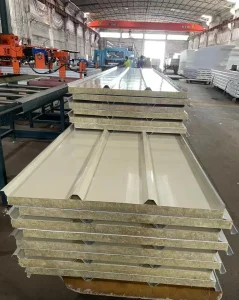
The efficiency of manufacturing eco-friendly boards in China is not merely built on cost, but on comprehensive supply chain coordination, massive automation, and continuous technological upgrading. At Ningbo Jonas Build Co., Ltd., automated production lines ensure high geometric precision and consistent density control. In sandwich panel lamination, automated continuous double-belt lines perform core insertion, adhesive application, pressing, and profile cutting in a single pass. This minimizes human error, decreases waste, and ensures uniform quality.
Furthermore, China's industrial clusters for construction chemicals, steel coils, and composite substrates allow factories to procure high-quality raw materials with minimal transit times. This integrated ecosystem protects the production schedule from international supply line volatility and enables rapid scaling to meet large-volume orders. This means shorter lead times, consistent technical compliance, and cost efficiencies that are passed directly to developers and contractors worldwide.
Instantaneous access to raw steel mills, premium polymer suppliers, and chemical additives enables continuous material adjustments to meet target product behaviors without delays.
Microprocessor-controlled curing systems, laser alignment tools, and automated thickness checks ensure strict adherence to engineering tolerances across large batches.
Different architectural environments present unique engineering challenges. High-performance building boards offer tailored performance profiles across diverse sectors.
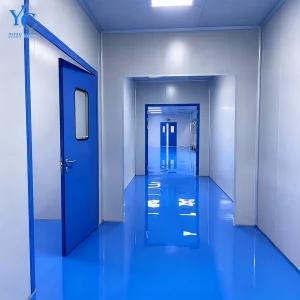
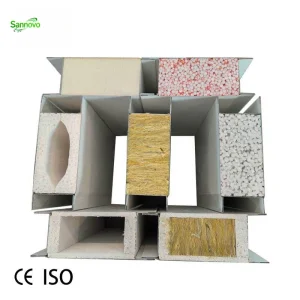
Pharmaceutical, bio-tech, and microelectronic processing environments require dust-free, non-shedding, and chemical-resistant surfaces. Modular cleanroom wall systems with double-sided steel skins and mineral wool/PU cores provide the necessary flatness, microbial resistance, and smooth surface profiles required to satisfy Class 100 to Class 100,000 clean room certifications.
Cold chain logistics demand continuous thermal control to limit energy consumption. High-thickness polyurethane (PU) or polyisocyanurate (PIR) insulated panels form a thermal-bridge-free envelope, ensuring interior temperatures remain stable from ambient down to deep-freeze ranges (-40°C), while resisting vapor pressure and organic corrosion.
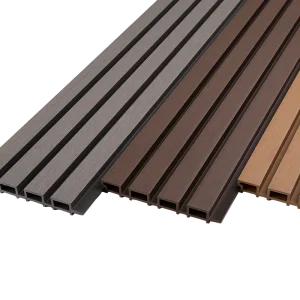
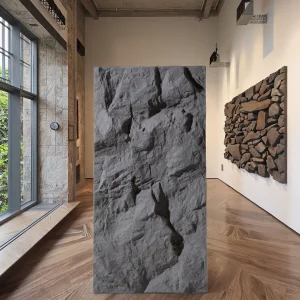
High-wind zones and damp environments require high flexural strength and moisture protection. Eco-friendly composite wall panels and fireproof MgO board backing offer robust structural support, wind load resistance, and dimensional stability, helping to prevent moisture-induced deterioration and microbial growth.
Procuring construction materials internationally requires balancing mechanical specifications, logistics costs, and environmental compliance.
Global procurement teams face challenges such as supply chain delays, import duties, regulatory differences, and transit damages. To address these issues, successful projects rely on pre-engineered, modular wall and ceiling systems that reduce on-site labor costs and cutting waste. When selecting a manufacturing partner, it is critical to verify key quality parameters:
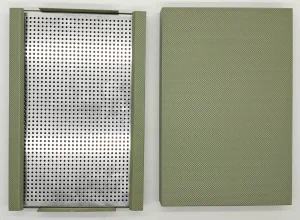
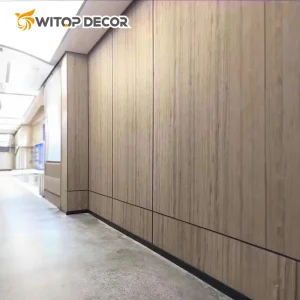
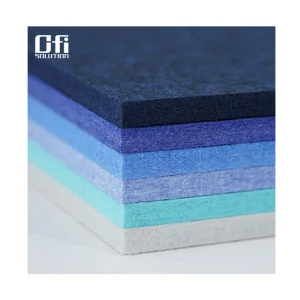
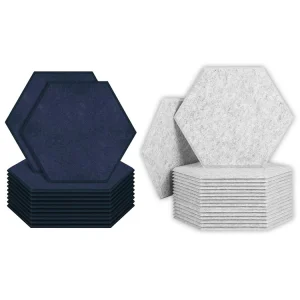
Engineered decorative and structural solutions for sound absorption, thermal efficiency, and interior aesthetic finishes.
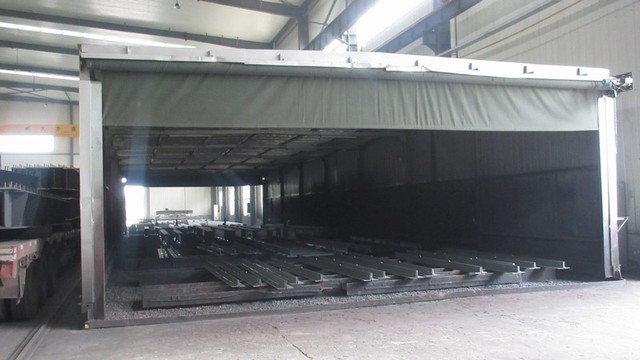
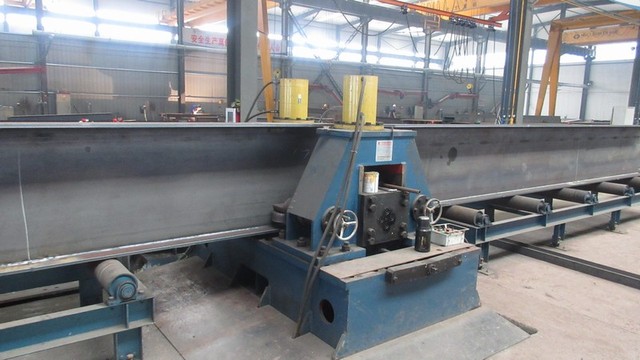
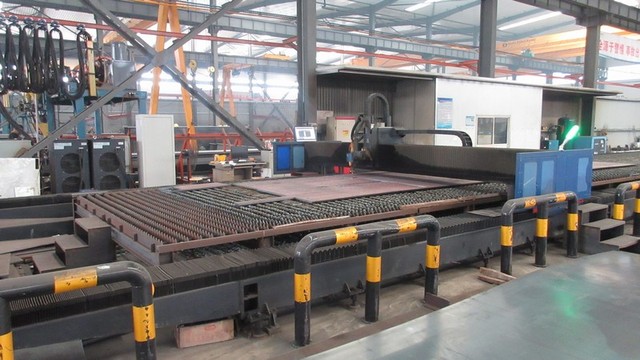
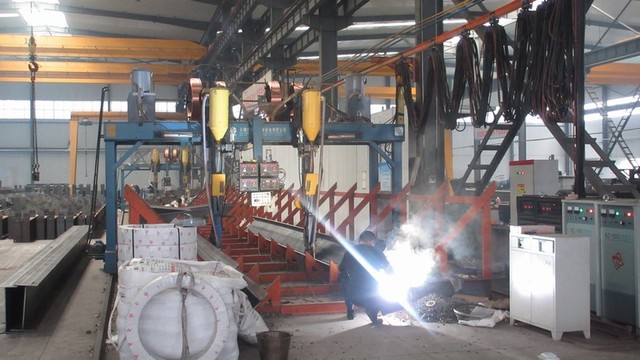
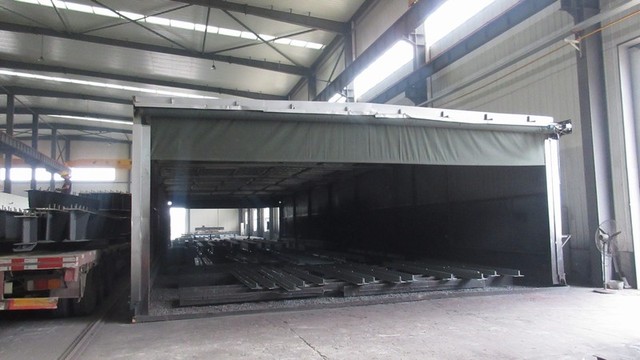
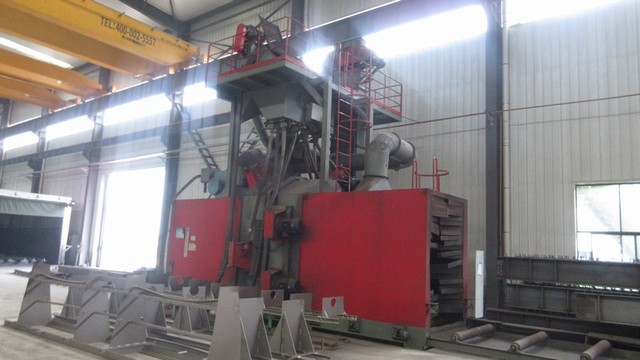
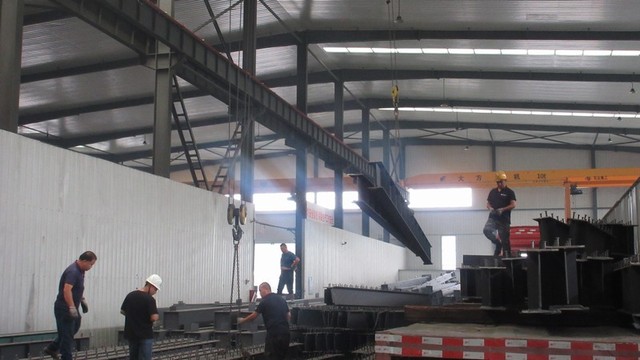
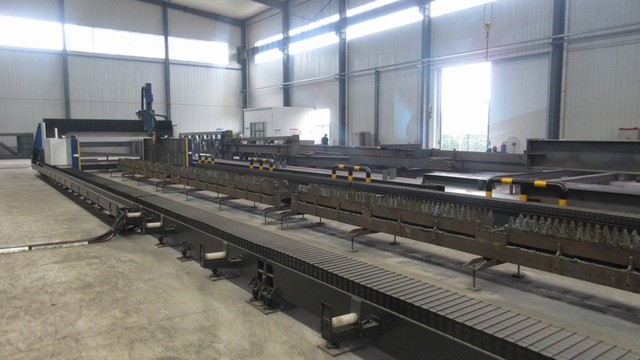
Inside our production lines: high-precision equipment, cleanroom fabrication systems, and premium raw materials assembly.
Essential technical answers regarding thermal efficiency, fire compliance, chemical stability, and installation engineering.
 Jonas Build