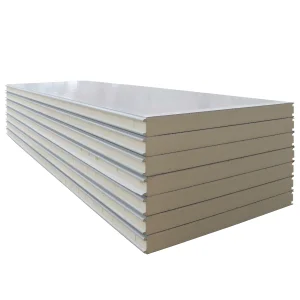
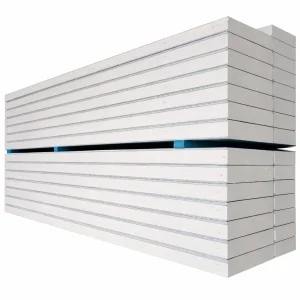
Select architectural panels engineered for premium structural stiffness, fire resistance class standards, and high R-value insulation performance.
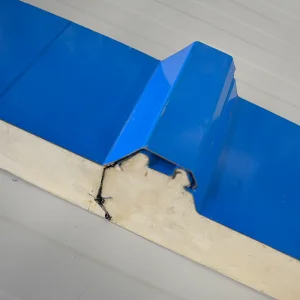
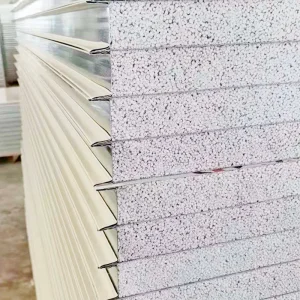
Nagoya (Aichi Prefecture) stands as Japan’s manufacturing epicenter, anchoring the Chubu industrial region. Beyond automotive and heavy aerospace industries, Nagoya hosts a massive, high-throughput maritime port (the Port of Nagoya) and a complex logistics network serving agricultural imports, food processing zones, and pharmaceutical distribution hubs. Ensuring food safety and biological integrity demands rigorous cold storage envelope systems.
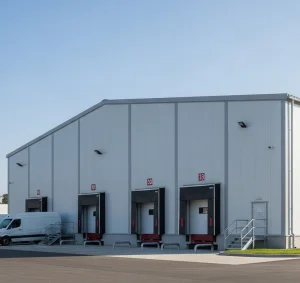
The local climate, featuring hot, humid summers, presents severe challenges to thermal envelope efficiency. Industrial cold storage facilities, warehouse partition systems, and walk-in chillers in regions like Minato-ku or Komaki-shi require panels with exceptional water vapor barrier resistance and superior insulation cores. Minimizing energy usage while complying with the strict Japanese standard of sustainability is a critical metric for regional facility directors.
Ningbo Jonas Build Co., Ltd. addresses this need with precision-engineered PU/PIR panels tailored to withstand high humidity levels, eliminate thermal bridging, and maintain consistent cooling efficiency across temperature ranges from +15°C down to deep freeze environments at -40°C.
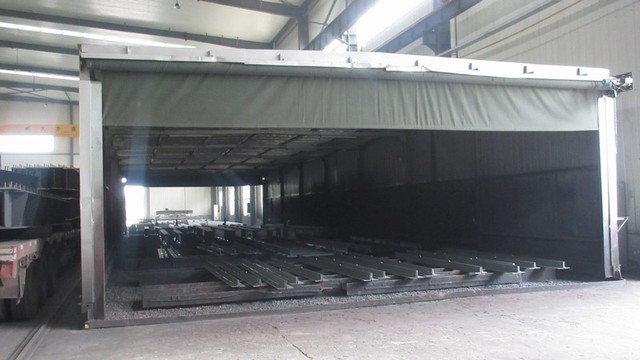
An in-depth review of next-generation chemical cores, fire performance engineering, and seismic design parameters tailored for the Japanese tectonic profile.
Polyisocyanurate (PIR) exhibits superior thermal resistance and fire suppression capabilities compared to standard Polyurethane (PUR). The excess isocyanate reaction in PIR forms highly stable isocyanurate rings, which demand higher thermal energy to break. This provides elevated fire resistance (Class B1/B2) and limits smoke density, matching Japan’s rigorous industrial fire codes.
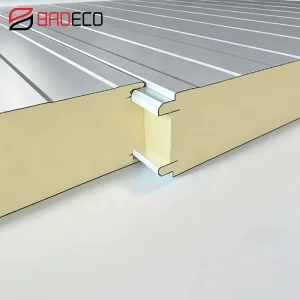
Nagoya and Aichi Prefecture face recurring seismic activities. Standard slip-joint panels can deform and compromise the thermal seal during tremors. Our specialized tongue-and-groove joint profiles, featuring embedded cam-lock mechanisms, distribute seismic shear loads evenly across the building facade. This prevents air-infiltration and micro-gaps post-quake.
Proximity to Nagoya Port exposes cold facilities to salt-spray and high relative humidity. To combat this, we use JIS-compliant pre-painted galvanized steel (PPGI) and Galvalume (ZAM alloy coatings), offering anti-microbial coatings and high corrosion resistance (up to 275g/m² zinc weight) for severe coastal operating environments.
Engineered to sustain continuous load cycles in distribution warehouses and agricultural storage zones.
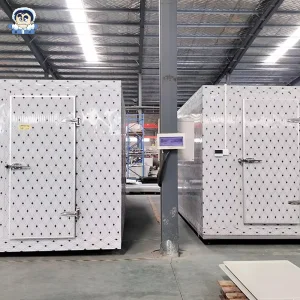
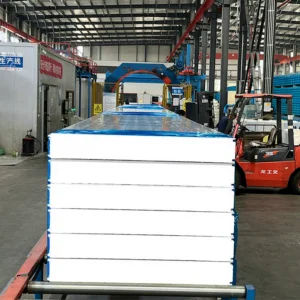
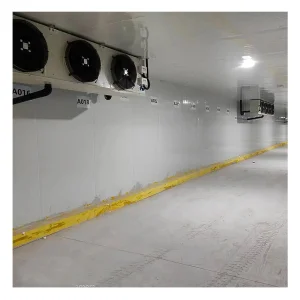
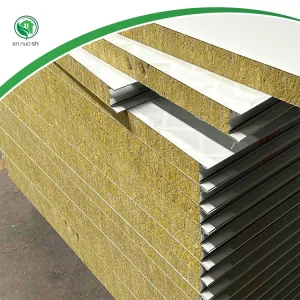
Integrated cold-room architectural engineering targeting regional logistics, food production, and laboratory sectors.
In Nagoya Port's transport zones, massive logistics hubs require divided temperature profiles (chiller, freezer, rapid cooling tunnel). Our PIR/PU partition panels provide distinct thermal barriers, preventing energy leaks between chambers and supporting precise refrigeration control systems.
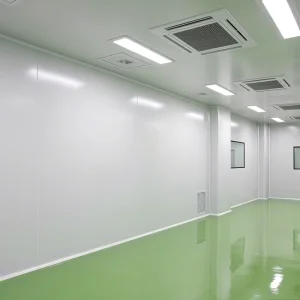
Aichi Prefecture's biomedical complexes require biological cleanrooms with flush joints, zero chemical outgassing, and microbial resistance. Our magnesium oxide (MgO) cleanroom panels deliver high structural stability, class-A fire safety, and flat surface configurations for pharmaceutical requirements.
For Nagoya’s electric vehicle battery dry rooms and electronics cleanrooms, maintaining ultra-low humidity is vital. Our customized sandwich panels feature high hermetic sealing joints, blocking humidity ingress and supporting the continuous dehumidifying systems.
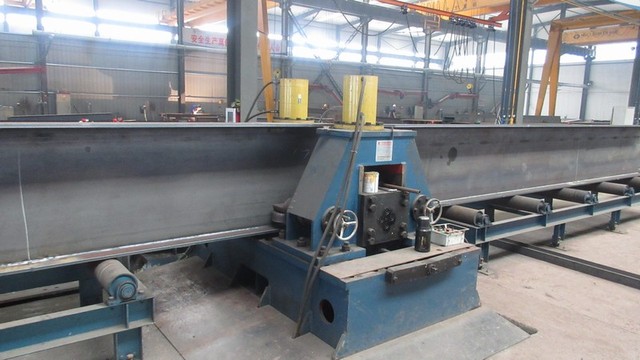
Navigating Japan’s Building Standards Act requires deep compliance expertise. Buildings in Japan must meet strict load assessments for wind velocity in coastal zones, snow loads in the northern Chubu highlands, and severe seismic shear forces. Jonas Build designs panels in strict adherence to JIS A 9511 standards, using steel coil suppliers that conform to JIS G 3312 specifications.
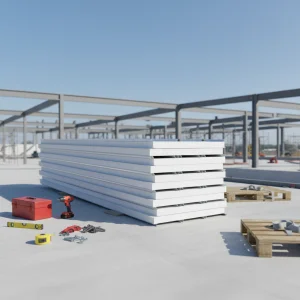
Our logistical advantage is outstanding. Situated near Ningbo Port, our factories coordinate direct sea routes to Nagoya Port. Typical marine transit times average only 3 to 5 days, enabling just-in-time delivery patterns for general contractors on site. We provide export document sets, certified laboratory fire test data, structural load sheets, and dimensional custom cuts to reduce onsite installation times.
From micro-joint design adjustments to heavy steel plate cladding, we support Japanese mechanical contractors, cold-storage developers, and structural consultants at every stage of the design cycle.
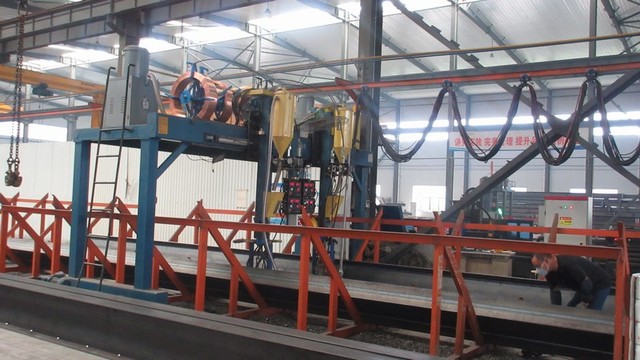
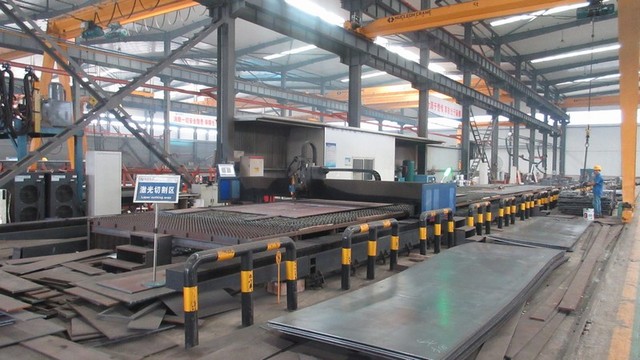
Operating automated, state-of-the-art continuous laminating lines. Our production processes ensure uniform core densities, high skin-to-core adhesion, and flat panel geometries.
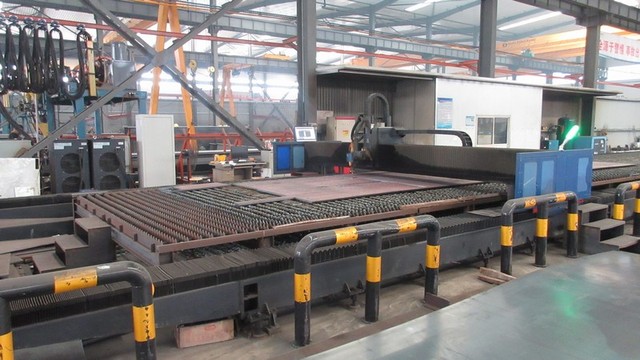
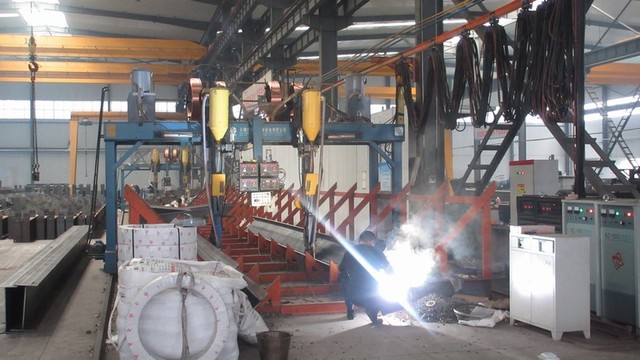
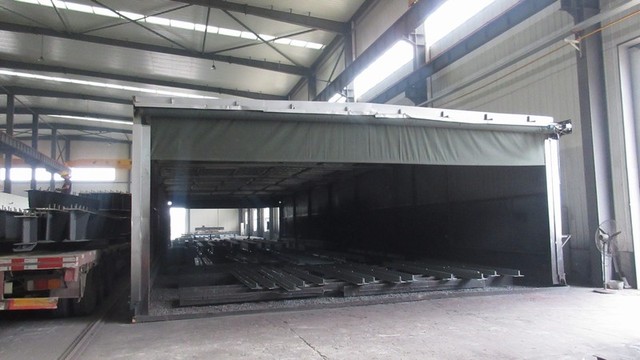
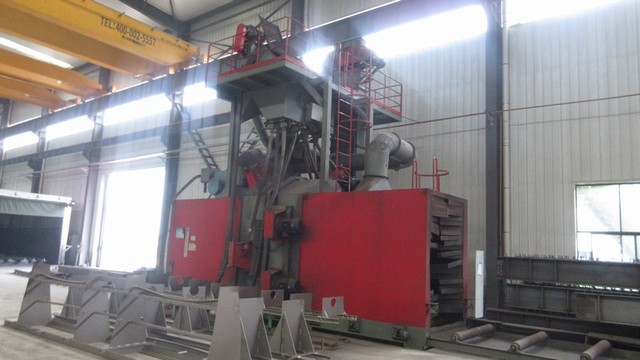
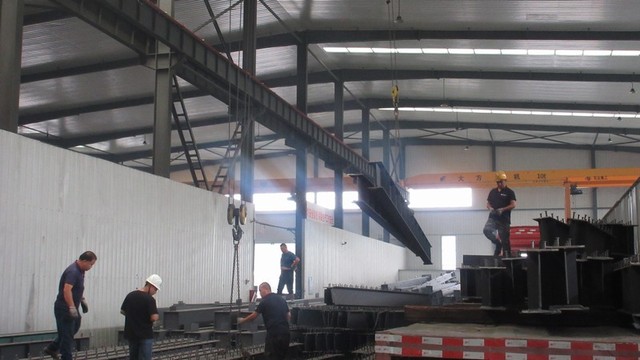
Ningbo Jonas Build Co., Ltd. operates manufacturing facilities with advanced automated production lines. Our systems monitor temperature, pressure, and chemical ratios in real time, preventing density inconsistencies that compromise structural integrity. This ensures that every cold room panel delivers uniform insulation, reliable structural strength, and clean joints.
Every batch of panels undergoes rigorous quality assurance tests, including density verification, compression tests, fire behavior profiling, and dimensional inspections. By using premium raw materials and maintaining high quality standards, Jonas Build continuously enhances thermal performance, structural reliability, and fire safety ratings across our product lines.
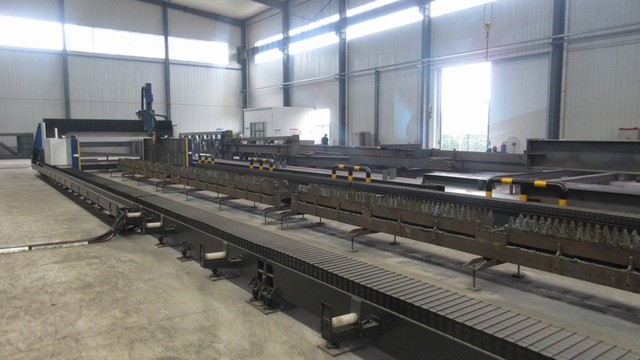
International general contractors, cold storage designers, and industrial facility owners require clear product specifications, supply chain resilience, and reliable engineering support. We provide customized cold storage solutions designed to optimize project workflows, reduce installation lead times, and lower overall operating costs.
Tailored dimensions, metal thicknesses (0.4mm - 0.8mm), and core foam formulations (50mm - 200mm) matching regional building designs.
Export-grade packaging, container optimization, and maritime logistics routing from Ningbo Port directly to the Port of Nagoya.
Certified fire test documentation, R-value calculations, wind load tables, and comprehensive installation manuals.
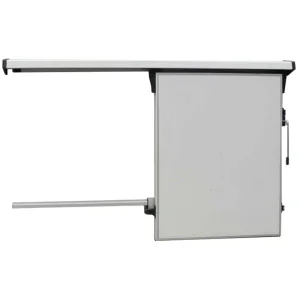
Explore our full range of insulated wall systems, fireproof ceiling panels, and commercial cold storage doors.

Technical and regulatory queries answered by our structural engineering and thermal insulation specialists.
Get a detailed quote, thermal envelope evaluation, and structural load analysis for your next cold storage development in Nagoya. Our engineering team provides comprehensive BIM support and customized production planning.
Send Inquiry Now Jonas Build