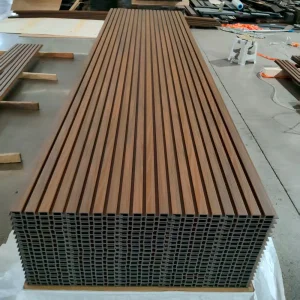
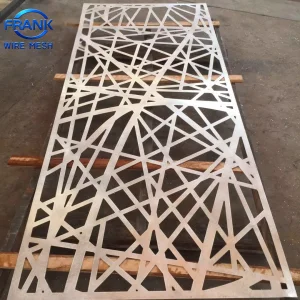
Highly durable structural building envelope materials specialized for industrial developments, hotels, and luxury commercial complexes.
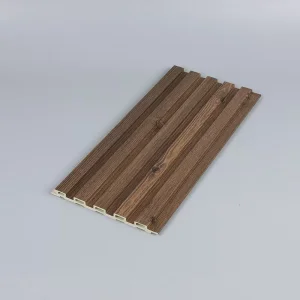
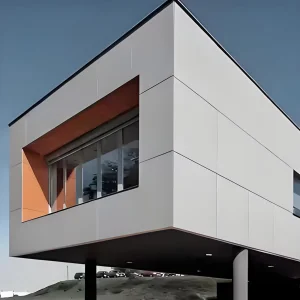
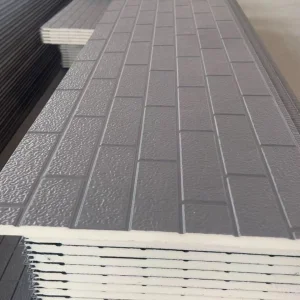
The rapid industrialization of Vietnam, driven by massive investments in economic zones from Binh Duong and Dong Nai in the South to Bac Ninh and Hai Phong in the North, has triggered a monumental demand for modern building materials. Architectural design trends in contemporary Vietnam favor exterior cladding panels that combine aesthetic sophistication with exceptional physical performance. As cities urbanize, designers and developers face the compounding challenges of extreme weather conditions: heavy monsoon seasons, high relative humidity (often exceeding 80%), intensive UV exposure, and thermal fluctuations.
Traditional concrete renderings are increasingly being replaced by engineered exterior cladding panel systems. High-rise commercial buildings in Hanoi and Ho Chi Minh City require lightweight facades to decrease structural loads, while factory zones mandate insulated cladding panels with high fire safety ratings (A2/B1 grades) to satisfy stringent domestic building codes. Under Vietnam’s TCVN standards, building materials must achieve validated wind load resistance, superior water tightness, and dynamic thermal resistance to lower HVAC power consumption.
Cladding solutions must survive severe wind loads and torrential rains in coastal industrial hubs. Our panels utilize advanced joint seals, pressure-equalized rainscreen systems, and anti-corrosive PVDF coatings to ensure zero moisture ingress.
To reduce energy consumption within Vietnam's hot tropical environment, our insulated sandwich panels utilize high-density polyurethane (PU) and rockwool cores, providing an effective barrier to heat transmission.
Meeting Vietnam’s strict industrial safety requirements requires certified fire-rated materials. Our cladding panels have passed strict testing to achieve Class A2 and B1 fire ratings, ensuring safety code alignment.
The technological evolution of architectural envelope materials designed to optimize longevity and structural sustainability.
Innovation in exterior cladding is moving quickly toward hybrid composite materials and intelligent thermal barriers. The traditional options of plastering or heavy stone veneer are no longer viable for modern fast-track construction projects. Today's materials utilize multi-layered engineering to achieve multiple performance metrics simultaneously:
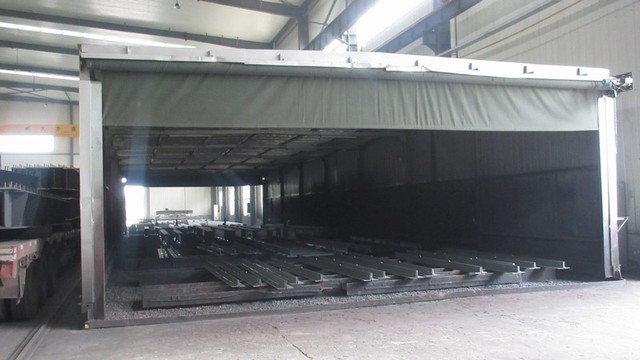
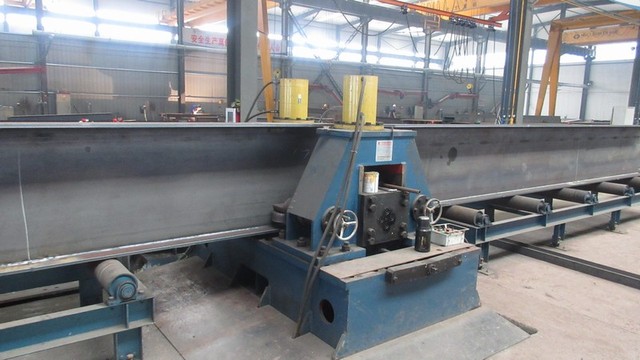
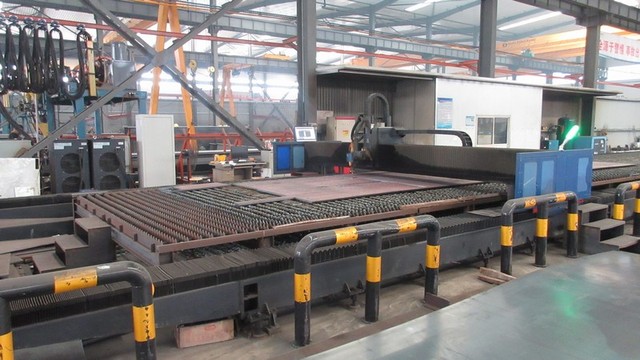
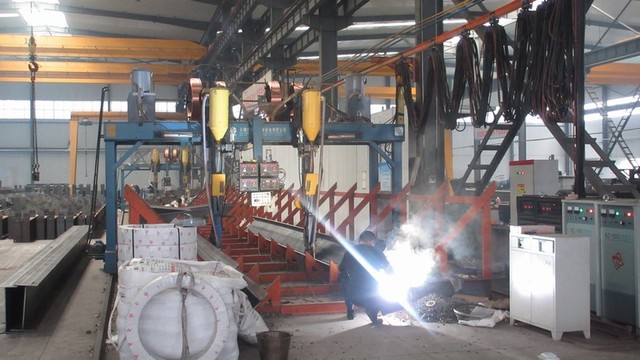
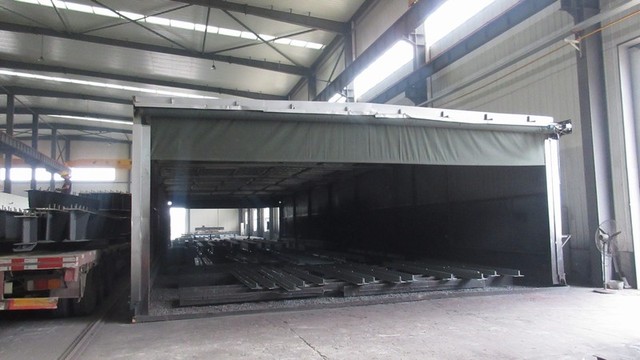
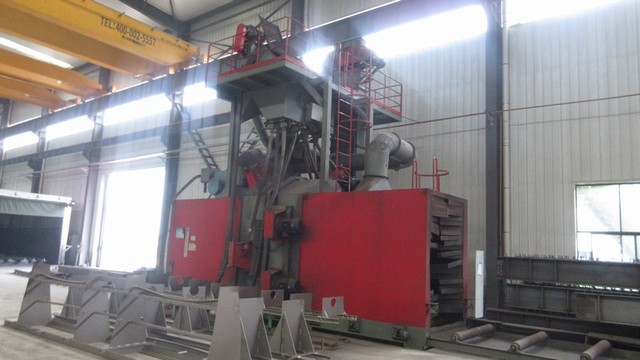
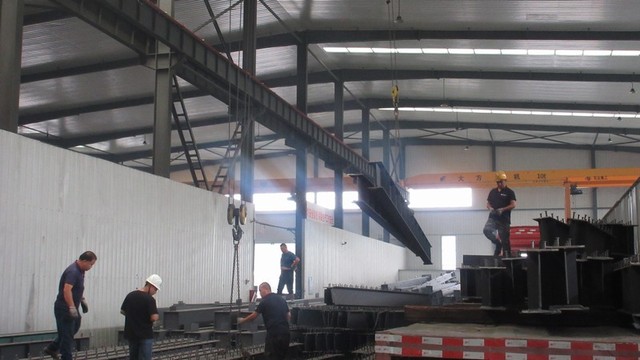
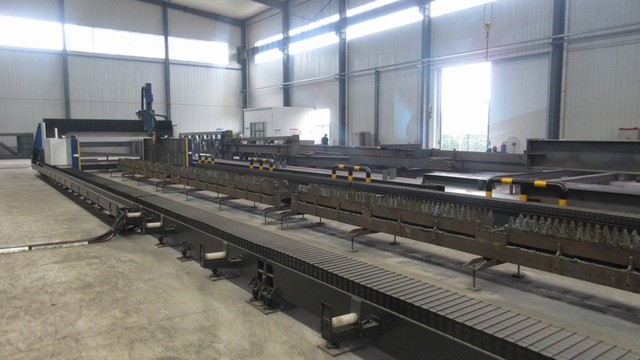
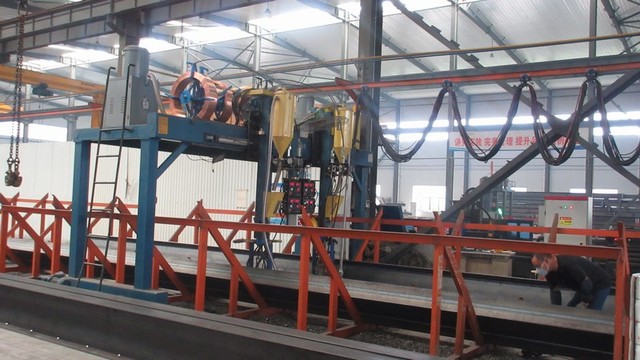
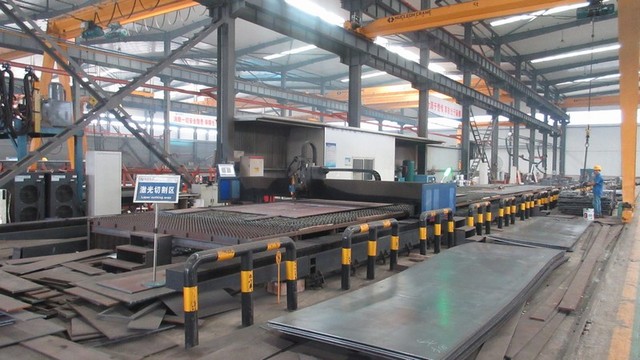
Ningbo Jonas Build Co., Ltd. operates state-of-the-art production facilities optimized for continuous output and strict quality assurance. Through our China Factory 4.0 strategy, we integrate computerized manufacturing execution systems (MES) and automated roll-forming lines to achieve precise tolerances down to the millimeter. This automation guarantees absolute consistency across large-scale production runs, a necessity for mega-projects in key industrial regions such as Hai Phong and Binh Duong.
Our strategic manufacturing base in Ningbo provides logistical advantages for international markets. Positioned close to Ningbo-Zhoushan port, we offer direct shipping connections to major Vietnamese entry ports, including Cat Lai (Ho Chi Minh City), Hai Phong, and Da Nang. This streamlined logistical path reduces shipping transit times to just 5 to 7 days, providing Vietnamese developers and builders with rapid supply chain cycles, minimized storage overhead, and dynamic project scheduling.
Every panel goes through continuous visual inspection systems and ultrasonic thickness testing, ensuring zero structural defects and complete dimensional accuracy.
By using non-combustible mineral wool and fire-retardant PU formulations, our panels meet the Class A2 and B1 certification criteria of EN 13501 and ASTM E84.
Explore our diverse architectural cladding catalog, offering engineered solutions for industrial walls, commercial facilities, and residential complexes.
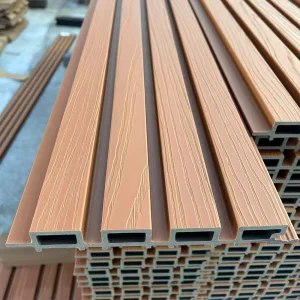
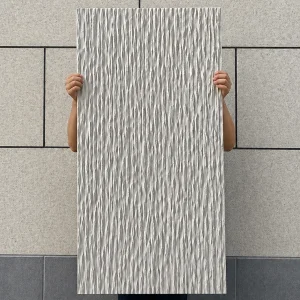
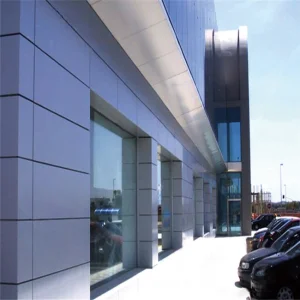
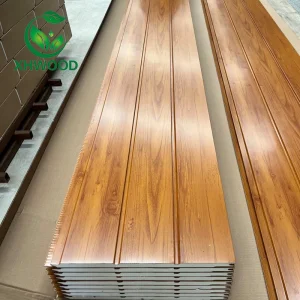
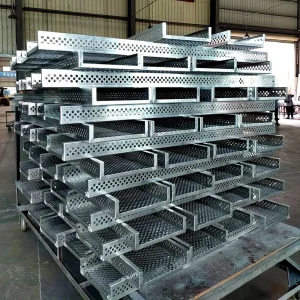
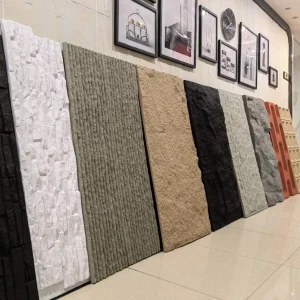
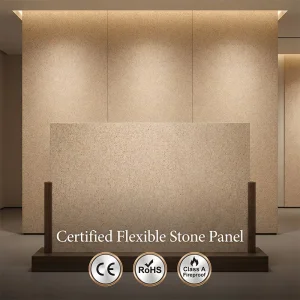
Ningbo Jonas Build Co., Ltd. is a leading China industrial construction panel manufacturer, specializing in insulated building envelope systems for global industrial, logistics, and commercial developments. Our solutions target high performance, thermal efficiency, and streamlined installation processes. Jonas Build continues to assist general contractors and structural engineering groups in achieving sustainable and highly functional architectural designs.
We provide a comprehensive range of building products, including insulated sandwich panels, heavy industrial wall claddings, architectural ceiling systems, cold storage walls, cleanroom paneling, and certified fire-rated materials. Built to withstand high wind loads and harsh environmental conditions, our panels are widely installed in processing facilities, cold chain structures, warehouses, retail spaces, high-density residential structures, and municipal infrastructure developments.
By utilizing automated production and quality verification lines, our engineering and support departments coordinate the design, manufacturing, quality testing, and international shipping logistics of all products. We align closely with developers and distributors globally, offering a robust supply chain built to deliver architectural panel excellence to markets throughout Asia, the Middle East, Africa, and the Americas.
Technical and logistical insights for engineers, procurement officers, and construction firms importing to Vietnam.
Get in touch with our technical sales team for comprehensive product catalogs, custom material samples, and competitive price quotes optimized for your construction schedule.
Send Inquiry Now Jonas Build