Explore our primary range of insulated panel systems designed for Switzerland's unique climate, severe alpine snow loads, and uncompromising energy conservation mandates.
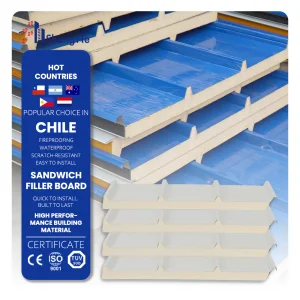
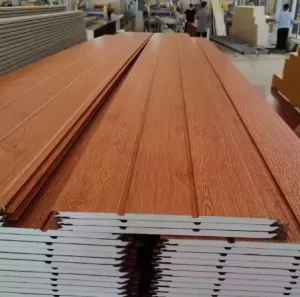
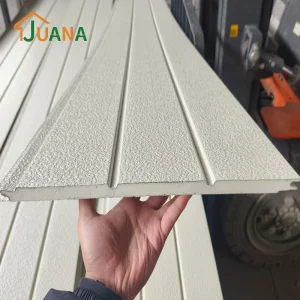
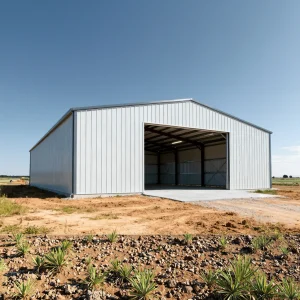
Switzerland's industrial building sectors are subject to some of the world's most demanding sustainability guidelines. Driven by the federal government's Energy Strategy 2050 and the stringent local Minergie-P / Minergie-A building standards, construction developers in cantons like Bern, Zurich, and St. Gallen are moving rapidly away from traditional high-carbon masonry toward prefabricated insulated sandwich panels.
The Swiss climate, marked by freezing Alpine winters and hot summer spells, demands construction envelopes with incredibly low thermal transmittance rates (U-values ≤ 0.15 W/m²K). Sandwich panels with PIR (Polyisocyanurate) cores or high-density Mineral Rockwool have become the gold standard. They eliminate thermal bridging, slash HVAC operational energy requirements, and withstand extreme shear forces caused by heavy sub-zero snow loads in regions like Valais and Graubünden.
Furthermore, Swiss building codes place a premium on fire protection (VKF classification). Panel configurations must demonstrate superior fire safety and structural integrity under prolonged thermal stress, leading to a soaring demand for precision-engineered, fire-rated insulated panel systems.
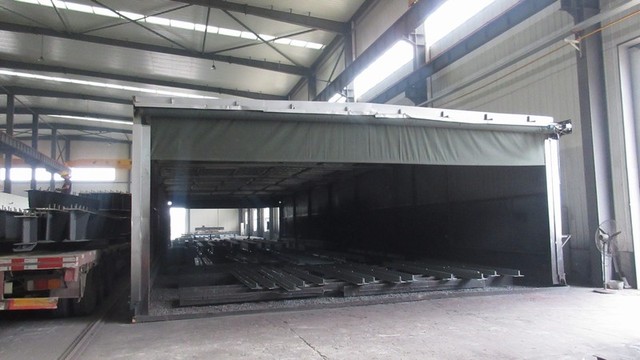
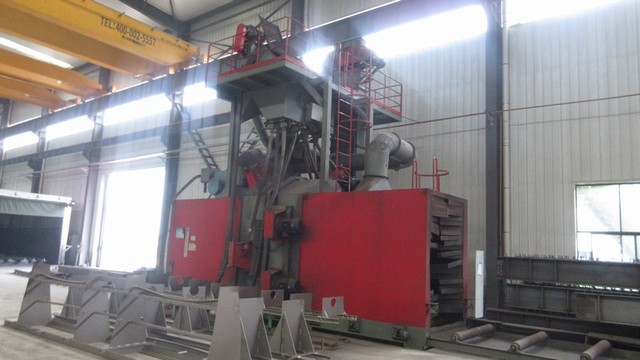
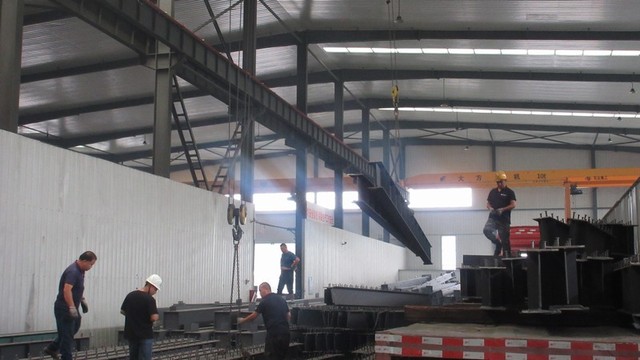
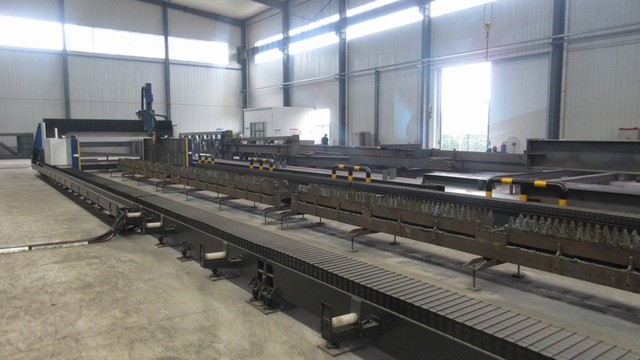
Our dedication to engineering precision enables us to meet local building standards worldwide while maintaining robust logistics from our advanced production facilities.
The construction industry is shifting rapidly away from standard EPS (Polystyrene) due to heightening fire safety standards. Modern engineering favors Polyisocyanurate (PIR) and Rockwool for their exceptional dimensional stability, high R-values, and superior fire self-extinction capabilities.
Manufacturers are integrating eco-friendly polyols and recycled steel elements to lower the carbon footprint of structural panels. Designing for disassembly has also gained traction, aligning panels with the circular economy goals of the modern green building sector.
With site labor costs surging globally, pre-engineered panels with built-in utility pathways and precision interlocking tongue-and-groove profiles are minimizing installation timelines and errors by up to 50%.
While local Swiss fabricators provide quality materials, they face structural limitations: soaring labor rates, resource constraints, and longer lead times for custom projects. Ningbo Jonas Build Co., Ltd. resolves this friction by operating as a specialized Chinese manufacturer of high-density industrial sandwich panels. We leverage the power of Chinese industrial clusters and smart automation to serve architectural and warehouse projects across Europe, the Americas, and Asia.
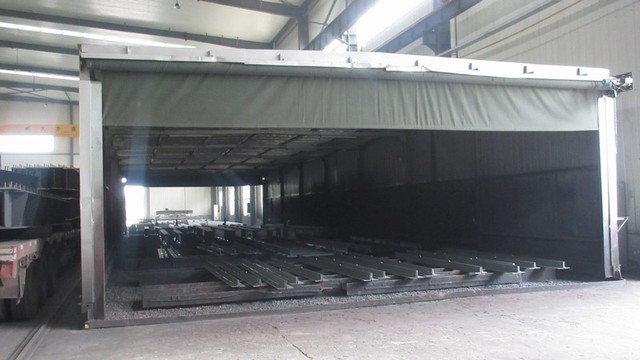
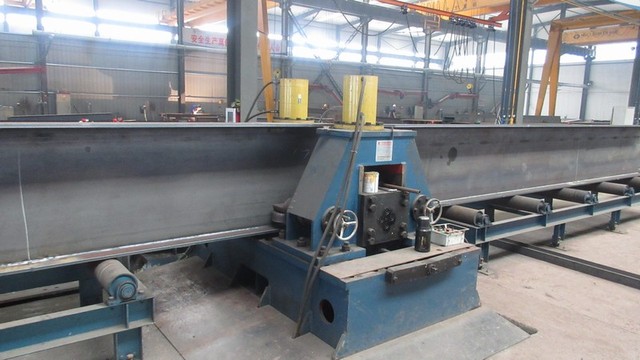
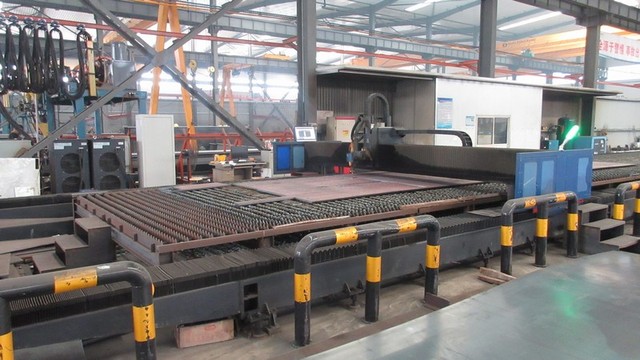
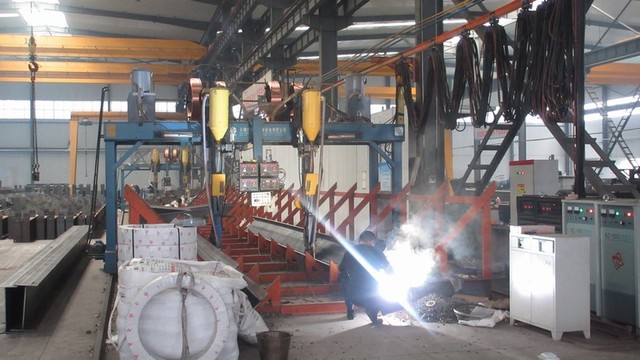
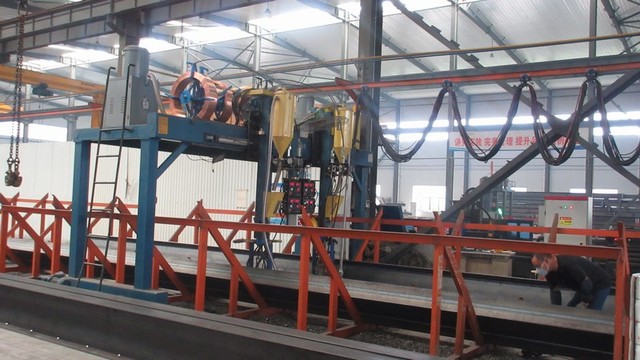
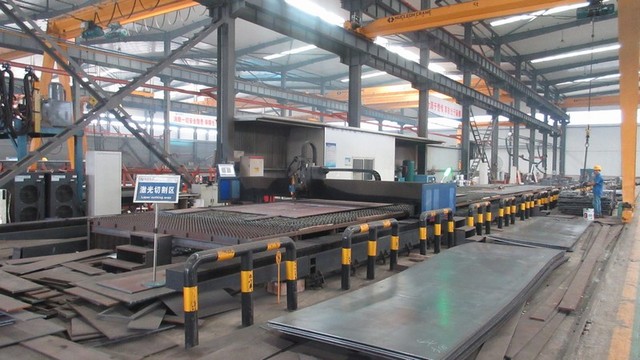
Our modern production complex in Ningbo uses Industry 4.0 continuous production setups. The integrated double-belt polyurethane foaming systems deliver uniform density, perfect mechanical adhesion, and flawless surface flatness. Automated precision cutting units allow us to custom-cut panels to millimeter precision, optimizing transport volumes and minimizing on-site waste.
By sourcing premium raw materials globally and implementing a rigid QC framework (from coil tensile testing to core curing audits), we ensure that our panel systems match the technical performance of European-made components. This approach provides significant capital efficiency and stable shipping times, establishing our supply chain as a reliable resource for modern procurement officers.
Selecting the right core insulation is critical to achieving Swiss SIA 380/1 compliance. Below is a detailed breakdown of core materials available from Ningbo Jonas Build Co., Ltd.
| Insulation Core Type | Thermal Conductivity (λ) | Fire Classification (EN 13501-1) | Recommended Swiss Applications | Moisture Performance |
|---|---|---|---|---|
| PIR (Polyisocyanurate) | 0.020 - 0.023 W/(m·K) | B-s1, d0 (Hard to ignite) | Cold Storage, Climate Control Hubs, Roofs | Excellent (Closed Cell Structure) |
| PUR (Polyurethane) | 0.022 - 0.025 W/(m·K) | B-s2, d0 (Self-extinguishing) | Standard Logistics Depots, Modular Houses | High resistance |
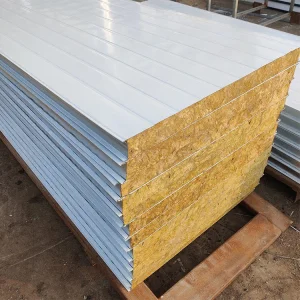
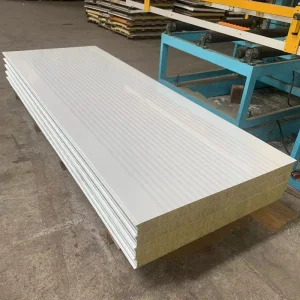
| Mineral Rock Wool | 0.035 - 0.040 W/(m·K) | A1 / A2 (Non-combustible) | High-fire risk manufacturing, Cleanrooms | Hydrophobic treatment required |
| EPS (Polystyrene) | 0.038 - 0.042 W/(m·K) | E Class (Combustible) | Temporary offices, Internal partitions | Moderate |
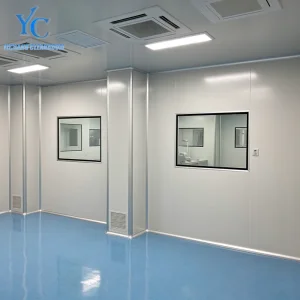
Cleanroom panels require perfect joints to prevent air leakage and microbial growth. Our customized metal-cladded composite sandwich walls ensure air tightness and withstand aggressive local decontamination chemicals.
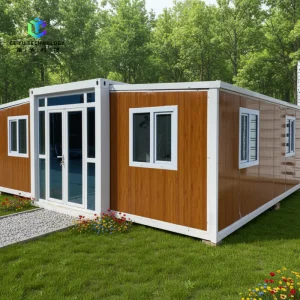
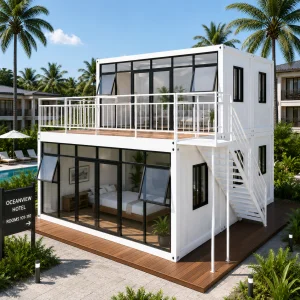
From Graubünden to Zermatt, expandable container suites and modular hotels demand deep thermal insulation to withstand high wind speeds and sub-zero temperatures, while minimizing site construction footprints.
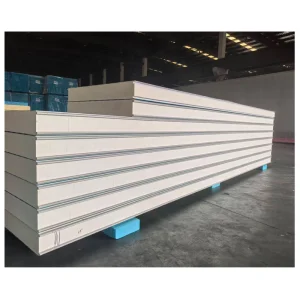
Agricultural and food distribution systems in Olten and Zurich rely on PIR panels up to 200mm thick. These panels help maintain steady sub-zero storage chambers, protecting sensitive cold chains while keeping energy overheads low.
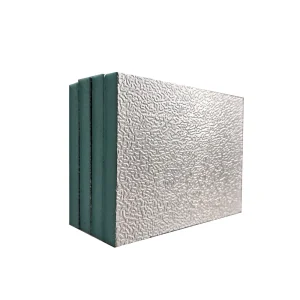
We provide specialized panel types for commercial projects, ductwork insulation, and prefab residential designs throughout Switzerland.
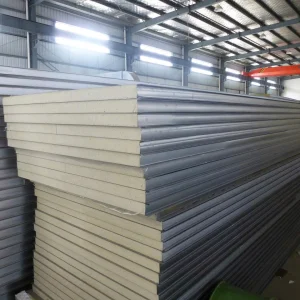
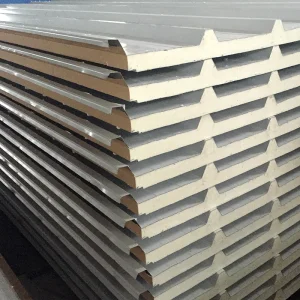
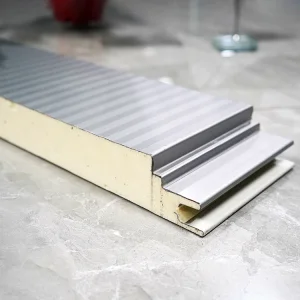
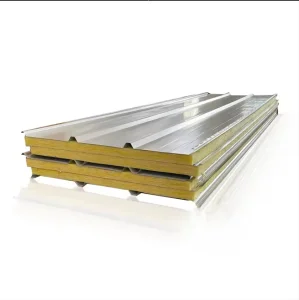
Connect with our structural engineering team to request custom CAD drawings, U-value analyses, and a competitive shipping quotation directly to your project site in Switzerland.
 Jonas Build