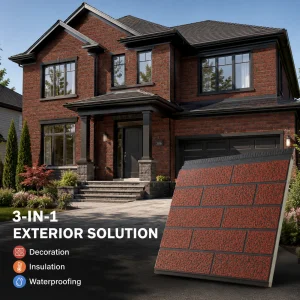
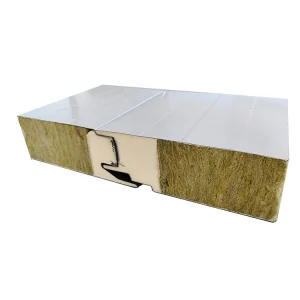
Engineered to meet local maritime zone 4C climates and strict continuous insulation requirements.
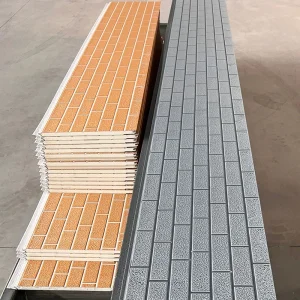
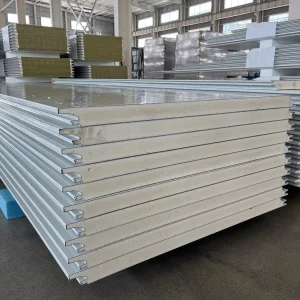
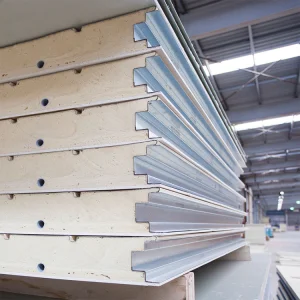
Seattle, Washington, and the surrounding Pacific Northwest (PNW) region represent one of the most technologically advanced and environmentally progressive construction markets in North America. The demand for industrial and commercial buildings is heavily driven by leading aerospace networks, cloud computing campuses (data centers), and the massive logistics hubs serving the Port of Seattle and the Port of Tacoma.
Additionally, Seattle falls under the Climate Zone 4C (Marine). The regional building codes enforce extremely stringent regulations concerning thermal resistance (R-values), air infiltration, and moisture management. Traditional multi-layer insulation builds often face challenges regarding thermal bridging and labor shortages. Our Polyurethane (PU/PIR) Sandwich Panels offer an all-in-one pre-engineered solution that satisfies the Washington State Energy Code (WSEC), accelerating building envelope closure by up to 50%.
| Compliance Parameter | PNW Regulatory Expectation | PU Sandwich Panel Advantage |
|---|---|---|
| Thermal Efficiency (R-Value) | WSEC Zone 4C Minimums | R-7.2 to R-8.0 per inch (PIR cores) | Seismic Loading (ASCE 7) | High Hazard Categories (D, E, F) | Lightweight structure reducing dead load |
| Water Vapor Penetration | Continuous moisture barrier | Impervious steel facings with double-joint system |
| Fire Performance | ASTM E84 Class A / NFPA 285 | PIR self-extinguishing core options available |
How local commercial sectors utilize insulated sandwich panel systems to mitigate operating costs.
Given the proximity to Puget Sound and the fishing fleets, cold storage facilities and seafood packing plants in Seattle, Tacoma, and Everett rely heavily on 100mm to 200mm PU core sandwich panels. The panels maintain consistent deep-freeze environments down to -40°F, preserving freshness and energy.
Cloud infrastructure requires tight climate control. PU Sandwich panels offer maximum vapor seal capabilities and uniform thermal performance. They protect critical server rooms from high external relative humidity, mitigating HVAC electrical load and improving overall Power Usage Effectiveness (PUE).
Seattle lies in a highly active seismic zone. Heavy concrete masonry and traditional brick facades put high static shear stress on structural steel. Lightweight PU panels drastically reduce building self-weight, providing an elastic envelope that performs exceptionally well during seismic shifts.
Fulfilling large-scale commercial building projects in the United States requires balancing quality compliance with volatile material costs. Importing customized building panels from a China-based industrial manufacturer like Ningbo Jonas Build Co., Ltd. offers a strategic cost-to-performance ratio that domestic suppliers struggle to replicate.
By leveraging advanced continuous automated laminating lines, high-density polyurethane formulation, and strategic raw material procurement, we deliver world-class insulated systems at highly competitive rates. Located in Ningbo, one of the world's premier deepwater shipping hubs, we facilitate direct ocean freight routes to the Port of Seattle and the Port of Tacoma, bypassing inland shipping delays.
Ningbo Jonas Build Co., Ltd. is a professional China industrial construction panel manufacturer specializing in insulated building panel solutions for global industrial and commercial construction projects. With extensive industry experience and advanced manufacturing capabilities, the company is committed to delivering high-quality, energy-efficient, and customized panel systems that meet the diverse requirements of customers worldwide.
The company provides a comprehensive range of products, including insulated sandwich panels, industrial wall panels, roofing panels, cold room panels, cleanroom panels, fire-rated panels, and customized building envelope solutions. Designed for superior thermal performance, structural reliability, and rapid installation, these products are widely used in industrial plants, warehouses, logistics centers, cold storage facilities, commercial buildings, modular construction projects, and infrastructure developments.
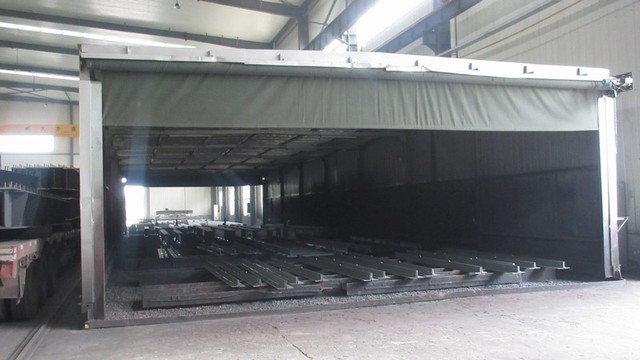
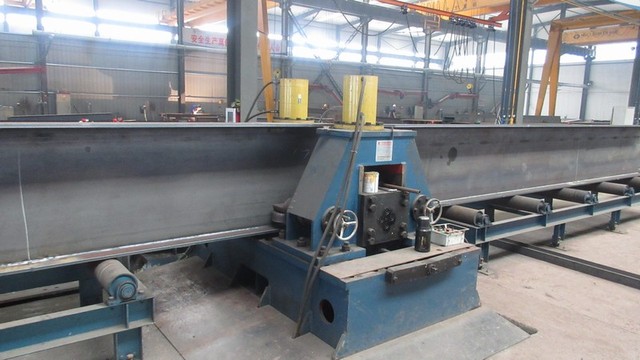
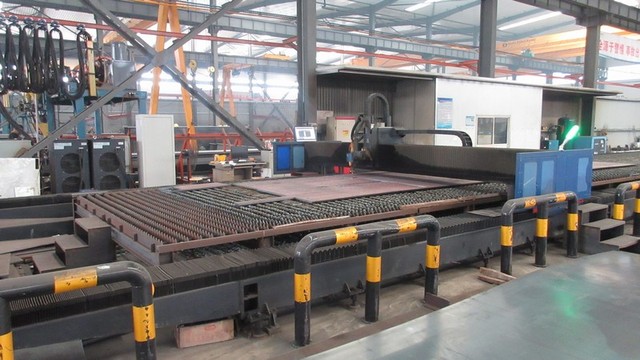
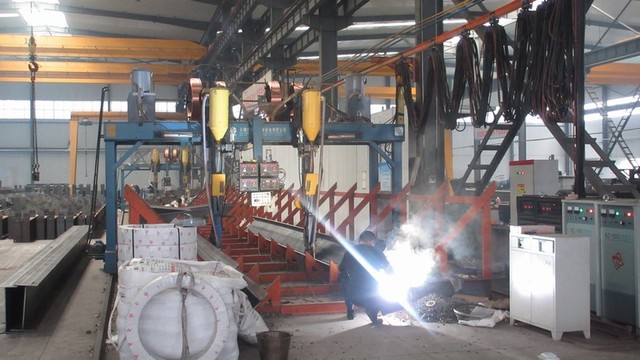
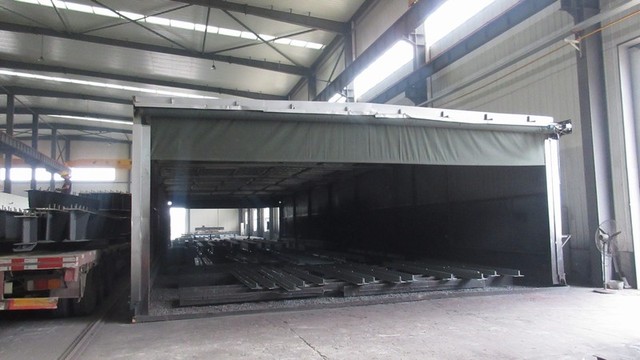
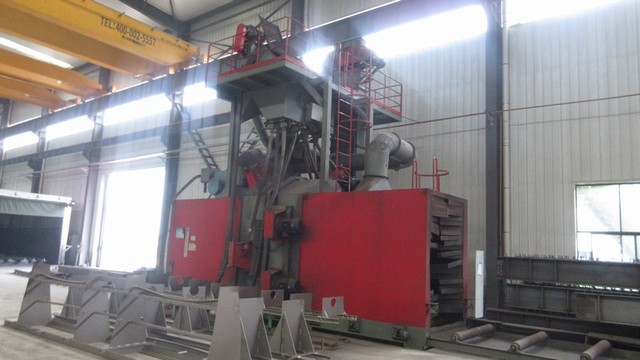
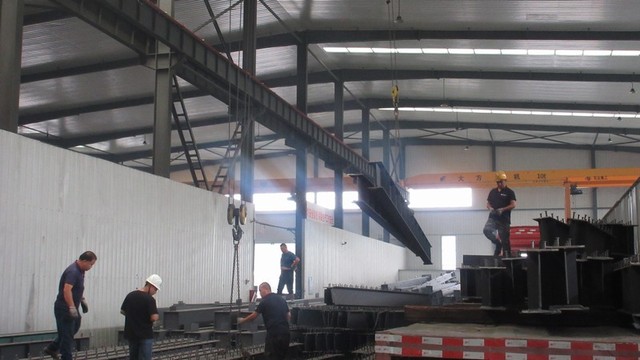
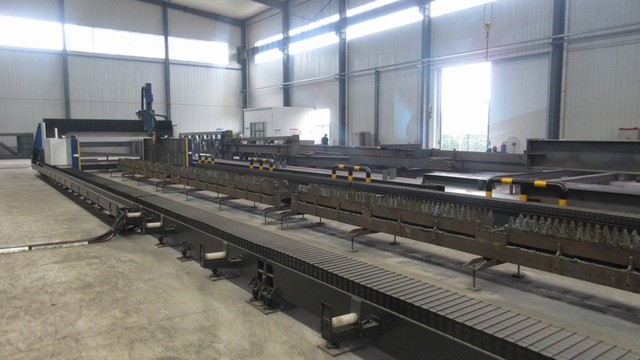
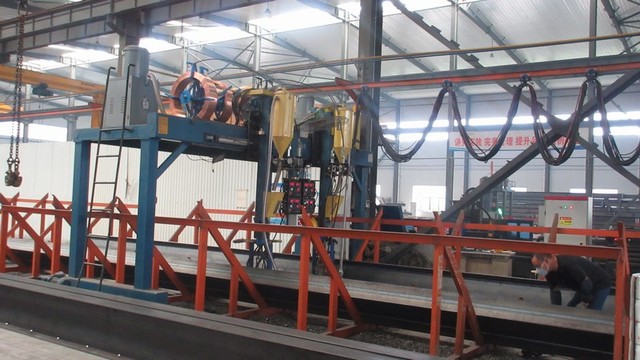
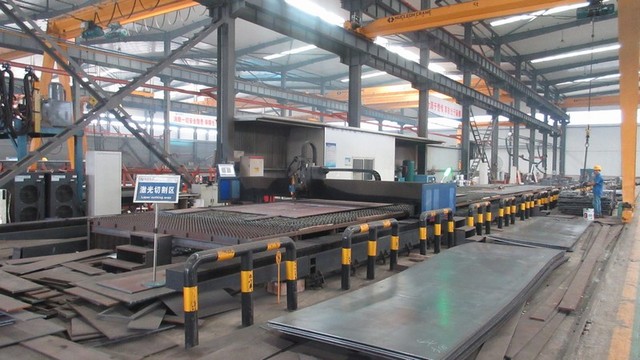
Ningbo Jonas Build Co., Ltd. operates modern production facilities equipped with advanced automated manufacturing lines, precision processing equipment, and strict quality inspection systems. Supported by a skilled team of engineers and technical specialists, the company offers one-stop services covering project consultation, product design, manufacturing, quality assurance, packaging, and international logistics coordination.
How sustainability and labor constraints drive the global adoption of pre-engineered systems.
Global architecture firms are focusing on "Operational Carbon". Since building operations account for a large portion of global emissions, integrating a high-performance PU insulation layer helps lower long-term heating and cooling demands, reducing the carbon footprint of structural systems.
High labor costs in urban centers like Seattle demand shorter field installation times. PU Sandwich Panels integrate the exterior cladding, vapour barrier, and insulation into one pre-engineered piece, lowering onsite labor requirements and minimizing the risk of installation errors.
Modern developers specify Polyisocyanurate (PIR) over traditional Polyurethane (PUR) cores for enhanced fire protection. PIR cores exhibit cross-linked polymer structures that char rather than melt, performing exceptionally well in ASTM fire endurance tests.
Select the right specification for your commercial warehouse, cold chain, or residential envelope system.
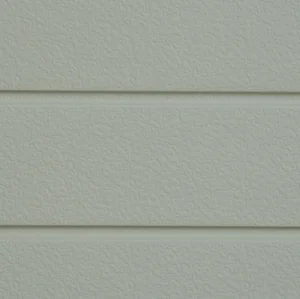
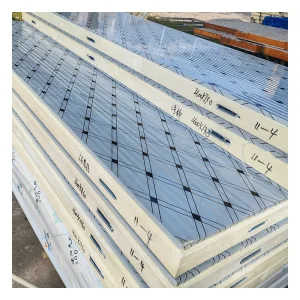
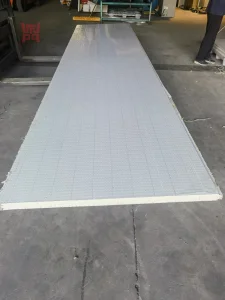
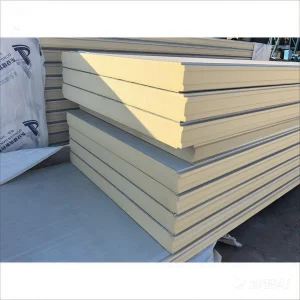
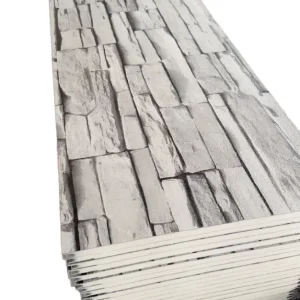
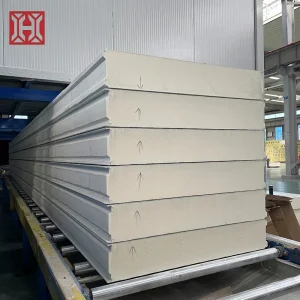
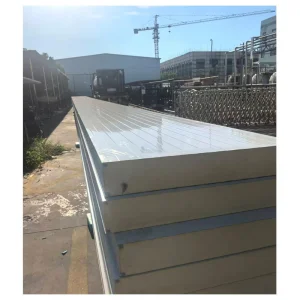
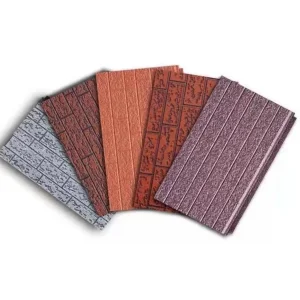
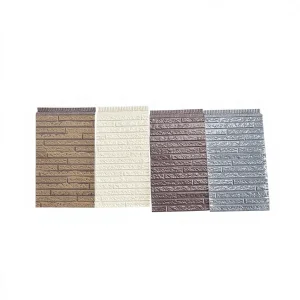
We commit to sustainable development values, implementing strict Quality Management Systems (QMS).
Innovation, quality, and sustainability are the core values driving the company's development. By utilizing advanced production technologies and premium raw materials, Jonas Build continuously enhances product performance in thermal insulation, fire resistance, weather protection, and energy efficiency. The company's panel systems help customers reduce construction time, lower operating costs, and improve overall building performance.
Committed to excellence and customer satisfaction, Ningbo Jonas Build Co., Ltd. has established long-term business relationships with clients across Asia, Europe, the Middle East, Africa, and the Americas. The company remains dedicated to providing reliable insulated building panel solutions that support sustainable construction and create long-term value for customers worldwide.
Answers to common structural, thermal, and compliance questions asked by local engineers.
Get a comprehensive engineering assessment, custom R-value calculation, and container-load pricing directly from our technical sales team.
Send Inquiry Now Jonas Build