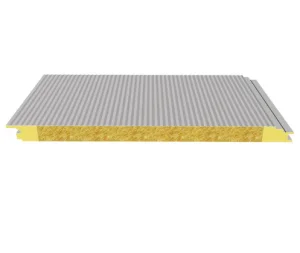
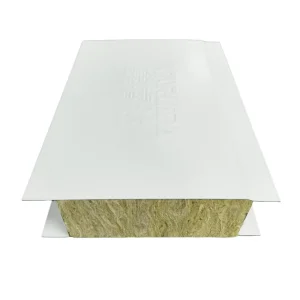
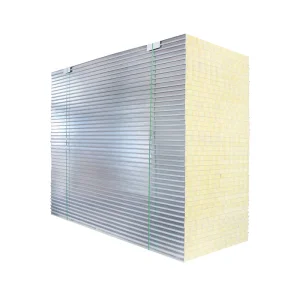
Engineered to withstand the demanding seismic and high-humidity environments of Central American construction zones.
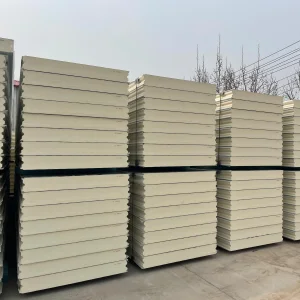
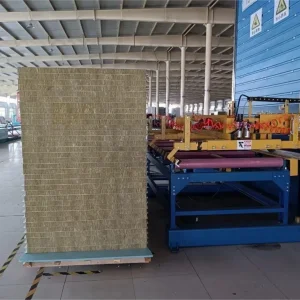
Costa Rica is globally recognized for its aggressive decarbonization goals, aiming for a net-zero carbon economy by 2050. This environmental commitment directly shapes its industrial construction standards. The rapid expansion of specialized logistics parks, manufacturing plants, and high-tech medical device corridors in free trade zones—such as the Coyol Free Zone in Alajuela and facilities in Heredia and Cartago—has catalyzed the demand for advanced building envelope technologies.
Commercial developers in Costa Rica face a multi-layered engineering challenge: integrating materials that offer high thermal efficiency to minimize HVAC energy consumption, while simultaneously meeting stringent seismic and fire safety standards. Rock Wool Sandwich Panels represent the premium solution to these demands, combining structural integrity with ecological compatibility.
By leveraging an inorganic basalt stone core, these panels ensure zero ozone depletion potential (ODP) and global warming potential (GWP), aligning seamlessly with national green building certifications (such as *RESET* and *LEED* projects in Costa Rica).
Structural performance characteristics designed for high humidity and volcanic zones.
Building in Central America, particularly in Costa Rica's microclimates, requires deep consideration of environmental and meteorological variables. Standard construction systems suffer accelerated degradation due to three core factors:
Costa Rica’s coastal zones (near Puerto Limón and Puerto Caldera) experience extreme atmospheric moisture. Our panels feature specialized anti-corrosion prepainted galvanized iron (PPGI) skins, preventing moisture penetration into the insulation core.
The Seismic Code of Costa Rica (Código Sísmico de Costa Rica) requires curtain walls and external envelopes to sustain lateral drifts. The elastic properties of high-density rock wool, coupled with double-tongue-and-groove joint profiles, allow structural flexing without joint failure.
Tropical storms and hurricane-force winds call for heavy-duty structural anchoring. The interlocking male-female panel joint system with concealed fasteners ensures a watertight seal and exceptional wind load capabilities.
Customizable options allow contractors to match panel properties directly to project-specific heat load index requirements (U-values) and internal structural demands.
| Core Thickness (mm) | Thermal Conductivity (W/m·K) | Fire Resistance Rating (min) | Sound Transmission Loss (dB) | Seismic Lateral Flexibility Support |
|---|---|---|---|---|
| 50 mm | 0.040 - 0.044 | 60 Minutes | ~31 dB | High (Interlocking joints) |
| 75 mm | 0.038 - 0.042 | 90 Minutes | ~33 dB | High (Interlocking joints) |
| 100 mm | 0.036 - 0.040 | 120 Minutes | ~36 dB | Excellent (Structural reinforcement) |
| 150 mm | 0.034 - 0.038 | 180+ Minutes | ~41 dB | Excellent (Seismic perimeter channel layout) |
| 200 mm | 0.032 - 0.036 | 240+ Minutes | ~45 dB | Ultra Heavy Duty (Rigid structural systems) |
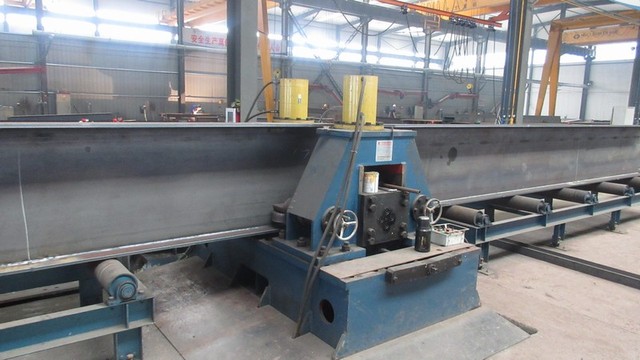
Ningbo Jonas Build Co., Ltd. is a professional China industrial construction panel manufacturer specializing in insulated building panel solutions for global industrial and commercial construction projects. With extensive industry experience and advanced manufacturing capabilities, the company is committed to delivering high-quality, energy-efficient, and customized panel systems that meet the diverse requirements of customers worldwide.
The company provides a comprehensive range of products, including insulated sandwich panels, industrial wall panels, roofing panels, cold room panels, cleanroom panels, fire-rated panels, and customized building envelope solutions. Designed for superior thermal performance, structural reliability, and rapid installation, these products are widely used in industrial plants, warehouses, logistics centers, cold storage facilities, commercial buildings, modular construction projects, and infrastructure developments.
Supported by a skilled team of engineers and technical specialists, the company offers one-stop services covering project consultation, product design, manufacturing, quality assurance, packaging, and international logistics coordination to major Costa Rican ports such as Puerto Caldera and Puerto Limón.
Innovation, quality, and sustainability are the core values driving the company's development. By utilizing advanced production technologies and premium raw materials, Jonas Build continuously enhances product performance in thermal insulation, fire resistance, weather protection, and energy efficiency. The company's panel systems help customers reduce construction time, lower operating costs, and improve overall building performance.
Committed to excellence and customer satisfaction, Ningbo Jonas Build Co., Ltd. has established long-term business relationships with clients across Asia, Europe, the Middle East, Africa, and the Americas. The company remains dedicated to providing reliable insulated building panel solutions that support sustainable construction and create long-term value for customers worldwide.
Select from our targeted catalog of high-density rock wool core insulation systems.
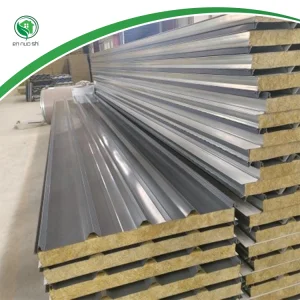
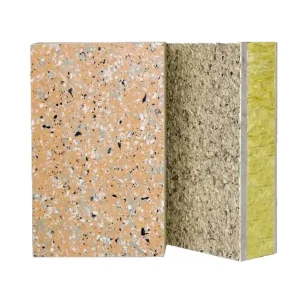
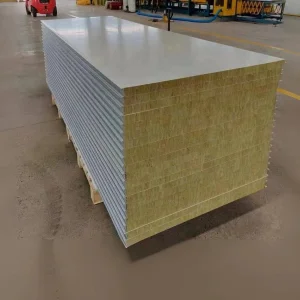
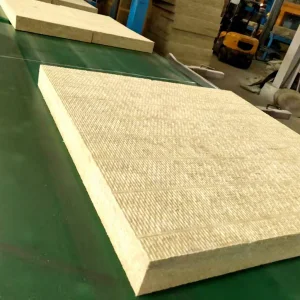
Optimized for food processing, high-grade medical labs, and strict thermal containment.
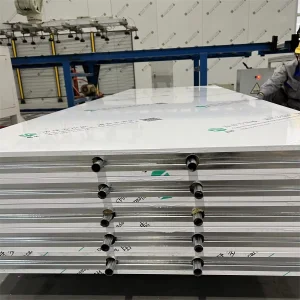
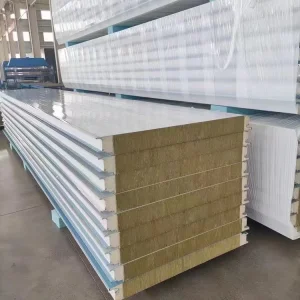
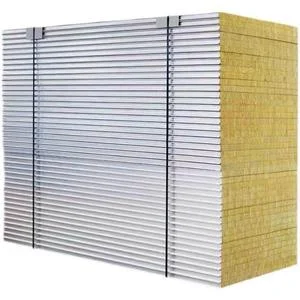
Building envelopes in Costa Rica must navigate specific local regulations alongside international building code references. When sourcing structural cladding, architects and civil contractors need to prioritize compliance across three major domains:
According to the Reglamento de Seguridad Humana y Protección contra Incendios (administered by the Costa Rican Fire Department - Bomberos de Costa Rica) and aligned closely with **NFPA 101 (Life Safety Code)**, materials used for vertical partition walls and roofing systems in commercial complexes must exhibit class-leading fire behavior. Standard EPS or polyurethane panels can present toxic smoke hazards during a fire event. Jonas Build's Rock Wool cores are strictly A1 classified (non-combustible, inorganic, and releasing no toxic smoke), meeting safety thresholds for high-occupancy environments.
Relative humidity in cities like Guápiles or southern regions of Osa regularly exceeds 90%. Traditional mineral wool systems risk sagging or losing insulation value as moisture is absorbed. Our panels feature specialized water-repellent (hydrophobic) additives within the mineral fiber production matrix. This inhibits capillary water absorption, maintaining R-values for decades without core settling.
In accordance with the Código Sísmico de Costa Rica, building wall and roof connections must allow dynamic deflection. Jonas Build works closely with local structural design consultants in San José to supply panels complete with engineered framing channels and expansion joints, allowing the building skin to absorb shear stresses without catastrophic structural buckling.
As the construction industry transitions toward fully circular economies, the components within our building systems are being redesigned for maximum longevity and reuse. Jonas Build is actively integrating advanced technical pathways to maintain a leadership position in architectural cladding:
Complete 3D-BIM model compliance, allowing construction teams in San José and Heredia to perform thermal energy calculations and virtual dry-fits before logistics delivery.
Developing bio-soluble starch and natural resin binders to replace formaldehyde compounds in rock wool fiber production, creating zero-indoor-emission panels.
Designing panel construction joints that allow simple mechanical separation of outer metal skins and the rock wool core, enabling 100% recycling at the end of building life cycles.
In-depth technical answers for engineers, quantity surveyors, and project developers in Costa Rica.
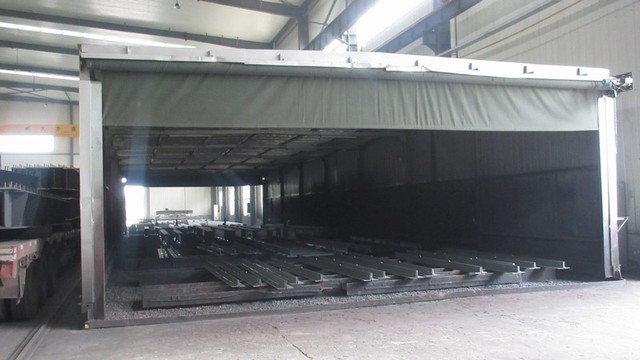
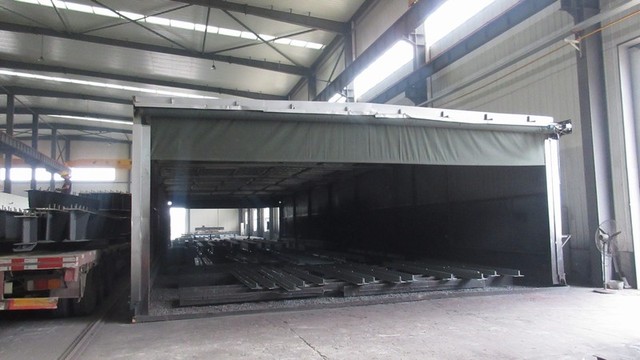
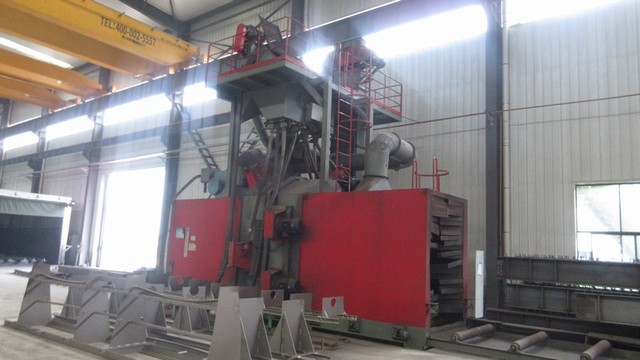
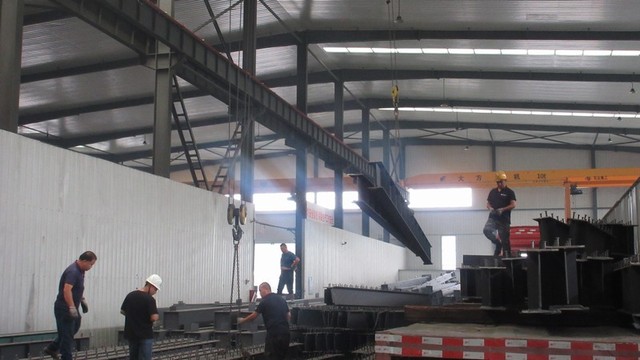
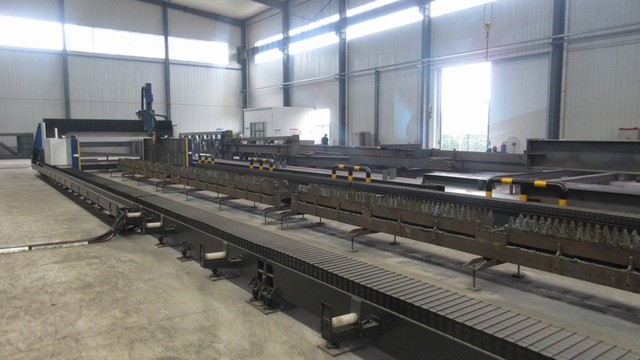
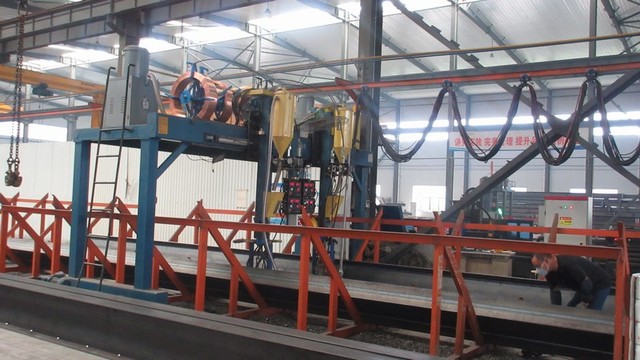
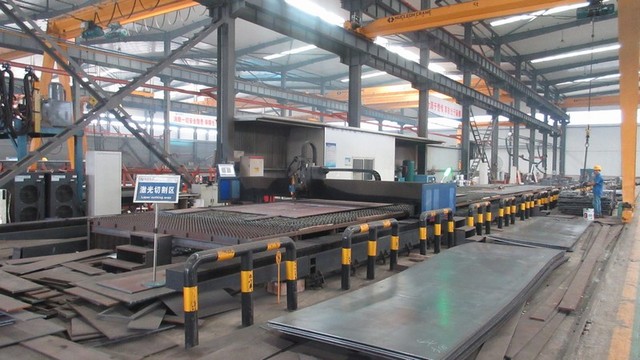
A visual overview of our modern automated manufacturing lines, quality testing equipment, and export loading operations.
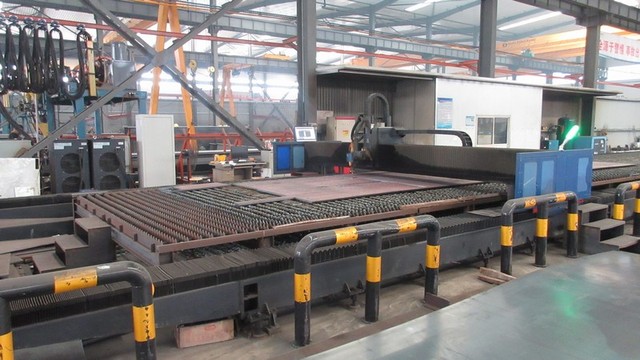
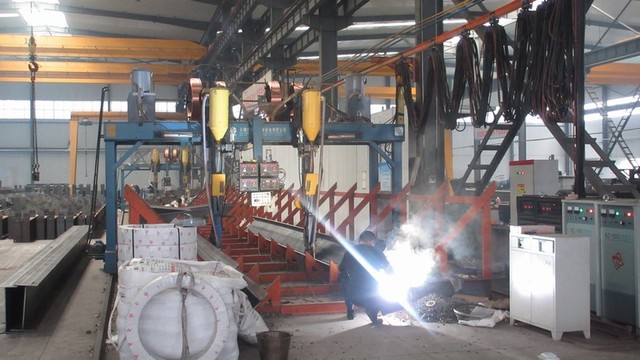
Let us help optimize your project’s thermal envelope, structural design, and fire safety ratings. We provide customized design mockups, CAD integration models, and direct container delivery to Costa Rican ports.
 Jonas Build