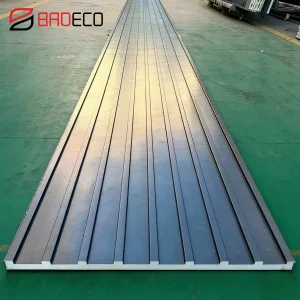
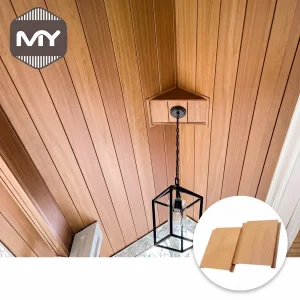
Engineered thermal systems specifically selected to meet the localized R-value targets and environmental conditions of southern Africa.
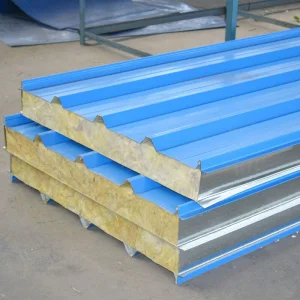
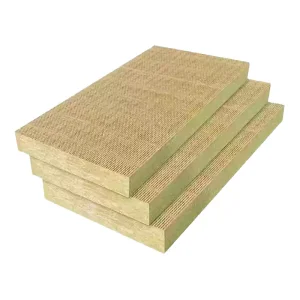
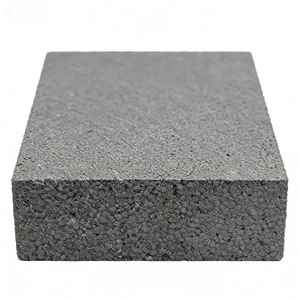
The South African commercial and industrial building sector operates under unique climatic and operational challenges. With the strict implementation of the SANS 10400-XA (Energy Efficiency in Buildings) regulations, building designers, engineers, and developers must achieve highly demanding overall thermal resistance (R-value) targets for roof installations. Our high-performance roof insulation panels are manufactured specifically to meet and exceed these localized standards.
Moreover, the persistent challenge of electrical supply variability (load shedding) has shifted insulation from a mere regulatory checkbox to a business continuity necessity. By insulating logistics centers, warehouses, and factories with high-R-value composite panels, facilities act as "thermal batteries," maintaining interior ambient temperatures during power outages and reducing HVAC peak-load draw when power is restored.
From the hot, humid coastal climate of Durban (Zone 5) to the extreme diurnal temperature variations of the Gauteng Highveld (Zone 1), our panels are custom-tailored with appropriate skin materials and core thicknesses to balance heat gain and structural deflection.
Compliance with SANS 10177 and fire safety protocols is paramount. We export Class B1-d0 Polyisocyanurate (PIR) and completely non-combustible Rock Wool core panels that satisfy strict regulatory conditions for industrial facilities throughout southern Africa.
The convergence of green building certificates (LEED, Green Star SA) and global carbon mitigation strategies demands advanced materials.
Global supply chains require buildings that minimize operating expenses. Modern PIR and Rock Wool insulation panels dramatically reduce thermal transfer, lowering HVAC operational costs by up to 40% in large-scale logistics centers.
Coastal applications suffer from rapid corrosion. Global best practice mandates the use of specialized PVDF or high-durability polyester (HDP) pre-painted steel sheets to ensure the insulation system survives corrosive C4 and C5 environments.
Investing in structural sandwich panels ensures that the insulation core does not sag, collect moisture, or lose thermal efficiency over time, maintaining R-value consistency for the building's entire 30+ year lifespan.
How Ningbo Jonas Build Co., Ltd. integrates advanced continuous manufacturing with rapid international export dynamics.
In the globalized industrial panel procurement landscape, speed, precision, and delivery reliability define project success. As a leading manufacturer and exporter, Ningbo Jonas Build Co., Ltd. leverages a highly optimized Factory 4.0 workflow. Our automated double-belt continuous lamination lines ensure precise chemical ratios for polyurethane core expansion, absolute dimensional consistency, and high-strength metal-to-core bonding.
This automated capability translates directly into structural advantages for South African contractors: consistent interlocking joint geometry for rapid onsite installation, uniform density, and zero internal air pockets. By choosing our factory direct systems, you benefit from Chinese manufacturing scale and optimized raw material sourcing, bypassing multi-tiered local distribution markups.
From agricultural processing hubs to massive distribution centers, we supply targeted structural panels.
Large-scale hubs in Midrand and Pomona require high spanning capabilities and strict temperature regulation. Our lightweight PIR and EPS sandwich panels support long roof purlin distances while maintaining high thermal efficiency, keeping HVAC requirements to a minimum.
For the agricultural export sector in Ceres and Stellenbosch, preserving the cold chain is vital. Our thick polyurethane panels (up to 150mm - 200mm) ensure stable sub-zero environments, mitigating the severe impact of local power outages.
High humidity and airborne salt require exterior skins with premium protective paint layers (PVDF/HDP). Our customized insulated roofing panels feature anti-corrosion exterior metal facings designed to endure harsh coastal air.
Select the appropriate insulation core material based on your South African project requirements.
| Insulation Core Type | Thermal Conductivity (W/m·K) | Fire Classification | Primary South African Application | Moisture Resistance |
|---|---|---|---|---|
| Polyisocyanurate (PIR) | 0.020 - 0.023 | Class B-s1, d0 (EN 13501-1) | Cold Storage Facilities & Commercial Distribution Hubs | Excellent (Closed Cell Structure) |
| Rock Wool (Mineral Fiber) | 0.038 - 0.044 | Class A1 Non-combustible | High-risk Industrial Processing Plants & Firewalls | Moderate (Requires vapor barrier) |
| Glass Wool | 0.035 - 0.040 | Non-combustible | Prefabricated Offices & Medium-Scale Warehouses | Moderate |
| SEPS / EPS (Polystyrene) | 0.033 - 0.038 | Class B2 (Self-extinguishing) | Cost-sensitive Commercial Buildings & Sheds | Good |
Explore our full exporter catalog of premium sandwich panels available for direct shipping to South African ports.
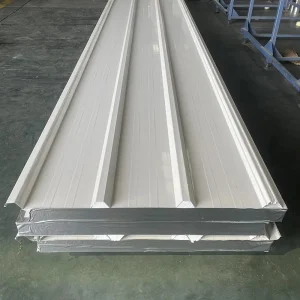
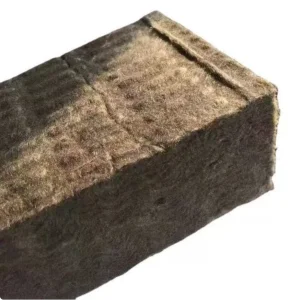
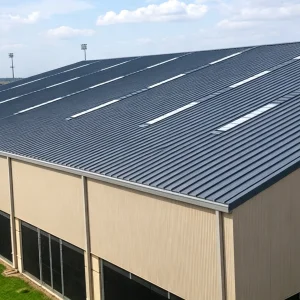
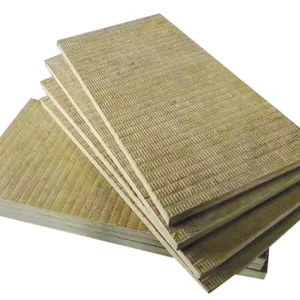
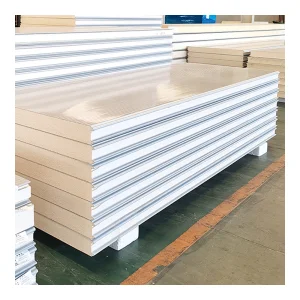
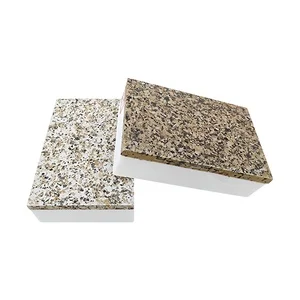
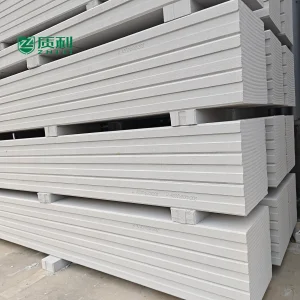
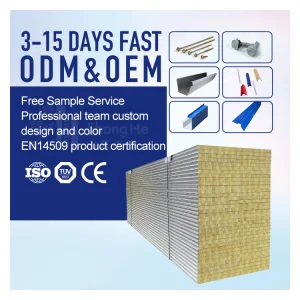
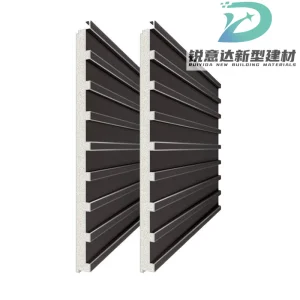
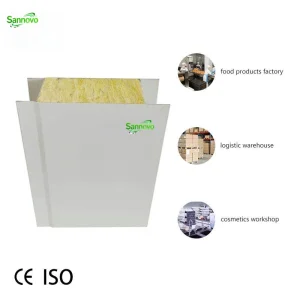
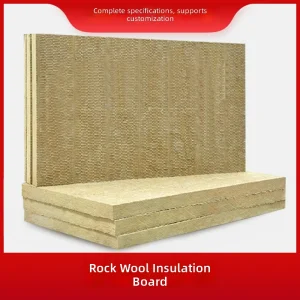
Ningbo Jonas Build Co., Ltd. is a professional China industrial construction panel manufacturer specializing in insulated building panel solutions for global industrial and commercial construction projects. With extensive industry experience and advanced manufacturing capabilities, the company is committed to delivering high-quality, energy-efficient, and customized panel systems that meet the diverse requirements of customers worldwide.
The company provides a comprehensive range of products, including insulated sandwich panels, industrial wall panels, roofing panels, cold room panels, cleanroom panels, fire-rated panels, and customized building envelope solutions. Designed for superior thermal performance, structural reliability, and rapid installation, these products are widely used in industrial plants, warehouses, logistics centers, cold storage facilities, commercial buildings, modular construction projects, and infrastructure developments.
Innovation, quality, and sustainability are the core values driving the company's development. By utilizing advanced production technologies and premium raw materials, Jonas Build continuously enhances product performance in thermal insulation, fire resistance, weather protection, and energy efficiency. The company's panel systems help customers reduce construction time, lower operating costs, and improve overall building performance.
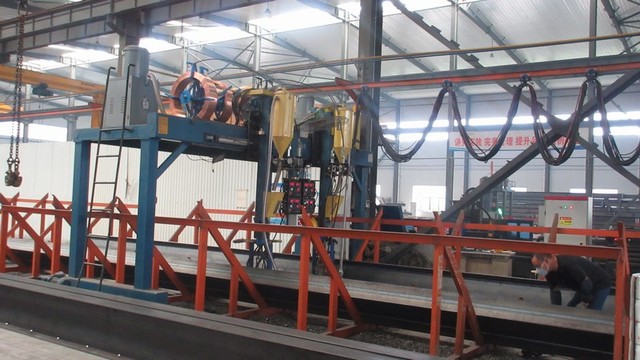
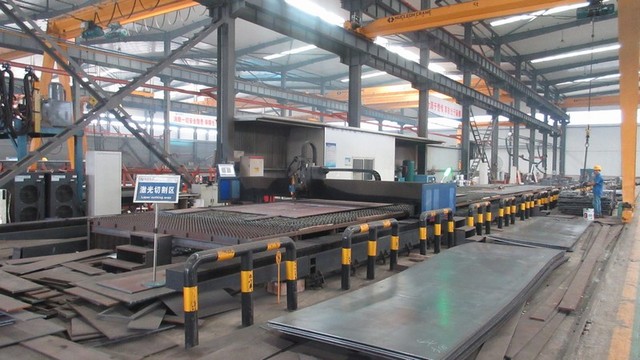
Ningbo Jonas Build Co., Ltd. operates modern production facilities equipped with advanced automated manufacturing lines, precision processing equipment, and strict quality inspection systems. Supported by a skilled team of engineers and technical specialists, the company offers one-stop services covering project consultation, product design, manufacturing, quality assurance, packaging, and international logistics coordination.
Committed to excellence and customer satisfaction, Ningbo Jonas Build Co., Ltd. has established long-term business relationships with clients across Asia, Europe, the Middle East, Africa, and the Americas. The company remains dedicated to providing reliable insulated building panel solutions that support sustainable construction and create long-term value for customers worldwide.
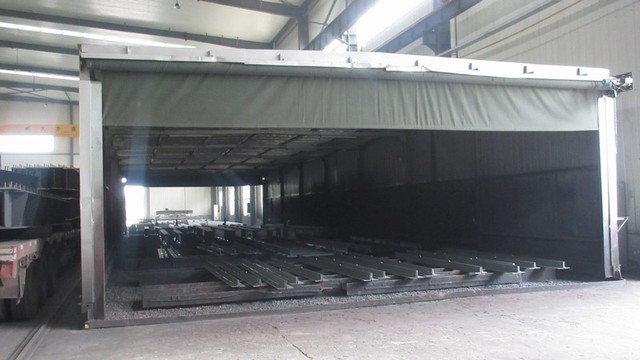
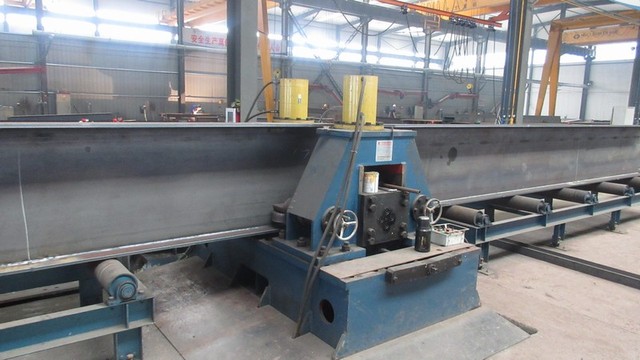
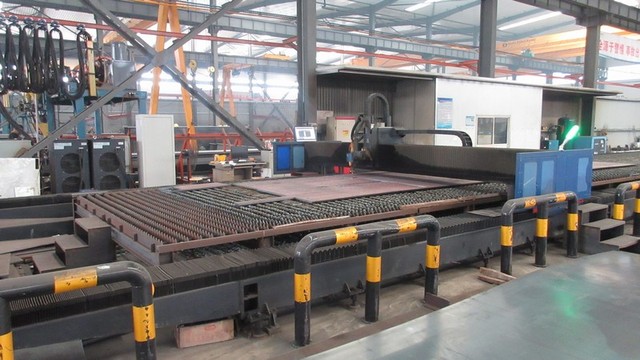
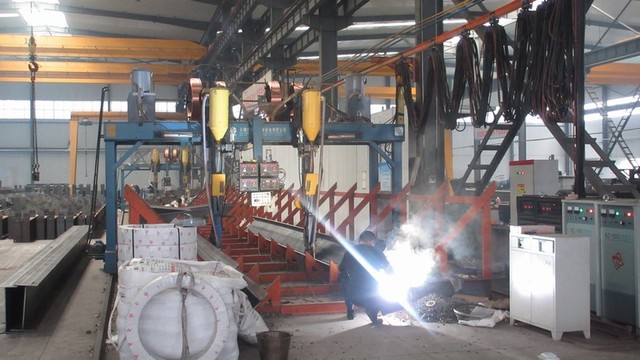
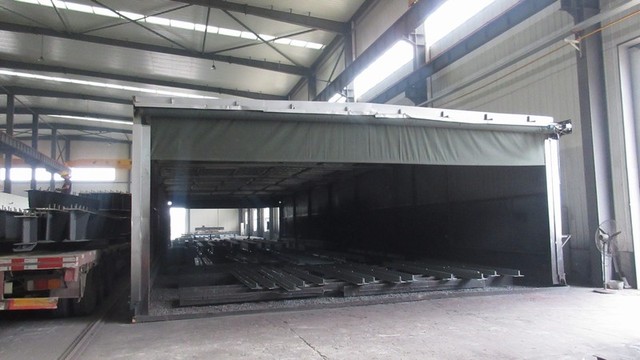
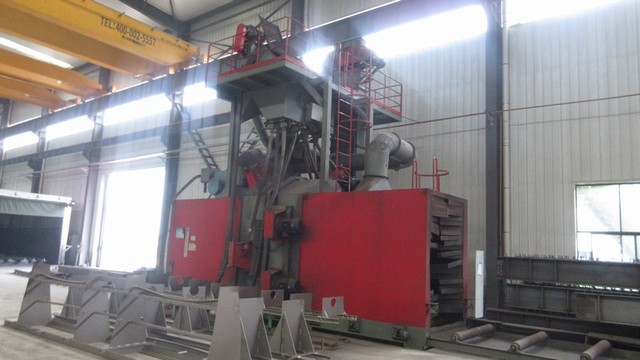
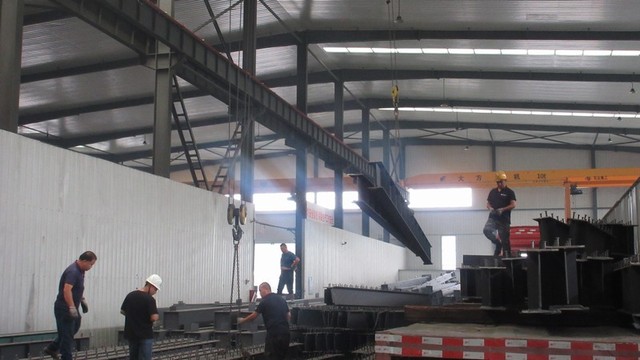
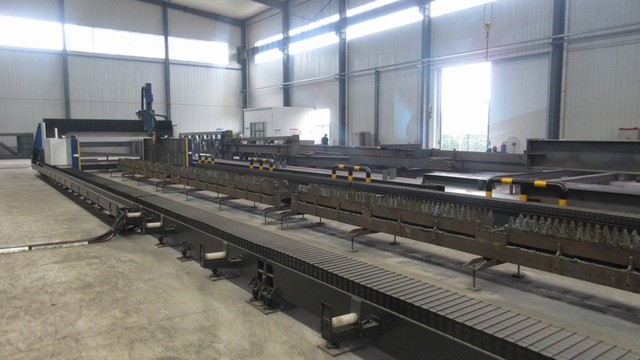
Tour our manufacturing lines, warehouse staging, and shipping preparation areas.
Technical and logistics answers for engineers, quantity surveyors, and project managers in South Africa.
Under the revised SANS 10400-XA regulations, the minimum total R-value for roofs depends on the climate zone of South Africa (Zones 1 through 6). For instance, in Zone 1 (Gauteng Highveld) and Zone 5 (Durban coastal region), the required total roof R-value ranges from 3.2 to 3.7 m²·K/W. Using a 100mm to 120mm PIR sandwich panel easily exceeds this requirement, ensuring full building compliance without needing supplementary ceiling insulation layers.
For high-corrosive marine environments (Class C4 and C5), we customize the exterior steel facing sheets of our insulated roofing panels with premium zinc coatings (up to 275 g/m²) and specialized paint coatings, such as PVDF (Polyvinylidene Fluoride) or HDP (High Durability Polyester). This prevents salt-spray oxidation, blistering, and UV degradation, extending the maintenance-free life of the roof envelope.
Production cycles generally require 10 to 15 days from technical drawings sign-off. Shipping transit time from Ningbo Port to Durban Port is approximately 25 to 30 days, and about 30 to 35 days to Cape Town Port. We handle all international export packing, securing panels in custom seaworthy timber crates or bundles to ensure safe transit and zero denting during cargo handling.
Rock Wool is completely non-combustible (Euroclass A1/A2) with a melting temperature exceeding 1000°C, making it optimal for structural fire barriers and facilities storing combustible materials. Polyisocyanurate (PIR) is an organic material that has excellent flame-retardant characteristics (typically B-s1, d0), meaning it carbonizes upon direct fire contact, preventing flame spread, but is not considered non-combustible like mineral rock wool.
Yes, our insulated roof panels feature high skin thickness (up to 0.6mm or 0.8mm structural steel) and optimized profile rib designs that easily accommodate specialized solar mounting brackets. Because of the excellent structural shear strength of our polyurethane/mineral wool composite cores, the panels can support the dead loads of commercial solar arrays without compromising the weatherproofing or thermal barrier of the building.
Get direct access to factory pricing, certified laboratory testing reports, and custom structural calculations tailored for your project.
Send Inquiry Now Jonas Build