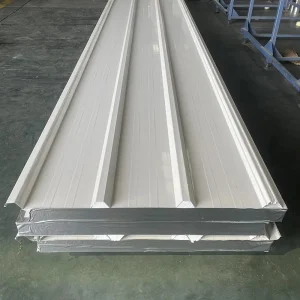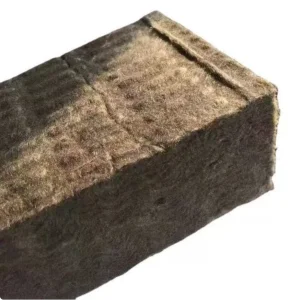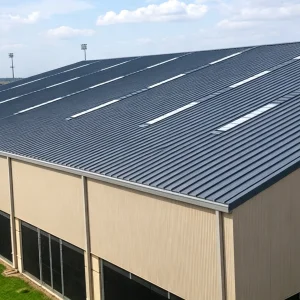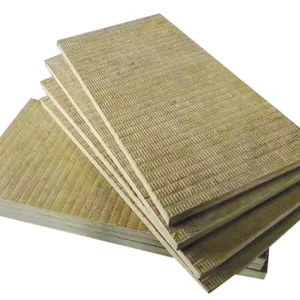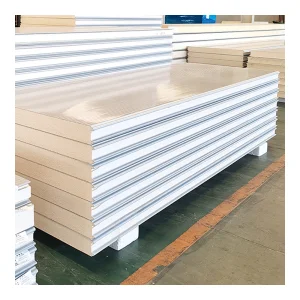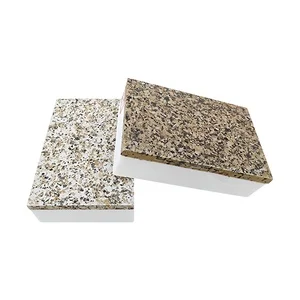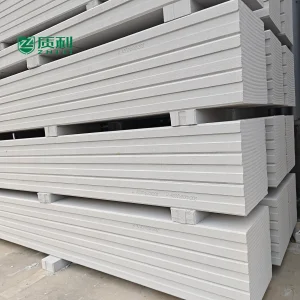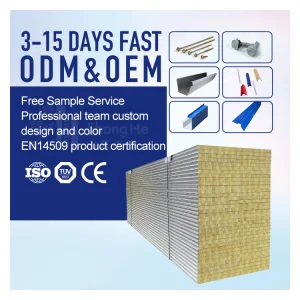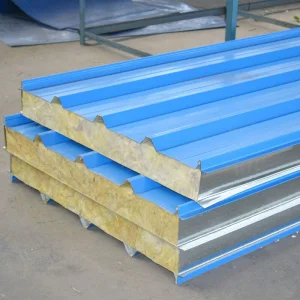
Excellent thermal acoustics and non-combustible classification suited for public infrastructure developments.
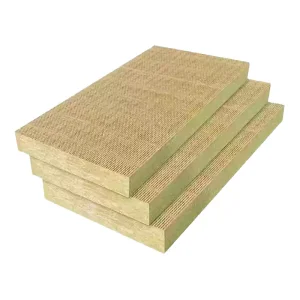
High compressive strength roof boards optimizing structural weight load and heat resistance profiles.
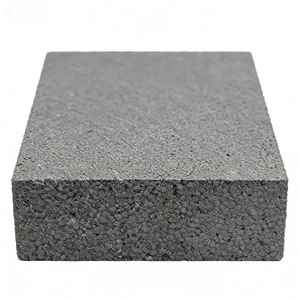
Enhanced graphite polystyrene boards achieving extremely low lambda values for residential renovations.
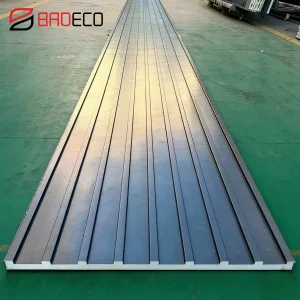
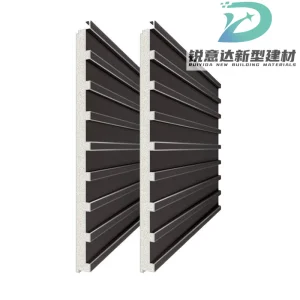
High-grade anti-corrosive aluminum surface layers combined with insulating polyurethane core matrix.
Ningbo Jonas Build Co., Ltd. is a professional China industrial construction panel manufacturer specializing in insulated building panel solutions for global industrial and commercial construction projects. With extensive industry experience and advanced manufacturing capabilities, the company is committed to delivering high-quality, energy-efficient, and customized panel systems that meet the diverse requirements of customers worldwide. Serving Italy's vibrant construction sectors, we deliver structural systems tailored to counter the specific climatic transitions between Northern Alpine zones and Southern Mediterranean territories.
The company provides a comprehensive range of products, including insulated sandwich panels, industrial wall panels, roofing panels, cold room panels, cleanroom panels, fire-rated panels, and customized building envelope solutions. Designed for superior thermal performance, structural reliability, and rapid installation, these products are widely used in industrial plants, warehouses, logistics centers, cold storage facilities, commercial buildings, modular construction projects, and infrastructure developments. Our exports to Italy are manufactured in full compliance with European Assessment Documents (EAD) and carry appropriate CE Markings.
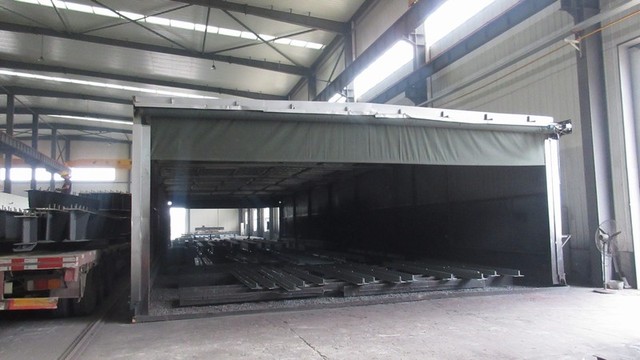
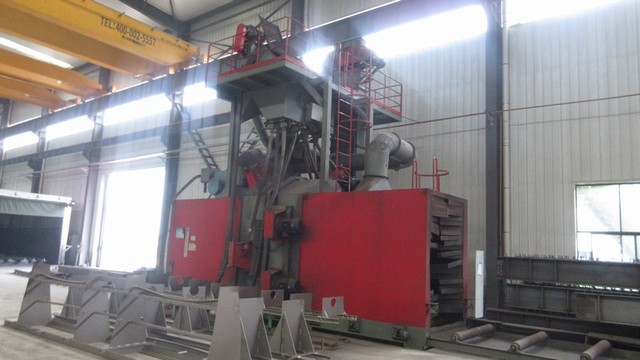
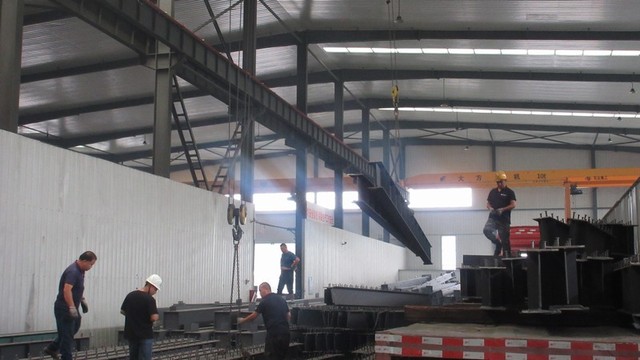
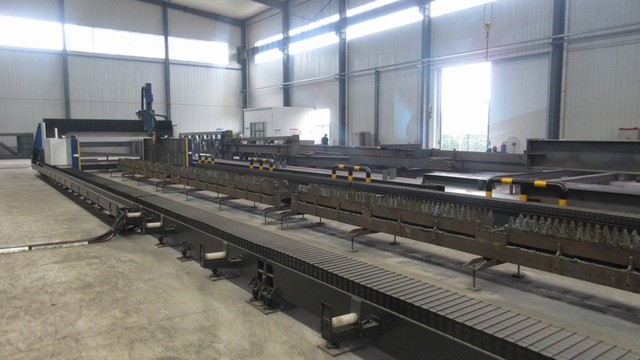
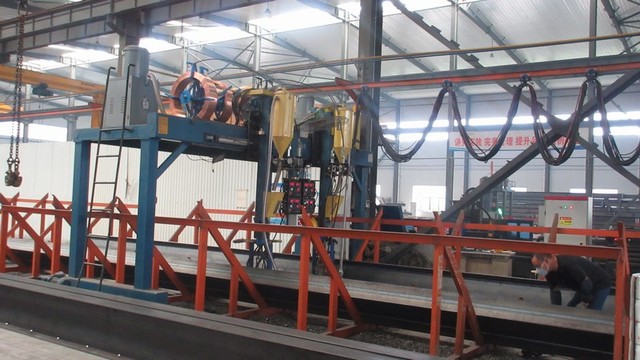
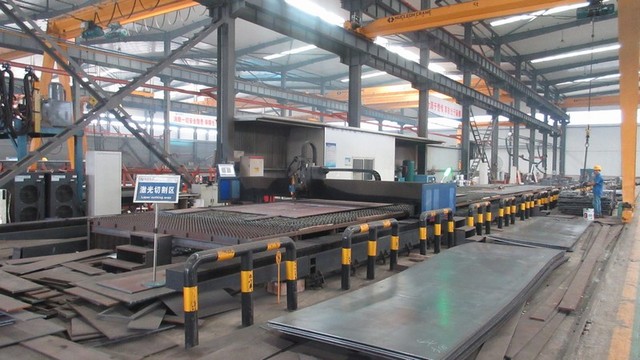
Ningbo Jonas Build Co., Ltd. operates modern production facilities equipped with advanced automated manufacturing lines, precision processing equipment, and strict quality inspection systems. Supported by a skilled team of engineers and technical specialists, the company offers one-stop services covering project consultation, product design, manufacturing, quality assurance, packaging, and international logistics coordination. Innovation, quality, and sustainability are the core values driving the company's development. By utilizing advanced production technologies and premium raw materials, Jonas Build continuously enhances product performance in thermal insulation, fire resistance, weather protection, and energy efficiency. Our panel systems help customers reduce construction time, lower operating costs, and improve overall building performance.
Italy is designated into distinct seismic activity zones. Building regulations, controlled under the Norme Tecniche per le Costruzioni (NTC 2018), require structural structural steel frames and building envelopes to utilize lightweight materials that do not compromise static safety loads. Modern cold-formed profiles combined with lightweight insulated sandwich panels are critical to satisfying these safety metrics. The structural design must account for dynamic horizontal acceleration during seismic events, meaning lightweight panel design (like SEPS or fiberglass wool) represents a key risk mitigation factor.
Under Italy’s updated Legislative Decree on Energy Performance of Buildings, thermal transmittance limits (U-values) for roofing systems have become increasingly stringent. For climatic zones E and F (common in Milan, Turin, and the Alpine regions), U-values must match or fall below 0.20 W/m²K to receive tax deductions or state-sponsored building subsidies (formerly the Superbonus framework). The high thermal resistance of PIR (Polyisocyanurate) and Rock Wool sandwich panels manufactured by Ningbo Jonas Build Co., Ltd. allows builders to achieve these strict U-value thresholds with optimized panel thicknesses, maximizing internal volumetric envelope capacity.
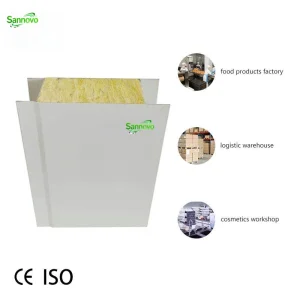
Commercial warehouses, logistics hubs, and industrial plants across Italy must meet strict fire prevention rules regulated by the Ministry of Interior. In logistics applications, fire compartmentation demands roofing and wall panels that prevent vertical or lateral flame spread. Using Rock Wool core elements, which possess natural mineral properties that resist temperatures in excess of 1,000°C, ensures compliance with Class A2-s1,d0 and REI rating requirements (REI 60 to REI 120 structural resistance, insulation, and integrity parameters).
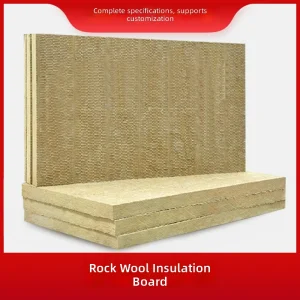
Roofing systems in Italy must survive diverse climates. Southern coastal regions (e.g., Puglia, Sicily) experience intense solar radiation and high ambient salinity. Here, aluminum-tile polyurethane sandwich panels with specialized PVDF coatings prevent premature oxidation and thermal degradation. In contrast, Northern Italy and the Apennine regions suffer heavy winter snow loads and freeze-thaw cycles, requiring high compressive strength rock wool insulation boards designed to carry high mechanical loads.
The global green building movement demands rapid innovation. The shift towards circular economies requires that insulation panels are not only energy-efficient during operation but also recyclable at the end of their operational lifecycle.
Phasing out traditional HFCs in favor of pentane and hydrofluoroolefin (HFO) blowing agents. Jonas Build implements these low Global Warming Potential (GWP) alternatives to ensure all polyurethane products exported to Western Europe maintain zero ozone depletion potential (ODP).
Integrating graphite particles into EPS matrix structures. The graphite acts as an infrared absorber and reflector, lowering thermal conductivity (lambda) by up to 20% compared to standard white EPS boards, enabling slimmer roof profiles.
Adapting profile structures of sandwich panels to facilitate direct mechanical attachment of photovoltaic (PV) racking systems without compromising the moisture barrier or thermal envelope integrity of the roof.
Maintaining thermal consistency in temperature-sensitive food preservation centers across Emilia-Romagna and Lombardy. High-thickness polyurethane sandwich panels provide clean, sterile joints while keeping internal temperatures down to -30°C with minimal energy usage.
Replacing outdated asbestos cement roofs with modern rock wool and composite aluminum sandwich panels. These lightweight solutions reduce building load and ensure compliance with modern Italian fire safety codes.
Installing insulated roofing solutions near ports (Genoa, Trieste, Naples) that withstand high humidity, salt spray, and corrosive environments. Using specialized aluminum alloys with PVDF coatings guarantees long-term durability.
Our sandwich roofing panels are manufactured to European Standard EN 14509 specifications. Structural design and calculation parameters are aligned with the Italian NTC 2018, ensuring suitability for seismic zones and various wind and snow loads.
PIR (Polyisocyanurate) offers superior thermal conductivity (down to 0.020 W/m·K) and enhanced fire resistance compared to PUR (Polyurethane). Rock Wool provides maximum fire safety (Class A1/A2 non-combustible) and acoustic performance, though it has slightly higher thermal conductivity (0.038 W/m·K).
For seaside and high-salinity zones, we recommend aluminum composite skins or steel sheets finished with high-durability coatings like PVDF or HDP (High Durability Polyester) to resist chemical degradation.
Yes. Our corrugated roofing panels feature outer steel skins designed to handle mounting brackets for photovoltaic systems. This allows for clean solar installations without puncturing the inner thermal barrier.
Once designs and specifications are approved, manufacturing takes 15–20 days. Ocean freight from Ningbo Port to major Italian ports like Genoa, La Spezia, or Trieste usually takes 30–35 days.
Yes. Our insulation solutions contribute to LEED points by using low-emission manufacturing processes, offering high thermal efficiency, and incorporating recycled materials in our rock wool and metal skins.
 Jonas Build