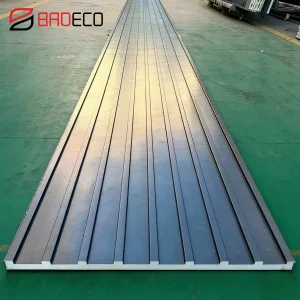
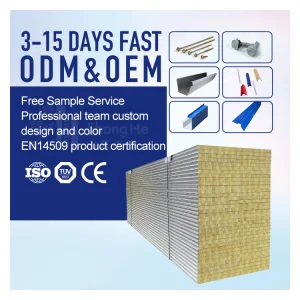
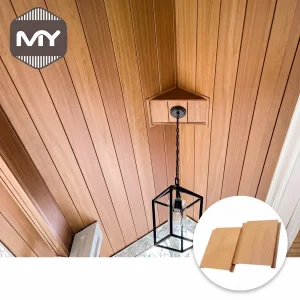
Optimized for California microclimates and Title 24 building insulation standards. High structural stability with premium core insulation materials.
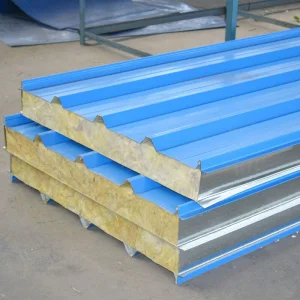
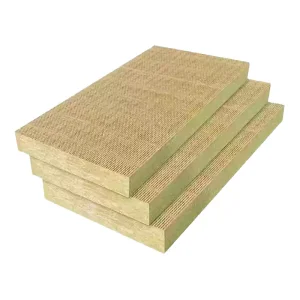
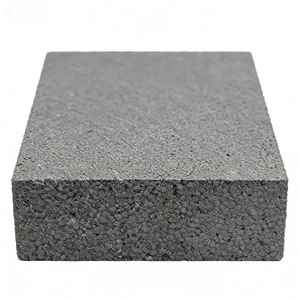
Engineering energy security, wildfire mitigation, and code compliance in California's most dynamic commercial landscape.
The industrial and commercial real estate market in the Greater Los Angeles Area—including major distribution corridors like the Inland Empire, Port of Los Angeles, and the Port of Long Beach—demands building envelope solutions that excel under strict regulatory environments. Chief among these is California Code of Regulations Title 24, Part 6 (California Energy Code). This framework mandates rigid envelope insulation thresholds to combat the urban heat island effect, curb carbon emissions, and reduce electrical grid loads. Roof insulation panels (SIPs and sandwich panels) act as the primary barrier against the intense Southern California sun, preventing radiant heat transfer directly into warehouse floors, cold chain hubs, and office spaces.
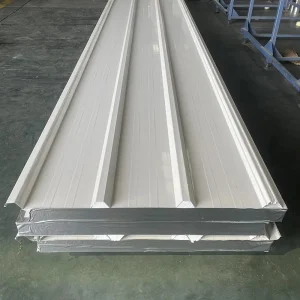
Furthermore, structural resilience is critical. Los Angeles operates in highly active seismic zones (governed by ASCE 7 structural standards). Traditional roofing systems add significant dead weight to roof structures, increasing dynamic lateral load forces during seismic events. Modern lightweight insulation sandwich panels, engineered with high-strength composite steel sheets and dense insulating cores (such as Rock Wool or PIR), offer exceptional load-bearing performance at a fraction of the weight, facilitating optimal structural design and safety.
Continuous insulation requirements demand low thermal bridge assemblies. High R-value cores (PIR/Rock Wool) enable fast-track code compliance for commercial developments.
Strict regional wildfire safety limits necessitate Class A fire-rated building skins. Jonas Build mineral wool panels offer 1 to 4 hours of proven fire protection.
Utilizing high-performance outer aluminum/steel skins with high Solar Reflectance Index (SRI) values to reflect solar heat and lower building cooling costs.
Decarbonization, prefabricated construction methods, and high-performance building skins are transforming global commercial development.
The global building insulation market is undergoing a structural transition driven by net-zero building commitments and rapidly increasing HVAC power costs. In industrialized regions including North America, Europe, and East Asia, prefabricated building envelopes are replacing field-assembled multi-layer insulation systems. Sandwich panels offer an all-in-one system providing structural cladding, vapor barriers, air sealing, and thermal insulation in a single crane lift. This drastically shortens project timelines while reducing construction site waste.
Additionally, insulation performance is shifting toward materials with long-term dimensional stability. Traditional fiberglass batts are prone to settling and moisture accumulation, which can degrade thermal performance over time. Modern insulated panels feature rigid polyurethane (PIR), rock wool, or SEPS (Graphite Polystyrene) cores that are protected by steel or aluminum barrier layers. This prevents gas leakage and water absorption, ensuring the building envelope maintains its target R-value over its entire design life.
Under international green building standards (such as LEED, BREEAM, and ASHRAE 90.1), insulation thickness requirements are increasing, accelerating the demand for low thermal conductivity panels.
Industrial developers are focusing on the environmental footprint of their structures, selecting insulation panels that incorporate recycled materials and low-GWP (Global Warming Potential) blowing agents.
Advanced production lines, large-scale material integration, and direct global shipping from Ningbo Port.
China is a world leader in manufacturing prefabricated insulation systems, supported by advanced automated production lines and integrated supply chains for raw steel and polymers. China-based manufacturers like Ningbo Jonas Build Co., Ltd. leverage economies of scale to deliver premium building components at highly competitive prices. Modern factories feature continuous double-belt production lines that ensure uniform chemical reaction for polyurethanes and precise fiber alignment for rock wool, resulting in high flat-tensile strength and stable density across every panel.
Moreover, the proximity of our manufacturing center to Ningbo-Zhoushan Port (the world's busiest port by cargo volume) provides direct shipping routes to the Port of Los Angeles and Port of Long Beach. This direct access minimizes transit times and transshipment risks, ensuring reliable, scheduled delivery for large-scale warehouse and cold storage projects across Southern California.
Eliminates human error, ensuring consistent foam expansion and core density control.
Manufactured to international testing standards for fire safety, load capacities, and thermal output.
Substantial savings compared to domestic US manufactured panels, even with freight costs included.
Efficient container routing from Ningbo to the West Coast ensures fast delivery to job sites.
Engineered solutions for specific commercial, logistics, and marine environments in Southern California.
Cold storage complexes at the Port of Los Angeles require strict temperature control to prevent product spoilage. Thick PIR/Polyurethane cores with double-tongue-and-groove joints eliminate air leakage and moisture condensation, keeping operating costs low even during high-temperature summers.
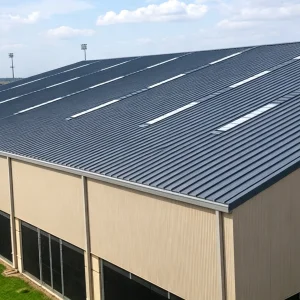
Logistics centers in Ontario, Fontana, and Riverside experience dry heat and high thermal load. Reflective aluminum-composite skin sandwich panels reflect solar energy, while non-combustible rock wool cores provide excellent fire safety near wildfire risk zones.
Historic building retrofits in Downtown Los Angeles (DTLA) require high-performance, lightweight insulation. SEPS insulation boards are ideal for low-load roof structures, adding minimal weight while meeting strict Title 24 energy standards.
Select the optimal core material based on thermal performance, structural requirements, and fire ratings.
| Insulation Core Type | R-Value per Inch (Typical) | Fire Classification (ASTM E84) | Moisture Absorption | Best Use Case in Los Angeles |
|---|---|---|---|---|
| PIR (Polyisocyanurate) | R-6.0 to R-6.8 | Class A / Class B | Very Low (<1%) | Cold Storage Facilities, Port Logistics Centers |
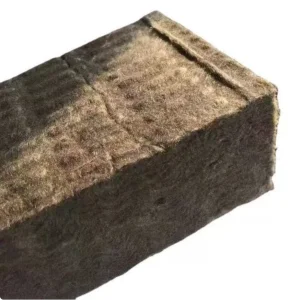
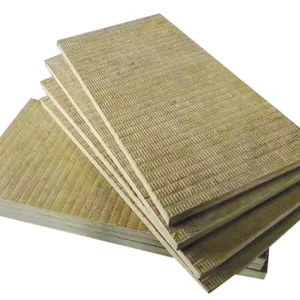
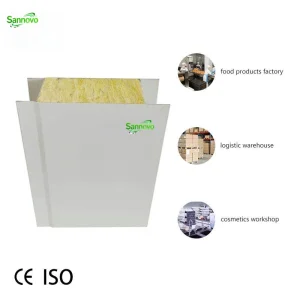
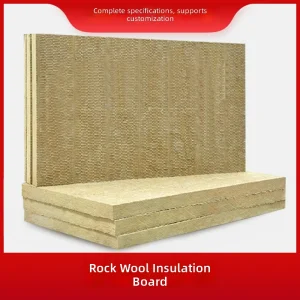
| Rock Wool (Mineral Fiber) | R-3.8 to R-4.2 | Class A (Non-combustible) | Low (Hydrophobic treated) | Industrial Manufacturing, Wildfire-prone Areas (WUI) |
| SEPS (Graphite Polystyrene) | R-4.7 to R-5.0 | Class A | Low (<2%) | Low-Weight Roof Retrofits, Architectural Overbuilds |
| Fiberglass Wool | R-3.5 to R-4.0 | Class A (Non-combustible) | Moderate (Requires barrier) | Economy Warehouses, Sound Insulation Applications |
Global Manufacturer of Prefabricated Building Panels & Insulation Envelope Systems
Ningbo Jonas Build Co., Ltd. is a professional China industrial construction panel manufacturer specializing in insulated building panel solutions for global industrial and commercial construction projects. With extensive industry experience and advanced manufacturing capabilities, the company is committed to delivering high-quality, energy-efficient, and customized panel systems that meet the diverse requirements of customers worldwide.
The company provides a comprehensive range of products, including insulated sandwich panels, industrial wall panels, roofing panels, cold room panels, cleanroom panels, fire-rated panels, and customized building envelope solutions. Designed for superior thermal performance, structural reliability, and rapid installation, these products are widely used in industrial plants, warehouses, logistics centers, cold storage facilities, commercial buildings, modular construction projects, and infrastructure developments.
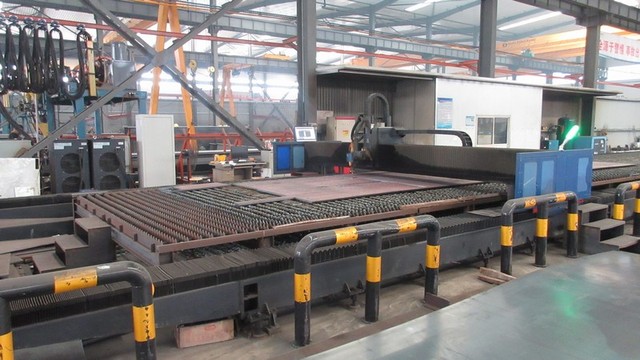
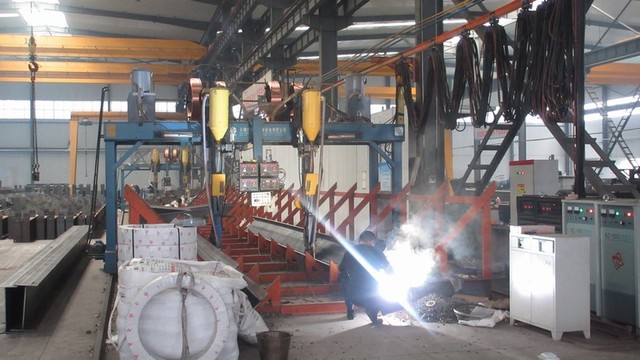
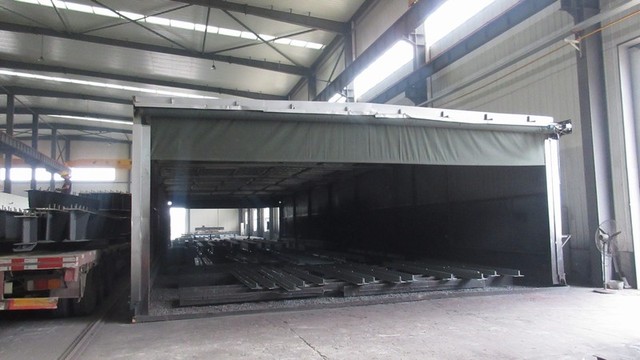
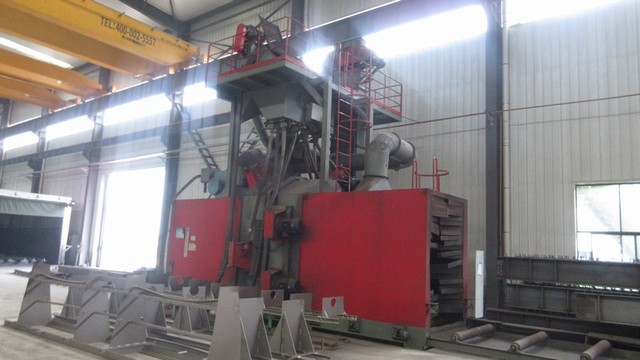
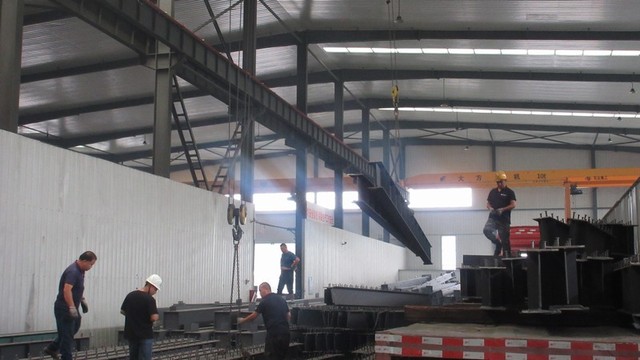
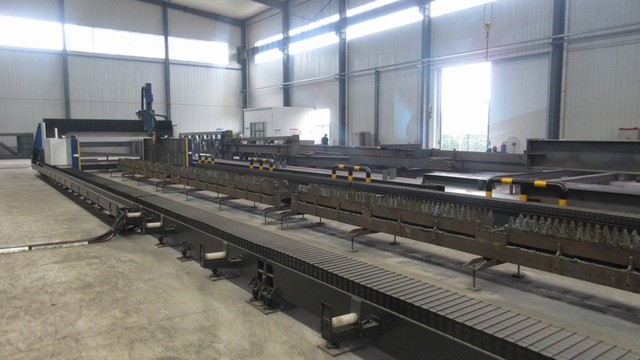
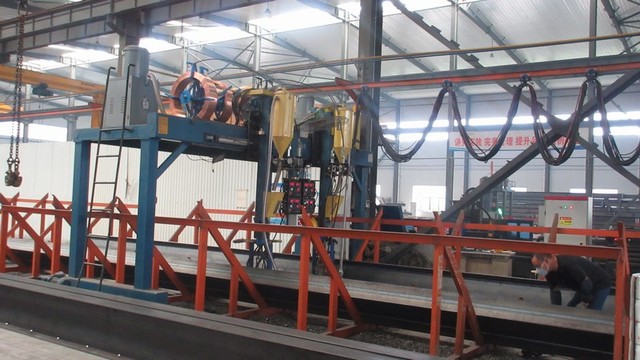
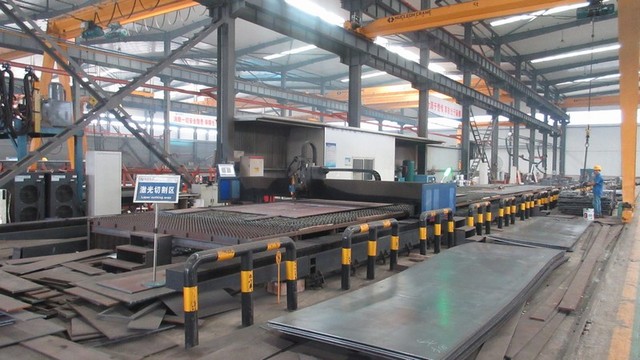
Ningbo Jonas Build Co., Ltd. operates modern production facilities equipped with advanced automated manufacturing lines, precision processing equipment, and strict quality inspection systems. Supported by a skilled team of engineers and technical specialists, the company offers one-stop services covering project consultation, product design, manufacturing, quality assurance, packaging, and international logistics coordination.
Innovation, quality, and sustainability are the core values driving the company's development. By utilizing advanced production technologies and premium raw materials, Jonas Build continuously enhances product performance in thermal insulation, fire resistance, weather protection, and energy efficiency. The company's panel systems help customers reduce construction time, lower operating costs, and improve overall building performance.
Committed to excellence and customer satisfaction, Ningbo Jonas Build Co., Ltd. has established long-term business relationships with clients across Asia, Europe, the Middle East, Africa, and the Americas. The company remains dedicated to providing reliable insulated building panel solutions that support sustainable construction and create long-term value for customers worldwide.
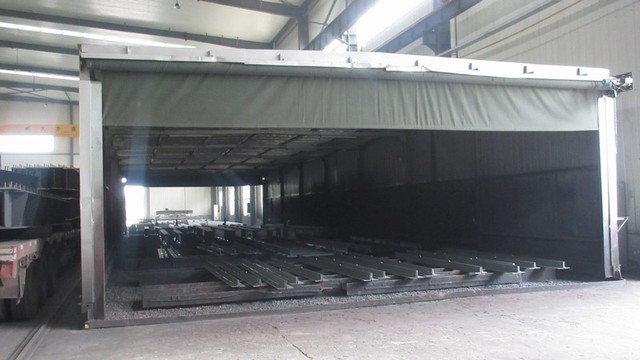
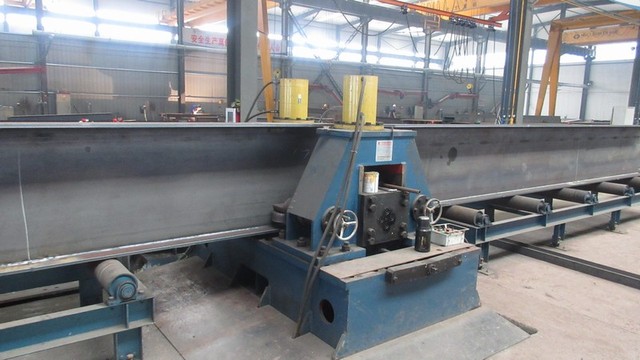
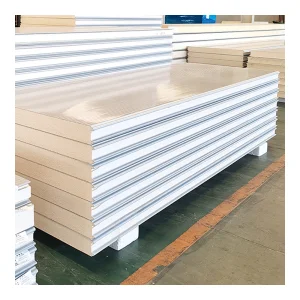
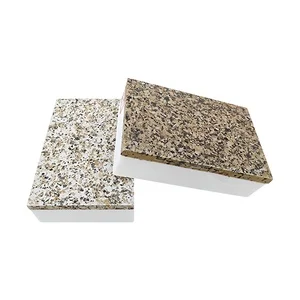
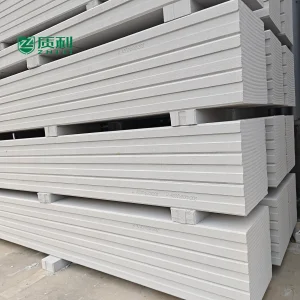
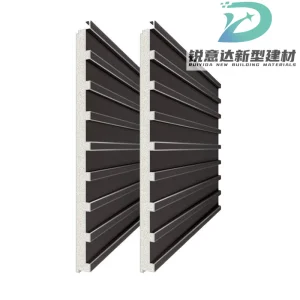
Explore our full line of insulated panel systems, designed for industrial roof, wall, and cold storage applications.
Answers to key engineering, regulatory, and logistics questions for Los Angeles and international procurement managers.
California Title 24 Part 6 mandates strict limits on building envelope heat transfer. Our high-density PIR (Polyisocyanurate) and Rock Wool sandwich panels offer excellent thermal resistance values. By providing continuous insulation (ci) that eliminates thermal bridging, our panels make it simple to meet or exceed regional U-factor requirements. We recommend PIR panels for cold chain facilities and dense Rock Wool panels for industrial warehouses requiring robust fire protection.
Our Rock Wool core panels are tested to ASTM E84 standards and achieve a Class A fire rating (flame spread index of 0, smoke developed index of 0 to 5). They are non-combustible and can withstand temperatures exceeding 1000°C, providing 1 to 4 hours of fire integrity. Our PIR insulation panels are formulated with fire retardants to meet Class A or Class B performance standards, ensuring compliance with local Los Angeles Building Department fire regulations.
Ningbo Jonas Build Co., Ltd. is located close to the Port of Ningbo-Zhoushan, enabling fast export routing. Direct ocean transport to the Port of Los Angeles (POLA) or Port of Long Beach (POLB) typically takes 18 to 22 days. We coordinate all container loading, export customs clearance, and protective wrapping to ensure that the panels arrive at the California construction site undamaged and ready for installation.
Yes. Our composite sandwich panels have an exceptional strength-to-weight ratio. Compared to built-up concrete or traditional asphalt roofing systems, they reduce overall dead load. This lower mass minimizes lateral seismic forces (per ASCE 7 guidelines) during earthquakes, reducing structural steel requirements and keeping project construction costs low.
We maintain an ISO 9001:2015 certified quality management system. Our manufacturing process uses automated continuous sensor monitoring to track density, adhesive distribution, and steel sheet alignment. Each production run undergoes adhesive strength, flatness, and thermal resistance verification before packaging, ensuring reliable performance in demanding commercial applications.
Contact our engineering sales team to request pricing, ASTM testing documentation, and custom panel design specifications tailored for the Los Angeles and global markets.
Send Inquiry Now Jonas Build