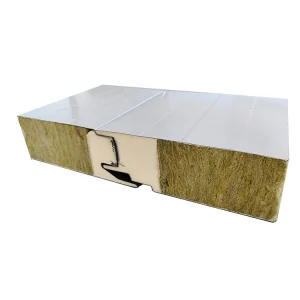
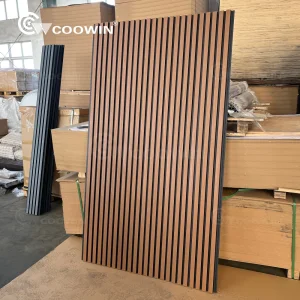
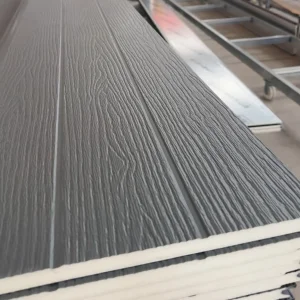
Engineered for thermal performance, architectural flexibility, and acoustic attenuation
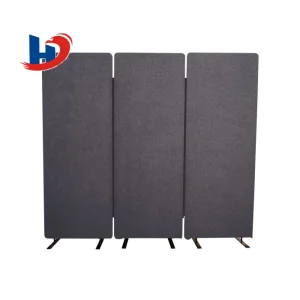
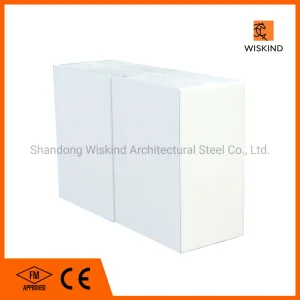
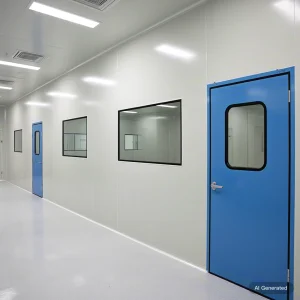
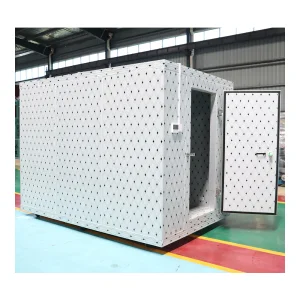
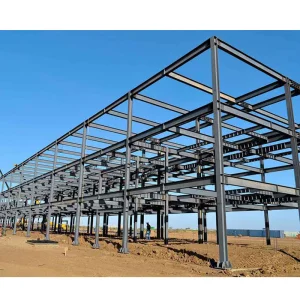
Analyzing key structural shifts, regulatory updates, and architectural mandates reshaping industrial construction
The modern building envelope is no longer just a physical barrier against the elements; it is an active mechanism in reducing carbon emissions. Under the influence of global carbon neutrality mandates (such as the EU's "Fit for 55" framework and the USA's building decarbonization goals), architectural and engineering specifications have shifted drastically toward systems with low thermal transmittance (U-value) and high durability.
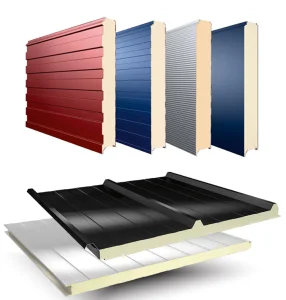
Insulated Roofing Systems (IRS) represent the pinnacle of this movement. Incorporating advanced polymeric and mineral core materials bonded between high-tensile strength steel or metal facings, insulated roofing systems minimize thermal bridging while ensuring superior load-bearing capability. This technology is vital for complex commercial spaces, massive cold storage facilities, cleanrooms, and large-scale manufacturing infrastructures.
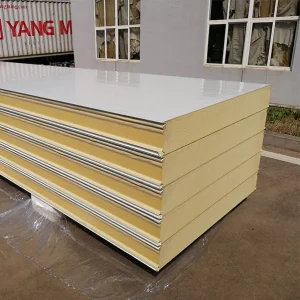
Advanced polyurethane (PU) and polyisocyanurate (PIR) cores offer exceptionally low thermal conductivity, cutting heating and cooling energy consumption by up to 40%.
Modern composite panels act as load-bearing structural elements, increasing purlin spacing limits and simplifying support steelwork requirements.
Understanding the thermomechanical properties of PIR, PUR, EPS, SEPS, and Mineral Rock Wool
Selecting the correct insulated panel core is critical for compliance with localized fire-safety codes, regional climatic conditions, and overall structural requirements. Below is an engineering comparison matrix.
| Insulation Core Type | Thermal Conductivity (W/m·K) | R-Value (per inch) | Fire Safety Classification | Structural Compression (kPa) | Key Target Application |
|---|---|---|---|---|---|
| PIR (Polyisocyanurate) | 0.020 - 0.022 | R-7.2 to R-8.0 | Class B1 / FM 4880 Approved | 120 - 150 | Logistics Warehouses, Cold Storage Roofs |
| PUR (Polyurethane) | 0.022 - 0.024 | R-6.2 to R-7.0 | Class B2 | 100 - 130 | Agricultural Warehouses, Commercial Roofs |
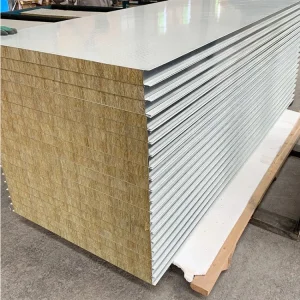
| Rock Wool (Mineral Fiber) | 0.035 - 0.040 | R-3.5 to R-4.2 | Class A1 / A2 Non-Combustible | 80 - 100 | High Fire-Risk Workshops, Power Plants |
| SEPS (Silica EPS) | 0.032 - 0.034 | R-4.5 to R-5.0 | Class B1 Fireproof | 90 - 110 | Residential Envelopes, Floor Insulation |
Critical verification benchmarks for industrial project developers and EPC procurement managers
Ensure suppliers carry international certifications such as FM Approval, CE marking (EN 14509), and ASTM standards. Local structural certification is non-negotiable for commercial and high-density occupancy buildings.
Standard panels range from 0.4mm to 0.8mm color-coated steel. For corrosive environments, specifying Fluorocarbon (PVDF) or High-Durability Polyester (HDP) coatings prevents premature oxidation and delamination.
High-quality panel suppliers rely on continuous double-belt laminators (often using European-made machinery) to achieve high dimensional stability, flat profile faces, and uniform core density distribution.
Tongue-and-groove or double-groove joint profile designs determine the mechanical wind-uplift capacity and moisture sealing capability. Seek integrated labyrinth joints with factory-applied gaskets.
Premium China Industrial Construction Panel Manufacturer and Integrated Building Envelope Specialist
Ningbo Jonas Build Co., Ltd. is a professional China industrial construction panel manufacturer specializing in insulated building panel solutions for global industrial and commercial construction projects. With extensive industry experience and advanced manufacturing capabilities, the company is committed to delivering high-quality, energy-efficient, and customized panel systems that meet the diverse requirements of customers worldwide.
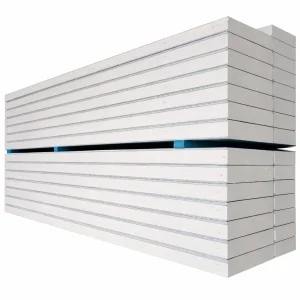
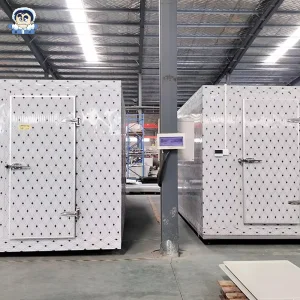
The company provides a comprehensive range of products, including insulated sandwich panels, industrial wall panels, roofing panels, cold room panels, cleanroom panels, fire-rated panels, and customized building envelope solutions. Designed for superior thermal performance, structural reliability, and rapid installation, these products are widely used in industrial plants, warehouses, logistics centers, cold storage facilities, commercial buildings, modular construction projects, and infrastructure developments.
Ningbo Jonas Build Co., Ltd. operates modern production facilities equipped with advanced automated manufacturing lines, precision processing equipment, and strict quality inspection systems. Supported by a skilled team of engineers and technical specialists, the company offers one-stop services covering project consultation, product design, manufacturing, quality assurance, packaging, and international logistics coordination.
Innovation, quality, and sustainability are the core values driving the company's development. By utilizing advanced production technologies and premium raw materials, Jonas Build continuously enhances product performance in thermal insulation, fire resistance, weather protection, and energy efficiency. The company's panel systems help customers reduce construction time, lower operating costs, and improve overall building performance.
Committed to excellence and customer satisfaction, Ningbo Jonas Build Co., Ltd. has established long-term business relationships with clients across Asia, Europe, the Middle East, Africa, and the Americas. The company remains dedicated to providing reliable insulated building panel solutions that support sustainable construction and create long-term value for customers worldwide.
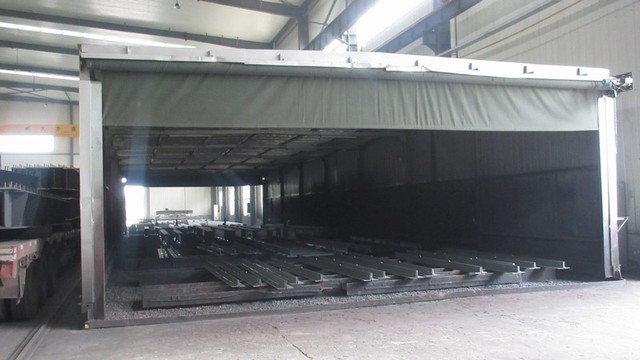
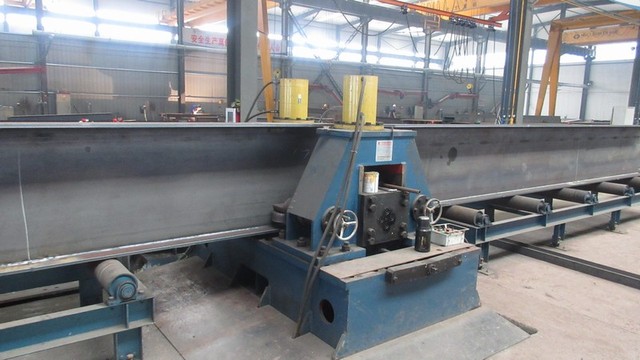
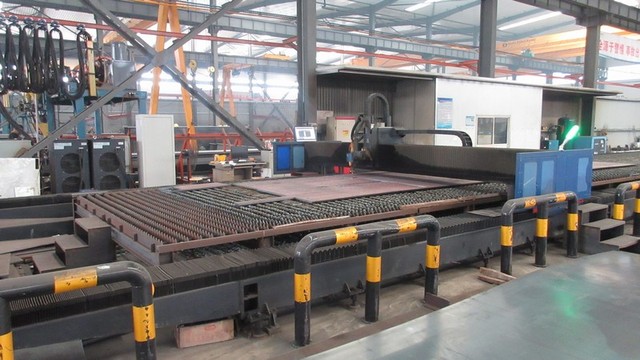
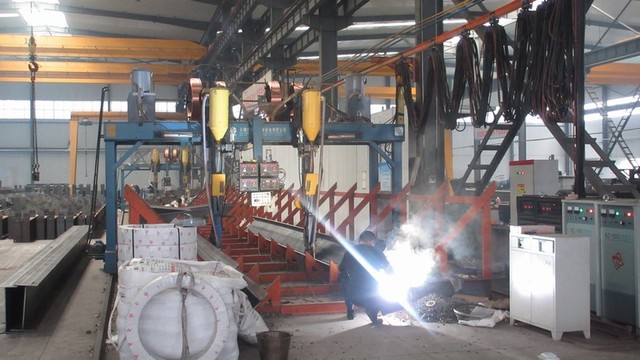
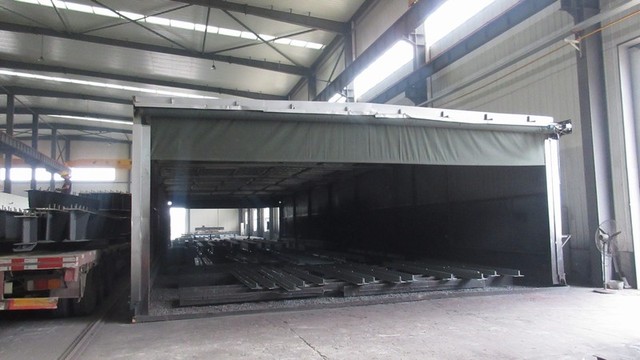
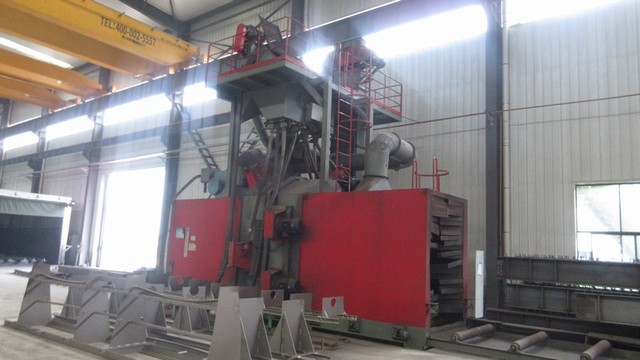
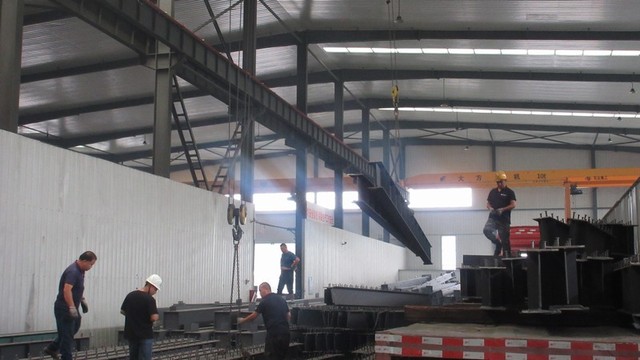
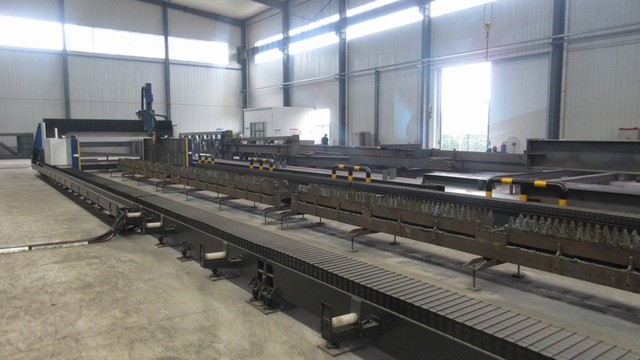
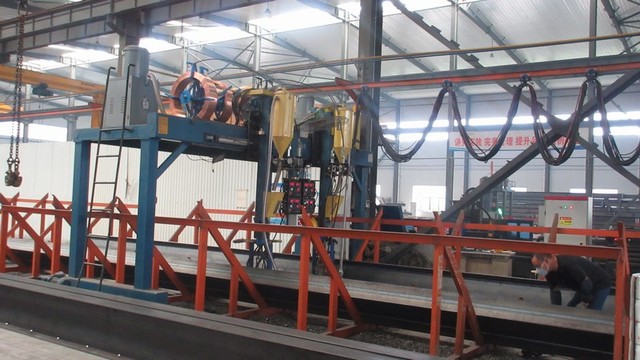
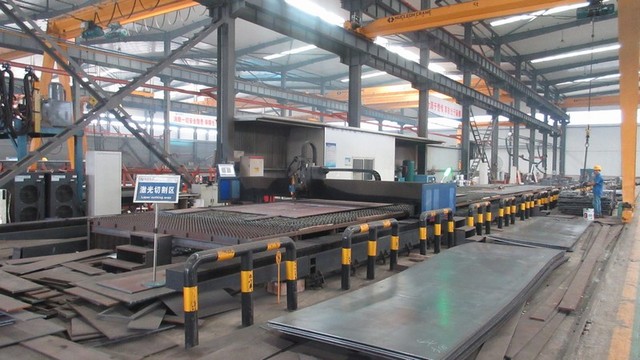
Engineering and delivering high-performance structural systems across continents
Predictive advancements shaping the insulated building enclosure market over the next decade
Replacement of petrochemical-based raw materials with plant-derived polyols, aiming to lower the embodied carbon values of PU/PIR systems by 35% without degrading R-value properties.
Direct laminating of flexible mono-crystalline solar film layers directly onto top ribbed steel sheets of insulated roofing panels, consolidating structural protection and solar production into one step.
Integrating micro-IoT sensors into insulation cores during continuous continuous lamination. These sensors map internal moisture, temperature shifts, and fire safety indexes, reporting back to building management systems.
Direct technical answers addressing performance, safety parameters, structural tolerances, and procurement query vectors
Premium solutions for industrial cold stores, cleanrooms, and fire-resistant partitions
 Jonas Build