Explore our flagship certified building envelopes, designed for advanced thermal resistance and strict Euroclass non-combustibility.
In structural design and high-risk construction sectors, specifying non-combustible panels is no longer just a regulatory box to check—it is a critical pillar of risk management. Globally, building envelope codes have shifted from testing individual material flammability to evaluating assembly-scale reactions. Following disasters like the Grenfell Tower fire in London, certification standards such as BS EN 13501-1 (Euroclass A1 and A2), ASTM E136, and NFPA 285 have become standard globally.
Modern non-combustible panels are engineered systems designed to limit heat release, restrict smoke density, and prevent flaming droplets. For procurement managers and lead architects, selecting the right partner involves assessing core material formulations, mechanical bond integrity under thermal stress, and the supplier's quality control tracking. This whitepaper analyzes these elements, detailing material properties, production systems, and regional regulatory compliance.
Non-combustible panels derive their performance from their core chemistry. The market is led by four major types, each meeting specific load, weight, and thermal resistance requirements:
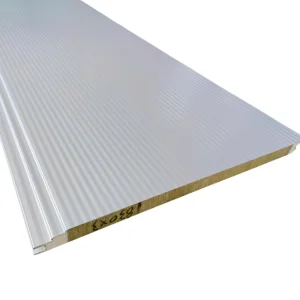
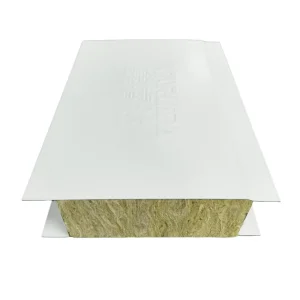
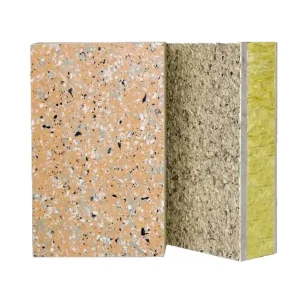
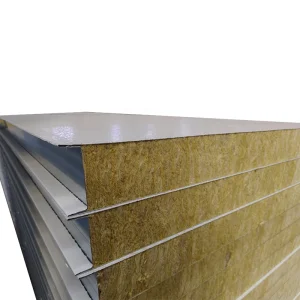
Formed by melting basaltic rock and spinning it into fine fibers, rock wool is inherently non-combustible. With a melting point over 1000°C, these cores provide excellent acoustic insulation and passive fire protection. They are the standard for heavy industrial facilities and petrochemical warehouses.
Unlike standard LDPE composite panels, A2 ACM features a core comprised of 90%+ non-combustible mineral compounds (such as Magnesium Hydroxide or Aluminum Trihydrate). When exposed to heat, this core releases bound water vapor, cooling the substrate and slowing flame spread.
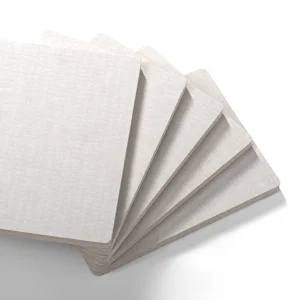
Using an eco-friendly mineral cement matrix, MGo panels combine structural strength with high fire resistance. They are resistant to mold, rot, and moisture, making them ideal for high-humidity areas, cleanroom systems, and coastal industrial plants.
The Innovation Curve: The industry is shifting toward hybrid panels that pair mineral cores with aerogel-infused layers. This configuration achieves lower thermal conductivity (k-value below 0.015 W/mK) while remaining thin and lightweight. Research is also focused on bio-based, carbon-negative mineral binders designed to lower the carbon footprint of structural panel manufacturing.
Ningbo Jonas Build Co., Ltd. is a leading industrial construction panel manufacturer specializing in insulated building panel systems for global industrial and commercial projects. Their solutions are designed to deliver reliable thermal performance, structural strength, and quick installation. The company's products are widely used in industrial plants, warehouses, logistics centers, cold storage units, cleanrooms, and modular developments.
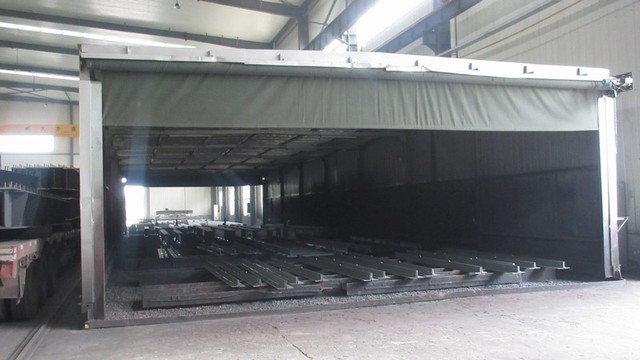
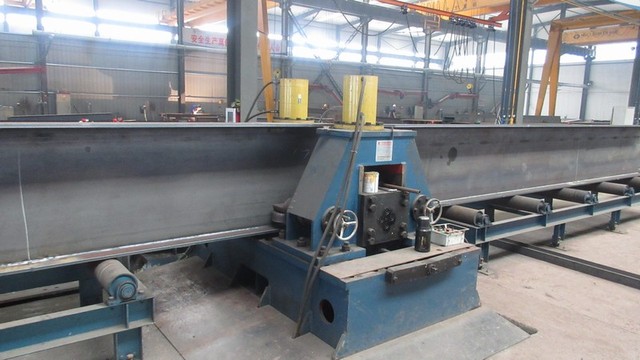
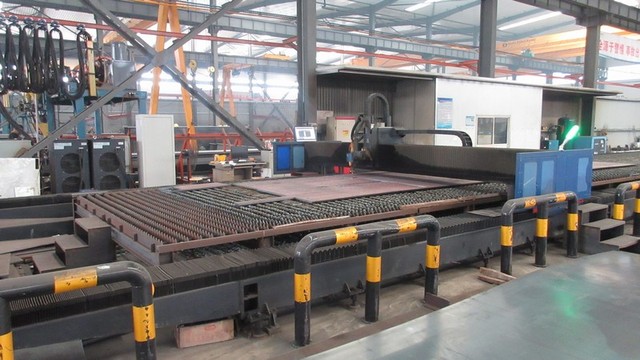
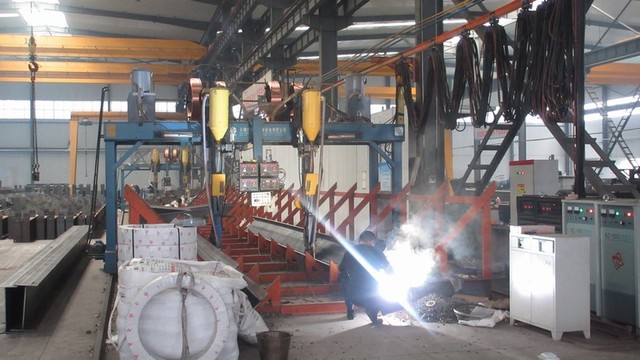
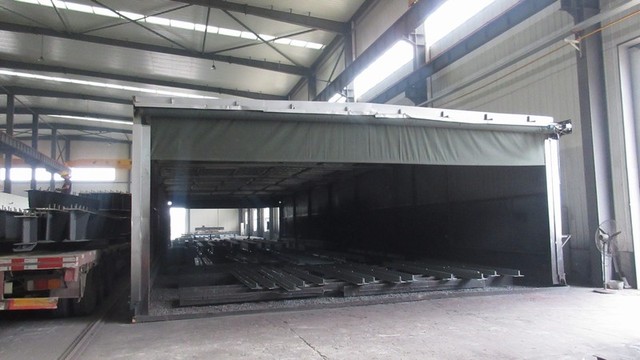
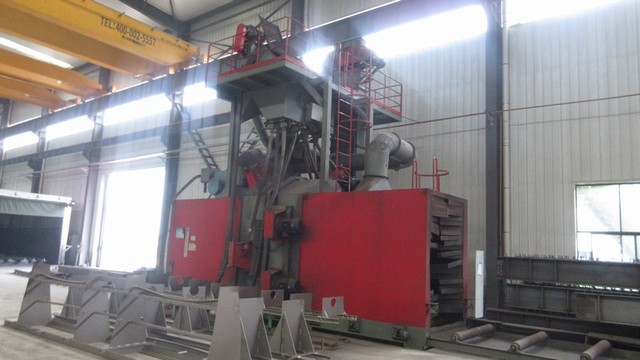
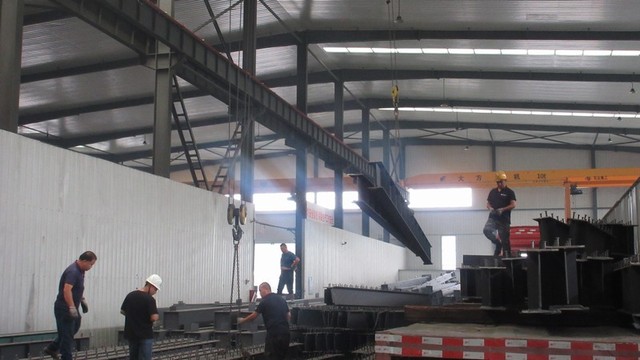
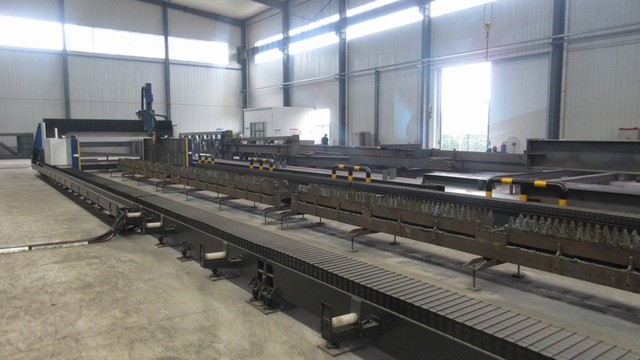
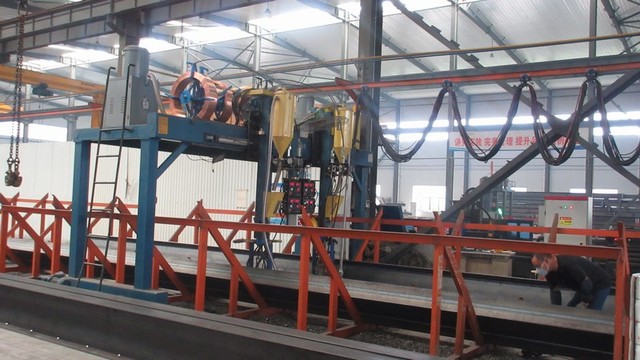
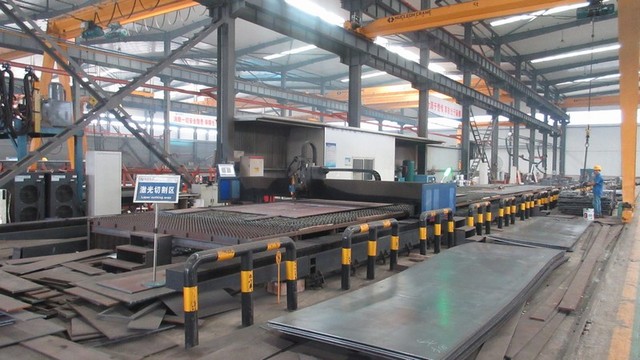
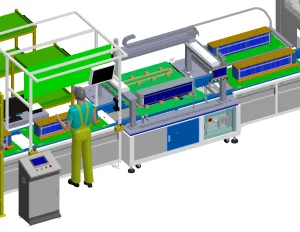
Jonas Build operates modern production facilities featuring automated manufacturing lines, precision processing machinery, and strict quality control protocols. Backed by a team of experienced engineers, the company provides end-to-end support—from initial consulting and custom design to manufacturing, quality assurance, packaging, and international shipping.
Focusing on quality and sustainability, Jonas Build uses premium raw materials and production techniques to improve the fire rating, weather resistance, and thermal efficiency of its panels. These systems help developers reduce build times, lower operational energy costs, and maintain safety standards. Today, Jonas Build serves a global client base across Asia, Europe, the Middle East, Africa, and the Americas.
Non-combustible panel systems are key components in high-performance building envelopes. Their structural characteristics serve critical roles across several demanding sectors:
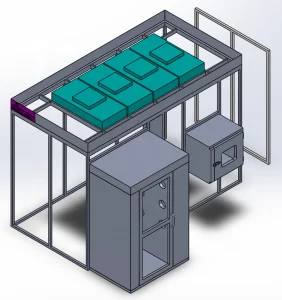
Cleanroom walls require airtightness, low chemical emissions, and reliable fire protection. Using high-density mineral wool panels with dust-proof coatings ensures compliance with GMP and ISO 14644 standards, providing both particle containment and passive fire protection.
Maintaining consistent low temperatures requires highly insulating cores. Fire-rated sandwich panels prevent thermal bridging while ensuring the facility meets fire safety requirements, minimizing the risk of rapid fire spread through insulating cores.
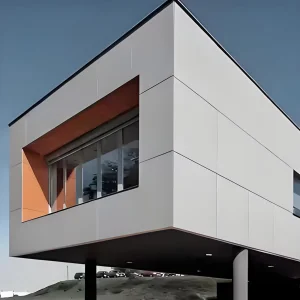
Modern urban buildings rely on lightweight, durable external cladding. A2-grade aluminum composite panels combine architectural design flexibility with strict adherence to NFPA 285 fire codes, protecting high-rise exteriors from vertical fire spread.
A primary challenge for procurement managers is ensuring imported non-combustible panels comply with local building regulations. Standards vary significantly by region:
Ningbo Jonas Build Co., Ltd. addresses these regional differences by working with third-party verification agencies like SGS, TÜV, and Intertek. Their products undergo testing to verify compliance with various regional building codes.
Explore our full line of insulated envelopes, structural boards, and specialized cleanroom systems.
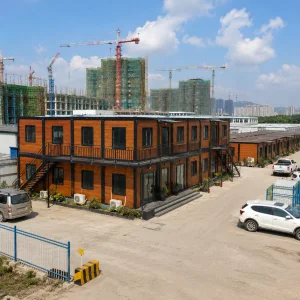
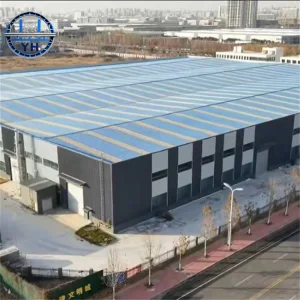
Technical insights into selecting, certifying, and importing high-performance insulated building panels.
 Jonas Build