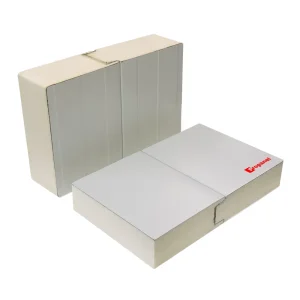
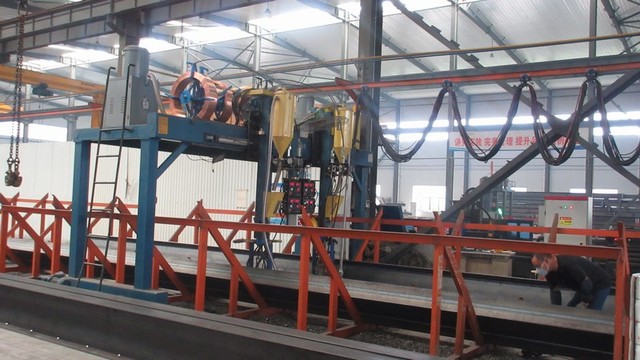
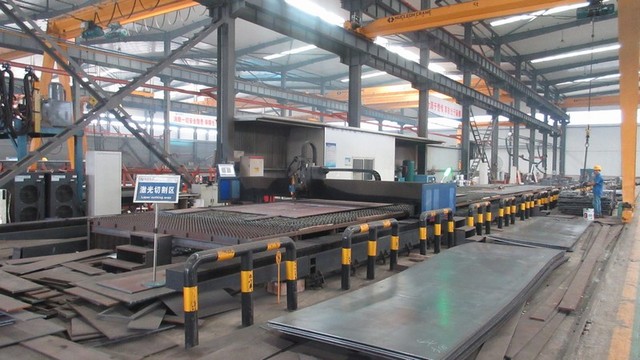
Ningbo Jonas Build Co., Ltd. stands as a premier China industrial construction panel manufacturer, specializing in state-of-the-art insulated building panel solutions engineered for global industrial and commercial projects. Leveraging decades of deep architectural engineering and materials formulation experience, our production infrastructure is fully optimized to output structural components that dramatically scale down installation cycles while boosting structural thermal efficiency.
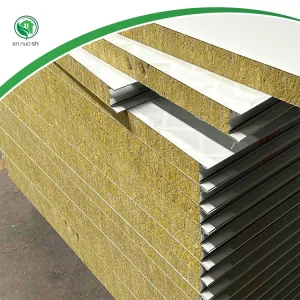
Our operations focus on architectural structural design integrity, strict chemical validation of raw polymer/mineral materials, and modern international supply chain dynamics. We specialize in producing comprehensive systems ranging from highly structural polyurethane (PUR/PIR) insulated panel systems to high-integrity acoustic basalt rock mineral wool assemblies.
Designed for superior thermal performance, wind-load capacity, and rapid modular construction, Jonas Build systems ensure reduced structural loading, mitigated thermal bridging, and compliance with the most stringent global green building indices.
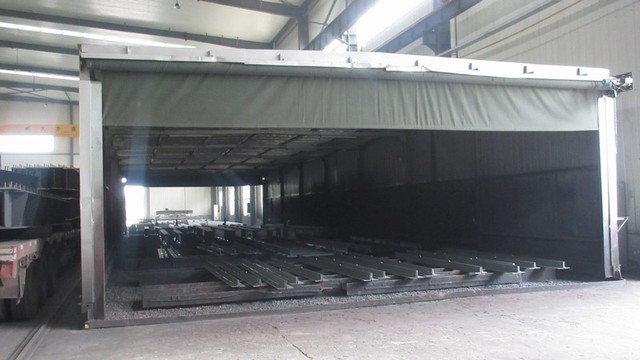
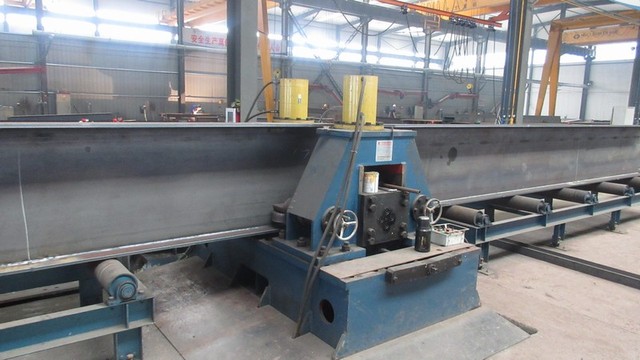
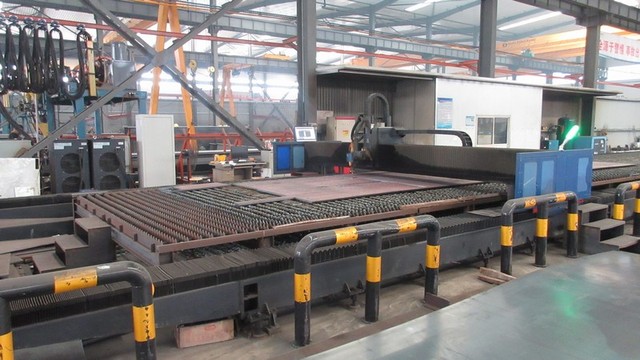
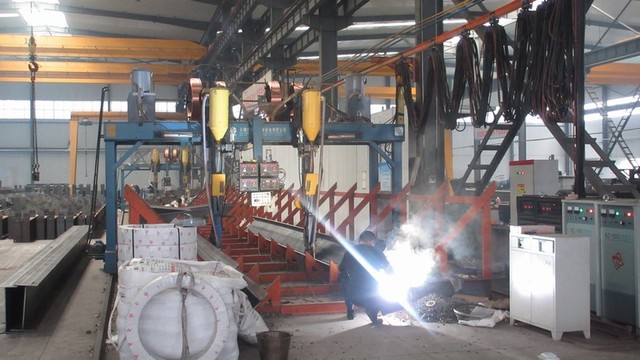
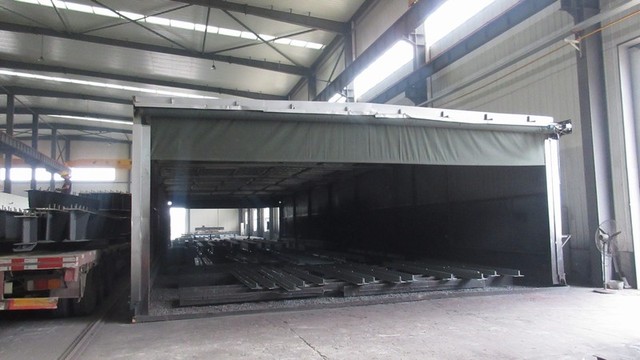
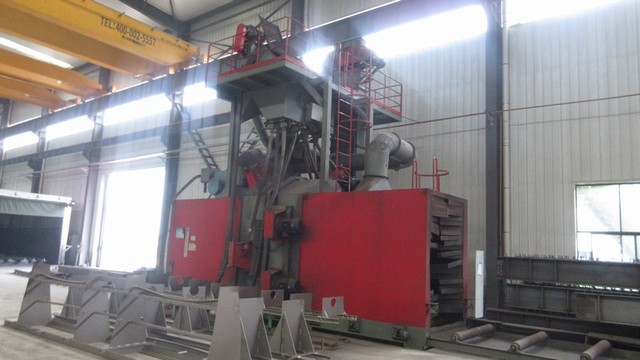
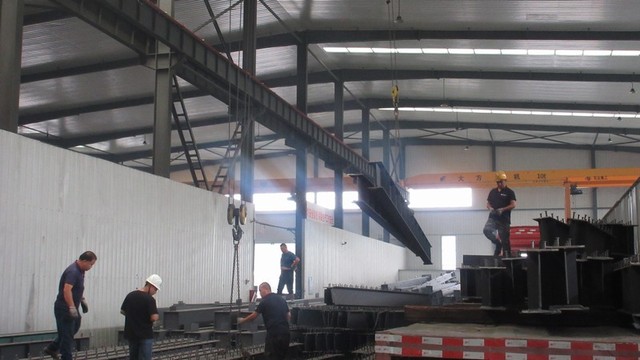
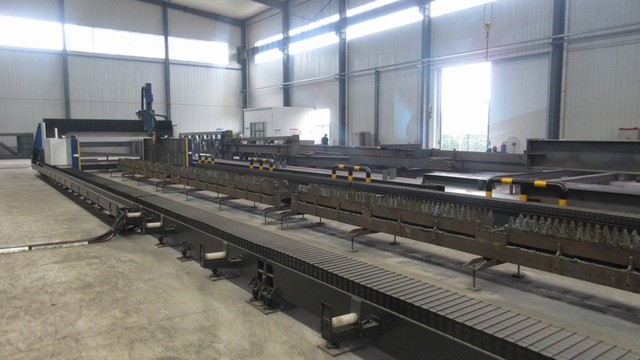
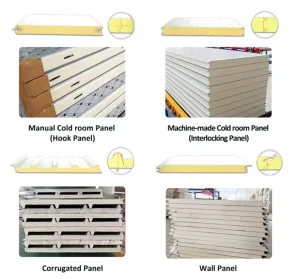
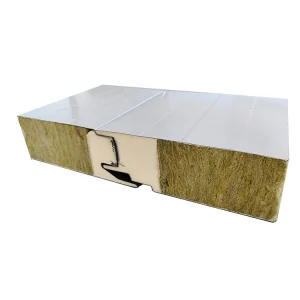
Engineered interlocking joints (cam-lock, double-tongue, and groove) allow large envelope areas to be sealed within hours, minimizing site labor and equipment costs.
With core structures optimized to eliminate heat transfer at structural joints, these panels maintain constant temperatures for high-demand cold chains and data facilities.
Non-combustible stone wool options provide exceptional fire barriers for heavy industrial sites, chemical processing installations, and high-occupancy commercial complexes.
The global construction market is experiencing a profound transition away from wet-construction methodologies and field-assembled, multi-layered envelope structures. The driver is clear: high field-labor rates, volatile on-site weather risks, and the urgent demand for structural envelopes that perform immediately upon assembly. Rapid-deploy insulation panels represent the peak of this design trajectory. By consolidating weather barriers, structural framing loads, rigid vapor retarders, and thermal insulation into a single, off-site manufactured modular unit, project engineers reduce site execution risks by up to 60%.
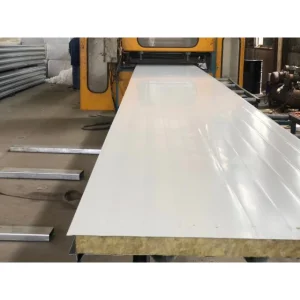
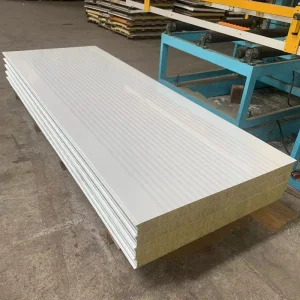
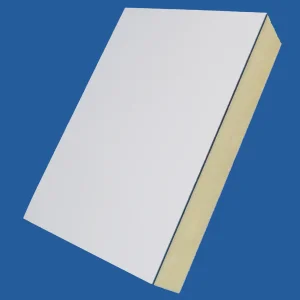
From an engineering perspective, these panels behave as structural composite sandwich structures. High-tensile steel sheet facings act as tension and compression flanges, while the inner polymer or mineral fiber core serves as the shear web. This configuration yields a structural element with a remarkably high stiffness-to-weight ratio, allowing for longer clear spans, reduced structural framing weights, and optimized interior volumes.
The selecting of the core chemistry dictates the mechanical and thermal limits of the rapid-deploy building envelope. The following dataset compares the core materials processed within our advanced China facilities:
| Core Chem / Formulation | Avg. Density Range (kg/m³) | Thermal Conductivity (W/m·K) | EN 13501-1 Fire Class | Best Architectural Application |
|---|---|---|---|---|
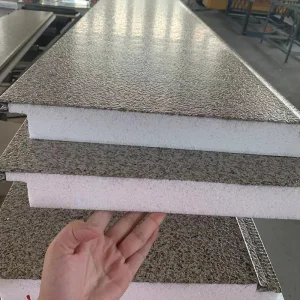
| PIR (Polyisocyanurate) | 40 - 42 | 0.019 - 0.022 | B-s1, d0 (Flame Retardant) | High-Performance Cold Storage, Food Processing |
| PUR (Polyurethane) | 38 - 40 | 0.022 - 0.024 | B-s2, d0 / B3 | Commercial Warehouses, Industrial Sheeting |
| Mineral Rock Wool (Basalt) | 100 - 120 | 0.038 - 0.044 | A1 (Non-Combustible) | High Fire Risk Zones, Power Plants, Cleanrooms |
| EPS (Expanded Polystyrene) | 15 - 20 | 0.033 - 0.038 | B2 / E | Temporary Housing, Light Aggressive Budget Cladding |
The primary point of structural thermal loss in a rapid-deployment environment lies not in the center of the panels, but at their interfaces. Jonas Build utilizes automated profiling machines to form specialized structural joint variations. Our tongue-and-groove profile features integrated capillary grooves that disrupt liquid water movement across the joint. For low-temperature environments, our double-tongue joints allow for the insertion of dual specialized neoprene seals or structural site-applied polyurethane sealant, creating a continuous vapor barrier that prevents condensation and ice buildup inside the core.
For modular structures, medical cleanrooms, and relocatable industrial offices, our integrated cam-lock joints feature high-tensile eccentric steel fasteners built directly into the core matrix. Using a simple hex-key wrench, local construction crews can tension adjacent panels together with over 200kg of pull force per connection. This ensures structural compression at the vapor seals and allows panels to be disassembled and re-deployed without damaging the core or the galvanized metal skin.
To successfully import and integrate China manufactured panel assets into global commercial construction, local structural certifications must be satisfied. Ningbo Jonas Build Co., Ltd. continuously evaluates our manufacturing metrics against recognized global standards. Our structural panel series conform to the following compliance pathways:
Our rapid-deploy insulation systems are engineered to target four primary sectors demanding quick construction times combined with thermal integrity:
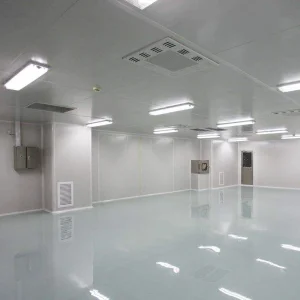
Featuring corrosion-resistant, perfectly flush panel joint options, our laboratory workshop modular wall systems integrate with HVAC filtration parameters to meet ISO Class 1 to Class 9 cleanliness ratings. The smooth finish allows for wash-downs with aggressive decontamination chemicals without structural oxidation.
By Utilizing thick, low-conductivity PIR insulation cores (up to 200mm) combined with air-tight joints, we provide food processing complexes and pharmaceutical warehouses with cold storage solutions that maintain stable temperatures, reducing refrigeration energy consumption by up to 35%.
Designed for large industrial envelopes exposed to high wind-loads, our structural exterior wall and roof panels utilize high-tensile steel skins. This allows for long span configurations between building purlins, minimizing secondary steel framing costs while keeping the structure safe from weather hazards.
Ideal for rapid-assembly accommodation units, emergency field hospitals, and mobile containers. These panels can be loaded into standard shipping containers and erected on-site with simple hand tools. Their excellent soundproof properties ensure comfortable interior spaces even in harsh conditions.
Procuring construction components from China requires strict coordination between product manufacturing tolerances, export logistics, and destination compliance verification. Jonas Build ensures zero-defect delivery through advanced material processing and specialized logistics practices:
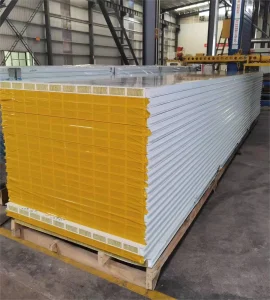
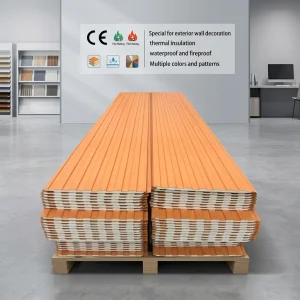
We package panels using high-density EPS spacer blocks and heavy-gauge plastic wrapping, minimizing dynamic shipping friction. Panel lengths are custom-tailored to optimize shipping container volume, reducing transport costs and protecting panel skins from edge deformation during transit.
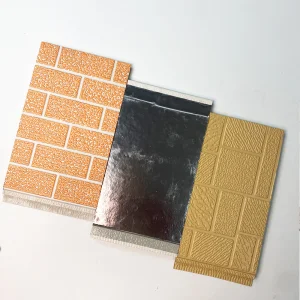
Depending on the target project environment, we customize outer metal coatings. We offer fluoropolymer coatings (PVDF) for high UV marine environments, specialized anti-static panels for cleanrooms, and food-safe coatings for interior cold rooms to meet hygiene requirements.
We provide complete engineering submittal packages, including detailed calculations for wind-load performance, core thermal values, and material test reports. Our technical team works directly with project consultants to ensure smooth local structural approval.
At Jonas Build, our R&D team works closely with leading material science universities to push the boundaries of structural insulation performance. Key areas of development include:
Developing polyurethane foam formulations that replace petro-chemical polyols with bio-based alternatives derived from agricultural by-products, significantly reducing the carbon footprint of our panels without compromising thermal performance.
Testing micro-capsule coating technology that repairs micro-cracks in outer protective layers upon contact with moisture. This prevents corrosion and extends the lifespan of panels in harsh coastal or industrial environments.
Embedding wireless temperature, moisture, and structural strain sensors within cold storage wall cores. This allows facilities to monitor panel integrity and thermal efficiency in real time, enabling predictive maintenance.
The selection depends on project priorities. If maximizing thermal resistance (lowest U-value) is paramount (such as in cold rooms or deep-freeze warehouses), PIR is preferred due to its low thermal conductivity (0.020 W/m·K). If structural fire resistance is the priority (such as in partition walls separating manufacturing zones or high-density public areas), Rock Wool is chosen because it is non-combustible (Class A1 rating) and can withstand temperatures exceeding 1000°C.
Our panels feature vapor barriers, consisting of high-density galvanized steel skins on both sides. Additionally, the interlocking joints are equipped with double-tongue and groove profiles and factory-applied airtight gaskets. This design blocks moist air from reaching the core insulation layer, avoiding internal condensation and maintaining thermal efficiency over the life of the building.
Yes. The outer steel sheets can be coated with a wide range of colors based on the RAL classic palette. We offer coatings such as Polyester (PE), Polyvinylidene Fluoride (PVDF) for UV protection, and High-Durability Polyester (HDP) to meet different climate and style requirements.
The maximum clear span depends on panel thickness, steel gauge, and local wind-load requirements. Generally, a 100mm thick PIR panel can span up to 6 meters between intermediate steel purlins under typical design wind loads of 1.0 kN/m² without exceeding deflection limits. We supply custom calculations for each project.
We pack panels in tight bundles on high-density EPS foam blocks to protect them from container movement. The bundles are wrapped in durable, waterproof plastic stretch wrap and protected with steel edge guards. This packaging ensures the panels arrive on-site clean and undamaged.
 Jonas Build