Pioneering High-Performance Building Envelopes, Advanced Thermal Insulation Systems & Low-Carbon Structural Architecture for Global Enterprise Logistics and Industrial Complexes.
Explore our foundational structural panels engineered for superior thermal efficiency, fire containment, and long-term durability across diverse commercial platforms.
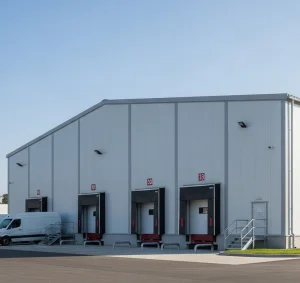
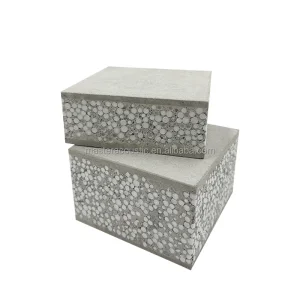
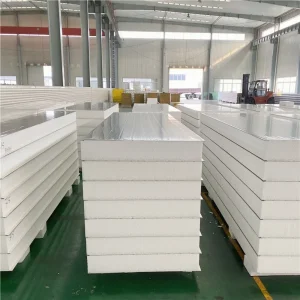
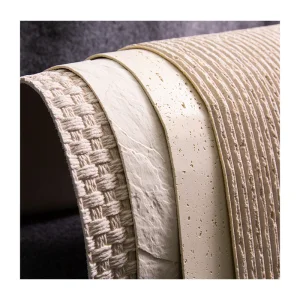
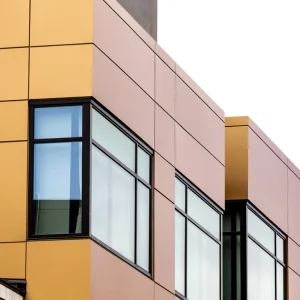
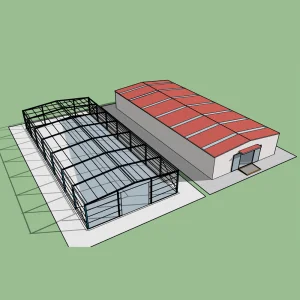
Modern architectural requirements are experiencing a paradigm shift towards decarbonization, rapid system construction, and extreme structural insulation. Glazed insulated panels and integrated building envelopes have transitioned from standard cladding elements to smart, active components that manage thermal barriers, daylight ingress, and acoustic damping.
Globally, industrial infrastructure requires building envelopes that can withstand severe meteorological stress while maintaining precise indoor climates. From high-throughput regional food logistics centers that operate at a permanent sub-zero state to micro-device manufacturing hubs that demand strict ISO-class cleanrooms, the envelope dictates energy performance. Selecting high-grade insulated panels is no longer merely an aesthetic decision; it represents a core structural investment that directly determines the lifecycle valuation of commercial properties.
"By employing advanced polymer interfaces and metallic barriers, current-generation insulated sandwich panel configurations effectively mitigate thermal bridging, maintaining structural integrity across extreme temperature gradients while decreasing operational carbon footprints."
In the European and North American regions, regulatory updates such as the European Green Deal and ASHRAE Standard 90.1 mandate lower building U-values. Structural insulated panels (SIPs) and insulated metal panels (IMPs) are critical tools for compliance. In developing logistics corridors across Latin America, Asia, and Africa, the demand is driven by the rapid growth of refrigerated supply chains. In these regions, high thermal performance is essential to prevent food spoilage and minimize energy consumption.
Optimizing mechanical properties and materials science to deliver reliable structural performance under diverse installation environments.
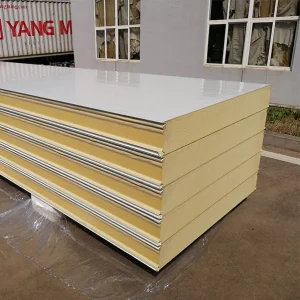
Utilizing high-density PIR (Polyisocyanurate) and PUR formulations. Delivers low thermal conductivity and stable R-values over decades of operation.
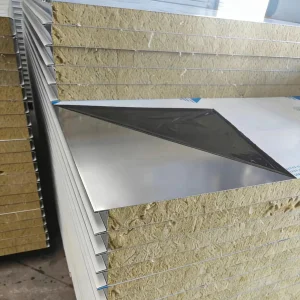
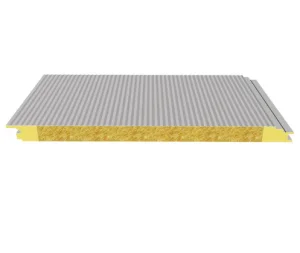
Features certified rock wool and structural fiberglass panels. Class-A non-combustible core materials meet strict laboratory and hospital safety protocols.
Combines high-tensile galvanized steel and PPGI facings. Capable of supporting long-span portal frames and cleanroom envelopes without intermediate support.
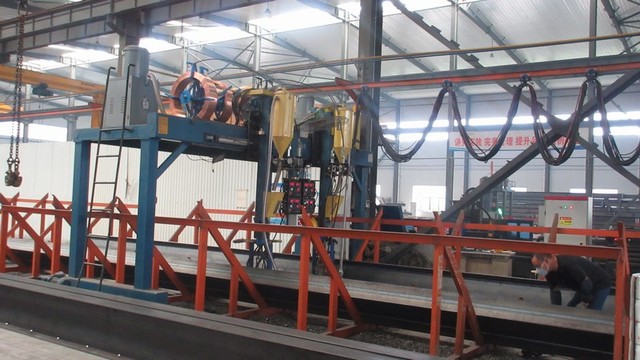
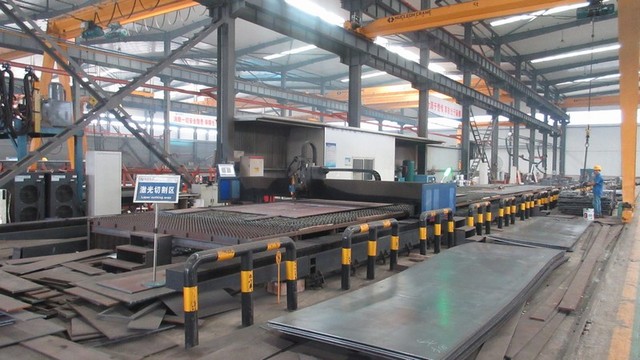
The production of thermal insulation envelopes requires advanced mechanical systems and strict raw material control. Ningbo Jonas Build Co., Ltd. stands as a key partner in this sector, operating modern production lines that offer distinct manufacturing efficiency and cost optimization for global buyers.
China's manufacturing edge is built on integrated supply chains and continuous double-belt automated production. These advanced lines produce sandwich panels with consistent density profiles, precise edge milling, and secure adhesive bonding.
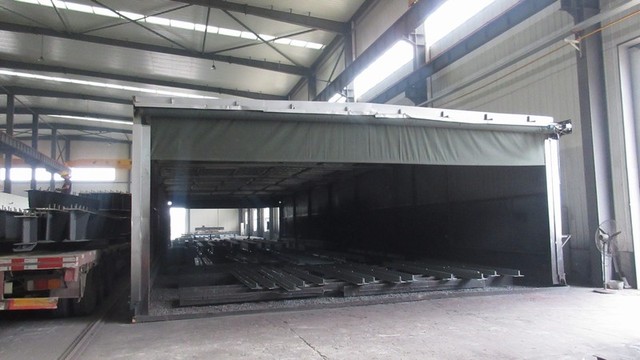
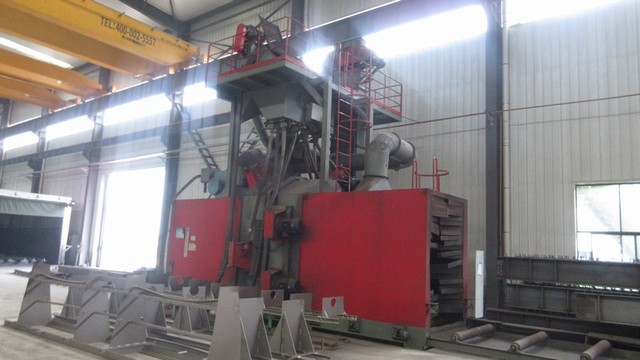
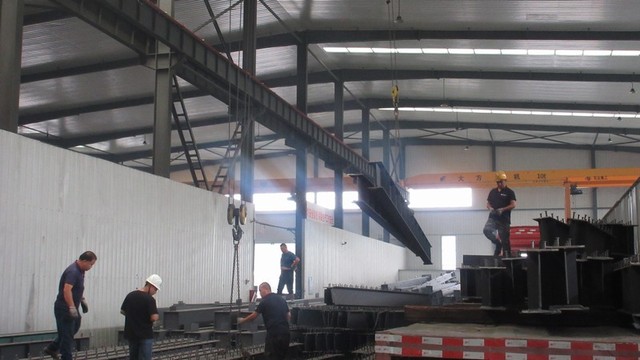
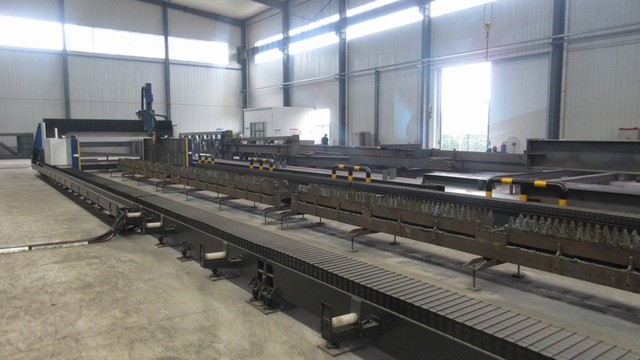
Ningbo Jonas Build Co., Ltd. operates manufacturing facilities that integrate steel coil processing, core composition profiling, and automated packaging. Our strategic location near the deepwater Port of Ningbo enables rapid loading, streamlined customs clearance, and reduced transit times. This logistics advantage supports predictable scheduling for large-scale projects worldwide.
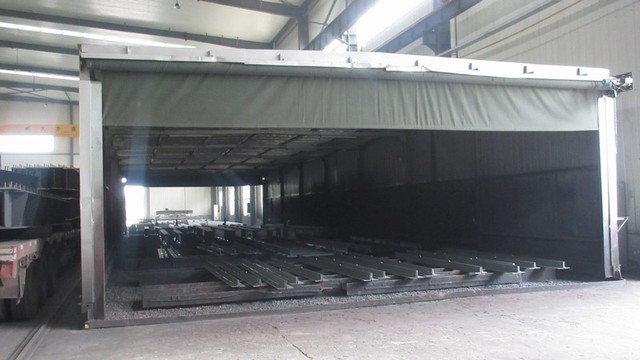
A comprehensive engineering comparison of primary insulation core materials to guide project specifications.
| Core Material Type | Density (kg/m³) | Thermal Conductivity (W/m·K) | Fire Classification (EN 13501-1) | Primary Industrial Application |
|---|---|---|---|---|
| Polyisocyanurate (PIR) | 38 - 42 | 0.020 - 0.023 | Class B-s1, d0 (FM Approved) | Vegetable logistics, sub-zero cold room units |
| Polyurethane (PUR) | 38 - 40 | 0.022 - 0.025 | Class B-s2, d0 | General food processing plants, exterior cladding |
| Mineral Rock Wool | 100 - 120 | 0.038 - 0.044 | Class A1 (Non-combustible) | High-fire-hazard factories, industrial divisions |
| Glass Fiber Wool | 60 - 80 | 0.036 - 0.040 | Class A2 | Prefabricated acoustic warehouses, modular structures |
| Expanded Polystyrene (EPS) | 15 - 25 | 0.035 - 0.041 | Class E / B2 | Acoustic partition walls, lightweight temporary structures |
Building envelopes operate under diverse environmental stresses, from high humidity to extreme thermal cycles. Insulated panel systems must be adapted to these specific localized conditions.
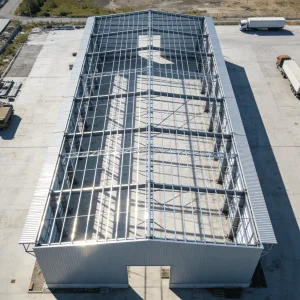
In facilities like the Vegetable Logistics Portal Frame Cold Storage Building, keeping thermal transfers near zero is critical. Using 150mm to 200mm thick PIR panels with double-tongue-and-groove joints prevented with vapour barrier tape prevents thermal bridging and ice buildup. Maintaining consistent cold storage conditions directly reduces compressor runtime and energy consumption.
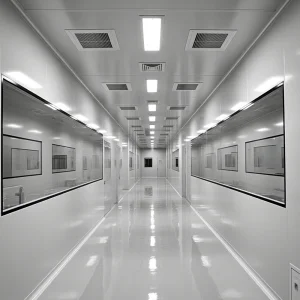
Pharmaceutical plants, healthcare wards, and semiconductor fabs require surfaces that resist micro-bacterial accumulation and chemical washing. Specialized cleanroom panels, faced with anti-static stainless steel or PVDF-coated steel, provide smooth joint systems that integrate with HEPA filtration arrays.
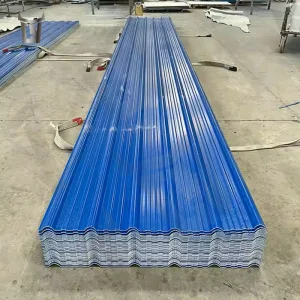
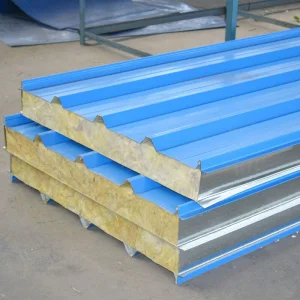
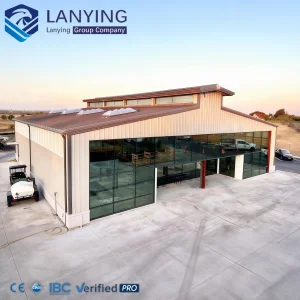
Industrial portal frames require cladding that combines structural strength with weather resistance. Heavy-duty galvanized PPGI roofing sheets and mineral wool core panels provide load-bearing capacity for wind and snow loads, while offering fire protection for industrial operations.
Ningbo Jonas Build Co., Ltd. is a professional China industrial construction panel manufacturer specializing in insulated building panel solutions for global industrial and commercial construction projects. With extensive industry experience and advanced manufacturing capabilities, the company is committed to delivering high-quality, energy-efficient, and customized panel systems that meet the diverse requirements of customers worldwide.
The company provides a comprehensive range of products, including insulated sandwich panels, industrial wall panels, roofing panels, cold room panels, cleanroom panels, fire-rated panels, and customized building envelope solutions. Designed for superior thermal performance, structural reliability, and rapid installation, these products are widely used in industrial plants, warehouses, logistics centers, cold storage facilities, commercial buildings, modular construction projects, and infrastructure developments.
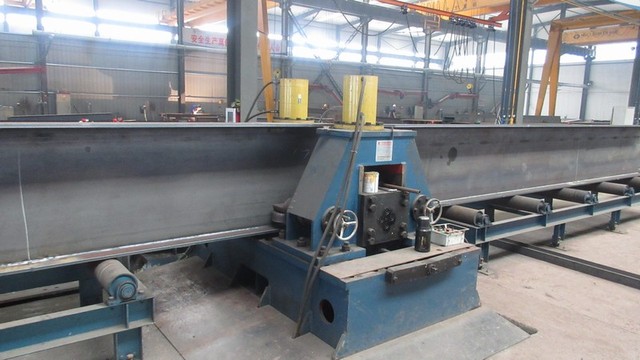
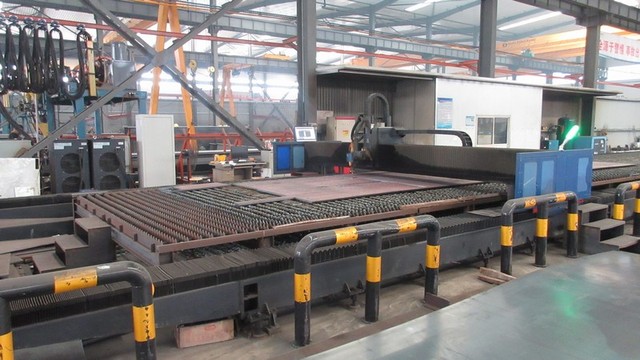
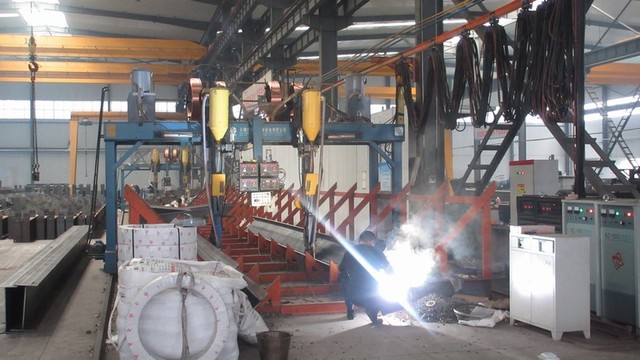
Ningbo Jonas Build Co., Ltd. operates modern production facilities equipped with advanced automated manufacturing lines, precision processing equipment, and strict quality inspection systems. Supported by a skilled team of engineers and technical specialists, the company offers one-stop services covering project consultation, product design, manufacturing, quality assurance, packaging, and international logistics coordination.
Innovation, quality, and sustainability are the core values driving the company's development. By utilizing advanced production technologies and premium raw materials, Jonas Build continuously enhances product performance in thermal insulation, fire resistance, weather protection, and energy efficiency. The company's panel systems help customers reduce construction time, lower operating costs, and improve overall building performance.
Committed to excellence and customer satisfaction, Ningbo Jonas Build Co., Ltd. has established long-term business relationships with clients across Asia, Europe, the Middle East, Africa, and the Americas. The company remains dedicated to providing reliable insulated building panel solutions that support sustainable construction and create long-term value for customers worldwide.
Procuring building envelope solutions requires careful evaluation of technical standards to manage risk on large capital projects. Key vetting criteria include:
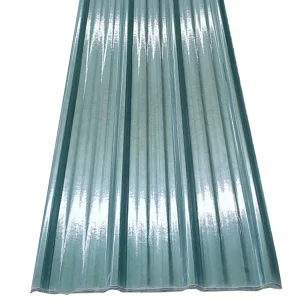
The sector is shifting toward digital supply chains and low-emission core materials. Major developments include the use of bio-based polyols to reduce the carbon footprint of polyurethane cores. Additionally, the integration of translucent FRP sheets and high-thermal aluminum composite panels helps optimize natural daylighting, lowering operational energy demands.
Expert explanations for common technical queries in architectural engineering and panel selection.
PIR (Polyisocyanurate) is produced using a higher ratio of isocyanate, creating a highly cross-linked ring structure. This chemical structure improves thermal resistance (R-values) and enhances char formation during fire exposure, leading to better flame retardancy and lower smoke density than standard PUR.
For coastal environments (C4 or C5 corrosion classes), we specify high-density zinc coatings (Z275/AZ150) paired with PVDF (Polyvinylidene Fluoride) topcoats. These coatings offer strong UV stability and chemical resistance to salt spray and humidity.
Translucent FRP (Fiberglass Reinforced Plastic) sheets allow natural light to enter industrial buildings. This reduces reliance on artificial lighting during daytime hours, helping to lower building operating costs.
We use interlocking tongue-and-groove joints with factory-applied seals. For cold storage applications, installing vapour barrier seals at joint intersections prevents air leakage and condensation.
Cleanroom systems typically use Class A non-combustible cores like rock wool or specialized fire-resistant mineral boards. These systems are tested under ASTM E119 or EN 1364 standards to verify fire-resistance durations.
With appropriate coating selection and routine maintenance, insulated metal panels are designed to last over 30 years. The insulation core maintains its thermal efficiency (R-value) throughout the service life of the building.
Explore our selection of specialized panels designed for laboratories, heavy manufacturing, and acoustic partition applications.
 Jonas Build