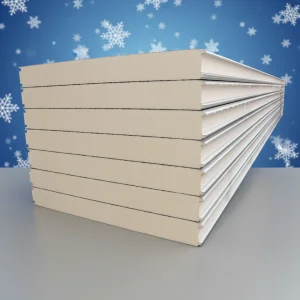
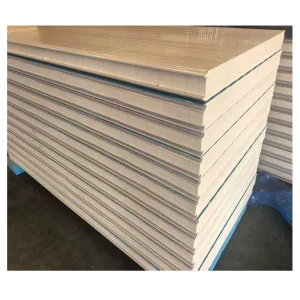
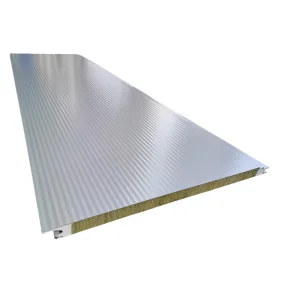
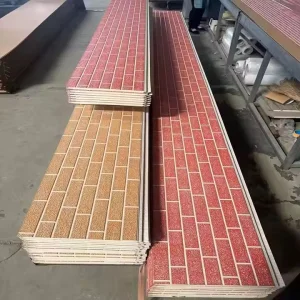
Explore our leading product range configured to meet high structural demands, offering maximum thermal performance and durability in high-salinity coastal environments.
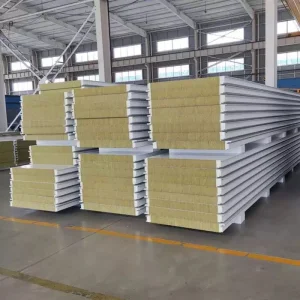
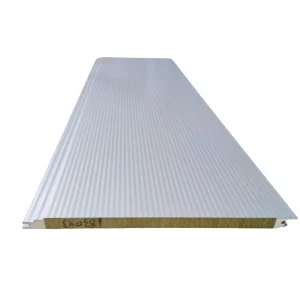
Located on the southern tip of Mahé, Seychelles, the district of Takamaka demands architectural solutions that harmonize extreme environmental performance with rapid construction logistics. The local microclimate is marked by year-round high humidity (often exceeding 80%), intense UV exposure, corrosive marine air saturated with sodium chloride, and seasonal tropical depressions. Traditional building methods, such as concrete block masonry and timber framing, face critical failure modes in this environment, including concrete spalling, carbonation, mold colonization, and rapid degradation from subterranean termites.
To support Takamaka’s growing sectors—ranging from luxury eco-resorts and private estates to agricultural cold-chain distribution hubs and local municipal facilities—contractors must transition to modern methods of construction (MMC). Structural Insulated Panels (SIPs) provide an engineered alternative that directly resolves local performance concerns. By replacing standard cavities with a solid, high-density core bonded between high-durability skin materials, SIPs create a continuous thermal barrier that significantly reduces the mechanical cooling loads required in tropical climates.
"For coastal developments in South Mahé, thermal control and corrosion prevention are the keys to long-term structural viability. Our high-density polyurethane (PU) and polyisocyanurate (PIR) cores offer an R-value rating that remains unaffected by marine dampness, preventing structural degradation and saving up to 40% on cooling energy bills."
Selecting the optimal core material is critical to managing structural integrity, acoustic performance, and thermal insulation. Depending on whether you are constructing a coastal hotel, a food preservation warehouse, or a lightweight modular residential villa, the physical characteristics of the core material determine the envelope’s performance. Below is a comparative technical matrix mapping the core technologies manufactured by Ningbo Jonas Build Co., Ltd.
| Core Type | Density Range | Thermal Conductivity (λ) | Fire Performance | Best Applied To |
|---|---|---|---|---|
| PU (Polyurethane) | 38 - 42 kg/m³ | 0.022 - 0.024 W/m·K | Class B2 / Class B1 (custom) | Cold rooms, fishery freezing facilities, tropical residential walls |
| PIR (Polyisocyanurate) | 40 - 42 kg/m³ | 0.020 - 0.022 W/m·K | Class B-s1, d0 (EN 13501-1) | Commercial centers, cleanrooms, hotels requiring strict fire codes |
| Rock Wool (Mineral Fiber) | 100 - 120 kg/m³ | 0.038 - 0.042 W/m·K | Class A (Non-combustible) | High-risk industrial processing zones, acoustic partitions |
| EPS (Expanded Polystyrene) | 15 - 20 kg/m³ | 0.035 - 0.038 W/m·K | Flame-retardant grade | Lightweight modular cabins, low-budget partition structures |
Our panels feature pre-painted galvanized steel (PPGI) or aluminum skins with specialized coatings like PVDF or High-Durability Polyester (HDP). These systems resist marine salt air and galvanic corrosion, preventing blistering and metal degradation.
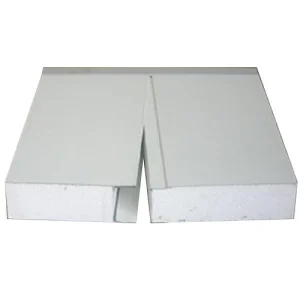
Designed to withstand extreme weather, our panels feature interlocking double tongue-and-groove joint profiles. This design prevents wind-driven rain penetration and handles high lateral wind loads from tropical depressions.
Our panels use factory-applied EPDM gaskets along the joints. This creates a tight seal that stops thermal bridging, maintains indoor relative humidity, and prevents condensation within the wall core.
Ningbo Jonas Build Co., Ltd. is a professional China industrial construction panel manufacturer specializing in insulated building panel solutions for global industrial and commercial construction projects. With extensive industry experience and advanced manufacturing capabilities, the company is committed to delivering high-quality, energy-efficient, and customized panel systems that meet the diverse requirements of customers worldwide.
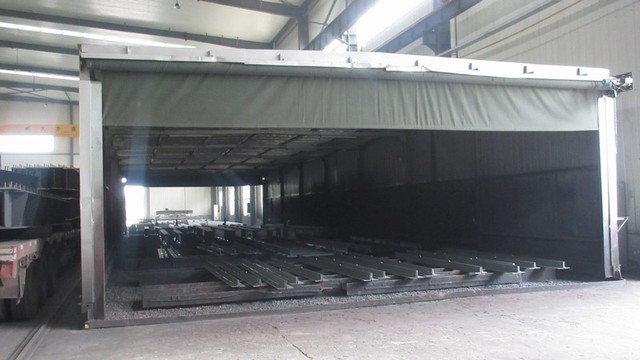
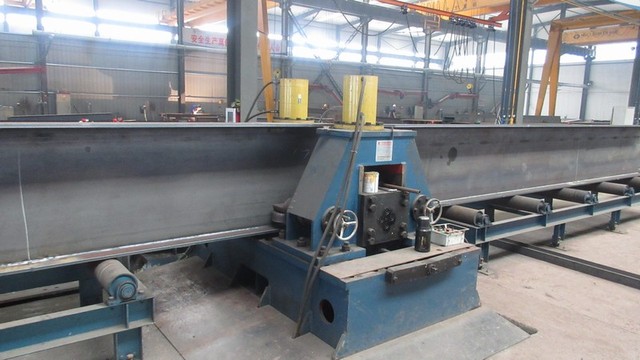
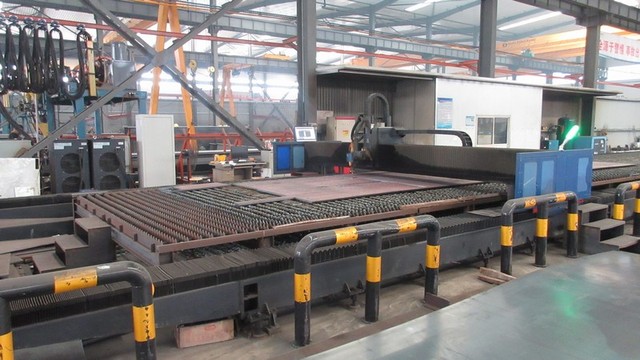
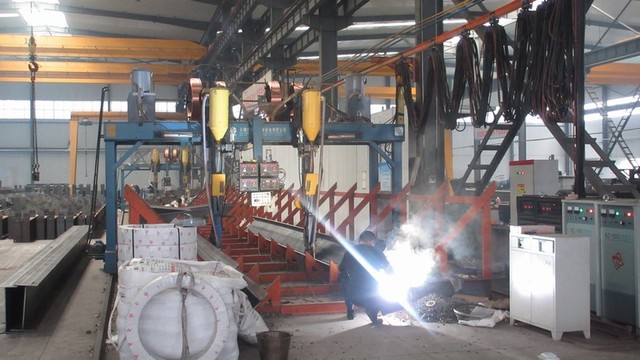
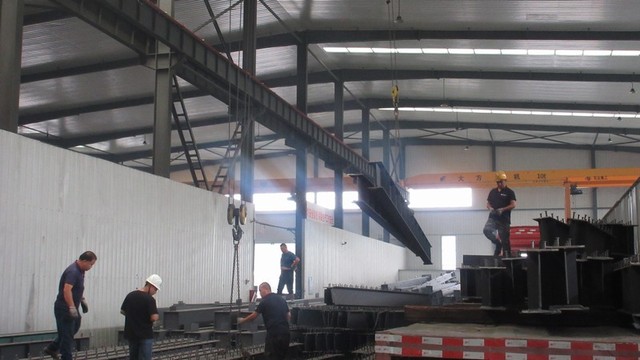
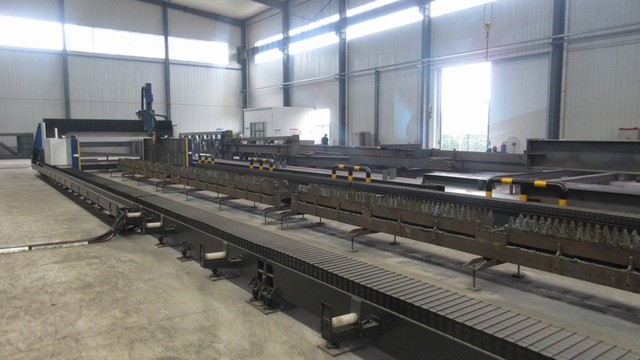
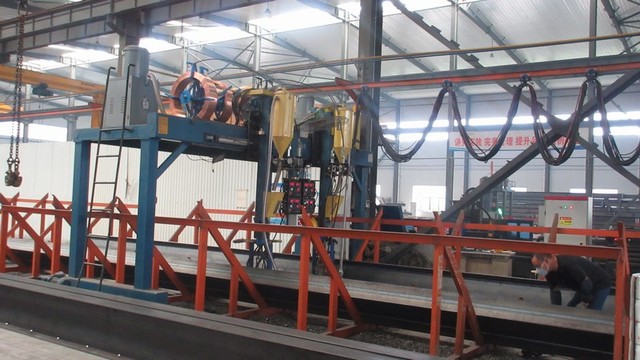
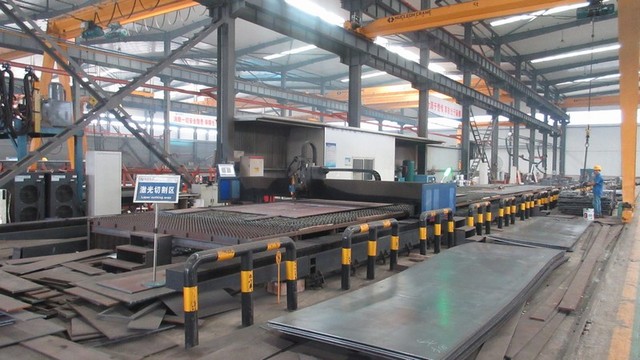
Our state-of-the-art production facility incorporates continuous double-belt lamination technology, digital monitoring, and precision cutting tools. Unlike batch-press lines, our automated continuous line ensures consistent core density, uniform foam distribution, and flat finishes. Automated processes remove the human error commonly found in hand-laminated panels, resulting in superior peel strength and dimensional stability.
Operating out of Ningbo, one of the world’s leading deep-water port cities, we provide direct logistics advantages. By sourcing premium raw materials—such as high-grade steel coils from top domestic mills and chemicals from international partners—we maintain a reliable supply chain. This balance of advanced manufacturing and port-side logistics helps us offset rising global material costs and deliver high-performance panels directly to Port Victoria in Seychelles.
Construction in Takamaka must follow the design and engineering standards regulated by the Seychelles Planning Authority (SPA). Key priorities include fire safety (British Standard BS 476 or Eurocode standards), structural wind load calculations (due to monsoonal and cyclonic threats in the Indian Ocean), and strict eco-preservation rules designed to limit heavy machinery work at building sites.
Our structural insulated panels are engineered to simplify compliance for local developers:
Our technical team can help you select panel thicknesses, structural spans, and anti-corrosion finishes to match your project specifications.
Send Inquiry NowExplore our structural panel line, featuring varying core materials and finishes designed for specialized commercial, residential, and industrial applications.
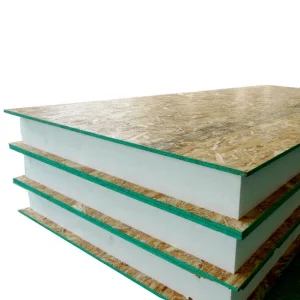
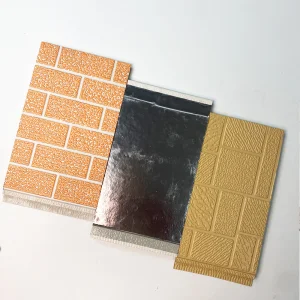
Procuring structural insulated panels for logistics centers, resorts, or industrial warehouses in Seychelles requires clear quality standards and logistical planning. Because ocean freight to Victoria Port demands long lead times, selecting a manufacturer with proven export experience is essential to keeping projects on schedule.
To ensure a smooth procurement process, we recommend focusing on three main areas:
Find answers to common questions about using structural insulated panels in the high-humidity, marine environments of Seychelles.
 Jonas Build