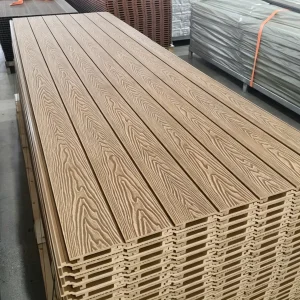
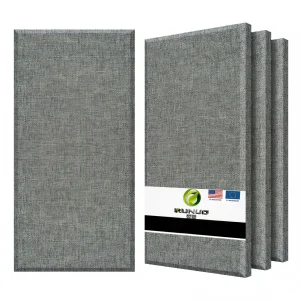
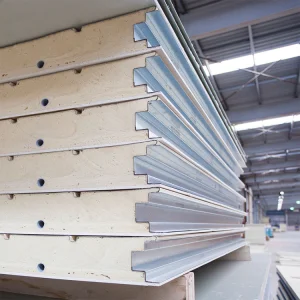
Explore our industrial-grade insulation cores, wall cladding solutions, and modular structural materials designed for energy-efficient commercial projects.
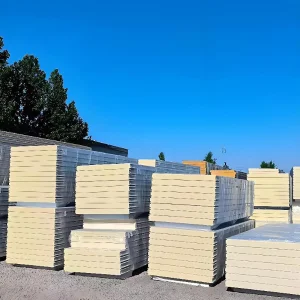
Why Tier-1 construction firms and industrial builders source their structural mineral wool insulation boards directly from Chinese automated factories.
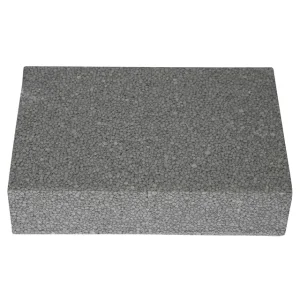
Utilizing high-temperature melting at 1450°C in electric cupola furnaces, our supply chain ensures consistent fiber diameter, structural elasticity, and minimal shot content (<6%) for ultimate thermal performance.
With an extremely high melting point exceeding 1000°C, our wholesale rock wool boards act as a barrier to heat transfer, keeping structures safe under Class A1 non-combustibility standards (EN 13501-1).
Capable of executing wholesale production ranging from lightweight density (60kg/m³) for soundproofing cavities to high-load high-density (160kg/m³+) boards optimized for concrete flat roofs and curtain walls.
Our engineered solutions meet rigorous ASTM and EN compliance standards. Compare key parameters to select the correct board type.
| Property / Specification | Facade & Cladding Board | Roofing High-Density Board | Cavity Wall / Sound Absorption |
|---|---|---|---|
| Density Range | 100 - 140 kg/m³ | 150 - 180 kg/m³ | 60 - 80 kg/m³ |
| Thermal Conductivity (λ) | ≤ 0.035 - 0.038 W/m·K | ≤ 0.038 - 0.040 W/m·K | ≤ 0.034 - 0.036 W/m·K |
| Fire Classification | Class A1 (EN 13501-1) Certified | Class A1 (EN 13501-1) Certified | Class A1 (EN 13501-1) Certified |
| Compressive Strength (10%) | ≥ 40 kPa | ≥ 60 - 80 kPa | N/A (Non-load bearing) |
| Hydrophobicity (Water Repellency) | ≥ 98% | ≥ 98% | ≥ 95% |
| Sound Absorption Coefficient (NRC) | 0.85 | 0.80 | 0.95 - 1.00 Premium |
How rock wool boards serve as the thermal and mechanical backbone for major infrastructure, HVAC systems, and architectural facades.
Ideal for commercial high-rises and retail envelopes. Provides thermal continuity, eliminates cold bridging, and yields top-tier acoustic performance between interior offices and exterior partitions.
Engineered to handle high compressive loads. These roof-grade rock wool boards support maintenance foot traffic while functioning as a critical fire mitigation system underneath solar PV arrays (BIPV).
Designed for power plants, chemical refineries, and large HVAC networks. Cylindrical rock wool pipe covers and foil-faced thermal boards insulate high-temperature pathways to maximize system efficiency.
Remaining competitive in the evolving construction landscape requires modern technologies, carbon compliance, and green building certifications.
Traditional phenol-formaldehyde binders are rapidly being replaced by bio-based plant binders. Modern factories are reducing carbon footprints during the melting phase using natural gas and electric furnaces to meet global LEED and BREEAM certifications.
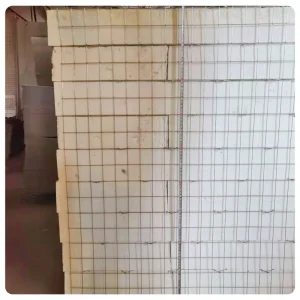
To eliminate moisture ingress and increase structural strength, factories are producing composite panels that feature a mineral wool core with polyurethane (PU/PIR) edge sealing. This ensures excellent thermal sealing alongside superior fire rating characteristics.
Smart factories deploy automated optical scanning units directly on the production line to track thickness consistency, fiber alignment, and density variations, leading to a near-zero defect rate during international shipping.
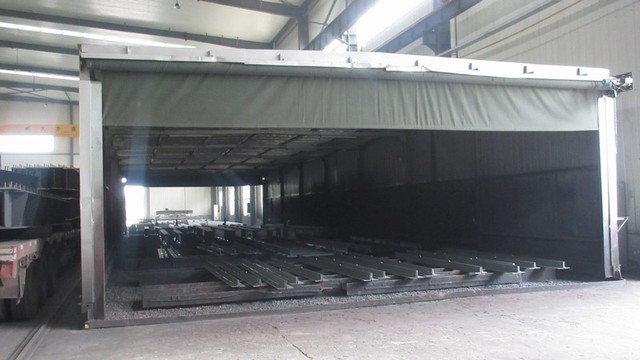
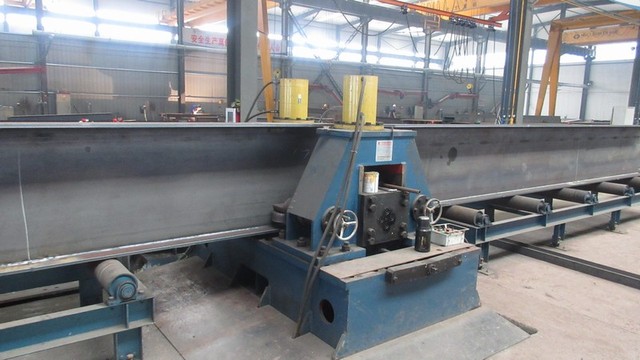
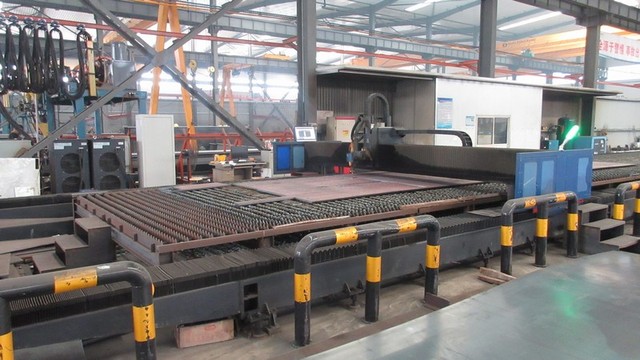
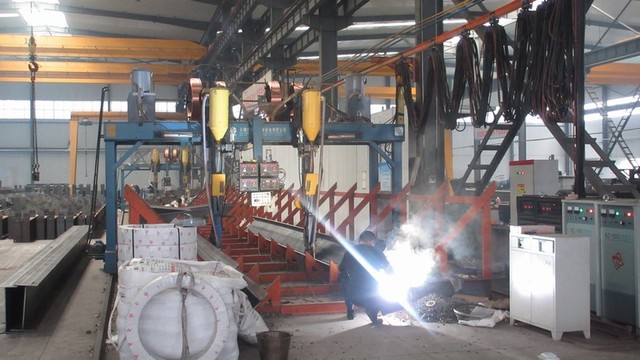
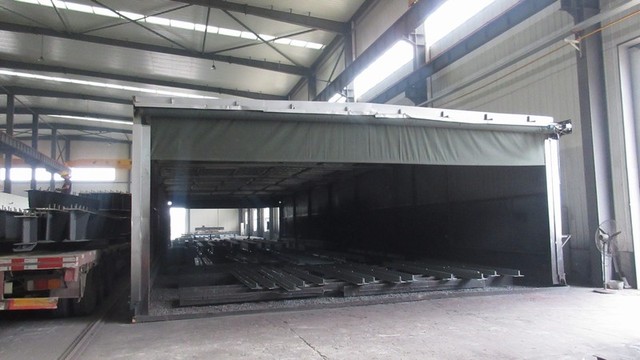
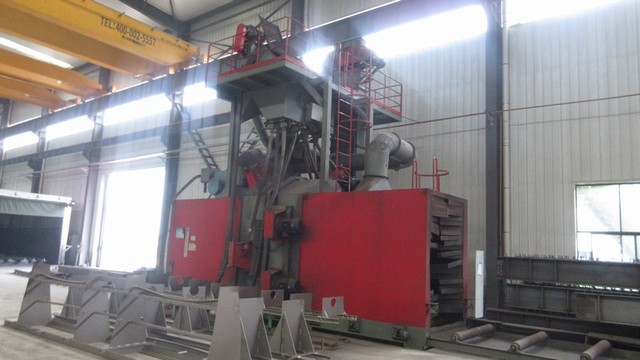
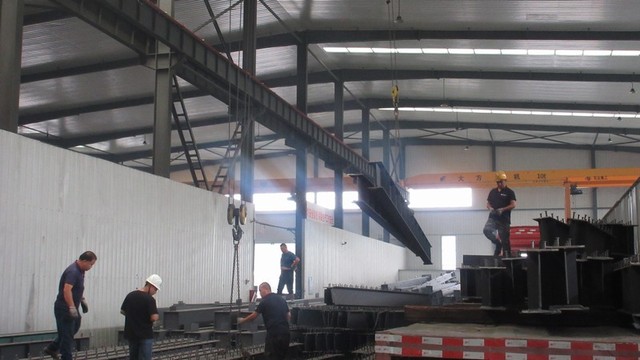
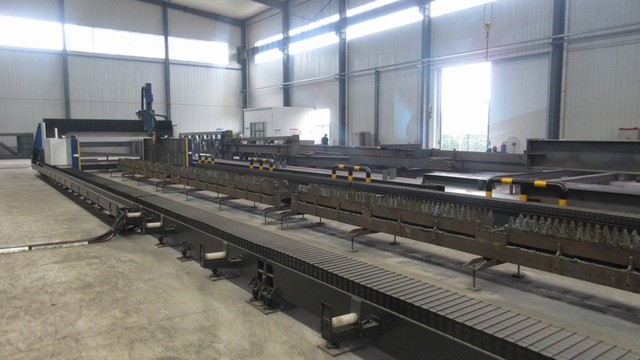
A showcase of our advanced production lines, precision processing equipment, storage yards, and global project installations.
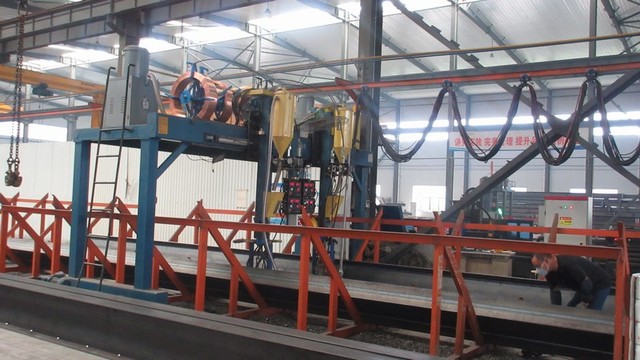
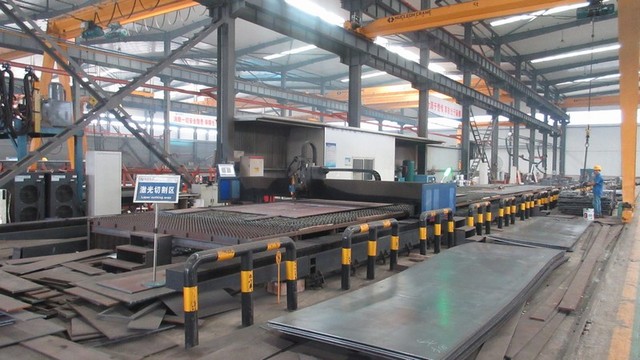
A systematic framework for project managers, quantity surveyors, and industrial procurers to ensure standard compliance.
Find answers to critical technical questions regarding the selection, application, and importing of industrial mineral wool systems.
For exterior wall insulation (ETICS/EIFS systems), the standard density range is 100 kg/m³ to 140 kg/m³. High-rise applications typically require densities above 120 kg/m³ to guarantee sufficient mechanical tensile strength (TR ≥ 15 kPa) and wind load resistance. For drywall cavities, lower densities of 60 kg/m³ to 80 kg/m³ are preferred to optimize sound absorption and thermal performance.
Leading Chinese manufacturers apply specialized organic silicone hydrophobic agents during the fiber centrifuge spinning process. This treatment coats each mineral fiber, achieving an overall hydrophobicity rate exceeding 98%. This prevents water absorption, ensuring the insulation board retains its structural integrity and thermal resistance (R-value) in humid or high-condensation environments.
Rock wool is a non-combustible mineral material that easily achieves a Class A1 rating, withstands temperatures over 1000°C without melting, and produces zero toxic smoke. EPS (Expanded Polystyrene) is combustible and typically reaches a Class B2 rating. PU/PIR (Polyurethane/Polyisocyanurate) is a thermoset polymer that offers superior thermal insulation values, but generally caps out at a Class B1 or B2 rating, requiring fire-retardant additives.
When installed and sealed correctly within a building envelope, rock wool insulation boards will match the lifespan of the building itself, often exceeding 50 years. Because basalt is inorganic, the fibers do not rot, support mold growth, sag, or degrade chemically over time.
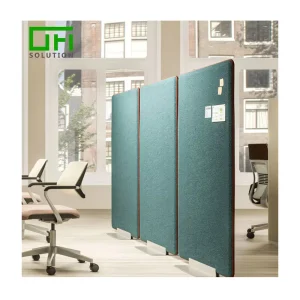
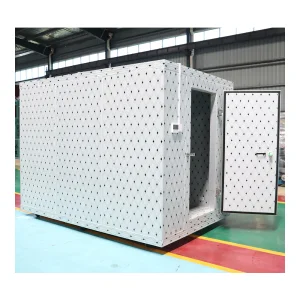
Integrate our modular construction systems, high-performance acoustic dividers, and weatherproofing composite products to round out your procurement package.
 Jonas Build