Jonas Build
1 / 5

| Specifications of Polystyrene Foam Board | |||
|---|---|---|---|
| Items | Requirements | ||
| EPS | GEPS | ||
| Apparent density kg/m³ | 18~22 | ||
| Compressive strength KPa | ≥100 | ||
| Sintering performance | Bending deformation mm | ≥20 | |
| Bending load at break N | ≥25 | ||
| Tensile strength perpendicular to the plate surface KPa | ≥100 | ||
| Dimensional stability % | ≤0.3 | ||
| Thermal conductivity system (average temperature 25ºC) w/(m·k) | ≤0.039 | ≤0.032 | |
| Volume water absorption % | ≤3 | ||
| Water vapor permeability ng/ (Pa·m·s) | 2.0~4.5 | ||
| Combustion performance level | Reach B1 level | ||



Yes, OEM/ODM services are available; your customized logo and design can be applied directly to the products.
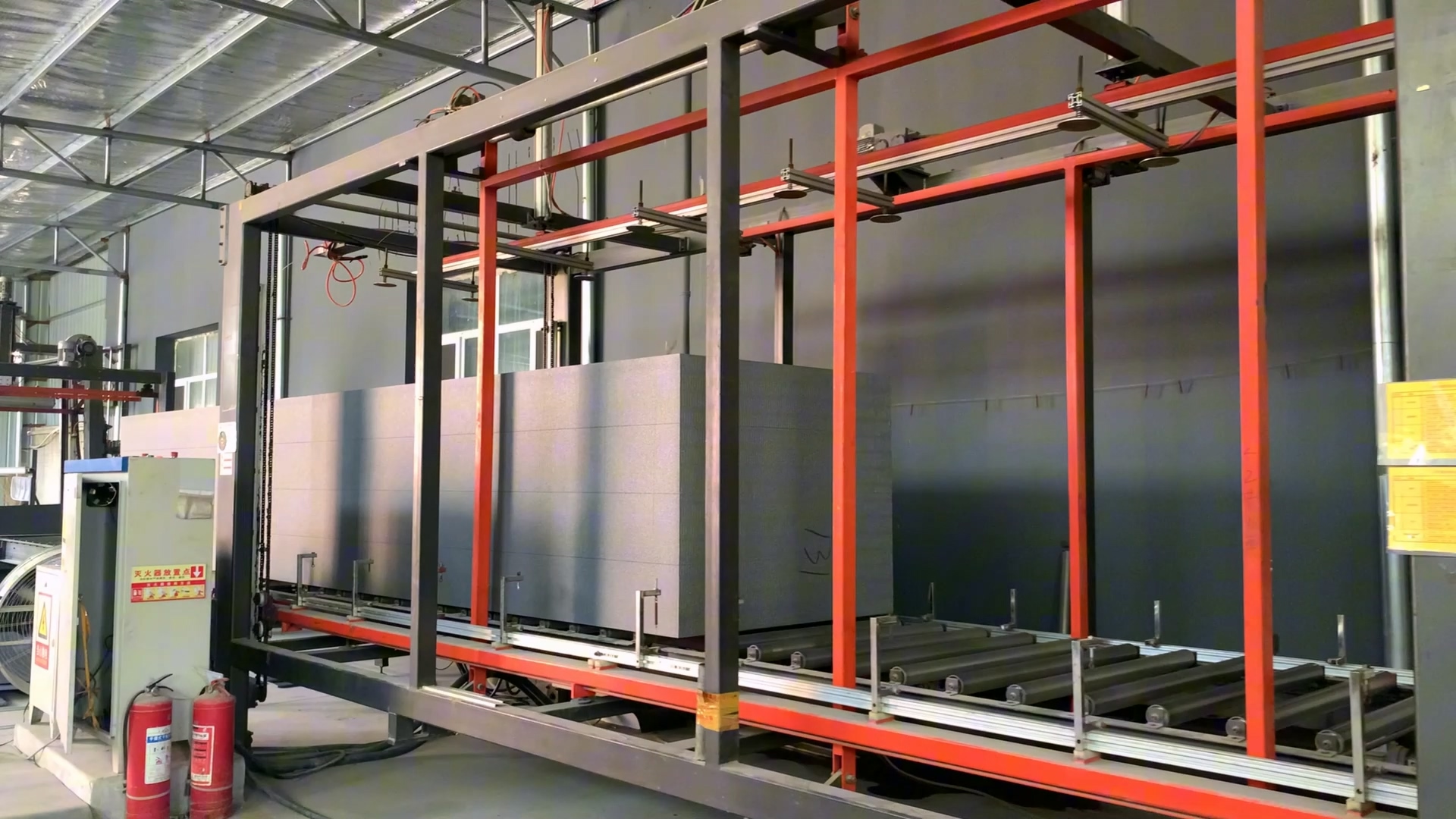
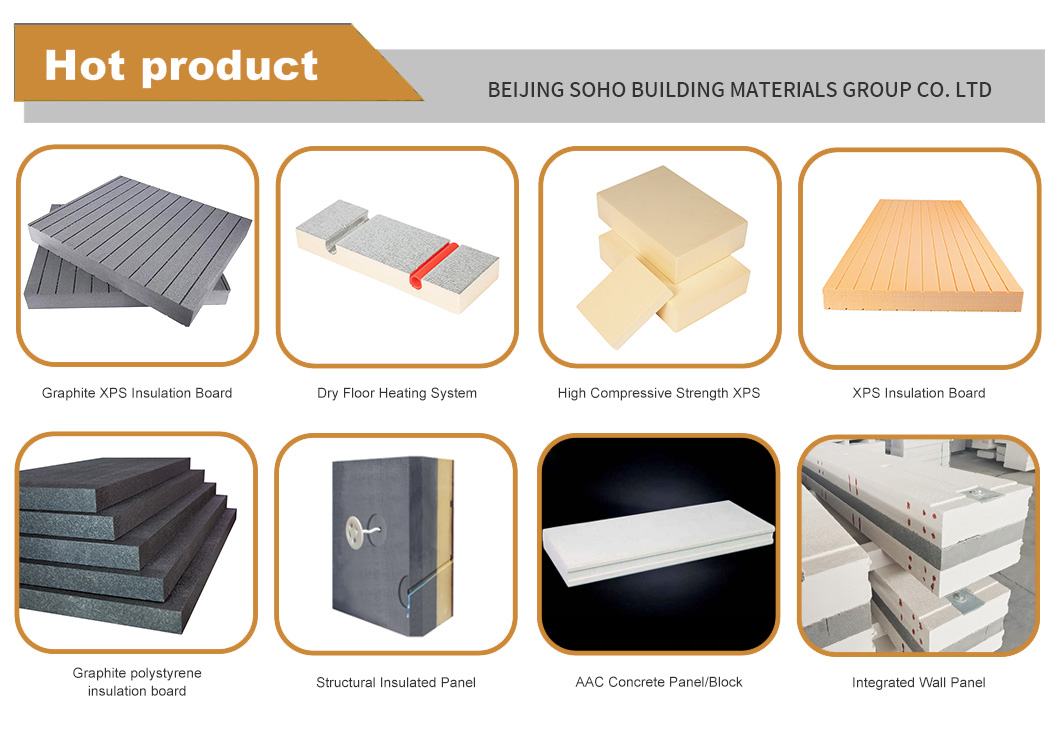
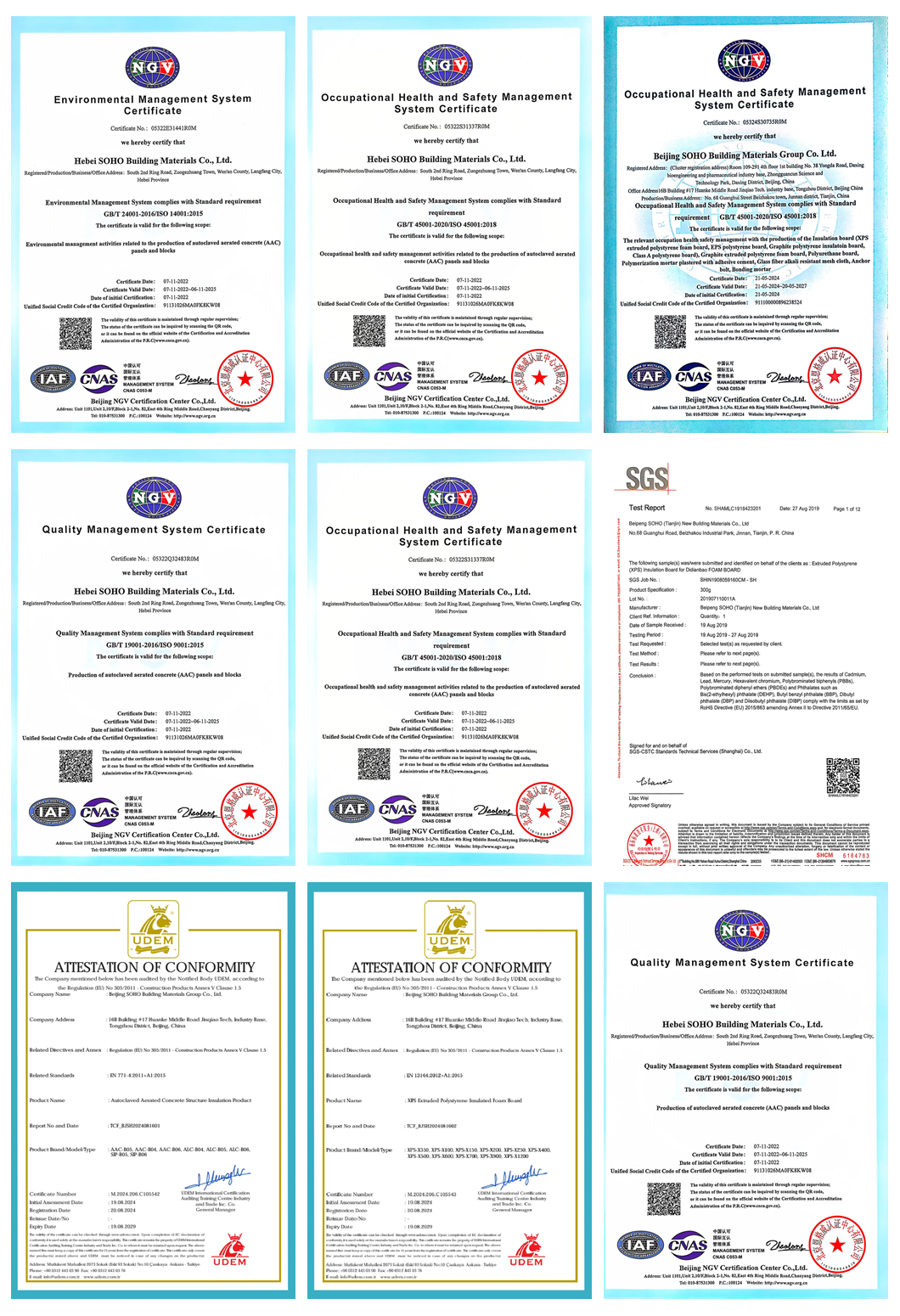
The annual production capacity includes 800,000 cubic meters of XPS series, 600,000 cubic meters of EPS series, 250,000 tons of mortar products, and 800,000 cubic meters of AAC concrete panels alongside integrated AAC insulation wall panels.
While XPS extruded insulation boards are not universally recycled, specific facilities accept them. Please check with your local recycling centers for regional guidelines.
Compared to other materials, XPS offers a higher R-value per inch, superior moisture resistance, and is significantly less prone to damage from pests or moisture compared to fiberglass or cellulose.
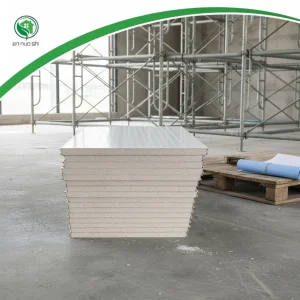
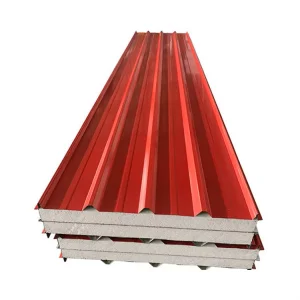
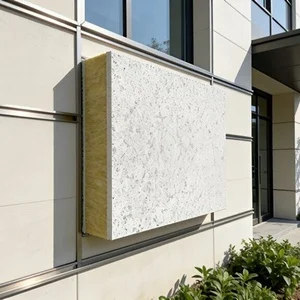
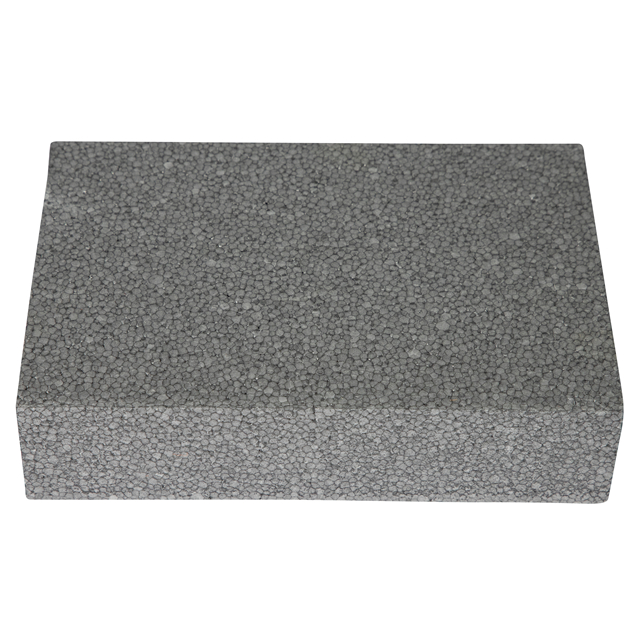
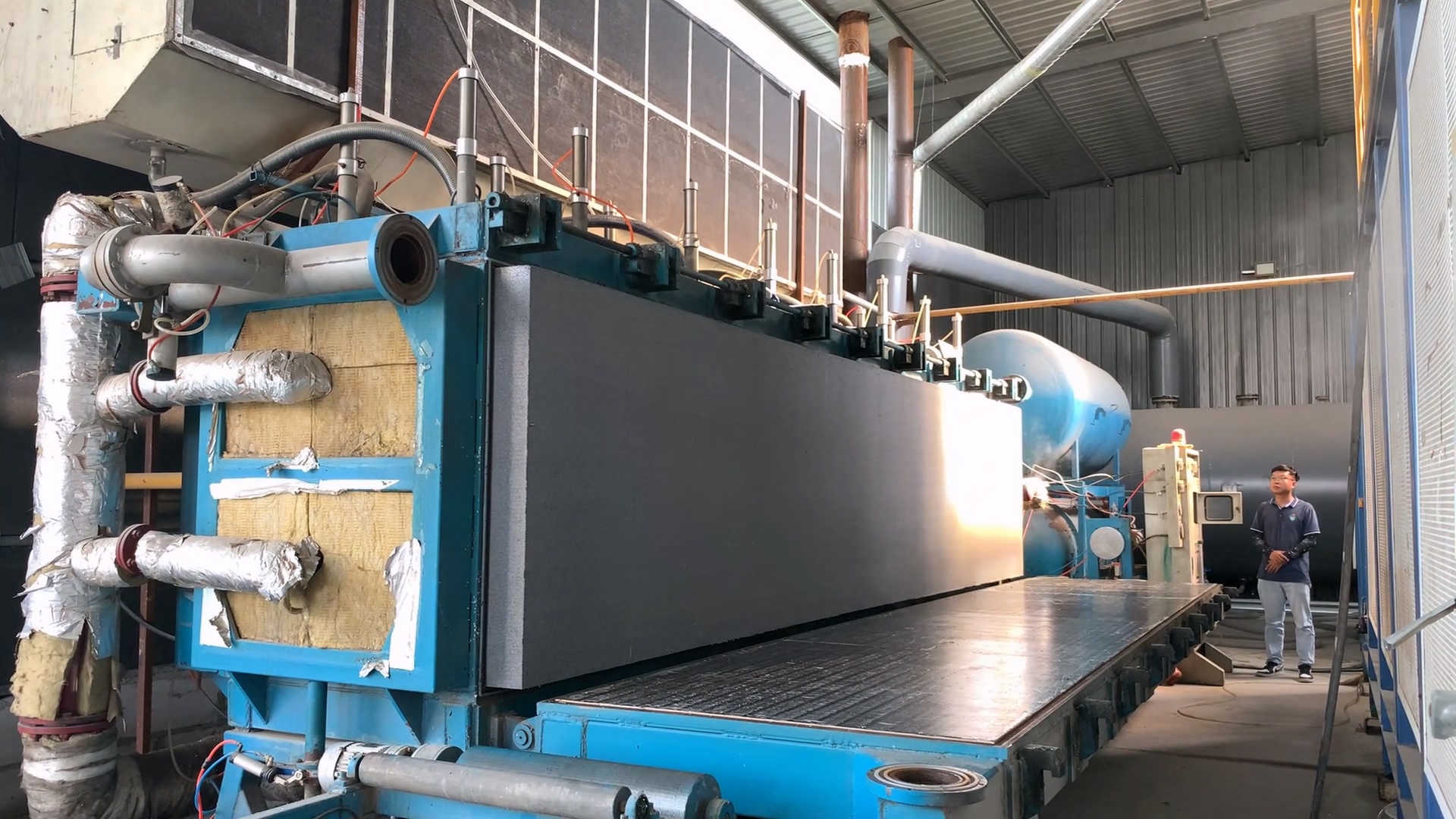
Graphite polystyrene insulation foam board is widely utilized in building interior and exterior wall insulation systems, roofing insulation, composite panels, refrigeration equipment, and as a protective layer for waterproofing systems.
Under typical International Building Code (IBC) standard specifications (Class A, B, and C), these rigid foam insulation boards belong to Class B, providing standard-compliant thermal and fire safety protection.