Ningbo Jonas Build Co., Ltd. is a premier global industrial construction envelope and advanced structural panel manufacturer. We specialize in engineering and supplying complex architectural membrane systems, high-density insulation composite assemblies, and tailored tensioned panel solutions. Modern commercial infrastructure requires building envelopes that deliver superior environmental control, durability, and rapid assembly capability. Jonas Build is at the forefront of this evolution, serving as an authoritative partner for architects, EPC contractors, and global distribution operations.
By integrating advanced material science with structural design, we construct building envelope panels that handle severe environmental stress while optimizing interior climate conditions. Our comprehensive portfolio includes high-performance insulated sandwich panels, heavy-duty industrial partition systems, specialized modular soft-wall structures, and robust exterior rainscreens. These advanced solutions are engineered to meet strict international standards, ensuring project viability and long-term mechanical reliability.
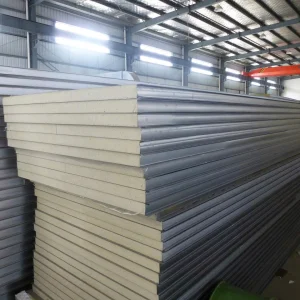
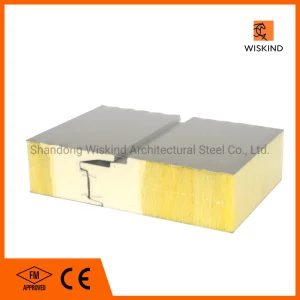
Utilizing high-index Polyisocyanurate (PIR) and Polyurethane (PU) formulations to deliver thermal insulation and mechanical rigidity for temperature-controlled configurations.
Engineered to meet international ASTM, EN, and ISO structural standards, ensuring robust resistance to extreme wind loads and localized fire hazards.
Comprehensive end-to-end supply chain integration, from raw material procurement to customs clearance, supplying critical infrastructure globally.
The construction sector is shifting away from traditional heavy masonry towards flexible, energy-efficient building systems. Among these, tensioned fabric systems and advanced modular panels represent a huge technological leap forward. Historically used for temporary covers, modern textile engineering has turned structural fabric panels into durable exterior components. Materials like PTFE (Polytetrafluoroethylene), ETFE (Ethylene Tetrafluoroethylene), and PVDF-coated PVC now provide service lifespans that exceed 30 years, opening up new design possibilities for modern building skins.
This architectural shift is driven by three primary technological improvements:
"The integration of structural fabric technology with rigid polyurethane and composite sandwich configurations provides modern architects with complete control over light, heat, acoustics, and mechanical integrity."
For B2B procurement managers, sourcing facade panels and cleanroom systems requires rigorous attention to structural and safety specifications. Buying decisions must balance material science with localized building code compliance. The primary criteria for selecting tensioned fabric panels and composite envelope assemblies include:
Envelopes must meet strict local fire regulations. Our products undergo third-party testing to comply with ASTM E84 Class A, EN 13501-1 Class B-s1,d0, and customized fire-resistant parameters, minimizing risks in high-occupancy spaces.
Evaluating R-value, U-factor, and Solar Heat Gain Coefficient (SHGC) is critical. Our polyurethane, rockwool, and insulated fabric panels are engineered to prevent thermal bridging and support sustainable, energy-efficient building certifications like LEED.
Panels must withstand localized environmental hazards, such as high wind loads, seismic movements, and heavy moisture. Our systems use corrosion-resistant coatings, galvanized steel bases, and advanced multi-ply composite layers.
Ningbo Jonas Build Co., Ltd. provides customized, high-performance systems designed for demanding industries:
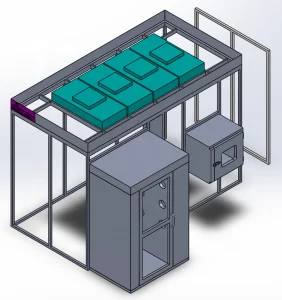
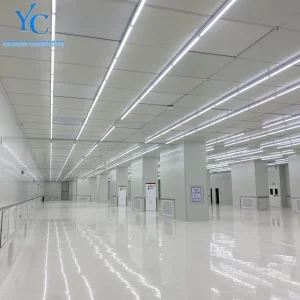
We supply modular, dust-free panels with antibacterial coatings and tight interlocking joints. These wall and ceiling panels meet GMP, ISO8, and ISO5 standards, maintaining the strict air pressure and sterility required for pharmaceutical manufacturing, semiconductor fabrication, and clean hospital facilities.
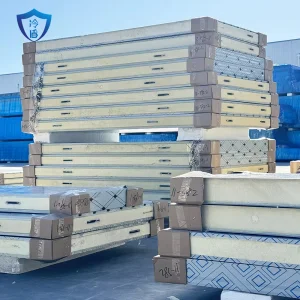
Our thick PU and PIR sandwich panels block thermal transfer, keeping cold storage facilities operating efficiently. Precision-milled joints prevent moisture infiltration and condensation, protecting stored products and reducing energy costs for logistics operators.
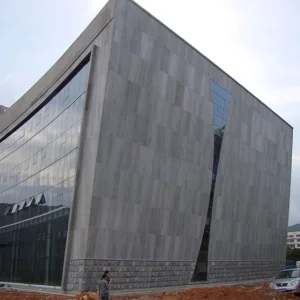
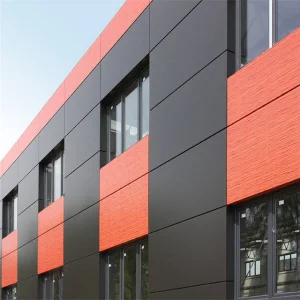
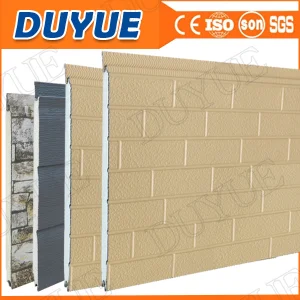
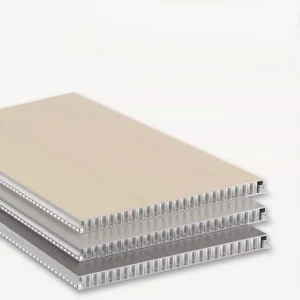
Combining composite panels with tensioned fabrics allows designers to create visually striking, energy-efficient building exteriors. These lightweight cladding options provide excellent weather protection, giving commercial projects a modern aesthetic that stands out.
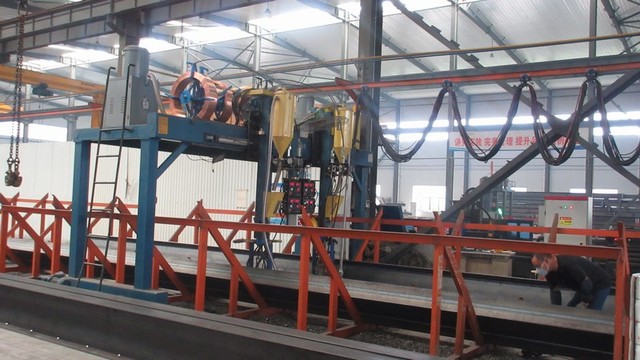
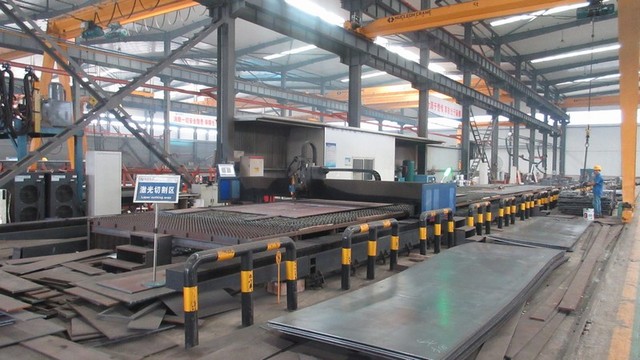
Our production facilities are equipped with automated manufacturing lines that ensure consistent quality across every batch. We run high-pressure continuous foaming machines for PIR/PU insulation cores, computerized shearing systems for precise panel cutting, and advanced heat-welding machinery for structural fabric membranes.
Quality control is integrated at every step of our manufacturing process. We carefully check incoming raw materials, monitor continuous bonding and curing, and perform final load and fire tests. Before packaging, every batch of panels undergoes strict dimensional and aesthetic checks, ensuring they arrive on-site ready for efficient, trouble-free installation.
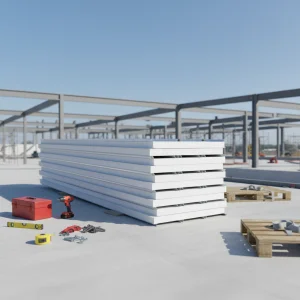
B2B building construction projects depend on predictable timelines and reliable product quality. Ningbo Jonas Build Co., Ltd. supports global clients through a comprehensive services network. Our team works closely with engineers and logistics coordinators from project planning through final installation. We secure all necessary import documentation, provide tailored packaging, and manage specialized container logistics to protect panels from moisture and transport damage.
We supply installation support guides, engineering calculation profiles, and detailing layouts to simplify on-site setup and prevent errors. Jonas Build coordinates with local certification agencies to ensure all supplied panels meet regional building codes, fire regulations, and energy efficiency benchmarks. This end-to-end support gives project developers and property owners confidence in the long-term performance of their building systems.
As the construction industry focuses more on lowering carbon footprints and creating smart buildings, we are adapting our product roadmap to match. Our research focuses on three main engineering priorities:
We are developing next-generation sandwich core materials using bio-based polyols and recycled structural fibers. This reduces the embodied carbon of each panel while maintaining high fire resistance and thermal insulation.
We are integrating advanced hydrophobic and titanium dioxide (TiO2) coatings into our exterior panels. These coatings use UV light to break down organic dirt, which is then washed away by rainwater, lowering long-term maintenance costs.
We are building detailed Revit and BIM model libraries for our complete panel line. This allows engineering teams to integrate our product specifications directly into their digital building designs, improving project planning accuracy.
Polyisocyanurate (PIR) is an advanced formulation of polyurethane (PU). PIR features a higher percentage of isocyanurate ring structures, which significantly improves its fire behavior and thermal stability. While both materials offer excellent thermal conductivity (often down to 0.020 W/m·K), PIR panels retain their structural shape longer under direct fire exposure. This characteristic allows them to achieve higher ratings in fire safety tests like EN 13501-1 and ASTM E84.
Our tensioned fabric systems use high-strength woven base fabrics, such as polyester or fiberglass, coated with protective layers of PVC, PVDF, or PTFE. These panels are engineered to be tensioned within structural aluminum or steel frames. This tension allows the fabric to distribute wind forces evenly across the supporting structure. We calculate stress loads using specialized software to ensure each installation meets local wind and snow load requirements.
Yes. Our cleanroom wall and ceiling systems are designed for high-standard cleanroom environments, including ISO 8 to ISO 5. They feature flush joint connections, non-outgassing sealants, and smooth, anti-static powder coatings. These design details prevent particle buildup and simplify cleaning, making the panels suitable for pharmaceutical, semiconductor, and medical facility installations.
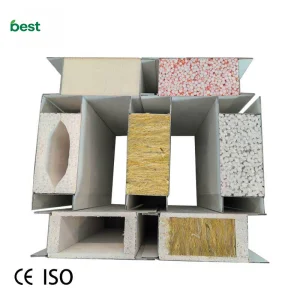
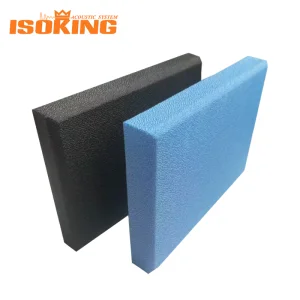
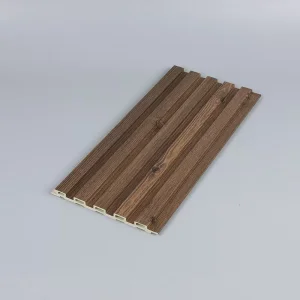
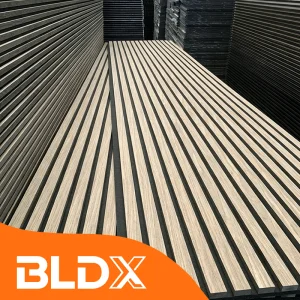
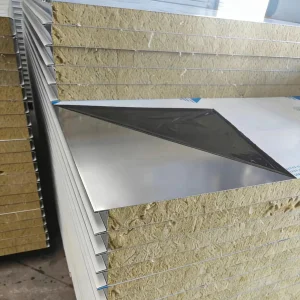
For applications requiring sound insulation, we supply high-density rockwool core sandwich panels and micro-perforated composite boards. Rockwool naturally dampens acoustic energy, helping to block sound transmission between rooms. Additionally, our wood veneer and fabric-wrapped acoustic panels are designed to reduce interior echo and noise levels in public spaces, offices, and hotel suites.
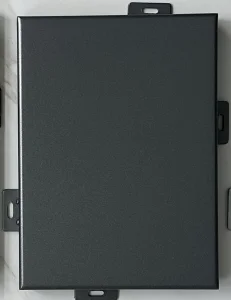
PVDF (Polyvinylidene Fluoride) coatings offer excellent resistance to UV radiation, industrial air pollution, and weather. Our PVDF-coated aluminum and steel facade panels are designed for a service life of 20 to 30 years. The slick surface resists dirt buildup, so maintenance is usually limited to a simple water rinse every one to two years to remove surface dust.
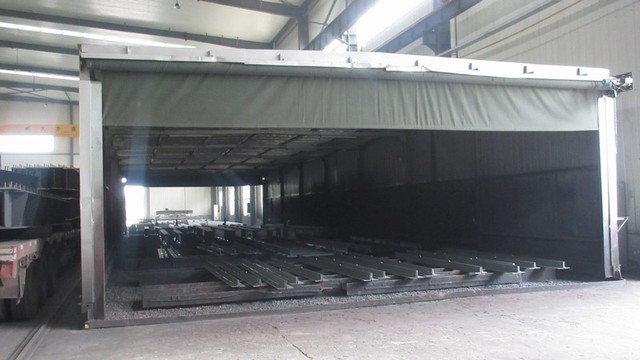
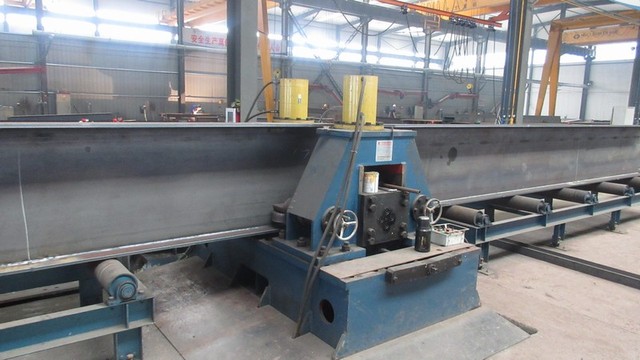
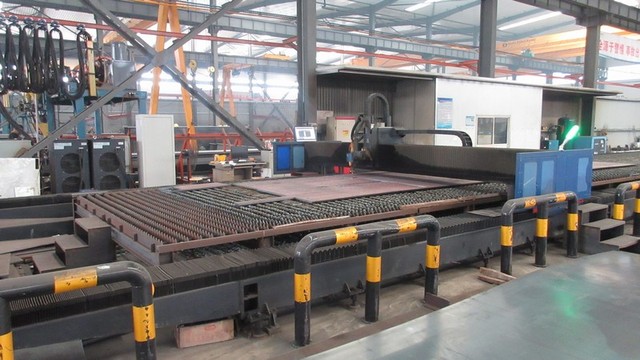
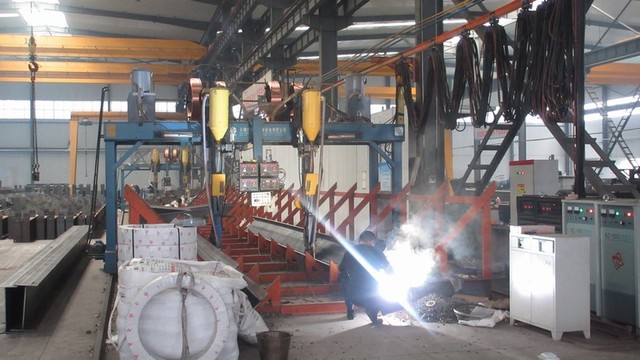
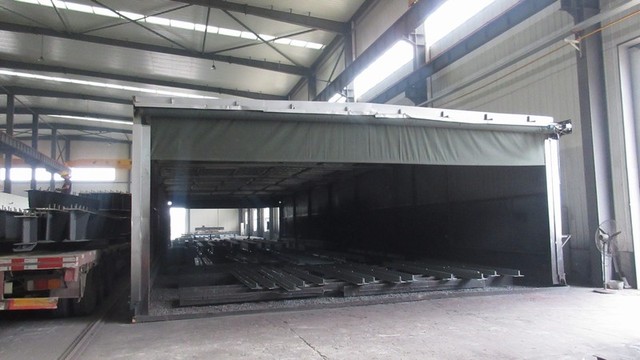
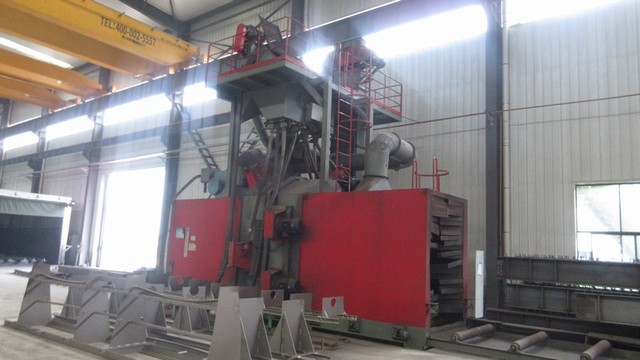
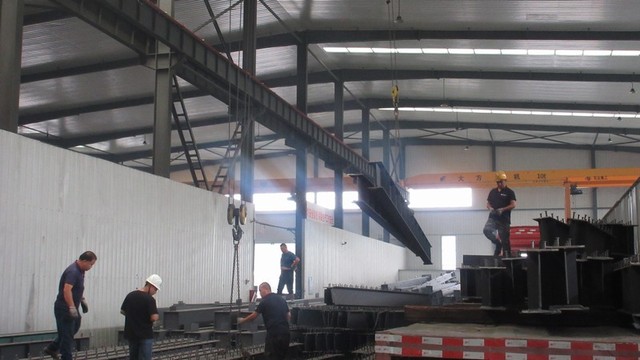
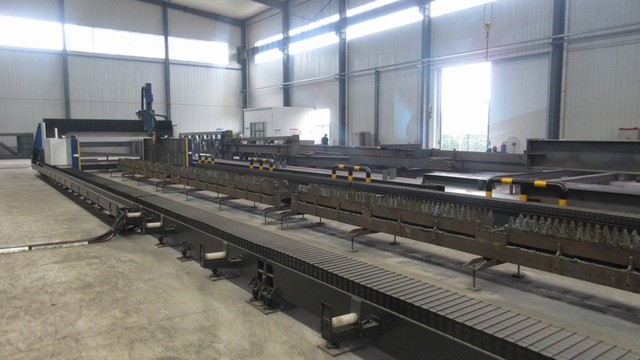
Ningbo Jonas Build Co., Ltd. maintains advanced manufacturing lines and strict testing laboratories. Below is a look at our production floor, raw material storage, and product inspection processes.
 Jonas Build